
 Worksheets
HBS - Unit 3 Test Review
Total questions: 90
Worksheet time: 1hrs 5mins
An organism's chemical reactions are called
metabolism
digestion
anabolism
peristalsis
What enzyme helps break down starch?
lipase
amylase
pepsin
peptidase
Which organ is a muscular tube that connects the pharynx with the stomach?
esophagus
trachea
small intestine
oral cavity
Which is a muscular sac in which bile from the liver is stored?
pancreas
gallbladder
pharynx
stomach
Which organ connects the stomach and colon and functions to absorb nutrients?
large intestine
pancreas
small intestine
esophagus
Secretes digestive enzymes into small intestine, also secretes hormones that regulate blood sugar.
gallbladder
pancreas
pharynx
stomach
Which enzyme breaks down protein?
lipase
sucrase
amylase
pepsin
What substances help break down fats?
lipase and bile
lipase and trypsin
lactase and maltase
lipase and pepsin
Process of making food absorbable by mechanically and enzymatically breaking down chemical compounds
anabolism
catabolism
digestion
metabolism
Where is the energy stored in ATP?
ribose sugar bonds
phosphate bonds
adenine bonds
adenosine bonds
Which of the following resource is needed to produce ATP?
carbon dioxide
water
oxygen
all of the above
What is basal metabolic rate (BMR)?
calories needed at rest
calories needed with activity
ratio of weight to height
If a patient's TDEE is 2500 calories and he consumes 3000 calories a day, what will happen to this patient's weight over a month?
gain weight
lose weight
no change in weight
cannot determine with the given information
Where does the substrate attach to an enzyme?
allosteric site
active site
carbohydrate site
enzyme site
Which model describes the changing of an enzyme to better catalyze a reaction by an enzyme?
lock and key model
induced fit model
forced fit model
enzyme fit model


What type of digestion takes place in the stomach?
mechanical
chemical
both mechanical and chemical
Where does the process of digestion begin?
mouth
esophagus
stomach
small intestine
What enzyme is found in saliva that starts digesting carbohydrates?
amylase
chyme
pepsin
bile
What chemically breaks down food into smaller molecules?
teeth
muscles of the stomach
enzymes
You would expect an enzyme found in the stomach to have a _______ optimal pH for functioning, compared to an enzyme found in the small intestine.
higher
lower
equal
impossible to say
If your TDEE is higher than your calories consumed, which of the following will happen?
You will lose weight
You will gain weight
You will be classified as obese
Your weight will stay the same
What is the pH of the stomach?
6
8
12
2
What part of the small intestine is responsible for digesting molecules with pancreatic enzymes?
duodenum
jejunum
ileum
helium
Which structures specialize in ABSORPTION of molecules? Select all that apply:
duodenum
jejunum
ileum
large intestine
Which digestive system structure specializes in the absorption of water?
small intestine
large intestine
stomach
esophogus

Pharynx
7
6
8
5

Pancreas
15
10
20
9

#13
gall bladder
common bile duct
transverse colon
liver

where hydrochloric acid is found
pancreatic duct
gall bladder
liver
stomach

#14
small intestine
pancreas
duodenum
cecum


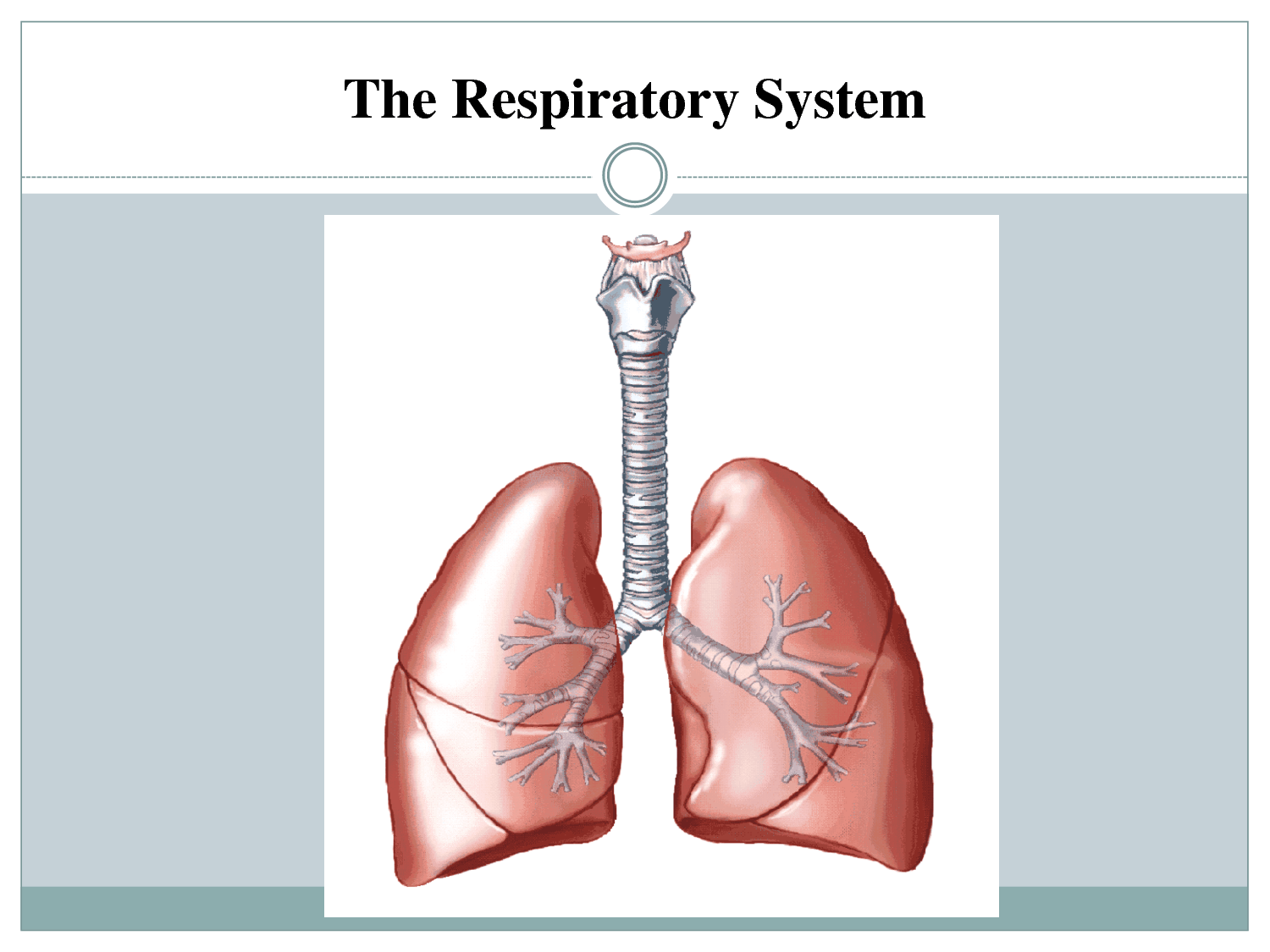

What is Asthma?
lung condition where your airways or bronchial tubes narrow and swell
an infection that causes fluid to fill the lungs
a condition that affects only children and causes the secretion of thick mucus that blocks airways, pancreatic duct, and digestive tract
a chronic disorder in the alveoli
I. High surface area
II. Thin walls
III. Dry surfaces
What hormone, secreted by the pituitary controls the amount of water that is reabsorbed in the kidneys?
Thyroxine
Anti-diuretic hormone
Thyroid stimulating hormone
Progesterone
What toxic substance is excreted in the urine?
Glucose
Sodium ions
Carbon dioxide
Urea

Which of the following is NOT filtered out of the blood in the kidneys?
Blood cells
Amino acids
Urea
Glucose
When you are dehydrated what out of the following options will happen? [3]
Less ADH will be secreted by the pituitary.
More water will be reabsorbed back into the blood.
Osmoreceptors in the hypothalamus will detect increased blood concentration.
The volume of urine will increase.
More ADH will be secreted by the pituitary.


Identify Letter B
Renal Pyramid
Renal Artery
Renal Vein
Renal Medulla
Anti-diuretic hormone (ADH) is released by which gland of the endocrine system
Thyroid
Pituitary
Ovaries
Adrenal
Which area of the brain contains the receptors responsible for detecting changes in water potential
Hypothalamus
Medulla Oblongata
Amygdala
Hippocampus
If you are dehydrated (low water potential in the blood), the body must conserve water. To do so, the brain triggers the pituitary gland to ...
release MORE ADH, making the collecting duct MORE permeable
release LESS ADH, making the collecting duct LESS permeable
release MORE ADH, making the collecting duct LESS permeable
release LESS ADH, making the collecting duct MORE permeable
If you are over-hydrated (high water potential in the blood), the body must excrete excess water. To do so, the brain triggers the pituitary gland to ...
release MORE ADH, making the collecting duct MORE permeable
release LESS ADH, making the collecting duct LESS permeable
release MORE ADH, making the collecting duct LESS permeable
release LESS ADH, making the collecting duct MORE permeable

Name structure A
Collecting duct
Proximal convoluted tubule
Distal convoluted tubule
Glomerulus

Name Structure B
Bowmans Capsule
Loop of Henle
proximal Convoluted tubule
Collecting duct

Name structure C
Distal convoluted tubule
Proximal convoluted tubule
Loop of henle
Glomerulus

Name structure D
Glomerulus
Bowmans Capsule
Collecting duct
Loop of henle

Name structure E
Glomerulus
Collecting Duct
Loop of henle
Distal convoluted tubule

Letter C represents which part of the nephron?
Afferent arteriole
Efferent arteriole
Glomerulus
Collecting duct

Letter D represents which part of the nephron?
Afferent arteriole
Efferent arteriole
Proximal convoluted tubule
Cortex
Of the following substances, which are not usually present in urine?
urea, phosphorus
glucose, protein
ketone, sodium
potassium, creatinine
Movement of a substance from the tubule to the blood.
secretion
reabsorption
filtration
excretion

