
 Worksheets
Respiratory System
Total questions: 90
Worksheet time: 2hrs 30mins
When alveoli in the lungs enlarge to compensate for damaged alveoli and cant push oxygen to the blood
Bronchitis
Lung cancer
Asthma
Emphysema
The passageway which moistens the air and has hairs that trap dust and particles
Nasal cavity
Bronchi
Oral cavity
Larynx
What is the function of the respiratory system?
Take in O2 only
Remove CO2 only
Take in O2 and remove CO2
Take in CO2 and remove O2
The lungs are divided into sections called...
Visceral pleura
Alveolar ducts or alveoli
Lobules or lobes
Bronchus or bronchi
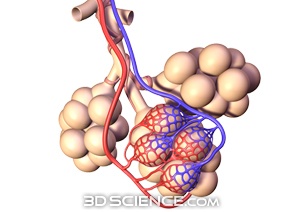
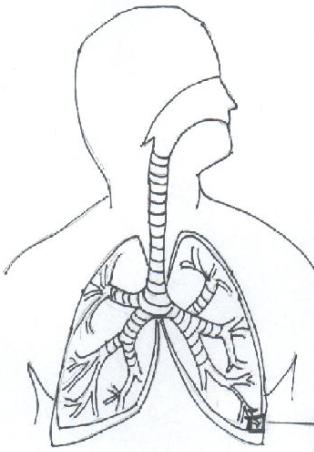
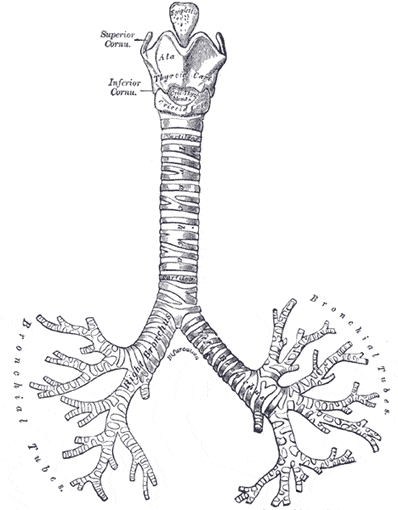

Flap of tissue that covers the opening to the windpipe during swallowing
Pharynx
Trachea
Epiglottis
Glottis
The circulatory system works with the ___________ system to provide our body with oxygen and get rid of CO2 (carbon dioxide).
respiratory
digestive
muscular
skeletal
an inflammation in the bronchial tubes that causes a person to have a bad cough
bronchitis
emphysema
pneumonia
cystic fibrous
tiny, hairlike projections in the airway that move in a wavelike manner.
alveoli
cilia
trachea
lungs
Where does the transfer of oxygen into the bloodstream take place?
In the heart
In the trachea
In the alveoli
In the nasal passages
The walls of the alveoli and capillaries are permeable. What does this mean?
Substances can pass through them.
They are made of muscle.
They are located throughout the body.
They are made of bone.
What happens when your diaphragm relaxes and moves upward?
Your lungs deflate and you breathe out.
Your lungs inflate and you breathe in.
Your alveoli transfer oxygen to your bloodstream.
Your bloodstream transfers carbon dioxide to your alveoli.
Where does cellular respiration take place in?
chloroplast
mitochondria
nucleus
vacuole
Cellular respiration uses glucose and __________ to make energy.
carbon dioxide
glucose
oxygen
mitochondria
Which structure of the respiratory system below plays a major role in speech?
nose
pharynx
larynx
trachea
The two narrower tubes branching from the trachea that leads into the lungs
nose
bronchi
lungs
alveoli
Identify the structure of the NOSE that is incorrectly matched to its function
veins - cool the air
mucus - traps bacteria
cilia - moves mucus to throat
conchae - increase surface area
The largest tube in the respiratory system is the
bronchiole
bronchus
trachea
alveoli
The smallest passageway taking air to the alveoli
Bronchi
Bronchus
Bronchioles
Alveioli
What is the fatty secretion that helps trap gases and moisten the lung surfaces to help them inflate and deflate?
pleurant
surfactant
mucus
sebum
What is the moist membrane that lines the lungs?
pleura
surfactant
bronchus
pleurum
How many lobes does the right lung contain?
1
2
3
4
How many lobes does the left lung contain?
1
2
3
4
When you exhale, air flows through respiratory structures in which sequence?
alveolus, bronchiole, bronchus, larynx, trachea, pharynx, nasal cavity
alveolus, trachea, bronchus, bronchiole, larynx, pharynx, nasal cavity
alveolus, bronchus, bronchiole, trachea, larynx, pharynx, nasal cavity
alveolus, bronchiole, bronchus, trachea, larynx, pharynx, nasal cavity
When you inhale, the diaphragm...
relaxes and moves inferiorly
relaxes and moves superiorly
contracts and moves superiorly
contracts and moves inferiorly
During inspiration, intrapulmonary pressure is...
greater than atmospheric pressure
less than atmospheric pressure
greater than intrapleural pressure
less than intrapleural pressure
Lung collapse is prevented by...
high surface tension of alveolar fluid
adhesion of the pleural membranes
high pressure in the pleural cavities
high elasticity of lung tissue
Breathing air through the nose provides multiple functions. What function would be most impacted while breathing dry air?
warming of the air
delivering the air to the lungs
providing a resonance chamber for speech
humidifying the air
The surface area in the nasal cavity is increased by the presence of ______.
olfactory folds
conchae
microvilli
choanae
Occasionally food or liquids will "go down the wrong pipe", initiating a cough reflex. Which structural barrier has been breached if this happens?
laryngopharynx
uvula
epiglottis
glottis
If lung pressure were to suddenly decrease, predict the response by the lungs.
The lungs would not recoil and air would remain trapped in them.
the lungs would adhere to the parietal pleura due to overinflation
The lungs would immediately collapse
the lungs would remain unchanged
Infant respiratory distress syndrome occurs because premature infants lack the ability to produce _____, which ______.
mucus; traps bacteria
cilia; clear mucus from the trachea
surfactant; lowers surface tension
alveoli; causes them to become hypoxic.
____ is the most potent chemical influencing respiration.
O2
N2
H2O
CO2
Loss of lung elasticity and destruction of the alveolar walls is termed...
asthma
emphysema
chronic bronchitis
dyspnea

What is the area shaded red?
nasopharynx
oropharynx
laryngopharynx
larynx
What is the area shaded blue?
nasopharynx
oropharynx
laryngopharynx
larynx
What is the area shaded green?
nasopharynx
oropharynx
laryngopharynx
larynx
The functions of the nasal conchae are to enhance the air turbulence in the cavity and to increase the mucosal surface area exposed to the air.
True
False
The lungs are perfused by two circulations: the pulmonary and the bronchial. The pulmonary circulation is for the oxygenation of blood. The bronchial circulation supplies blood to the lung structures (tissue).
true
false
In chronic bronchitis, mucus production is decreased and this leads to the inflammation and fibrosis of the mucosal lining of the bronchial tree.
true
false
Labored or difficulty in breathing is termed __________
dyspnea
apnea
eupnea
hyperpnea
The paired lungs occupy the mediastinum of the thoracic cavity.
true
false
The loudness of a person's voice depends on the ________.
the thickness of vestibular folds
length of the vocal folds
strength of the intrinsic laryngeal muscles
force with which air rushes across the vocal folds
Which of the following is true regarding normal quiet expiration of air?
It is a passive process that depends on the recoil of elastic fibers that were stretched during inspiration.
It depends on the complete lack of surface tension on the alveolar wall.
It is driven by increased blood CO2 levels.
It requires contraction of abdominal wall muscles.
Which of the following is the leading cause of cancer death for both men and women in North America?
colorectal
lung
esophageal
skin
Respiratory control centers are located in the ________.
midbrain and medulla
medulla and pons
pons and midbrain
upper spinal cord and medulla
Oxygen and carbon dioxide are exchanged in the lungs and through all cell membranes by ________.
osmosis
diffusion
filtration
active transport
The nose serves all of the following functions except:
as a passageway for air movement
as the direct initiator of the cough reflex
warming and humidifying the air
cleansing the air
For inspiration of air, which of the following happens first?
air (gases) flows into the lungs
intrapulmonary pressure drops
thoracic cavity volume decreases
diaphragm descends and rib cage rises
Which structure is lined with simple squamous epithelium?
trachea
nasopharynx
alveolus
oropharynx

What is the name of structure A?
trachea
primary bronchi
secondary bronchi
tertiary bronchi
What is the name of structure B?
trachea
primary bronchi
secondary bronchi
tertiary bronchi
What is the name of structure C?
trachea
primary bronchi
secondary bronchi
tertiary bronchi
What is the name of structure D?
trachea
primary bronchi
secondary bronchi
tertiary bronchi
What is the name of structure E?
bronchioles
primary bronchi
secondary bronchi
tertiary bronchi

What is structure 2?
frontal sinus
nasal cavity
hard palate
soft palate
What is structure 5?
oral cavity
nasal cavity
hard palate
soft palate
What is structure 6?
oral cavity
larynx
pharynx
epiglottis
What is structure 9?
oral cavity
larynx
pharynx
epiglottis
What is structure 10?
oral cavity
larynx
pharynx
epiglottis
The upper respiratory tract contains all of the following except:
nose
nasal cavity
sinuses
trachea
Which of the following structures belongs to the lower respiratory tract?
larynx
pharynx
nasal cavity
sinuses
Which structure divides the nose?
nasal cavity
nasal septum
nasal conchae
nasal sinuses
The false vocal folds produce sound.
true
false
Inflammation of the larynx that makes the voice hoarse, or the person loses their ability to speak.
laryngitis
pharyngitis
glotitis
otolaryngitis
One of the main breathing mechanisms is when the diaphragm _____________, forcing air into the airways.
moves down
moves up
remains stationary
none of these options
Increased breathing, lower CO2 concentration
hyperventilation
hypoventilation
apnea
eupnea
Gas exchange occurs across a membrane - a layer of ____________ cells.
simple squamous
stratified squamous
simple cuboidal
simple columnar ciliated
How does oxygen get into the bloodstream?
Diffusion
Osmosis
Active transport
Gated channels
A hereditary disease in which mucus clogs the lungs, making it difficult to breathe and causes infection.
Cystic Fibrosis
Asthma
Emphysema
Bronchitis
An obstruction of the airways that occurs with chronic bronchitis and/or emphysema
Cystic Fibrosis
Asthma
Chronic Obstructive Pulmonary Disease (COPD)
Altitude sickness
Inflammation of the main air passages to the lungs. Irritated tissues produce mucus. Can be acute or chronic.
Bronchitis
Asthma
Emphysema
Altitude sickness
A condition in which the walls of some alveoli are destroyed, causing the remaining alveoli to compensate and be enlarged.
Emphysema
Asthma
Bronchitis
Cystic Fibrosis
What is sleep apnea?
pause or slowing of breathing during sleep
increased breathing during sleep
regular breathing patterns during sleep
inability to sleep
Inflammation of the bronchial tubes with increased production of sticky secretions inside the tubes. The airways tighten or fill with mucus. Can be brought on by exercise or seasonal allergies.
asthma
emphysema
bronchitis
laryngitis
Causes serious coughing and gasping for breath, dangerous for infants.
whooping cough (pertussis)
asthma
emphysema
bronchitis

