wayground logo

Free Printable Worksheets

Font size

S
M
L
XL
Worksheets

Transportation of Substances in Plants & Animals

Total questions: 45

Worksheet time: 23mins

Name
Class
Date
1.

All organisms need food, ________, and water for survival.

a)

Oxygen

b)

Shelter

c)

Carbon Dioxide

d)

All of these

2.

Blood carries _________ from the lungs to the cells of the body.

a)

Argon

b)

Neon

c)

Carbon Dioxide

d)

None of these

3.

The red pigment in blood is called

a)

Plasma

b)

Arteries

c)

Haemoglobin

4.

Heart is located in the _____________

a)

Brain Cavity

b)

Chest

c)

Chest Cavity

d)

Beside's Kidney

5.

White patches formed in places like underarms during humid weather are due to:

a)

Salt present in sweat.

b)

Sugar present in sweat.

c)

Acid present in sweat.

6.

The process of removal of unwanted, harmful, and toxic substances in our body is called excretion system.

a)

True

b)

False

7.

The fluid part of blood is called-

a)

Haemoglobin

b)

White blood cells

c)

Plasma

8.

What do you see in this image? (Highlighted Part)

a)

Veins

b)

Capillaries

c)

Arteries

d)

Blood vessels

9.

Which of the following does not have valves

a)

Heart

b)

Arteries

c)

capillaries

d)

veins

10.
The main function of the circulatory system is 
a)
To give the body structure and support
b)
Excrete waste
c)
transport blood, nutrients, and gases throughout the body
d)
to transport messages from the body to the brain
11.
White blood cells
a)
allow for gases to exchange
b)
give blood its color
c)
fight infection and disease
d)
help clot blood
12.
Platelets 
a)
allow for gases to exchange
b)
give blood its color
c)
fight infection and disease
d)
help clot blood
13.
The plasma that contains blood cells is mainly made up of 
a)
cytoplasm
b)
nutrients
c)
waste
d)
water
14.
Capillaries join together
a)
veins and arteries
b)
veins and the heart
c)
arteries and veins
d)
heart and valves
15.
What is the largest artery in the human body called?
a)
Superior Vena Cava
b)
Aorta
c)
Inferior Vena Cava
d)
Pulmonary Artery
16.
Blood leaving the heart to go to the body leaves from which ventricle?
a)
left
b)
right
17.
The ___________ is the thick muscular wall that seperates the two sides of the heart.
a)
atria
b)
ventricles
c)
valve
d)
septum
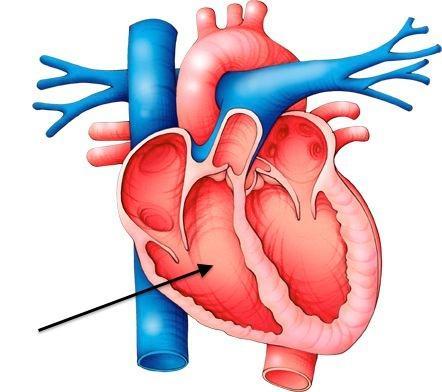
18.
Identify
a)
Left atrium
b)
Right atrium
c)
Left ventricle
d)
Right ventricle
19.

Recall that the movement of food in the phloem is called.

a)

Translocation

b)

Transpiration stream

c)

Evaporation

d)

Respiration

20.
What is the purpose of antibodies?
a)
To pump lymph through the vessels
b)
To create lymph
c)
To fight infection
d)
To remove old red blood cells
21.

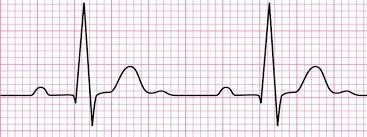
Type of device that measures the electrical currents created by the SA and AV nodes?

a)

AED

b)

MRI

c)

ECG

d)

CAT Scan

22.

Why plants become wilt?

a)

Less water evaporate from the plants

b)

The plant loss excessive amount of water through transpiration

c)

The stomata of the plants are closed

d)

The weather are cool.

23.

Transpiration process in plants occur

a)

at night

b)

during daytime

24.

The function of transpiration is to transport _______ and ____________ from the roots to the leaves

a)

water, mineral salts

b)

food, nutrients

c)

water, food

25.

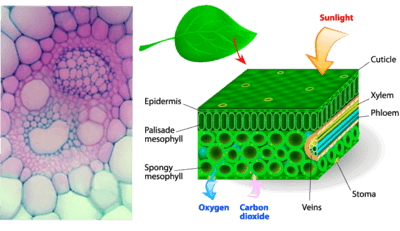
What is the function of waxy cuticle on the leaves surface?

a)

Provide water for the plant through the leaves

b)

Reduce the loss of water from the plants by evaporation

c)

Protect the plants from danger

26.

Which of the following indicates the pathway of water through a plant?

a)

root hair cell --> xylem --> stomata

b)

stomata --> root hair cell --> xylem

c)

xylem --> stomata --> root hair cell

27.

Which is true?

a)

95% of water taken by the plant evaporates through transpiration

b)

9% of water taken by the plant evaporates through transpiration

c)

Evaporation through transpiration accounts only for 1% of all the water the plant takes in

d)

Evaporation through transpiration is minuscule
28.
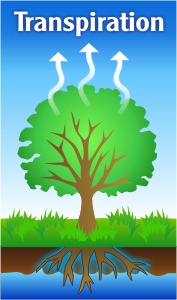
Transpiration is
a)
the movement of water through a plant from the roots up the stem
b)
the loss of water from the leaves of a plant by the process of evaporation
c)
the flow of water into plant roots by osmosis from the soil
d)
the process of minerals and sugars moving through plant veins
29.

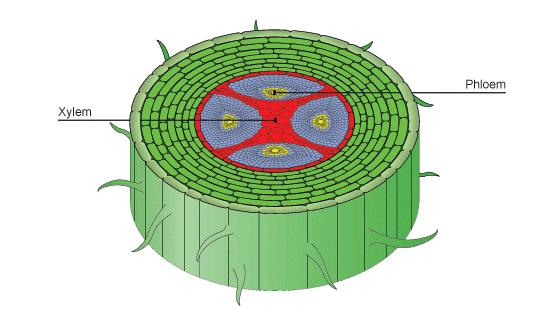
Xylem tubes are made of...

a)

Dead cells

b)

Living cells

30.

Phloem tubes are made of...

a)

Dead cells

b)

Living cells

31.
Cells that control the opening and closing of stomata
a)
Cuticle
b)
Guard cell
c)
Vascular tissue
d)
Stomata
32.

Specific type of plant tissue that transports water and minerals from the roots, through the stems, to leaves

a)

vascular plant

b)

nonvascular plant

c)

xylem

d)

phloem

33.

Specific type of plant tissue that transports food (sugar) made in the leaves to the entire plant

a)

vascular plant

b)

nonvascular plant

c)

xylem

d)

phloem

34.
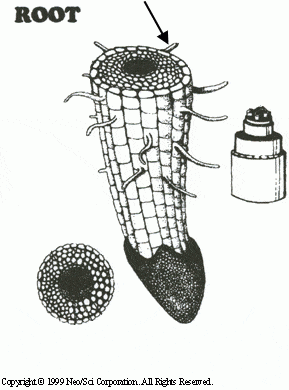
What is the name of the part of the root that allows water and minerals enter?
a)
root hairs
b)
epidermis
c)
phloem
d)
phyla
35.
How do water enter the roots from the soil?
a)
diffusion
b)
osmosis
c)
transpiration
d)
active transport
36.
This is the definition for which word:The movement of particles down a concentration gradient (from a high concentration to a low concentration)
a)
Osmosis
b)
Diffusion
c)
Active transport
d)
Transpiration
37.

Urine gets collected in the _______.

a)

Ureter

b)

Kidney

c)

Urethra

d)

Urinary bladder

38.
What is the main function of the excretory system?
a)
to collect and remove wastes from the body
b)
to strengthen skeletal muscles
c)
to protect the nervous system
d)
to bring oxygen to body cells
39.
Which organ of the excretory system stores urine until the body is ready to eliminate it?
a)
ureters
b)
urethra
c)
urinary bladder
d)
urea
40.
Which excretory organ eliminates water and some chemical wastes in perspiration?
a)
lungs
b)
skin
c)
liver
d)
kidneys
41.
These organs are responsible for what?
a)
storing urine
b)
storing water
c)
filtering blood
d)
they don't have a particular job 
42.
What is #2?
a)
Kidney
b)
Ureters
c)
Bladder
d)
Urethra
43.
What is #3?
a)
Kidney
b)
Ureters
c)
Bladder
d)
Urethra
44.
What is #4?
a)
Kidney
b)
Ureter
c)
Bladder
d)
Urethra
45.
What is #1?
a)
Kidney
b)
Ureters
c)
Bladder
d)
Urethra