wayground logo

Free Printable Worksheets

Font size

S
M
L
XL
Worksheets

HSC 114 The Nervous System and Mental Health

Total questions: 150

Worksheet time: 1hrs 26mins

Name
Class
Date
1.

Reye's syndrome sometimes follows a viral illness in which a child was treated with aspirin.

a)

True

b)

False

2.

____________ describes an excessive sensitivity to stimuli.

a)

Hyperesthesia

b)

Causalgia

c)

Neuropathy

d)

Paresthesia

3.

A delusion is a false personal belief that is maintained despite obvious proof or evidence to the contrary.

a)

True

b)

False

4.

Which type of stroke occurs when the flow of blood to the brain is blocked?

a)

Transient ischemic

b)

Hemorrhagic

c)

Ischemic

d)

Cerebrovascular

5.

Anorexia nervosa is characterized by binge eating.

a)

True

b)

False

6.

_________ is the thick, tough, outermost membrane of the meninges.

a)

Meninges

b)

Arachnoid

c)

Pia

d)

Dura

7.
The system of the body that carries information to all parts of the body.
a)
Nervous system
b)
Spinal Cord
c)
Neuron
d)
Brain
8.
A bundle of nerves that runs along the back of a vertebrate within the spinal column.
a)
Dendrites
b)
Stimulus
c)
Brain Stem
d)
Spinal cord
9.
The part of the brain that controls balance, coordination, and unconscious muscle activities.
a)
Cerebrum
b)
Cerebellum
c)
Brain
d)
Spinal Cord
10.
The part of the brain that controls conscious thoughts, senses, language  and memories.
a)
Cerebellum
b)
Cerebrum
c)
Dendrites
d)
Brain Stem
11.
A nerve cell.
a)
Neuron
b)
Spinal cord
c)
Dendrite
d)
Brain
12.
Carry message from body to brain from the brain to body.
a)
Nerves
b)
Neuron 
c)
Brain
d)
Spinal Cord
13.
Branch-like extensions of the neuron that receive chemical messages and carry them to the cell body.
a)
Dendrites
b)
Neurons
c)
Nerves
d)
Spinal Cord
14.
Responds to information received from the outside environment and inside your body. For example, touching a hot stove is a stimulus.
a)
Nerves
b)
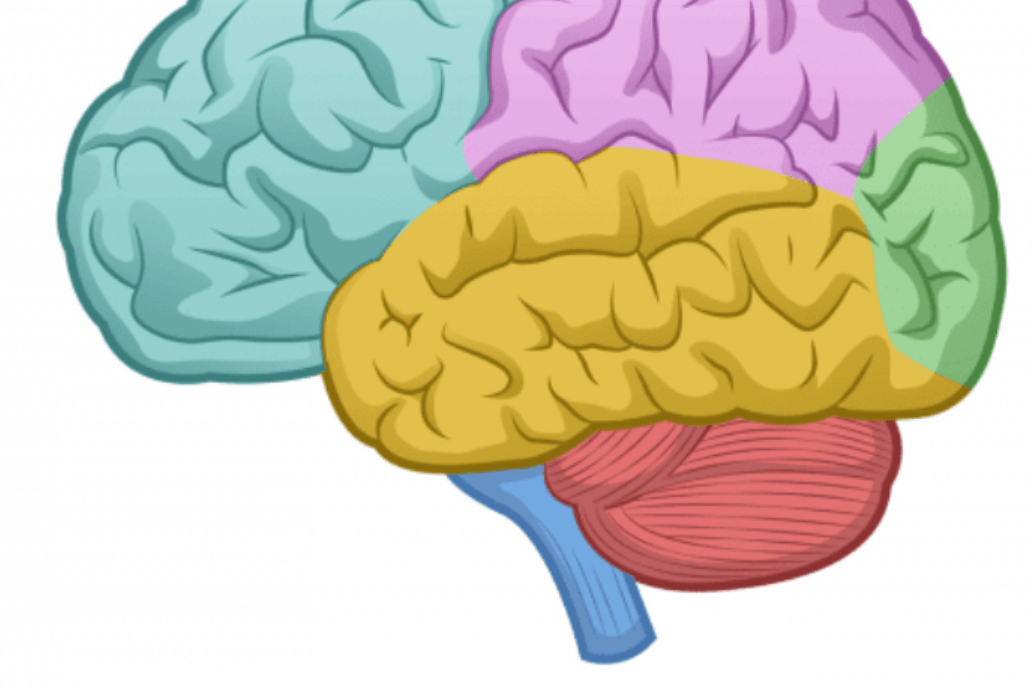
Brain
c)
Stimulus 
d)
Dendrite
15.

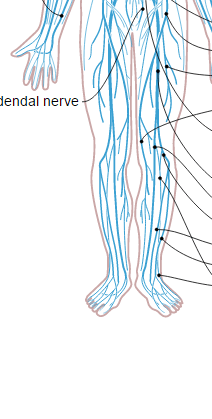
Which system does this image represent?

a)

The respiratory system

b)

The nervous system

c)

The circulatory system

d)

The excretory system

16.

Select the three parts of the nervous system.

a)

Brain, muscles and nerves.

b)

Spinal chord, brain and nerves.

c)

Nerves, senses and spinal chord.

d)

Muscles, senses and brain.

17.

What does our brain do?

a)

It is the big information tube that goes down our back bone.

b)

It breaks up food with digestive juices and makes it liquid.

c)

It is where poop leaves the body.

d)

It recieves information and tells the body what to do.

18.

What do our nerves do?

a)

They are the two small organs that clean our blood.

b)

They store and produce sperm.

c)

They contract and relax to make us move.

d)

They are the small information tubes that transport information all over our body.

19.

Which is NOT a function of the nervous system?

a)

gathering information

b)

responding to a stimulus

c)

maintaining homeostasis

d)

secreting hormones

20.

What is a reflex?

a)

an automatic movement in response to a stimulus

b)

the gap between neurons where chemical reactions occur

c)

the part of the brain responsible for involuntary movements

d)

a muscle memory

21.

Physical injuries, like a major car accident, can be very dangerous to nervous system health. How?

a)

the nerves will communicate slower

b)

pain receptors activate during physical injuries

c)

damaged nerves cannot send or receive signals

d)

the driver will be very upset about their destroyed car

22.
What part of the neuron carries the impulse toward the nerve cell body?
a)
Dorsal Root
b)
Dendrites
c)
Myelin Sheath
d)
Axon
23.
What part of the neuron is myelinated?
a)
Cell Body
b)
Axon
c)
Synapse
d)
Dendrite
24.
A chemical substance that transmits nerve impulses across a synapse 
a)
Neurotransmitter
b)
Axon
c)
Synapse
d)
Nerve
25.
Part of the nervous system made of the brain and spinal cord.
a)
central nervous system
b)
peripheral nervous system
26.
What are the two parts of the nervous system? 
a)
The brain and spinal cord
b)
The central nervous and peripheral nervous system 
c)
The neurons and the dendrites
d)
The cerebrum and the medulla
27.
This is the job of the nervous system.
a)
To send messages to and from the brain and spinal cord to and from the body
b)
To break down food to be used by the body
c)
To remove wastes from the body
28.

What is considered the command center of the nervous system?

a)

Neurons

b)

Heart

c)

Spinal Cord

d)

Brain

29.

What kind of cells make up the nervous system?

a)

Plasma

b)

Neurons

c)

Blood Vessels

d)

Spinal Cord

30.

What makes up the Central Nervous System?

a)

Blood and Heart

b)

Spinal Cord

c)

Nerves

d)

Brain and Spinal Cord

31.

The spinal cord is.....

a)

The command center of the nervous system

b)

The body's message and control center

c)

A long bundle of neurons that sends messages to and from the brain and all parts of the body.

d)

All of the above.

32.

What is the Peripheral Nervous System consist of?

a)

The brain

b)

The spinal Cord

c)

The nerves that connect the CNS to all parts of the body.

d)

All of the above.

33.

And injury to the spinal cord can lead to paralysis.

a)

True

b)

False

34.

What is this? It coordinates muscle movements.

a)

Cerebrum

b)

Cerebellum

c)

Brain Stem

d)

Diencephalon

35.

What structure is bright blue and located at bottom of the brain and controls the information sent between brain and rest of the body?

a)

Cerebrum

b)

Cerebellum

c)

Brain Stem

36.

mental disorder with extreme highs and lows of emotion

a)

stress

b)

OCD

c)

bipolar

d)

anxiety

37.

PTSD sufferers usually have these that produce terror and fear of an event

a)

flashbacks

b)

nightmares

c)

vivid memories

d)

all of the above

38.

the two most common types of treatment for mental disorders

a)

therapy and medication

b)

medication and withdrawal

c)

therapy and counseling

d)

medication and being alone

39.

the most common type of medication used against depression are antidepressants

a)

true

b)

false

40.

A feeling of sudden or intense fear is called

a)

anxiety

b)

fear

c)

stress

d)

panic

41.

Which word describes the image?

a)

Bipolar disorder

b)

Eating Disorder

c)

ADD

d)

Anxiety

42.

Which word describes the image?

a)

Bipolar Disorder

b)

ADD - Attention Deficit Disorder

c)

Anxiety

d)

OCD

43.

Which of the following is NOT a characteristic of anorexia nervosa?

a)

Binge and purge

b)

Significant weight loss

c)

Missing menstrual cycle

d)

Low caloric intake

44.

What are characteristics of Bipolar disorder?

a)

Withdrawal, hallucinations, hearing voices

b)

Mood swings with extreme highs and lows

c)

Complaints of disease symptoms without physical cause

d)

Repeated, urgent, irresistible behaviors

45.

Concussions are caused by the brain doing what?

a)

Swelling

b)

Bleeding

c)

Shrinking

d)

Bouncing off the skull

46.

Dyslexia can be genetic.

a)

True

b)

False

47.
Characterized by uncontrollable sleep attacks
a)
Night Terrors
b)
Insomnia
c)
Narcolepsy
d)
Sleep Apnea
48.

This category of drug leads to heightened alertness, arousal, euphoria, and decreased appetite.

a)

Stimulant

b)

Depressant

c)

Hallucinogen

49.
Delirium is often reversible with treatment
a)
True
b)
False
50.
Delirium fluctuates over a period of time and worse at night
a)
True 
b)
False
51.
Dementia has a slow, chronic progression and irreversible
a)
True
b)
False
52.

Which type of tumor is being described below:


Spreads Dangerous Grows quickly

a)

Benign

b)

Malignant

53.

Which type of tumor is being described:


Slow growing Not dangerous Does not spread

a)

Malignant

b)

Benign

54.

What are some common symptoms of a stroke?

a)

Paralysis of one side of body, slurring speech, facial droop

b)

Headache

c)

Chest pain

d)

Shortness of breath

55.

What acronym can you use to identify a stroke?

a)

FAST

b)

STRAW

c)

ABCD

d)

RICE

56.

If the left side is paralyzed, what part of the brain is oxygen-deficient?

a)

Both sides

b)

Left side

c)

Right side

d)

Only a small portion

57.

What is a stroke?

a)

Blocked blood vessel

b)

Bleeding in the brain from a blood vessel

c)

Loss of oxygen to part of the brain

d)

All of the above

58.

Blood supply to the brain that is briefly interrupted describes a.......

a)

Stroke

b)

Mini stroke

c)

Transient Ishemic atttack (TIA)

d)

B and C only

59.

Use FAST to recognise the signs of a stroke. F is For ..........

a)

Face mask

b)

Face drooping

c)

Face injury

60.

Use FAST to recognise the signs of a stroke. A is For ..........

a)

Arm weakness

b)

Arm injury

c)

Arm fracture

61.

Use FAST to recognise the signs of a stroke. S is For .........

a)

Speechless

b)

Stroke

c)

Speech difficulty

62.

Use FAST to recognise the signs of a stroke. T is For .........

a)

Time

b)

Tell someone to help you

c)

None of the above

63.
What is Insomnia?
a)
Act out dreams
b)
Trouble Sleeping
c)
walking around constantly
d)
loud snoring
64.
Eric sometimes gets out of bed in the middle of the night & wanders throughout the house.  Sometimes he returns to bed, remembering nothing.  Other nights he wakes up & is disoriented & confused.
a)
somnambulism
b)
night terrors
c)
Kleine Levin syndrome
d)
REM sleep behavior disorder
65.
What is the fluid in the space between the meninges that acts as a shock absorber to the brain and spinal cord called? 
a)
Blood-Brain Barrier
b)
Meninges
c)
Cerebrospinal Fluid
d)
Cerebral Cortex
66.
The membranes covering the brain and spinal cord are the _________.
a)
thalamus
b)
ventricles
c)
meninges
d)
choroid plexuses
67.

Which of the following nourishes the spinal cord:

a)

Meninges

b)

Cerebrospinal fluid

c)

Cartilage

d)

Vertebrae

68.
What are the structures of the meninges?
a)
Dura mater
b)
Arachnoid membrane
c)
Pia mater
d)
All of the above
69.
What is a potentially serious/deadly disorder in children that is characterized by vomiting and confusion when Aspirin is given?
a)
Parkinson’s Disease
b)
Reyes Syndrome
c)
Amnesia
d)
Tetanus
70.
What does the Myelin Sheath cover?
a)
Covers the glial cells
b)
Covers axons and some parts of spinal cord
c)
Covers the synapse
d)
None of the above
71.
What causes a concussion?
a)
Head shaken
b)
Brain violently shaken
c)
Shaken together
d)
Pain in the brain
72.
How does the sympathetic nervous system prepare the body for emergencies and stress?
a)
By receiving impulses and conducting them to the cell body.
b)
By increasing breathing rate, heart rate and blood flow to the muscles.
c)
By maintaining normal body functions during ordinary circumstances.
d)
By carrying instructions to and from the autonomic nervous system.
73.
Which part of the nervous system receives external stimuli & transmits to brain where it's interpreted?
a)
somatic nerves
b)
peripheral nerves
c)
sensory nerves
d)
cerebellum
74.
Which of the following describes meningitis?
a)
abnormal growth located inside the skull
b)
congenital herniation of meninges through defect of skull or spinal colum
c)
inflammation of meninges of the brain and spinal cord
d)
congenital herniation of brain tissue through a gap in the skull
75.
What returns the body to normal after a response to stress,and maintains normal bodily functions during normal activities?
a)
Autonomic nervous system
b)
Central nervous system
c)
Parasympathetic nervous system
d)
Peripheral nervous system
76.
What are terminal end fibers?
a)
Root like processes that receive the impulse and conduct them to the cell body
b)
Branching fibers at the end of the axon
c)
Substances that make it possible for messages to cross from the synapse of a neuron to the target receptor
d)
The space between 2 neurons
77.
What is the condition in which excess cerebrospinal fluid accumulates in the ventricles of the brain?
a)
Hypocephalus
b)
Encephalocele
c)
Cephalgia
d)
Hydrocephalus
78.
Neurotransmitters are ?
a)
A.process that extends away from the cell body
b)
Branching fibers at the end of the axon
c)
Space between 2 neurons or between a neuron and a receptor organ
d)
Substances that make it posssible for messages to cross from the synapse of a neuron to the target receptor
79.
What do the Somatic nerve fibers in the peripheral system do?
a)
Respond to stress
b)
Carry instructions to and from the autonomic nerve system
c)
Control involuntary actions of internal organs
d)
Convey information the controls the body’s voluntary muscular movements
80.
What is pain in the head? Aka “headache”?
a)
Encephalocele
b)
Encephalgia
c)
Concussion
d)
Cephalgia
81.
When do ischemic strokes occur?
a)
It occurs when a blood vessel in a brain leaks
b)
It occurs when the flow of blood to the brain is blocked
c)
It occurs when the brain is violently shaken or jarred
d)
None of the above
82.
What are the functions of the central nervous system?
a)
Regulate and process information.
b)
Regulate all bodily activities
c)
Receive signals from the PNS
d)
All of these
83.
Which of the following is chronic recuring episodes of seizures?
a)
epilepsy
b)
concussion
c)
bell’s palsy
d)
myelitis
84.
What is the Myelin Sheath?
a)
One of the cerebral lobes
b)
The White protective covering made up of Glial cells
c)
A system of membranes that enclose the brain and spinal cord
d)
Part of the peripheral spinal nerves
85.
What are dendrites?
a)
Branching fibers at the end of axon
b)
Space between 2 neurons
c)
Root like processes that receive the impulse and conduct them to the cell body
d)
Process that extends away from the cell body and conducts the impulse away the nerve cell
86.
What is a receptor?
a)
the supply of nerves to specific body part
b)
sites in the sensory organs that receive external stimulation to be sent to the brain for interpretation
c)
anything that excites or activates a nerve and causes an impulse
d)
network of intersecting spinal nerves
87.
Delirium is an acute condition of _______
a)
hallucinations
b)
agitation
c)
confusion
d)
disordered thinking
e)
all of these
88.
What is a hemorrhagic stroke?
a)
Brain bleed
b)
Blood vessel blockage
c)
Concussion
d)
Temporary
89.
Temporary paralysis of the seventh cranial nerve that causes paralysis only of the affected side of the face is -
a)
Bell’s palsy
b)
Myelitis
c)
Sciatica
d)
Stupor
90.
What is the function of PNS?
a)
Recevive and process in formation
b)
To carry nerve impulses towards the brain
c)
Transmit nerve signals to and from the Central Nervous System
d)
Receives and interprets nerve impulses from sensory receptors
91.
What is Lou Gehrig’s disease?
a)
Amytrophic lateral sclerosis
b)
Amyotrophic lateral stenosis
c)
Idk
d)
Paralysis
92.
The _____ is responsible for thought, judgement, memory, emotion, controlling and integrating motor and sensory functions
a)
Cerebral hemisphere
b)
Frontal lobe
c)
Brain
d)
Cerebrum
93.
Substances the pave the way for messages to cross from the synapse of a neuron?
a)
Neurons
b)
Neurotransmitters
c)
Neuroreceptors
d)
Glial cells
94.
What term means "an unresponsive state from which a person can be aroused only briefly and with vigorous attempts".
a)
stupor
b)
syncope
c)
coma
d)
lethargy
95.
Dementia is a progressive decline in what?
a)
Mental abilities
b)
Physical abilities
c)
Snowboarding skills
d)
Eating skills
96.
What peripheral nerve receives external stimuli?
a)
Somatic nerve fibers
b)
Autonomic nerve fibers
c)
All peripheral nerves
d)
Sensory nerve fibers
97.
Hydrocephalus is a condition in which excess________________ accumulates in the ventricles of the brain.
a)
Any fluid
b)
Mucus
c)
Urine
d)
Cerebrospinal fluid
98.
What is the purpose of the autonomic nervous system?
a)
Receive external stimuli, transmits it to the brain where it is interpreted
b)
Controlling involuntary actions of internal organs
c)
Carry instructions to and from the autonomic nervous system
d)
Gives brain messages on how to control autoness functions like working a car
99.
The sympathetic nervous system does which of the following?
a)
Prepares body for stress.
b)
Returns body to normal after stress.
c)
Increases faulty judgement
d)
Causes lower heart rate
100.
What is an encephalocele?
a)
Congenital herniation of brain tissue through a gap in the skull
b)
Inflammation of the brain
c)
Congenital herniation of the meninges through a defect in the skull or spinal column
d)
A condition in which excess cerebrospinal fluid accumulates in the ventricles of the brain
101.
What is the potentially dangerous disorder in children that is characterized by vomiting and confusion. It usually follows a viral illness in which the child was treated with aspirin.
a)
Parkinson’s disease
b)
Reye’s syndrome
c)
Tetanus
d)
Alzheimer’s disease
102.
What is the difference between a anesthesiologist and anesthetist ?
a)
Anesthesiologist is a physician
b)
They are the same
c)
Anesthesist is a physician
d)
One administers anesthetics and the other doesn’t
103.
A ______ is the brief loss of consciousness by decreased blood flow to the brain
a)
Stupor
b)
Ischemic stroke
c)
Syncope
d)
Delirium
104.
What is Lethargy?
a)
Lowered level of consciousness including listlessness, drowsiness & apathy.
b)
Unresponsive state from which people can only be aroused briefly and with vigorous attempts
c)
Fainting/ LOC due to decreased levels of blood flow to brain
d)
Acute condition of confusion, disorientation, agitation & hallucinations
105.
What causes temporary paralysis on one side of the face?
a)
Lethargy
b)
Cerebral palsy
c)
Bell’s palsy
d)
Lou Gehrig’s disease
106.
What is ALS also known as?
a)
Lou Gehrig’s disease
b)
Sciatica
c)
Bell’s palsy
d)
Parkinson's Disease
107.
What are the functions of the sensory peripheral nerves?
a)
Prepares body for emergencies and stress
b)
Carries instructions to and from the autonomic nervous system
c)
Receive external stimuli, transmits it to where it is interpreted in the brain
d)
Covey information that controls the body’s voluntary muscular movements
108.
____________ hematomas are a collection of blood trapped below the dura mater of the meninges?
a)
Epidural
b)
Subdural
c)
Cerebral
d)
Ischemic
109.
For the Peripheral nervous system, there are __ pairs of nerves extending from the brain and __ pairs of spinal nerves extending outwards from the spinal cord.
a)
31,12
b)
12 , 31
c)
Muscular, sympathetic
d)
Protective, weak
110.
What is inflammation of the spinal cord called?
a)
sciatica
b)
myelitis
c)
meningitis
d)
delirium
111.
Which division of the nervous system consists of the brain and spinal cord?
a)
autonomic
b)
central
c)
peripheral
112.
Which condition is characterized by fine muscle tremors, a masklike facial expression, and a shuffling gait?
a)
Guillain-Barre' syndrome
b)
Parkinson's disease
c)
Alzheimer's disease
113.
Which membrane is the thick, tough outer layer sourrounding the brain?
a)
arachnoid
b)
dura mater
c)
pia mater
114.
Which diagnostic tool is the process of recording brain-wave activity?
a)
electroencephalography
b)
electromyography
c)
myelography
115.

The surgical incision into the skull is

a)

craniotomy

b)

cranioplasty

c)

craniectomy

d)

encephalotomy

116.
Neuropathy is disease (-pathy) of _________ (neur/o).
a)
muscles
b)
nerves
c)
nerve roots
d)
spinal cord
117.
Encephalitis is inflammation (-itis) of the _______ (encephal/o).
a)
cerebellum
b)
cerebrum
c)
brain
d)
meninges
118.
Radiculitis is inflammation (-itis) of the ______ (radicul/o).
a)
muscle
b)
nerves
c)
nerve roots
d)
spinal cord
119.
The lobe that receives and interprets nerve impulses from the sensory receptors.
a)
parietal
b)
occipital
c)
frontal
d)
temporal
120.
Connects the brain to the spinal cord.
a)
meninges
b)
medulla
c)
connective tissue
d)
brain stem
121.
This lobe controls eyesight
a)
temporal
b)
occipital
c)
frontal
d)
parietal
122.
Fluid that flows throughout the brain and around the spinal cord.
a)
synovial fluid
b)
cerebrospinal fluid
123.
 This controls your balance and your posture
a)
cerebrum
b)
cerebellum
c)
midbrain
d)
pons
124.
Cephalgia is also known as a headache. 
a)
True
b)
False
125.
Autism is a disorder with compulsive and ritualistic behavior and frequent poor communication.
a)
True
b)
False
126.
The first cranial nerve whose function is smell?
a)
olfactory
b)
optic
c)
oculomotor
d)
facial
127.
The tenth cranial nerve whose functions include slowing heart rate and taste?
a)
oculomotor
b)
abducens
c)
vagus
d)
vestibulocochlear
128.
The type of neuron that carries messages to the brain. 
a)
concussion
b)
affarent
c)
synapse
d)
midbrain
129.
An automatic reaction that happens without thinking about it.
a)
reaction
b)
reflex
c)
impulse
d)
stimulus
130.
Someone that specializes in administering anesthetic agents before and during surgery.
a)
oncologist
b)
radiologist
c)
surgeon
d)
anesthesiologist
131.
meaning brain
a)
esthet/o
b)
encephal/o
c)
contus/o
d)
psych/o
132.
meaning process of producing a picture
a)
-graphy
b)
-esthesia
c)
-ology
d)
-otomy
133.
meaning spinal cord
a)
mening/o
b)
radicul/o
c)
myel/o
d)
encephal/o
134.
abnormal fear
a)
caus/o
b)
neur/o
c)
-tropic
d)
phobia
135.
brain
a)
myel/o
b)
cerebr/o
c)
neur/o
d)
caus/o
136.
nerve, nerves
a)
cerebr/o
b)
encephal/o
c)
neur/o
d)
my/o
137.
Which of the following is represented by the PINK section?
a)
Frontal Lobe
b)
Temporal Lobe
c)
Parietal Lobe
d)
 Occipital Lobe
138.
Identify the lobe of the brain
a)
frontal
b)
temporal
c)
occipital
d)
parietal
139.

What part of the brain is highlighted in brown?

a)

Frontal

b)

Occipital

c)

Temporal

d)

Parietal

140.

rapidly progressive neurological disease that attacks the nerve cells responsible for controlling voluntary msucles

a)

ALS

b)

Cerebral Palsy

c)

Muscular Dystrophy

141.

sudden surge of electrical activity in the brain that affects how a person feels or acts for a short time

a)

coma

b)

dementia

c)

seizure

d)

epilepsy

142.

Medical Procedure for obtaining obtaining CSF

a)

MRI

b)

CT

c)

Lumbar Puncture

d)

X ray

143.
This is a picture of the 
a)
peripheral nervous sysyem
b)
central nervous system
c)
respiratory system
d)
circulatory system
144.

mental disorder with hallucinations and paranoia

a)

bipolar

b)

schizophrenia

c)

pyschosis

d)

OCD

145.

the inability to speak

a)

dysarthria

b)

aphasia

c)

dysphasia

d)

dysphagia

146.

the branch of medicine that deals with the treatment of mental disorders

a)

neurology

b)

psychology

c)

psychiatry

147.

process of recording the electrical activity of the brain

a)

electroencephalogram

b)

electroencephalograph

c)

electrocephalography

148.

cerebral thrombosis

a)

blood clot

b)

infection

c)

hardened patches

149.
Inflammation of the gray matter or the spinal cord; caused by a highly contagious virus.
a)
myelomeningocele
b)
poliomyelitis
c)
meningocele
d)
Guillian-Barre' syndrome (GB)
150.

excessive sensitivity to stimuli

a)

hemiparesis

b)

hemiplegia

c)

hyperesthesia

d)

dysphasia