wayground logo

Free Printable Worksheets

Font size

S
M
L
XL
Worksheets

Weathering, Erosion & Deposition Quiz

Total questions: 100

Worksheet time: 7hrs 42mins

Name
Class
Date
1.

The process that breaks down rocks and other materials on Earth's surface is called

a)

weathering

b)

erosion

c)

soil conservation

d)

decomposition

2.
What is mechanical weathering?
a)
Process through which rocks are physically broken into smaller pieces.
b)
Rocks are broken down through chemical changes.
c)
Rocks are worn away from acid in plant roots.
d)
Rocks broken down by machinery.
3.
How does freezing water cause the weathering of rocks?  The freezing water—
a)
keeps the rocks in place
b)
makes the rocks last longer
c)
expands cracks and breaks rocks
d)
causes rocks to fall in landslides
4.
Waves dropping sand on the beach
a)
Weathering 
b)
Erosion
c)
Deposition
5.
Wind blowing sand from one location to another
a)
Weathering
b)
Erosion
c)
Deposition
6.
Flood waters moving soil from one location to another
a)
Weathering
b)
Erosion
c)
Deposition
7.
Wind blasting sand at rock and carving out arches
a)
Weathering
b)
Erosion
c)
Deposition
8.
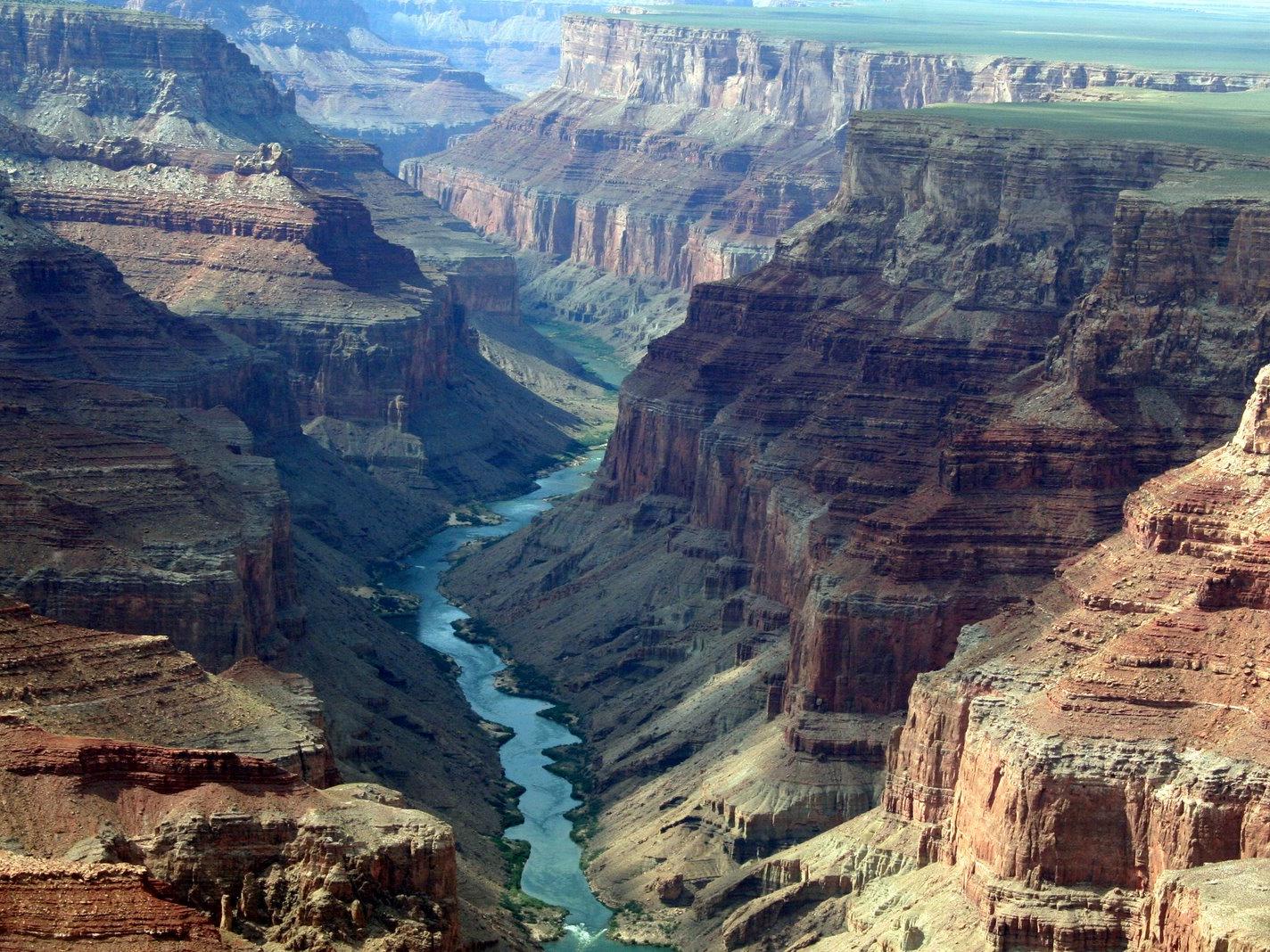
What is the major cause of weathering and erosion to form canyons?
a)
wind
b)
ice
c)
glaciers
d)
moving water
9.
What is the correct order of the processes?
a)
they all happen at the same time
b)
erosion, weathering, deposition
c)
weathering, erosion, deposition
d)
weathering, deposition, erosion
10.
What is the small broken down pieces of rock called?
a)
dirt
b)
grime
c)
sediment
d)
popcorn
11.
What is physical weathering?
a)
The process that breaks down rock
through dissolving rock and chemical
changes.
b)
Process by which rocks are broken down
into smaller pieces.
12.
Which landforms can be created by deposition?
a)
plateaus and mesas
b)
canyons and valleys
c)
prairies, plains
d)
sand dunes and deltas
13.
What is chemical weathering?
a)
The process that breaks down rock
through dissolving rock and chemical
changes.
b)
Process by which rocks are broken down
into smaller pieces.
14.
Water getting into cracks, freezing, and breaking the rocks or pavement apart is called?
a)
Weathering
b)
Erosion
c)
Deposition
15.
A mudslide flowing down a steep hill is called?
a)
Weathering
b)
Erosion
c)
Deposition
16.
The process of moving weathered rock and depositing it in another location is called?
a)
weathering
b)
erosion
c)
deposition
17.
How do plants weather rocks?
a)
during photosynthesis
b)
when roots grow into cracks of rocks and expand the rock
c)
when the plant moves water from the roots to the leaves
18.
All of these things cause rocks to wear and break down EXCEPT... ?
a)
Glaciers
b)
Wind blowing sand
c)
Solar Eclipse 
d)
Fast Moving water
19.
Which of the following is not a form of weathering? 
a)
Cows grazing in the fields
b)
Rocks rubbing against each other
c)
A tree roots growing through the concrete
d)
Snow and Ice breaking a rock
20.

A cliff formed near the ocean. Which statement best describes how this cliff formed?

a)

Warm air melted the rock.

b)

Sun rays evaporated the rock.

c)

Ocean waves washed away rock.

d)

Plant roots pushed away the rock.

21.

What is an enormous mass of ice moving over land, causing weathering of rock and soil?

a)

A glacier

b)

An iceberg

c)

An ice wedge

d)

A sand dune

22.

What is a force that works to pull material downslope?

a)

Gravity

b)

Water

c)

Climate

d)

Deposition

23.

What is the process of erosion when particles hit the surface of rocks or other materials?

a)

Deflation

b)

Abrasion

c)

Suspension

d)

Deposition

24.

The natural chemical or physical processes that breaks down rock on Earth's surface.

a)

Weathering

b)

Erosion

c)

Deposition

d)

Jackhammering

25.

The process by which water, ice, wind or gravity moves weathered rock and soil from one place to another.

a)

Weathering

b)

Erosion

c)

Deposition

d)

Dumptruck

26.

This type of weathering occurs when rock is physically broken down into smaller pieces of rock.

a)

Mechanical weathering

b)

Chemical weathering

c)

Erosion weathering

d)

Deposition

27.

This type of weathering occurs when the minerals in a rock are weakened due to chemical changes

a)

Mechanical weathering

b)

Chemical weathering

c)

Erosion weathering

d)

Deposition

28.

Moving water is a major agent of

a)

Erosion

b)

Weathering

c)

Deforestation

d)

Disease

29.
Waves erode the land by abrasion and deposition.
a)
True
b)
False
30.
When water mixes with carbon dioxide in the air, what solution is formed?
a)
Carbonic acid
b)
Calcite
c)
Calcium carbonate
31.
Waves dropping sand on the beach
a)
Weathering 
b)
Erosion
c)
Deposition
32.
What is the small broken down pieces of rock called?
a)
dirt
b)
grime
c)
sediment
d)
popcorn
33.

What is the weakest agent of erosion?

a)

Gravity

b)

Ice

c)

Wind

d)

Waves

34.

When sediment is dropped off in a new location.

a)

Weathering

b)

Erosion

c)

Deposition

d)

Abrasion

35.
________ is the setting down of sediment.
a)
weathering
b)
erosion
c)
deposition
d)
compaction
36.
Rocks that break down into smaller pieces is called ________________.
a)
weathering
b)
erosion
c)
deposition
d)
convection
37.
Valleys are created by what process?
a)
weathering
b)
erosion
c)
deposition
d)
cementation
38.
Sand dunes are created through what process?
a)
deposition by water
b)
deposition by ice (glaciers)
c)
deposition by wind
39.
What process creates deltas?
a)
Deposition by water
b)
Deposition by ice (glaciers)
c)
Deposition by wind
40.
What changes the mineral composition of rocks?
a)
erosion
b)
deposition
c)
physical weathering
d)
chemical weathering
41.
What is it called when sediment is moved from one place to another?
a)
weathering
b)
erosion
c)
deposition
d)
convection
42.
What process creates flood plains?
a)
erosion and deposition
b)
weathering and erosion
c)
weathering and deposition
43.

Erosion is...

a)

Breaking down rocks into sediments

b)

Moving sediments

c)

Formation of new landforms

d)

A type of ear infection

44.

Deposition is...

a)

Breaking down rocks into sediments

b)

Moving the sediments

c)

Dropping off of sediments/formation of a new landform

d)

Destroying landforms

45.

Which of these landforms would most likely be created by WIND deposition?

a)

A valley in Greenland (freezing cold climate)

b)

A cave above a coral reef

c)

Sand dunes

d)

Not here

46.

River currents cause rocks to bump and scrape against one another. What will this weathering cause?

a)

The rocks will get smaller.

b)

The rocks will get larger.

c)

The rocks' density will change.

d)

The rocks will become buoyant.

47.

Observe this canyon. This change to Earth's surface was most likely caused by...

a)

Erosion from wind

b)

Erosion from water

c)

Deposition from wind

d)

Deposition from water

48.

The grinding away of rock by rock particles carried by water, ice, wind, or gravity is called ________________.

a)

abrasion

b)

friction

c)

sanding

d)

chipping

49.

Pollution from fossil fuels reacts with water vapor and produces ______________.

a)

acid rain

b)

oxidation

c)

lichens

d)

rust

50.

This image shows ___________________ weathering.

a)

mechanical or physical

b)

chemical

51.

This image shows ___________________ weathering.

a)

mechanical or physical

b)

chemical

52.

This image shows ___________________ weathering.

a)

mechanical or physical

b)

chemical

53.

Carries away rock and sediment

a)

Weathering

b)

Erosion

c)

Deposition

54.

Deposits or drops off soil and sediment

a)

Weathering

b)

Erosion

c)

Deposition

55.

Breaks down the rock

a)

Weathering

b)

Erosion

c)

Deposition

56.

Waves dropping sand on the beach

a)

Weathering

b)

Erosion

c)

Deposition

57.

Flood waters moving soil from one location to another

a)

Weathering

b)

Erosion

c)

Deposition

58.

Flood water pounding against a canyon wall and wearing it down

a)

Weathering

b)

Erosion

c)

Deposition

59.

Water getting into cracks, freezing, and breaking the rocks or pavement apart

a)

Weathering

b)

Erosion

c)

Deposition

60.

What type of weather can cause weathering? Check all that apply.

a)

Rain

b)

Flood

c)

Heavy Wind

61.

What is an example of deposition? Check all that apply.

a)

River taking parts of the riverbank and putting it down river

b)

Plants breaking through rock

c)

Ice breaking open rocks

d)

Glaciers dropping rock and sand to form terminal moraines

62.

Weathering is...

a)

Breaking down of rocks into sediments

b)

Moving sediments

c)

Formation of new landforms

d)

Rain, sleet, or snow

63.

Knox drew this diagram in his science journal. What change to Earth's surface is he illustrating?

a)

Weathering from ice

b)

Weathering from wind

c)

Erosion from ice

d)

Erosion from water

64.

Processes that wear down Earth's surface

a)

constructive process

b)

destructive process

c)

sediment

65.

Processes that build up Earth's surface

a)

Constructive process

b)

Destructive Process

c)

Sediment

66.

Breaking down rock into Earth's soil

a)

erosion

b)

weathering

c)

deposition

67.

Process which weathered rock is picked up and moved

a)

deposition

b)

weathering

c)

erosion

68.

Dropping of material caused by water, wind, or glaciers

a)

erosion

b)

weathering

c)

deposition

69.

Breaking down of rocks without undergoing a chemical change

a)

mechanical weathering

b)

chemical weathering

70.

Uses chemicals to change the minerals that make up rock

a)

mechanical weathering

b)

chemical weathering

71.

Rock particles or other material deposited by water, wind, or glaciers

a)

mechanical weathering

b)

chemical weathering

c)

sediment

72.

An example of a chemical process is

a)

acid rain on a rock

b)

freezing rain breaking apart a rock

c)

roots breaking up a rock

73.

An example of a mechanical process is

a)

freezing rain breaking apart a rock

b)

acid rain on a rock

74.
When sand settles on the beach after waves dropped it there. This is an example of:
a)
Weathering 
b)
Erosion
c)
Deposition
d)
Dragging
75.
Which of these is the most powerful force of weathering and erosion?
a)
wind
b)
ice
c)
gravity
d)
moving water
76.
The process by which small pieces of rocks and soil are moved by natural forces is called...
a)
deposition
b)
erosion
c)
weathering
d)
faults
77.
The process of breaking up rocks on Earth's surface is called...
a)
sediment
b)
erosion
c)
weathering
d)
deposition 
78.
Acid rain causes the following type of weathering:
a)
physical
b)
mechanical
c)
chemical
d)
human
79.
What process is being modeled in this figure?
a)
erosion
b)
glaciers
c)
watering plants
d)
weathering
80.
Which of the following is an example of mechanical/physical weathering?
a)
Tree roots growing in cracks of rocks
b)
Chemicals in the air
c)
Acid rain
d)
Oxygen and Carbon Dioxide
81.
U-shaped valleys are created by which of the following weathering, erosion, and deposition processes?
a)
Wind
b)
Gravity
c)
Water
d)
Glaciers
82.
Sink holes are created by which of the following weathering, erosion, and deposition processes?
a)
Wind
b)
animals
c)
Water
d)
Ice
83.
Mushroom rocks can be created by which of the following weathering, erosion, and deposition processes?
a)
Wind
b)
Gravity
c)
Water
d)
Ice
84.

Which of the following is NOT a cause of physical weathering?

a)

Wind

b)

Water

c)

Acid

d)

Gravity

85.

What created the Grand Canyon?

a)

Earthquakes tore the land in half

b)

Floods Quickly Caused landslides

c)

Rain, wind and the river slowly carved into the rock and soil

d)

Large erupting volcanoes

86.

A delta is an example of

a)

Erosion

b)

Weathering

c)

Sediment

d)

Deposition

87.
MOVING small rocks to another place is 
a)
weathering
b)
erosion
c)
deposition
88.
Dropping off and Building new from pieces of rocks is 
a)
weathering
b)
erosion
c)
deposition
89.

What is weathering?

a)

Moving rocks

b)

dropping rocks in a new location

c)

Breaking up rocks

d)

I don't know

90.

Earth is always changing.

a)

True

b)

False

91.
Weathering and erosion are the same thing.
a)
True (yes)
b)
False (no)
92.
Water getting into cracks, freezing, and BREAKING  the rocks  is?
a)
Weathering
b)
Erosion
c)
Deposition
93.
Waves DROPPING sand on the beach is called?
a)
Weathering
b)
Erosion
c)
Deposition
94.
Wind BLOWING and MOVING sand is 
a)
Weathering
b)
Erosion
c)
Deposition
95.
Wind blows sand onto rocks and slowly breaks down the rock
a)
Mechanical Weathering
b)
Chemical Weathering
c)
Erosion
d)
Deposition
96.
A mudslide dumps a large pile of mud onto a road
a)
Mechanical Weathering
b)
Chemical Weathering
c)
Erosion
d)
Deposition
97.
Acid rain melts the features of a statue
a)
Mechanical Weathering
b)
Chemical Weathering
c)
Erosion
d)
Deposition
98.

Small, broken down pieces of rock are called

a)

sedimentary rock

b)

sediment

c)

smaller rocks

d)

crumbs

99.
Rain WASHING away and MOVING  soil from a hillside
a)
Weathering
b)
Erosion
c)
Deposition
100.

The process by which rock and soil are moved from one place to another is called-

a)

Chemical weatherin

b)

Erosion

c)

Mechanical weathering

d)

Deosition