
 Worksheets
Fall semester test review 2020-2021
Total questions: 80
Worksheet time: 1hrs 20mins

Bird B is correctly identified as a
Cormorant
Duck
Eagle
Jacana

What is a common feature of both the eagle and the kingfisher?
Claws large
Claws curved
Three toes webbed together
Four toes webbed together

Based on the dichotomous key, in what order should this insect be classified?
Mantodea
Raphidioptera
Coleoptera
Lepidoptera

Which characteristic could best be used to distinguish between birds B and C?
beak shape
beak length
stripe on head
shape of eye

Based on the dichotomous key,, which bird is Baird’s sparrow?
A
B
C
D

Modern horses developed their traits through natural selection. What occurs during the process of natural selection?
only the fittest organisms survive and reproduce
organisms choose mates from other species
breeders cross organisms with desirable traits.
organisms remain exactly the same over many generations.
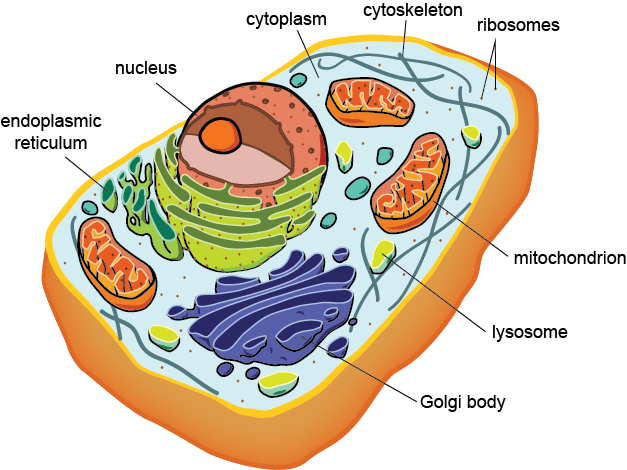
Controls what passes in and out of the nucleus
Cell Membrane
Vacuole
Ribosome
Lysosome

"Powerhouse of the cell" breaks down sugar molecules to release energy, site of cellular respiration, double membrane, self-replicating, contains own DNA, cristae
Mitochondria
Chloroplast
Cell Wall
Vesicle

During the Industrial Revolution, coal-burning factories produced black soot that covered the trees and killed the lichen in and near cities. In these areas the number of dark peppered moths increased, while the number of light peppered moths decreased. What contributed to this change?
The soot-covered trees camouflaged the dark moths.
The dark moths preyed on the light moths.
C Bird populations increased in the areas near the factories
The dark moths laid fewer eggs than the light moths.

Which of the following best explains why the beak shape of each species of bird developed differently?
Each beak shape helps the birds to produce different songs.
Each beak shape is an adaptation to a specific source of food.
Each beak shape is designed to construct a different type of nest
Each beak shape helps protect the birds from a different predator

How does the bulb help the survival of the tulip plant?
The bulb helps the plant absorb more water.
The bulb stores nutrients during harsh conditions
The bulb is the place where photosynthesis occurs
Bulbs do not aid in the survival of the tulip plant
Which statement best explains why many birds migrate to warmer climates in the spring.
To get away from seasonal predators.
To lay eggs and rear their young.
Because of overpopulation in winter grounds.
Both A and B
.Xylem is a plant tissue made up of elongated cells stacked end to end the length of the plant’s stem. Which function is xylem specifically adapted to perform in plants?
Help prevent water loss
Capture sunlight for photosynthesis
Exchange gases with the atmosphere
Transport water from roots to leaves
How do gills allow fish to survive in an aquatic environment? Gills
allow the fish to move in water
allow the fish to swim upside down
allow the fish to breathe
doesn't help the fish at all
Galapagos finches are birds that live on islands off the coast of South America. The finches on the various islands are very different from each other. As a result of the different food resources on the islands, which of the following structures of the Galapagos finches experienced the greatest change through natural selection?
head size
eye shape
feather color
beak shape
Which of the following describes selective breeding?
This is a genetic characteristic that allows an organism to survive and reproduce
It is the process where organisms best fit for the environment are more likely to survive and reproduce
It is a process by which humans take control of the breeding process to choose favorable traits to be passed on
It is a characteristic of some animals to enter a state of deep sleep during the winter months
A farmer wants to increase the amount of food produced by corn crops. If the farmer selectively breeds the plants, for which trait should the farmer select?
Taller stems
Deeper roots
Resistance to pesticides
More cobs on the plant
A mouse population develops an adaptation that results in white fur. They live in a forest with a population of hawks. Which of these statements is true?
The population of hawks will most likely increase.
The population of white mice will most likely decrease.
The population of white mice will most likely increase.
The population of white mice will most likely stay the same.

Which statement best communicates the purpose of humpback whale migration?
A
They migrate to decrease the thickness of their insulating fat and increase their muscle mass.
They migrate north in summer to avoid predators, and they return south in winter to avoid ice flows
They migrate to warm southern waters to mate and raise their young, and they migrate to Alaskan waters to feed.
They migrate to allow ocean ecosystems to restore their supplies of krill because whales consume so much food.


(also called artificial selection)


What is heredity?
The passing of traditions from parents to their children
A type of asexual reproduction.
The passing of traits from parents to offspring.
Another term for sexual reproduction.
Plants have cell walls, while animal cells only have cell membranes surrounding them. How do these two organelles differ?
Cell walls tend to be smaller than cell membranes
Cell walls tend to be more rigid than cell membranes
Cell walls tend to contain less cellulose than cell membranes
Cell walls tend to contain more lipids than cell membranes


How might this type of bones
help birds fly?
They keep the bird very light
It helps them to lift off.
They allow the bird to absorb more oxygen.
It gives them more energy to fly.


A planarian, shown below, is a flatworm. It reproduces sexually and can also regenerate from a severed body part. The planarian above has been cut in half. What can you infer about the new individuals produced?
they will be genetically identical to each other, but different from the parent
they will be genetically different from each other
they will be genetically different from the parent but identical to each other
they will be genetically identical to each other

Which statement best describes what is happening to the hydra
The hydra is reproducing asexually by budding a new hydra
The hydra is reproducing asexually by splitting in two
The hydra is reproducing sexually by grafting to another hydra
The hydra is reproducing sexually by releasing sex cells into the water
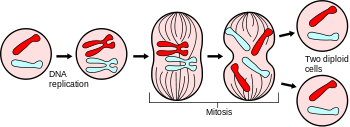
Which of the following BEST describes the purpose of the chromosomes in the nucleus of a cell?
to protect the cell from microorganisms
to transport nutrients into and out of the cell
to release energy by breaking down food molecules
to store the genetic instructions needed to specify traits


Which of the following shows the highest level of organization?
A
B
C
D

How does the bulb help the survival of the onion plant?
The bulb helps the plant absorb more water.
The bulb is the place where photosynthesis occurs.
The bulb stores nutrients during harsh conditions.
Bulbs do not aid in the survival of the tulip plant.
Which statement best describes the importance of sexual reproduction.
Sexual reproduction provides for the regeneration of body parts in some species.
Sexual reproduction produces variation among offspring.
Sexual reproduction produces offspring that are identical
Sexual reproduction occurs between individuals of the same species

A diagram of a plant cell is shown above. The function of the plant cell structure shown in the enlargement is to —
provide support for the cell
direct all the cell’s activities
use energy from sunlight to make sugar
regulate substances that enter and exit the cell
16. Organisms that reproduce sexually may have a greater chance of surviving than organisms that reproduce asexually when environmental changes occur because-
the offspring have the same genetic material as their parents
only one parent is necessary for reproduction
there is greater variation in traits among the offspring
the offspring have identical traits
What is one way in which offspring from asexual reproduction differ from offspring from sexual reproduction?
offspring from asexual reproduction can also reproduce, while offspring from sexual reproduction cannot reproduce
offspring from asexual reproduction cannot reproduce, while offspring from sexual reproduction can reproduce
offspring from asexual reproduction have chromosomes identical to the parent, while offspring from sexual reproduction have chromosomes that are not identical to either of the parents.
offspring from asexual reproduction have chromosomes that are not identical to those of the parent, while offspring from sexual reproduction have chromosomes that are identical to both parents.

The girl on the illustration has orange hair and blue eyes. Where in the cell is the information that coded for these traits?
on the chromosome in the cell membrane
on the chromosomes in the mitochondria
on the chromosomes in the nucleus
on the chromosomes in the chloroplasts
How do the functions of a vacuole and a nucleus differ?
a. A vacuole produces sugar, and a nucleus removes water.
b. A vacuole regulates cell contents, and a nucleus converts energy.
c. A vacuole turns nutrients into energy, and a nucleus complete the role of photosynthesis.
d. A vacuole stores water and nutrients and a nucleus contains genetic material.

The chart above describes two organelles. Use the chart to answer the question.
Organelle A is a cell wall. Organelle B is chloroplast.
Organelle A is chloroplast. Organelle B is a cell wall.
Organelle A is a cell wall. Organelle B is a cell membrane.
Organelle A is a cell membrane. Organelle B is a cell wall.

The hydra is a very small, simple animal that lives in water. Hydras reproduce asexually budding, a process in which a bud breaks off an adult hydra and floats away. Which of the following best describes a hydra bud?
A hydra bud contains genetic material from its two parents.
A hydra bud is genetically identical to the parent hydra
A hydra bud has different mutations than the parent hydra.
A hydra bud has half as much genetic material as the parent hydra.
A student wants to learn about inherited traits. Which part of the cell might she study to learn about inherited traits?
The cell membrane because it contains layers that hold genetic information.
The mitochondrion because it contains ribosomes that make proteins.
The vacuole because it contains genetic material.
The nucleus because it contains chromosomes that hold genetic information

This shark is light on its belly to be camouflaged from organisms looking up into the lighter water. It is dark on the top for organisms looking down into the water, it will blend with the darker ocean floor! These features would be best described as
external features
behavior
internal physiological structures
sexual reproduction

Xylem is a plant tissue made up of elongated cells stacked end to end the length of the plant’s stem. Which function is xylem specifically adapted to perform in plants?
Help prevent water loss
Exchange gases with the atmosphere
Transport water from roots to leaves
Capture sunlight for photosynthesis
Scientists can genetically alter corn so that it makes a protein that will harm a certain caterpillar that feeds on it. Which of the following could be an adaptation by the insect as a result of producing this type of corn?
the corn will have a better color
the corn will not reproduce
the insects will reproduce more quickly
the insects will become immune to the poison
A new kind of seed plant has been found on a remote island. This plant has larger, harder seeds than those found on the Galapagos Islands. Which of the following finch adaptations would be likely to arise on this new island?
A. larger beaks
B. smaller beaks
C. longer legs
D. shorter legs

A student uses this diagram to understand the parts of a fish. The student then uses an identification key to classify different types of fish. Based on the key, which of these fish is most likely a bluegill?


What level is marked X on the diagram?
Cell
Tissue
Organ
Organ System
Which statement is the best explanation why animals hibernate?
They are cold.
To hide from predators
To conserve energy and survive when food is not available.
To relax
Seeds are the major source of food for finches. A drought increases the number of
large seeds and decreases the number of small seeds available to the finches. During
periods of drought only the finches with large beaks will be able to crack and eat the
large seeds. How will this affect the finch population?
The populations of all the finches will decrease
Finches with large beaks will be able to eat and survive and thus produce offspring with larger beaks
Finches with small beaks will be able to eat and survive and thus produce offspring with smaller beaks
D
Finches with smaller beaks will find ways to eat the larger seeds and thus survive to produce more offspring with smaller beaks.
A population of termites initially consists of darkly colored and brightly colored members.
After several generations, the termite population consists almost entirely of darkly colored members because the brightly colored termites are easier for a predatory species of insectivores to locate. This situation is an
example of
the evolution of a new species.
natural selection.
artificial selection.
adaptation

A scorpion is an effective predator in its niche. What set of adaptations would help a scorpion catch and overcome its prey?
claws and tail with a stinger
exoskeleton and tail with a stinger
powerful legs, tail with a stinger, and exoskeleton
claws, powerful legs, and exoskeleton

Natural selection is responsible for changes in genetic traits that occur over several generations. An example can be seen in a type of bird called a finch that has the scientific name Geospiza fortis. This graph shows how the size of this bird increased over several generations. During the years shown on this graph, a drought occurred on the tropical island where these birds live. As a result, the seeds that these birds eat became harder and larger. What happened to the bird population in response to this change in the environment.
The birds became extinct because they could not break open the large, hard seed coverings.
The birds became larger, so they retained body heat better and didn’t need as much food.
The beaks of the birds became long and thin so they could feed on insects rather than seeds.
The birds became larger, because the bigger birds had bigger beaks to eat the bigger seeds.

