wayground logo

Free Printable Worksheets

Font size

S
M
L
XL
Worksheets

Layers of the Atmosphere

Total questions: 107

Worksheet time: 4hrs 50mins

Name
Class
Date
1.

78% of the Earth's atmosphere is ___________ and 21% of the Earth's atmosphere is _____________.

a)

Oxygen, Nitrogen

b)

Nitrogen, Oxygen

c)

Nitrogen, Carbon Dioxide

d)

Oxygen, Carbon Dioxide

2.

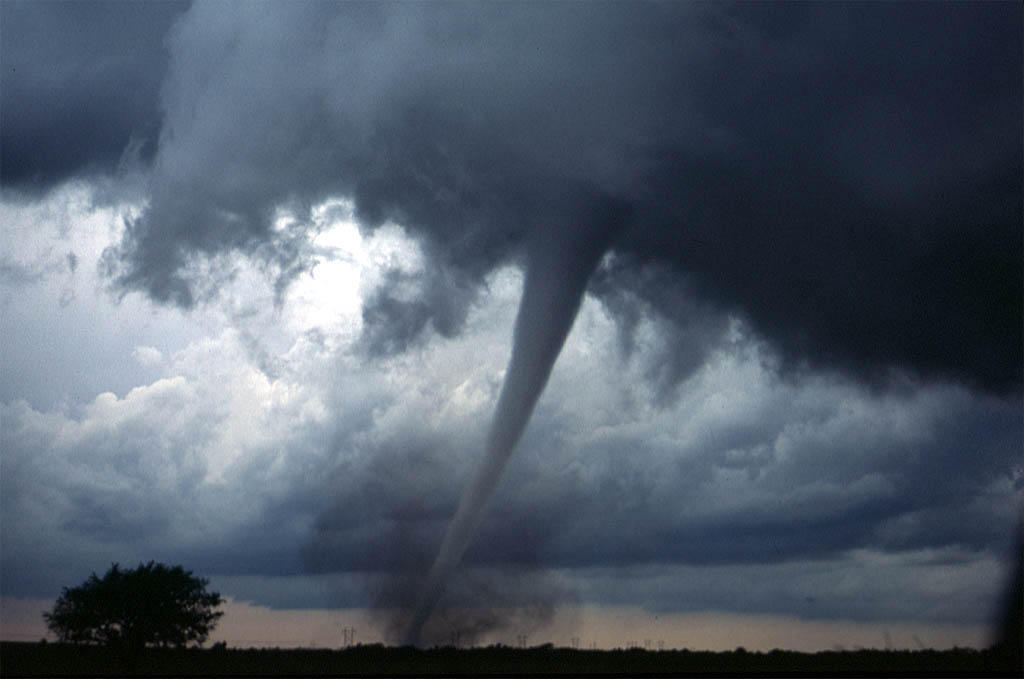
In what layer of the atmosphere do all weather events occur?

a)

Stratosphere

b)

Exosphere

c)

Mesosphere

d)

Troposphere

3.

In the troposphere, the temperature _____ as altitude increases.

a)

Increases

b)

Decreases

c)

Stays the same

d)

Goes up and down

4.

In the troposphere, the temperature _____ as altitude increases.

a)

Increases

b)

Decreases

c)

Stays the same

d)

Goes up and down

5.

As altitude increases, air pressure....

a)

Increases

b)

Decreases

c)

Stays the same

d)

Goes up and down

6.

The ozone layer is a sublayer of the ________ layer.

a)

Troposphere

b)

Stratosphere

c)

Exosphere

d)

Mesosphere

7.

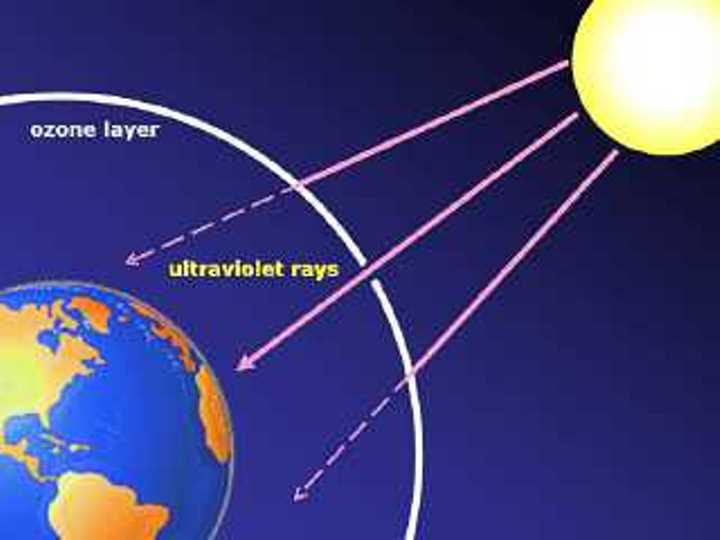
Why is the ozone layer vital to life on Earth?

a)

Planes fly in the ozone layer

b)

It is made up of oxygen (O2)

c)

It shields the Earth from ultraviolet (UV) rays from the sun

d)

It causes clouds to be created

8.

In which layer of the atmosphere do meteors burn up?

a)

Troposphere

b)

Mesosphere

c)

Thermosphere

d)

Exosphere

9.

This layer is the hottest layer of the atmosphere?

a)

Troposphere

b)

Stratosphere

c)

Mesosphere

d)

Thermosphere

10.

This layer is the outermost layer of the atmosphere. Satellites orbit the atmosphere in this layer.

a)

Exosphere

b)

Mesosphere

c)

Thermosphere

d)

Ozone Layer

11.

What is the order of the layers of the atmosphere, starting with the layer closest to Earth's surface?

a)

Stratosphere, Troposphere, Exosphere, Mesosphere, Thermosphere

b)

Troposphere, Stratosphere, Mesosphere, Thermosphere, Exosphere

c)

Troposphere, Stratosphere, Mesosphere, Exosphere, Thermosphere

d)

Troposphere, Stratosphere, Thermosphere, Exosphere, Mesosphere

12.

What layer of the atmosphere has the highest air pressure?

a)

Troposphere

b)

Stratosphere

c)

Exosphere

d)

Mesosphere

13.

What layer of the atmosphere has the lowest air pressure?

a)

Troposphere

b)

Stratosphere

c)

Exosphere

d)

Mesosphere

14.

Which explanation correctly describes the greenhouse effect?

a)

The process of the atmosphere keeping the Earth's surface dense

b)

The process of the atmosphere trapping the sun's radiation, and making the Earth warm and livable for humans

c)

The process of the atmosphere keep us from floating into space

d)

The process of the atmosphere reflecting all of the Sun's heat back into space

15.

Which atmospheric layer is the Aurora Borealis located in?

a)

Troposphere

b)

Mesosphere

c)

Exosphere

d)

Thermosphere

16.

As altitude increases, density.....

a)

Increases

b)

Decreases

c)

Stays the same

d)

Goes up and down

17.

Which atmospheric layer is the Aurora Borealis located in?

a)

Troposphere

b)

Mesosphere

c)

Exosphere

d)

Thermosphere

18.

Contains the Ozone Layer.

a)

Troposphere

b)

Stratosphere

c)

Mesosphere

d)

Thermosphere

e)

All of the above.

19.

Where ALL weather takes place.

a)

Troposphere

b)

Stratosphere

c)

Mesosphere

d)

Thermosphere

e)

All of the above.

20.

Located CLOSEST to Earth's surface.

a)

Troposphere

b)

Stratosphere

c)

Mesosphere

d)

Thermosphere

e)

All of the above.

21.

Where most water vapor is found.

a)

Troposphere

b)

Stratosphere

c)

Mesosphere

d)

Thermosphere

e)

All of the above.

22.

Meteors burn up in this layer.

a)

Troposphere

b)

Stratosphere

c)

Mesosphere

d)

Thermosphere

e)

All of the above.

23.

Coldest layer.

a)

Troposphere

b)

Stratosphere

c)

Mesosphere

d)

Thermosphere

e)

All of the above.

24.

Auroras and Northern Lights occur here.

a)

Troposphere

b)

Stratosphere

c)

Mesosphere

d)

Thermosphere

e)

All of the above.

25.

Eventually fades into space.

a)

Troposphere

b)

Stratosphere

c)

Mesosphere

d)

Thermosphere

e)

All of the above.

26.

Air pressure decreases as altitude increases.

a)

Troposphere

b)

Stratosphere

c)

Mesosphere

d)

Thermosphere

e)

All of the above.

27.

Temperature increases with altitude (height). PICK TWO.

a)

Troposphere

b)

Stratosphere

c)

Mesosphere

d)

Thermosphere

e)

All of the above.

28.

Temperature decreases with altitude (height). PICK TWO.

a)

Troposphere

b)

Stratosphere

c)

Mesosphere

d)

Thermosphere

e)

All of the above.

29.

Which layer is the Stratosphere?

a)

1

b)

2

c)

3

d)

4

30.

Which layer is the Thermosphere?

a)

1

b)

2

c)

3

d)

4

31.

Which layer is the Mesoposphere?

a)

1

b)

2

c)

3

d)

4

32.

Which layer has the greatest pressure where the air is most dense?

a)

Thermosphere

b)

Mesosphere

c)

Stratosphere

d)

Troposphere

33.

Which layer is home to the Jet Stream?

a)

Thermosphere

b)

Mesosphere

c)

Stratosphere

d)

Troposphere

34.

Which layer do the aurora (northern and southern lights) happen in?

a)

Thermosphere

b)

Mesosphere

c)

Stratosphere

d)

Troposphere

35.

Which layer does our weather occur in?

a)

Thermosphere

b)

Mesosphere

c)

Stratosphere

d)

Troposphere

36.

What characteristic of the atmosphere is used to divide the atmosphere into layers?

a)

Electric potential

b)

Air Pressure

c)

Air Temperature

d)

Air Composition

37.

As one increases elevation through the ENTIRE atmosphere what characteristic of the atmosphere steadily decreases?

a)

Electric potential

b)

Air Pressure

c)

Air Temperature

d)

Air Composition

38.

As one increases elevation through the ENTIRE atmosphere what characteristic of the atmosphere steadily decreases?

a)

Electric potential

b)

Air Pressure

c)

Air Temperature

d)

Air Composition

39.
We live in the __________________layer, a level of the atmosphere.
a)
Troposphere
b)
Stratosphere
c)
Mesosphere
d)
Exosphere
40.
What absorbs ultraviolet rays in the atmosphere?
a)
troposphere
b)
stratosphere
c)
ozone layer
d)
greenhouse gases
41.
The coldest layer.
a)
troposphere
b)
thermosphere
c)
exosphere
d)
mesosphere
42.
The hottest layer.
a)
troposphere
b)
thermosphere
c)
exosphere
d)
mesosphere
43.

What are the two most common gases in the atmosphere?

a)

Nitrogen and oxygen

b)

Oxygen and carbon dioxide

c)

Carbon Dioxide and methane

d)

Nitrogen and carbon dioxide

44.
What does the earth's atmosphere do?
a)
help to regulate the temperature on Earth
b)
Help UV rays to reach the Earth's surface
c)
Creates meteors in the sky
d)
Keep ocean waters cold
45.
Which statement is true?
a)
The troposphere has the highest temperature because of the distance from the Sun
b)
The troposphere has the highest pressure because gravity keeps the air down.
c)
The exosphere has the highest temperature because of the distance from the Sun
d)
The exosphere has the highest pressure because gravity keeps the air down.
46.
Which of these layers is farthest from Earth?
a)
thermosphere
b)
stratosphere
c)
mesosphere
d)
exosphere
47.
Why are some layers warmer than others?
a)
they get hotter the higher up you go
b)
some layers contain gases that can absorb the sun's energy
c)
some layers closer to the sun are hotter
d)
there is no wind in the upper atmosphere
48.
Without the Greenhouse Effect the Earth would be
a)
warm 
b)
cold
c)
dead
49.
What is the greenhouse effect?
a)
The warming of a planet due to trapped radiation.
b)
The cooling of Earth due to air pollution.
c)
The heating of a solid, such as a rock.
50.
As you go higher in the troposphere, the temperature _______________.
a)
decreases
b)
increases
c)
stays the same
51.
As you go higher in the thermosphere, the temperature _______________.
a)
decreases
b)
increases
c)
stays the same
52.
Where weather and clouds occurs.
a)
stratosphere
b)
thermosphere
c)
troposphere
d)
mesosphere
53.
Where you will find the ozone layer.
a)
stratosphere
b)
thermosphere
c)
exosphere
d)
mesosphere
54.

Which layer of the atmosphere contains the highest percentage of water vapor?

a)

exosphere

b)

mesosphere

c)

troposphere

d)

stratosphere

55.
In which layer of the atmosphere does weather occur?
a)
Mesosphere
b)
Thermosphere
c)
Stratosphere
d)
Troposphere
56.
Where would you find the ozone layer?
a)
stratosphere
b)
thermosphere
c)
exosphere
d)
mesosphere
57.
Which layer is the outermost layer?
a)
troposphere
b)
thermosphere
c)
exosphere
d)
mesosphere
58.
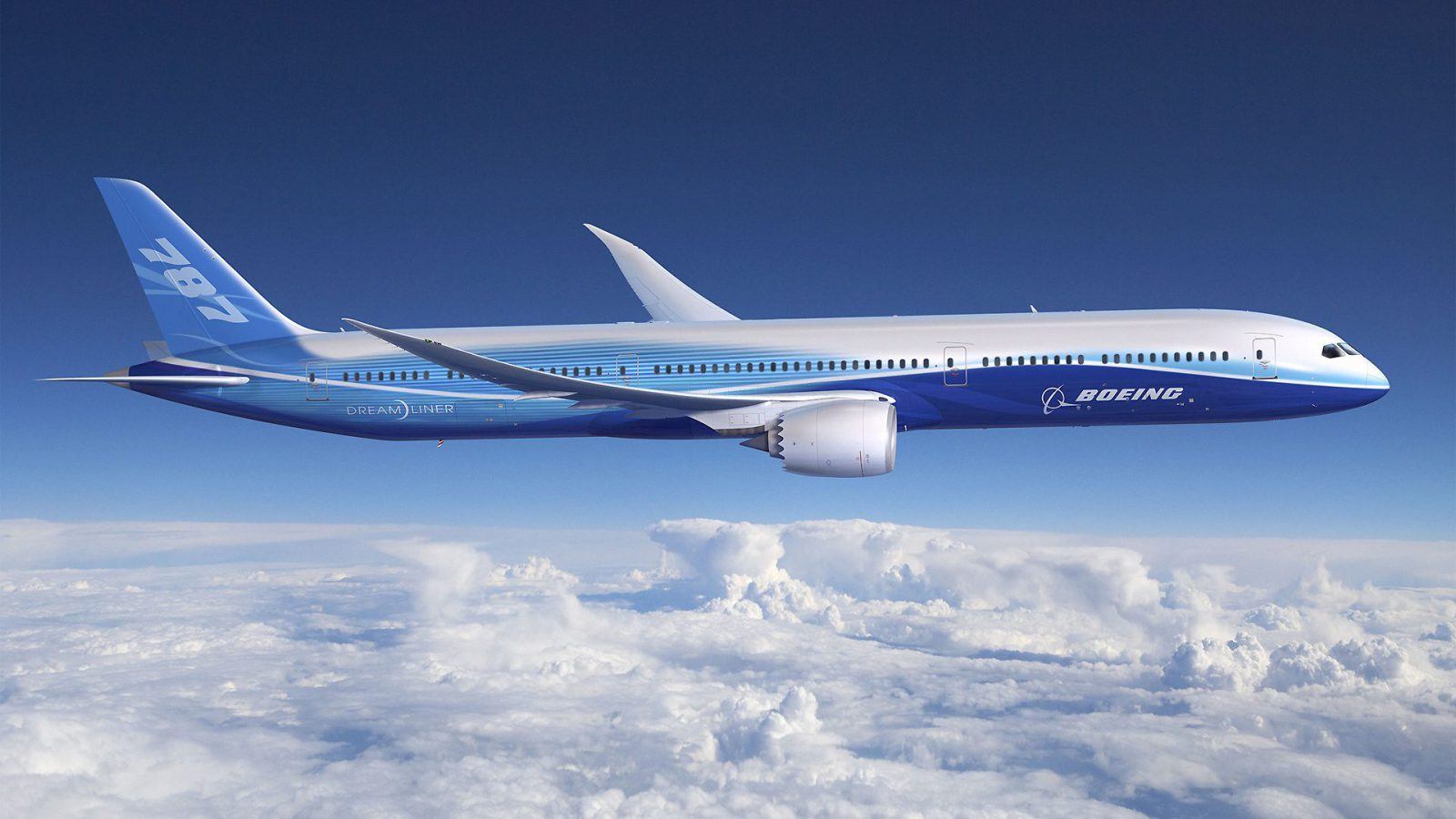
This is the layer where most commercial jet airliners fly.
a)
Troposphere
b)
Stratosphere
c)
Mesosphere
d)
Thermosphere
59.
Temperature decreases as altitude increases in the Troposphere.
a)
True
b)
False
60.
This is the layer where meteors, or shooting stars, burn up.
a)
Troposphere
b)
Stratosphere
c)
Mesosphere
d)
Thermosphere
61.
What does the earth's atmosphere do?
a)
Helps to regulate the temperature on Earth
b)
Helps UV rays to reach the Earth's surface
c)
Creates meteors in the sky
d)
Keeps ocean waters cold
62.
The auroras happen when solar winds interact with ions in what layer of the atmosphere
a)
troposphere
b)
stratosphere
c)
ionosphere
d)
ozonosphere
63.
Where you will find the ozone layer.
a)
stratosphere
b)
thermosphere
c)
exosphere
d)
mesosphere
64.
Where weather occurs.
a)
stratosphere
b)
thermosphere
c)
troposphere
d)
mesosphere
65.
Where we live.
a)
stratosphere
b)
thermosphere
c)
troposphere
d)
mesosphere
66.
The two most common gases in the atmosphere.
a)
Nitrogen and Oxygen
b)
Oxygen and trace gases
c)
Carbon Dioxide and Nitrogen
d)
Nitrogen and trace gases
67.
What is the function of the ozone layer?
a)
to allow UV rays to get to Earth
b)
to block UV rays from getting to Earth
c)
To keep oxygen in
d)
to allow meteors to get to Earth
68.
The hottest layer.
a)
troposphere
b)
thermosphere
c)
exosphere
d)
mesosphere
69.
This is the layer where meteors, or shooting stars, burn up.
a)
Troposphere
b)
Stratosphere
c)
Mesosphere
d)
Thermosphere
70.
The higher you go, the air becomes _____ _____.
a)
More dense
b)
Less dense 
71.
The layers of the atmosphere are separated according to this change. 
a)
Altitude 
b)
Elevation
c)
Temperature
d)
Distance from the sun
72.
The coldest layer.
a)
troposphere
b)
thermosphere
c)
exosphere
d)
mesosphere
73.
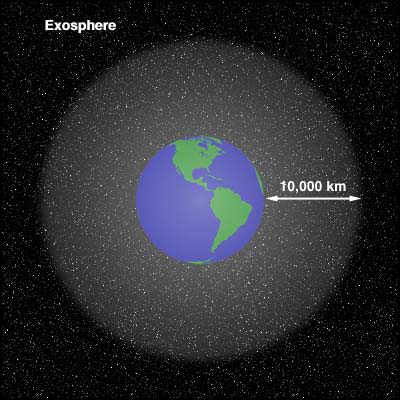
The Earth's atmosphere is up to 10,000 km high.
The troposphere extends from...
a)
the Earth's surface to up to 6-20 km high
b)
the Earth's surface to up to 690 km high
c)
the Earth's surface to up to 85 km high 
d)
the Earth's surface to 10,000 km high
74.
Satellites orbit this layer of the atmosphere.
a)
Stratosphere
b)
Exosphere
c)
Thermosphere
d)
Troposphere 
75.
Two gases that make up 99% of Earth's atmosphere
a)
carbon dioxide & oxygen
b)
nitrogen & carbon dioxide
c)
nitrogen & oxygen
d)
nitrogen & water vapor
76.
Layer of Earth's atmosphere where most of the water vapor and carbon dioxide is found
a)
thermosphere
b)
mesosphere
c)
stratosphere
d)
troposphere
77.
Layer of Earth's atmosphere where weather occurs
a)
thermosphere
b)
mesosphere
c)
stratosphere
d)
troposphere
78.
Uppermost layer of Earth's atmosphere
a)
thermosphere
b)
mesosphere
c)
stratosphere
d)
troposphere
79.
This gas makes up 21% of the atmosphere
a)
ozone
b)
oxygen
c)
nitrogen
d)
water vapor
80.
What layer is the Ozone in?
a)
Ozone Layer
b)
Startosphere
c)
Troposphere
d)
It's not in one, it has its own
81.
The _____ protects us from the harmful UV rays of the sun.
a)
Troposphere
b)
Ozone Layer
c)
Exosphere
d)
Stratosphere
82.
The force of a column of air pressing down is called what?
a)
Air Mass
b)
Air Pressure
c)
Air
d)
Heavy
83.
Considered to be a part of the thermosphere.
a)
ionosphere
b)
thermosphere
c)
troposphere
d)
mesosphere
84.
Where you will find Aurora Borealis (Northern Lights)
a)
troposphere
b)
ionsophere
c)
exosphere
d)
mesosphere
85.
Which order is correct from the earth to space (bottom to top)?
a)
thermosphere
 troposphere
 exosphere
mesosphere
stratosphere
 ionosphere
b)
thermosphere
 troposphere
 stratosphere
 exosphere
mesosphere
 ionosphere
c)
exosphere
ionosphere
thermosphere
mesosphere
 stratosphere
troposphere
d)
troposphere
thermosphere
 troposphere
 stratosphere
 exosphere
mesosphere
86.
What happens to the air pressure the higher up in space you go?
a)
the air pressure increases
b)
the air pressure decreases
c)
the air pressure stays the same
d)
there is no air pressure
87.
As you go higher in the troposphere, the temperature _______________.
a)
decreases
b)
increases
c)
stays the same
d)
gets very hot
88.
Which layer has the highest pressure?
a)
thermosphere
b)
stratosphere
c)
troposphere
d)
ionosphere
89.
This gas makes up 21% of the atmosphere
a)
ozone
b)
oxygen
c)
nitrogen
d)
water vapor
90.
This layer of the atmosphere contains most of the ozone.
a)
troposphere
b)
thermosphere
c)
mesosphere
d)
stratosphere
91.
This gas makes up 78% of the atmosphere
a)
oxygen
b)
nitrogen
c)
ozone
d)
carbon dioxide
92.
Layer of the atmosphere most important to a meteorologist:
a)
troposphere
b)
stratosphere
c)
mesosphere
d)
thermosphere
93.
Layer of the atmosphere where the ozone layer is located:
a)
troposphere
b)
stratosphere
c)
mesosphere
d)
thermosphere
94.
Layer of the atmosphere furthest from Earth's surface:
a)
troposphere
b)
exosphere
c)
mesosphere
d)
stratosphere
95.
What gas is the Ozone Layer made from? 
a)
water vapor
b)
carbon dioxide
c)
oxygen
d)
argon
96.
Which layer of the atmosphere has the greatest amount of air pressure?
a)
troposphere
b)
stratosphere
c)
mesosphere
d)
exosphere
97.
Which two gases are important for weather conditions; found in the Troposphere?
a)
nitrogen and oxygen
b)
carbon dioxide and water vapor
c)
argon and nitrogen
d)
argon and water vapor
98.
As altitude increases in the Troposphere, what happens to the air temperature?
a)
air temperature increases
b)
temperature decreases
c)
temperature fluctuates
d)
temperature rises
99.

What is an important role of the Ozone Layer?

a)

It protects the mesosphere from the Sun's harmful rays.

b)

It protects the troposphere from the Sun's harmful rays.

c)

It prevents floods, hurricanes, and other storms.

d)

It prevents the thermosphere from becoming too warm.

100.

According to this graph, which two layers are warmer at lower altitude and get steadily colder as altitude increases?

a)

Troposphere and Mesosphere

b)

Stratosphere and Thermosphere

c)

Mesosphere and Thermosphere

d)

Troposphere and Stratosphere

101.

Where do meteors and shooting stars burn up?

a)

thermosphere

b)

troposphere

c)

exosphere

d)

mesosphere

102.
Our _________ is the layer of gases that surrounds our planet.
a)
ocean
b)
weather
c)
atmosphere
d)
ozone
103.
In which layer of the atmosphere do we live and weather occurs?
a)
stratosphere
b)
thermosphere
c)
mesosphere
d)
troposphere
104.
What percentage of our atmosphere is made of oxygen? 
a)
1%
b)
21%
c)
78%
d)
25%
105.
Where is the ozone layer, which absorbs UV radiation, located in our atmosphere?
a)
stratosphere
b)
thermosphere
c)
mesosphere
d)
troposphere
106.
Which layer of our atmosphere has no outer limits? (Hint: where satellites are located)
a)
ionosphere
b)
stratosphere
c)
thermosphere
d)
exosphere
107.

Where would there be more pressure?

a)

on top of a roof of a tall building

b)

sitting in this classroom

c)

on top of a mountian

d)

sitting in the top row of a stadium