Wayground logo

Free Printable Worksheets

Font size

S
M
L
XL
Worksheets

ecology

Total questions: 75

Worksheet time: 1hrs 10mins

Name
Class
Date
1.
An individual belonging to a specific species
a)
Biotic
b)
Community
c)
Organism
d)
Reptile
2.
All of the living and nonliving things in an area that interact with each other are called a/an ______.
a)
community
b)
habitat
c)
population
d)
ecosystem
3.
An area where an organism finds food, shelter and water in a specific arrangement
a)
niche
b)
biosphere
c)
biome
d)
habitat
4.
The living part of an ecosystem
a)
Biotic
b)
Abiotic
c)
Mother Earth
d)
Flowers
5.
The non-living part of an ecosystem
a)
Ocean
b)
Lava Flow
c)
Birds
d)
Abiotic
6.
The study of how living things interact with one another and with their environment.
a)
Biology
b)
Lithology
c)
Ecology
d)
Farmacology
7.
Organisms that look similar and can produce fertile offspring
a)
Species
b)
Fish
c)
Community
d)
Trees
8.
Two or more members of a particular species living and interacting in the same area
a)
Community
b)
Population
c)
Organisms
d)
Biosphere
9.
Different populations living and interacting with each other in the same area
a)
Biome
b)
Ecosystem
c)
Community
d)
Niche
10.
The area between the highest mountain and the deepest ocean where life can be found
a)
Biosphere
b)
Biome
c)
Farm
d)
Ecosystem
11.
Which one is NOT an example of a decomposer?
a)
mushroom
b)
leaves
c)
mold
d)
worm
12.
Examples of a producer
a)
frog
b)
algae
c)
worm
d)
mouse
13.
Example of a decomposer
a)
fungus
b)
mouse
c)
plants
d)
frogs
14.
A tree is a ....
a)
composer
b)
decomposer
c)
producer
15.
What is a producer?
a)
an organism that gets energy from eating other organisms
b)
an organisms that uses sunlight to make its own food
c)
an organism that gets energy from eating dead organisms, non-living material or waste
d)
an organism that uses chemical energy to make its own food
16.
What is a herbivore?
a)
an animal that gets energy from eating other animals
b)
an organism that gets energy from eating only plants
c)
an animal that gets energy by eating both plants and other animals
d)
an animal that eats only herbs
17.
What is a carnivore?
a)
an animal that gets energy by eating other animals
b)
An animal that gets energy by eating only plants
c)
an animal that gets energy by eating both plants and animals
d)
an animal that makes its own energy through photosynthesis
18.
An animal that gets energy from eating both plants and animals is a 
a)
herbivore
b)
carnivore
c)
omnivore
d)
autotroph
19.
The shrew provides energy for the _______?
a)
cricket
b)
grasshopper
c)
frog
d)
snake
20.
Which of the following is a herbivore?
a)
cricket
b)
frog
c)
hawk
d)
shrew
21.
Where do all life forms get their energy?
a)
Earth's Core
b)
Water
c)
Plants
d)
The Sun
22.
What is this called?
a)
Food Web
b)
Food Chain
c)
Abiotic Factors
23.
What is this called?
a)
Food Web
b)
Food Chain
c)
Abiotic Factors
24.
A producer is a (n) ______________.
a)
heterotroph
b)
omnitroph
c)
autotroph
d)
oscartroph
25.
All food chains begin with a ____________.
a)
primary consumer
b)
secondary consumer
c)
producers
d)
scavengers
26.
Which best describes what a food chain shows you?
a)
Energy flow through an ecosystem
b)
Food flowing through an ecosystem
c)
Consumers going into other consumers
d)
Who eats who
27.
Another name for a consumer is a
a)
heterotroph
b)
autotroph
c)
producer
d)
plant
28.
The image provided is an example of a:
a)
Producer
b)
Heterotroph
c)
Consumer
d)
Decomposer
29.
What does biotic mean?
a)
Living
b)
Non living
c)
Man made
30.
How is water an important abiotic factor?
a)
You drink it and hydrate
b)
Animals live in it
c)
Plants need it to grow
d)
Allows you to carry out life proecess
31.
Which of the following is not an example of an ecosystem?
a)
Jungle
b)
Pond
c)
Your yard
d)
Desert
32.
Which of the following is biotic?
a)
Fire
b)
Bacteria
c)
Planet
d)
Soil
33.

Which of the following is abiotic?

a)

Shell

b)

Fish

c)

Flower

d)

A hat

34.

What is the correct order for this food chain?

a)

Owl, Mouse, Grasshopper, Grass

b)

Grass, Mouse, Owl, Grasshopper

c)

Grass, Owl, Grasshopper, Mouse

d)

Grass, Grasshopper, Mouse, Owl

35.

Which of these organisms is the secondary consumer?

a)

Owl

b)

Mouse

c)

Grass

d)

Grasshopper

36.

Place the levels of environment in the correct order.

a)

biome, biosphere, population, organism, ecosystem,community

b)

organism, ecosystem, biosphere, population, community, biome

c)

organism, population, community, ecosystem, biome, biosphere

d)

population, community, organism, biome, ecosystem, biosphere

37.

What is the hawk in the food web?

a)

Producer

b)

Primary consumer

c)

Secondary consumer

d)

Tertiary consumer

38.

Which of these is an aquatic biome?

a)

Savanna

b)

Tropical Rainforest

c)

Marine

d)

Tundra

39.

How much energy is transferred between trophic levels?

a)

25%

b)

20%

c)

10%

d)

90%

40.

Volcano erupting would be an example of what type of succession?

a)

Primary

b)

Secondary

c)

Tertiary

41.

What was NOT a part of the water cycle?

a)

Condensation

b)

Precipitation

c)

Decompostition

d)

Evaporation

42.

Which compound does NOT contain carbon atoms?

a)

carbon dioxide

b)

ammonium

c)

calcium carbonate

d)

methane

43.
When humans burn fossil fuels, most of the carbon quickly enters the                       as carbon dioxide.
a)
Water
b)
Atmosphere
c)
Sun
d)
Air
44.
Which one of these does not add CO2 to the atmosphere?
a)
cooking with gas
b)
planting trees
c)
burning wood
d)
riding in a bus
45.
What does not produce carbon dioxide?
a)
Photosynthesis
b)
Burning Fossil Fuels
c)
Animal respiration
d)
Plants decaying
46.
In the carbon cycle, producers take in the gas __
a)
carbon dioxide
b)
oxygen
c)
nitrogen
d)
carbon monoxide
47.

What is the original, and primary reservoir of inorganic phosphate (PO43-)in terrestrial ecosystems?

a)

live plants and animals

b)

groundwater

c)

the atmosphere

d)

rocks

48.

Inorganic phosphate (PO43-) is added to the soil by which three processes?

a)

uplift; sedimentation; consumption

b)

live plants; animal decomposition; bacterial fixation

c)

precipitation; runoff; weathering of rock

d)

animal excretion; decomposition; weathering of rock

49.

Nitrogen and carbon are cycled on a global scale. Why does phosphorus cycling tend to occur more locally?

a)

it primarily involves the weather of rocks, which are mostly stationary

b)

it only involves land animals that cannot swim across oceans to transport the nutrient

c)

it occurs in areas where cloud formation is low, so it rarely gets trapped in water vapors

d)

all of the answers are correct

50.

The phosphorus cycle occurs much more quickly than the carbon and nitrogen cycles.

a)

true

b)

false

51.

What converts nitrogen gas into a usable form for plants and animals?

a)

bacteria

b)

rain

c)

fungi

d)

car exhaust

52.

The process in which nitrogen circulates and is recycled is called

a)

The nitrogen cycle

b)

The carbon cycle

c)

The water cycle

d)

The phosphorus cycle

53.

Organisms that need nitrogen to survive.

a)

only plants

b)

only animals

c)

only bacteria

d)

all living things

54.

How is nitrogen "fixed" into a usable form for plants?

a)

Through action of bacteria only

b)

Through lightning only

c)

Through action of bacteria and lightning

d)

Through photosynthesis

55.

How do animals get the nitrogen they need?

a)

From the air they breathe

b)

From the water they drink

c)

From the food they eat

d)

From the sun

56.

Gas that makes up 78% of our atmosphere.

a)

Oxygen

b)

Nitrogen

c)

Hydrogen

d)

Carbon Dioxide

57.

What is the process of combining nitrogen gas with other elements to make nitrogen into usable compounds?

a)

nitrogen composition

b)

nitrogen fixation

c)

ammonia

d)

denitrification

58.
succession that occurs in an area with no soil
a)
ecological succession 
b)
primary succession 
c)
secondary succession
d)
pioneer speciles
59.
succession that occurs in an area where soil is already present
a)
ecological succession 
b)
primary succession 
c)
secondary succession
d)
pioneer speciles
60.
the first organisms that appear in an ecological community
a)
ecological succession 
b)
primary succession 
c)
secondary succession
d)
pioneer speciles
61.
a stable ecological community that has reached equilibrium
a)
ecological succession 
b)
climax community
c)
secondary succession
d)
pioneer speciles
62.
starts with bare rock followed by lichen
a)
primary succession 
b)
secondary succession
c)
both types of succession
63.
How do lichens contribute to primary succession?
a)
Lichens decompose organic matter from animals and plants
b)
Lichens begin to break down rock to form soil
c)
Lichens are nitrogen fixing bacteria
64.
Natural disasters such as flooding and tornadoes are linked to ________________.
a)
primary
b)
secondary
c)
old field
d)
ecosystem
65.

Which of the following best describes primary succession?

a)

Volcano wipes out ecosystem that gradually grows back from ash covered soil

b)

Volcano creates a new island of rock that must break down to form an ecosystem

c)

Forest fire burns down forest that must bounce back over time

d)

Tornado destroys a crop that must slowly grow back over time.

66.
Cattle egrets forage (feed) in fields among cattle. The egret gets easy access to flying insects stirred up by the cattle, and the cattle don't care if they are there or not.
a)
mutualism
b)
commensalism
c)
competition
d)
parasitism
67.
A relationship between two organisms in which one organism benefits and the other is unharmed...
a)
Mutualism 
b)
Competition
c)
Parasitsm 
d)
Commensalism 
68.

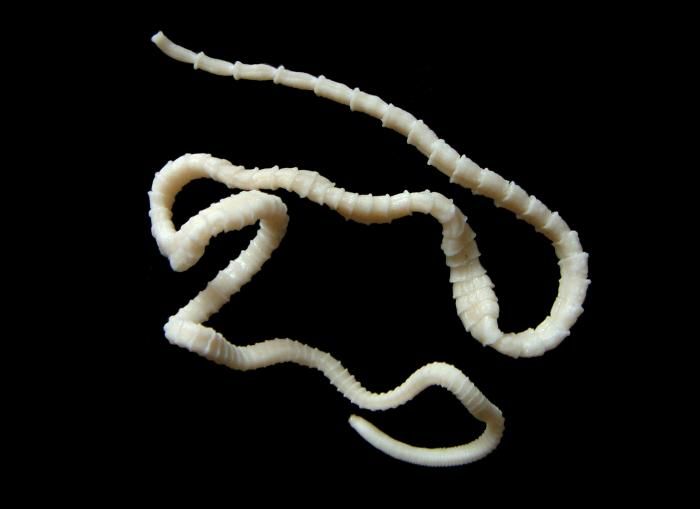
A tapeworm lives in the intestine of a cat absorbing nutrients through its skin. A tapeworm and a cat have this type of relationship.

a)

mutualism

b)

parasitism

c)

commensalism

d)

competition

69.
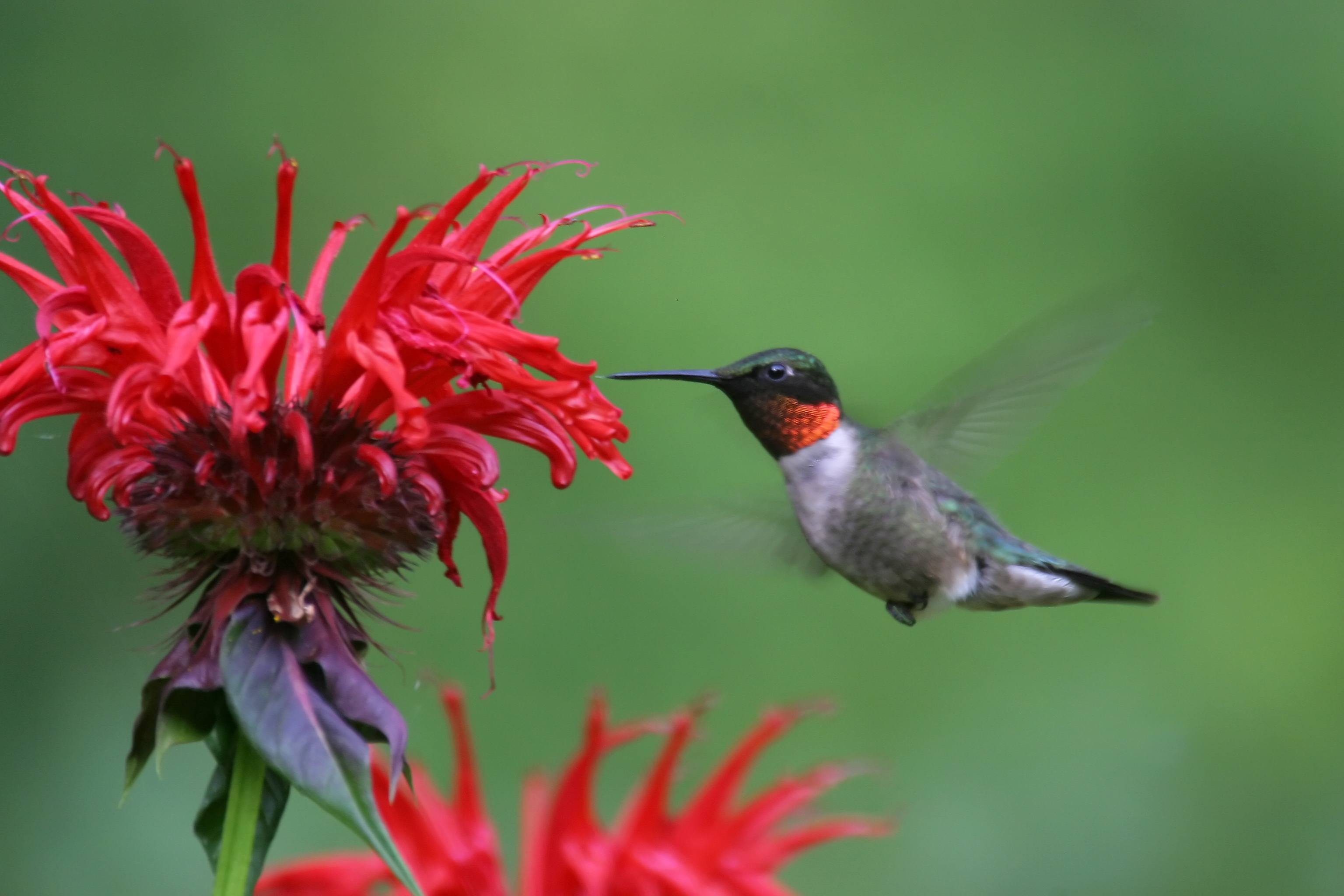
What type of symbiosis?  Hummingbirds feed on nectar from flowers.  The flowers are pollinated by hummingbirds as they move from flower to flower.
a)
commensalism
b)
mutualism
c)
parasitism
d)
predation
70.
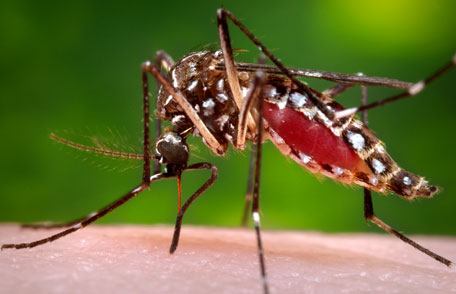
When a mosquito bites you, you are the __________ and the mosquito is the  ____________.
a)
host, hostess
b)
parasite, host
c)
host, parasite
d)
prey, predator
71.

Clown fish live among anemones, acting as a lure for the sea anemone's prey. The clown fish get protection and shelter from the anemone. This is an example of which type of symbiosis?

a)

Commensalism

b)

Mutualism

c)

Parasitism

72.
Which of he following interactions demonstrates a PARASITIC relationship?
a)
A mosquito sucking blood from a warm blooded animal.
b)
A group of baby otters floating together to help warm each other in the cold waters.
c)
Many fish swimming together to protect each other from predators.
d)
Two hyenas fighting over a female to mate with.
73.
A squirrel hides his acorns from the chipmunks for the winter.
a)
commensalism
b)
parasitism
c)
competition
d)
mutualism
74.
A bear eats fish out of the river
a)
mutualism
b)
parasitism
c)
predator / prey
75.
In this Food Web Pyramid Which type of consumer gets only 10% of the energy stored in plants?
a)
Herbivore
b)
Carnivore
c)
Omnivore
d)
Secondary Consumer