Worksheets
Functional Anatomy Year 12
Total questions: 66
Worksheet time: 53mins


The upper respiratory system is composed of these divisions:
Nasal cavity
Larynx
Pharynx
Bronchioles
Which answer is true?
Increase in volume= increase in pressure
decrease in volume= increase in pressure
decrease in volume= decrease in pressure
Increase in volume= decrease in pressure
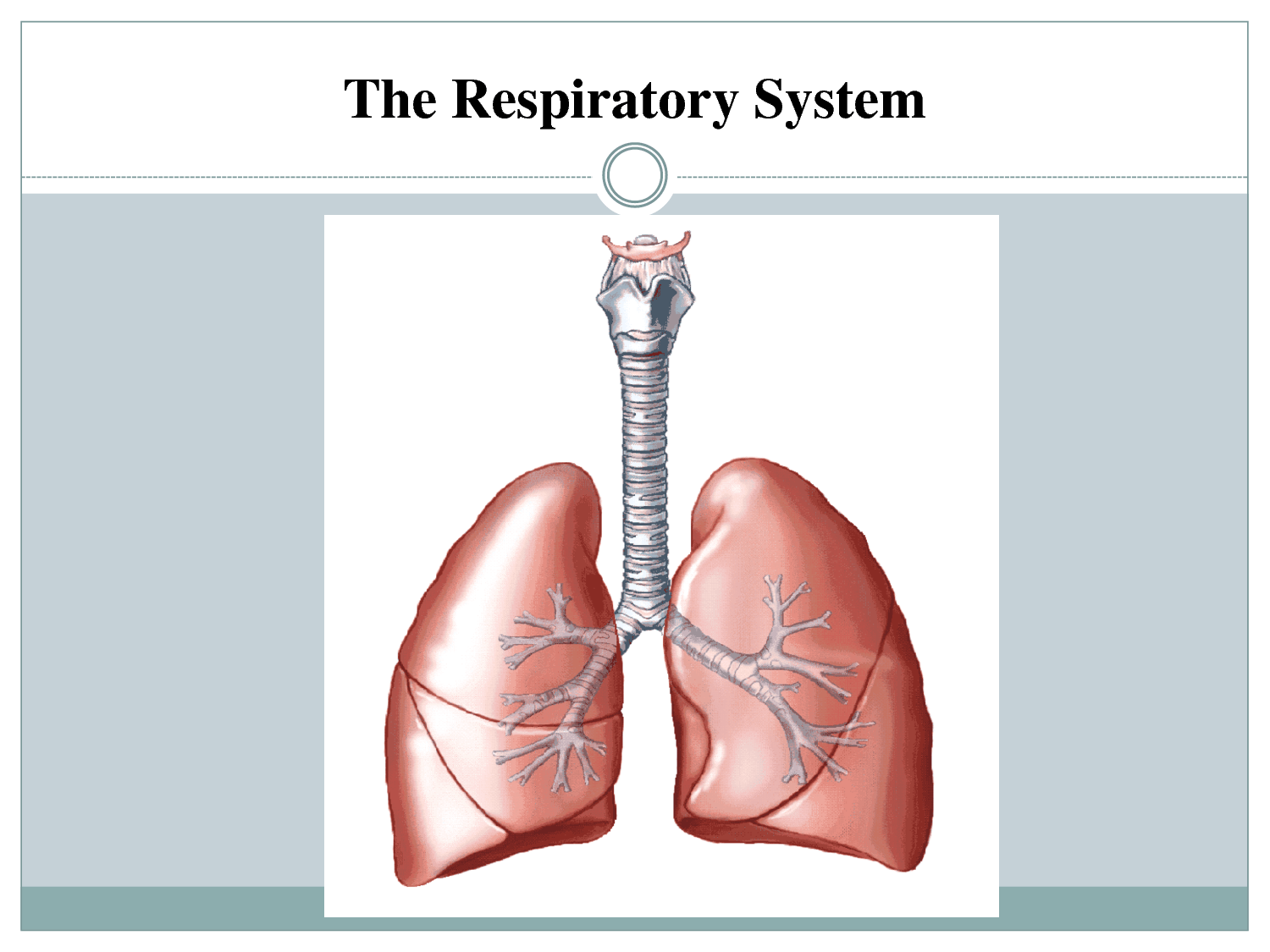
What are the tiny air sacs that allow for diffusion between oxygen and carbon dioxide
Bronchi
Bronchioles
Trachea
Alveoli
Please choose the correct pathway air travels though into the lungs
Nasal passage, pharynx, larynx, trachea, bronchiole, bronchi, alveoli
Nasal passage, pharynx, larynx, trachea, bronchi, bronchiole, alveoli
Nasal passage, pharynx, larynx, trachea, bronchi, alveoli, bronchiole
Nasal passage, trachea, pharynx, larynx, bronchi, bronchiole, alveoli
What am I? I divide in 2 and lead to each lung.
Bronchioles
Bronchi
Alveoli
Trachea
Which sequence correctly indicates the branching pattern of the human respiratory system?
trachea -> bronchi -> bronchioles -> alveoli
trachea -> bronchioles -> bronchi -> alveoli
alveoli -> trachea -> bronchioles -> bronchi
alveoli -> bronchioles -> trachea -> bronchi
What is the main function of gas exchange
To remove carbon dioxide and supply oxygen to the body
To remove oxygen from the body
To supply carbon dioxide and remove oxygen from the body
To supply water to the body cells
What position would you be in if you were lying prone?
Lying on your side
On your back with your face pointing upwards
Lying down on your stomach face pointing downwards
Lying on your back with your feet upwards
What position are you in if lying supine?
Lying on your back with face pointing upwards
Lying on your stomach with your face pointing downwards
Lying on your left side
Lying on my back with my knees to chest
The right ventricle pumps what type of blood to the lungs?
Blue blood
Oxygenated blood
Red blood cells
Deoxygenated blood
Which of these blood vessels is the smallest?
Veins
Arterioles
Capillaries
Arteries
Ligaments are connective tissue whose function is to?
Help the joint to move around
Muscle to bone
Bone to bone
Aid locomotion
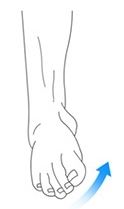
If I am pointing my toes/ tiptoe what position is this called?
Dorsiflexion
Extension
Plantarflexion
Lateral flexion
Turning the head is example of a ______________ joint.
Ball and Socket Joint
Hinge Joint
Pivot Joint
Gliding Joint

Alan is shrugging his shoulders which muscles causes this movement?
Deltoid
Trapezius
Abdominals
Obliques
Hinge joints permit the following movements:
flexion, extension, rotation
flexion, extension, circumduction
flexion, extension
flexion, extension, plantar flexion, dorsiflexion

The liquid portion of blood that comprises 55% of the blood's volume is called:
erythrocyte
leukocyte
plasma
thrombocyte
What is the equation for cardiac output?
stroke volume (SV) x Pulse Rate in one minute (PR) = Cardiac Output (CO)
PR (pulse rate in 30 seconds) x PD (Pulse deficient) = CO (Cardiac Output)
stroke volume(SV) x PD (Pulse deficient) = CO (Cardiac Ouput)
force of beat x beats per minute = cardiac output


latissimus dorsi
hamstrings
quadriceps
soleus

achilles
gastrocnemius
soleus
patella

adductors
soleus
quadriceps
hamstrings

deltoid
trapezius
latissimus dorsi
triceps
The entire muscle is encased by connective tissue called the
sacromere
sarcoplasm
myosin
epimysium
The _______________ covers bundles of cells (fascicles) within the muscle.
endomysium
perimysium
sarcoplasm
tendon
the cordlike connective tissue that attaches a muscle to a bone is called
a tendon
a ligament
a sarcomere
a fascicle
the functional contractile unit within a muscle fiber is called the
sarcomere
fascia
sarcoplasm
tendon

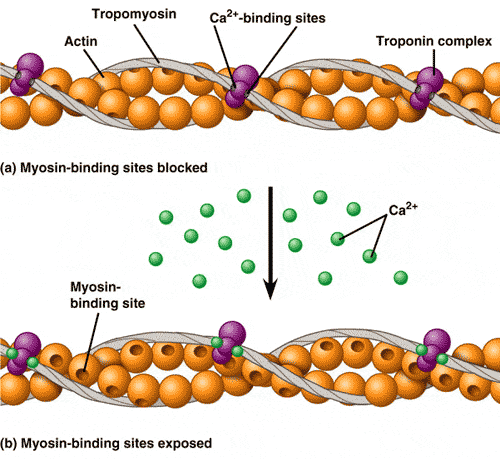
Structure B is known as the thin filaments of the sarcomere, what is another name for the thin filaments?
myosin
actin
fascia
myofibril
What is the main function of the muscular system?
Movement
Blood filtration
Excretion of waste
Calcium homeostasis
How do muscles produce movement?
Muscles contract by pushing bones
Muscles contract by pulling bones
Muscles contract by pushing and pulling bones
Muscles do not produce movement
What do antagonists do?
Most responsible for producing a certain movement
Oppose or do the reverse of a certain movement
Stabilizing across a joint
None of the above
Which of the following is the correct order of muscle structures going from largest to smallest
Muscle --> Muscle fascicles --> Muscle fibers --> Myofibrils --> Sarcomeres
Sarcomeres --> Myofibrils --> Muscle fibers --> Muscle fascicles --> Muscles
Muscle --> Muscle fibers --> Muscle fascicles --> Sarcomeres --> Myofibrils
Muscle fibers --> Muscle fascicles --> Muscle --> Myofibrils --> Sarcomeres
Which connective tissue wraps around the entire outside of the muscle?
Perimysium
Epimysium
Endomysium

Which structure is F? (hint: tissue)
Muscle fiber
Endomysium
Epimysium
Perimysium

Which is the following is represented by the letter B?
cell body
nucleus
dendrite
axon

Which of the following is represented by letter C?
Cell body
nucleus
axon
dendrite

Which is represented by the letter E?
Axon
Myelin sheath
schwan cells
terminal branches

Which is represented by the letter G?
axon
myelin sheath
schwan cell
terminal branches
Which is represented by the letter G?
axon
myelin sheath
schwan cell
terminal branches


Structure B is known as the thin filaments of the sarcomere, what is another name for the thin filaments?
myosin
actin
fascia
myofibril

Muscle cells are bundled together to form (6) ...
fascia
myofibrils
sarcomeres
fascilcles
The heads of the myosin filaments are called ___ when they link the thin and thin filaments together
Connections
Cross-connections
Cross-bridges
Power stroke
Which of the following decreases during muscle contraction?
M line
A band
H zone
Z line
Myofibrils are composed primarily of
Actin and Myosin
ATP and ADP
Troponin
Tropomyosin
The all-or-none response means
all of the muscles in a region contract together
all of the muscle fibers within a muscle contract together
when a muscle fiber contracts, it contracts completely
when a muscle fiber contracts, all of its ATP is changed to ADP
Muscle fatigue is most likely due to an accumulation of
citric acid
lactic acid
creatine
myosin