
 Worksheets
Igneous, Sedimentary & Meta Rocks
Total questions: 55
Worksheet time: 25mins

The size of crystals in Igneous Rocks depends upon
pressure
the presence of air
the presence of water
cooling rate

This igneous rock is mafic, extrusive, and forms the oceanic crust:
obsidian
basalt
pumice
granite
Igneous rocks that cool quickly from lava on Earth's surface; they have fine, glassy, or vesicular textures:
extrusive
intrusive
metamorphic
always magnetic
Why do obsidian, scoria, and pumice lack crystals?
cooled too rapidly
cooled too slowly
cooled deep inside the Earth
there were not enough minerals

What caused the igneous rocks scoria and pumice to have a vesicular texture (lots of holes)?
They cooled faster than gasses could escape
They have been chemically weathered
They dissolved from acid
They cooled slowly with large crystals

Obsidian cools the fastest of all igneous rocks, describe its texture.
smooth
coarse
vesicular
glassy
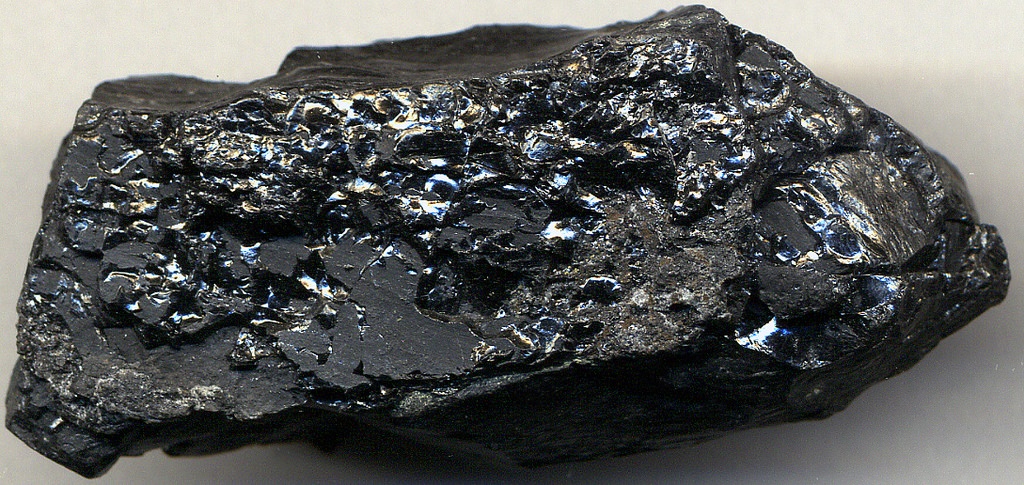
Which of the following is an organic sedimentary rock formed by plants? (hint: it is a fossil fuel)
obsidian
bituminous coal
siltstone
coquina
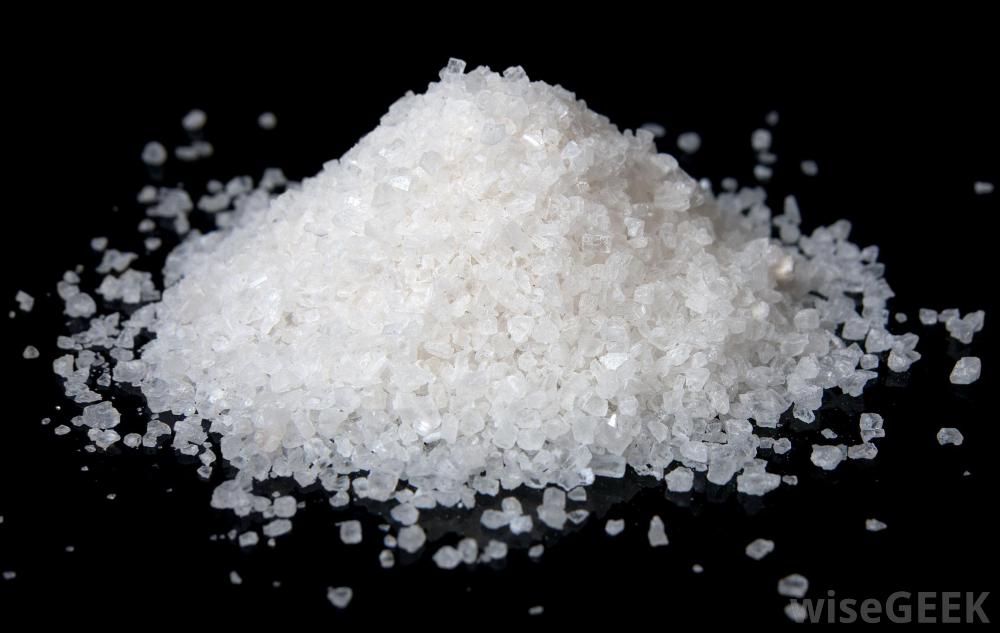
Which of the following is a chemical sedimentary rock formed as sea water evaporates?
marble
breccia
rock salt
quartz

A sedimentary rocks that is made up of fragments or pieces of other rocks is called:
Clastic sedimentary rock
Organic sedimentary rock
Chemical sedimentary rock

A sedimentary rocks that is made from the remains of living things is called:
Clastic sedimentary rock
Organic sedimentary rock
Chemical sedimentary rock

A sedimentary rocks that is made by evaporation & precipitation of dissolved minerals from water is called:
Clastic sedimentary rock
Organic sedimentary rock
Chemical sedimentary rock

The compacting and cementing of sediments to form sedimentary rock is called (turning into a rock)
weathering
erosion
deposition
lithification

When rock fragments are pressed together and water is squeezed out from between them, it is called:
deposition
compaction
cementation
uplift

Horizontal layers of sediments have been lithified into rock is called:
fossils
geodes
stratification
clasts

Rock fragments, which range in size from boulders to cobbles to pebbles to microscopic clay grains, are called
fossils
clasts
geodes
stratification

Bituminous coal, an organic sedimentary rock that formed from plant matter millions of years ago is found in which Virginia Province?
Coastal Plain
Piedmont
Valley & Ridge
Appalachian Plateau

This sedimentary rock contains pebbles and has a coarse texture:
sandstone
conglomerate
shale
coal

What kind of sediment was compacted to form this shale; it has a fine texture?
sand
cobbles
clay
pebbles

Shale, Sandstone, and Conglomerate are examples of which type of sedimentary rock?
Chemical
Clastic
Organic
Extrusive

This sedimentary rock is classified as organic when it forms from marine organisms, but it can also be classified as chemical when it is formed by minerals precipitating from dripping water in caves:
Chert
Shale
Limestone
Coquina
Which is NOT a reason fossils are most likely to be found in sedimentary rocks?
They are quickly buried between layers of sediment
Sedimentary rock formation does not destroy fossils
Magma will melt fossils
Plants and animals only live on sedimentary rocks

This special sedimentary rock feature has crystals on the inside of some limestone rocks:
Ripple marks
Geodes
Stratification
Fossils

This sedimentary rock is formed from shells and sand compacted and cemented together:
Shale
Conglomerate
Limestone
Coquina


Which rocks are made by heat and pressure?
IGNEOUS
SEDIMENTARY
METAMORPHIC

Diorite is an intrusive igneous rock. What does this tell you about it?
it was formed from lava that erupted onto Earth's surface
it was formed from magma that hardened beneath Earth's surface
it was formed from rapidly cooling lava

Which type of rock can ONLY form from pre-existing protoliths (parent rocks)?
Igneous
Sedimentary
Metamorphic

Limestone contains the mineral calcite which dissolves in acid.
Limestone is the parent rock of Marble.
Will Marble also dissolve with acid?
Yes
No

What happens to the minerals in a rock when it becomes a metamorphic rock?
They precipitate
They re-crystallize
They are forced out
They stay the same

When Magma is forced up into existing layers of rocks beneath the surface:
Subduction
Hot Spot
Igneous Intrusion
Rock Invasion

Metamorphic rocks are often formed at convergent boundaries where 2 continents smash together and form:
Volcanoes
Folded Mountains
Islands
Ocean Trenches

Where are almost all Metamorphic rocks formed:
On Earth's surface
Below Earth's Surface

Collision and subduction zones are where Earth's tectonic plates are pushed together. These areas cause:
Contact metamorphism
Regional Metemorphism

Igneous intrusions force magma into rocks underground. The touching hot magma causes:
Contact metamorphism
Regional Metemorphism

Which is NOT associated with metamorphic rocks?
Stratification
Foliation
Re-crystallization
Change

Classification of Gneiss?
Foliated
Non-foliated

Classification of Marble?
Foliated
Non-foliated

What happens when foliation occurs?
The rock gets compressed and denser
The minerals arrange in bands (stripes)
Minerals re-crystallize
All of these processes occur during foliation

Which is a higher quality of coal that will produce more heat energy?
Anthracite Coal
Bituminous Coal

Igneous rocks are classified as:
organic and chemical
Intrusive and extrusive
clastic and non-clastic
foliated and non foliated

A metamorphic rock changes into an igneous rock by what two processes?
Melting and cooling
Extreme heat and pressure
Compaction and cementation
Weathering and erosion
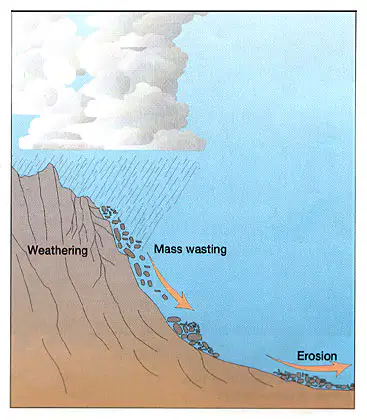
Wind, water, and ice breaking down rock is called:
Erosion
Deposition
Mass Wasting
Weathering

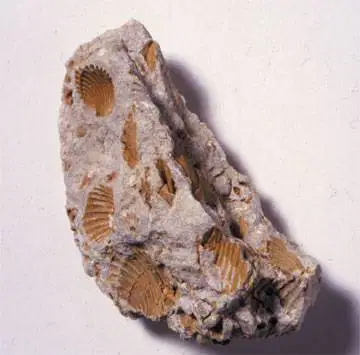
Igneous
Sedimentary
Metamorphic


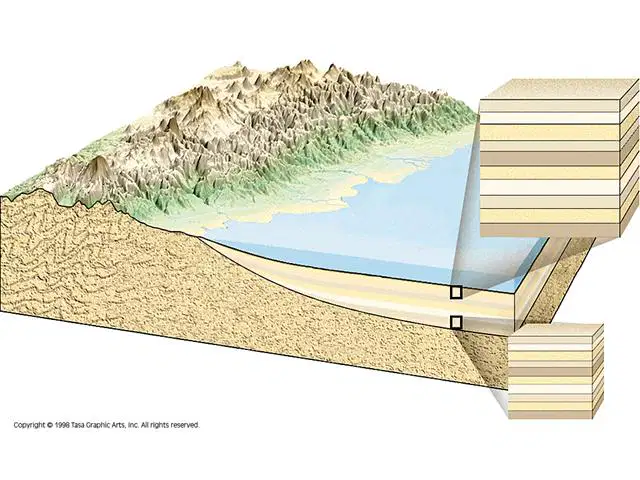
These rocks often have fossils, layers, and are not as hard as other types.
metamorphic rocks
sedimentary rocks
igneous rocks
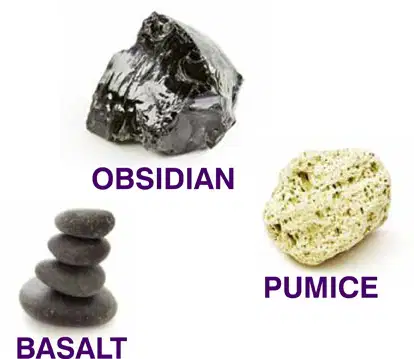
Obsidian, pumice, and basalt all cooled quickly and are all examples of:
foliated metamorphic rocks
chemical sedimentary rocks
extrusive igneous rocks
intrusive igneous rocks

Which of the following rocks is metamorphic?
Hint: Look for signs of Foliation
Rock 1
Rock 2
Rock 3
Rock 4

Sedimentary rock formed from piles of loose debris
chemical
organic
clastic
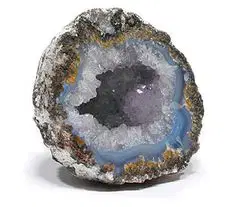
Sedimentary rock forms from minerals dissolved in water that precipitate out of a solution.
chemical
organic
clastic
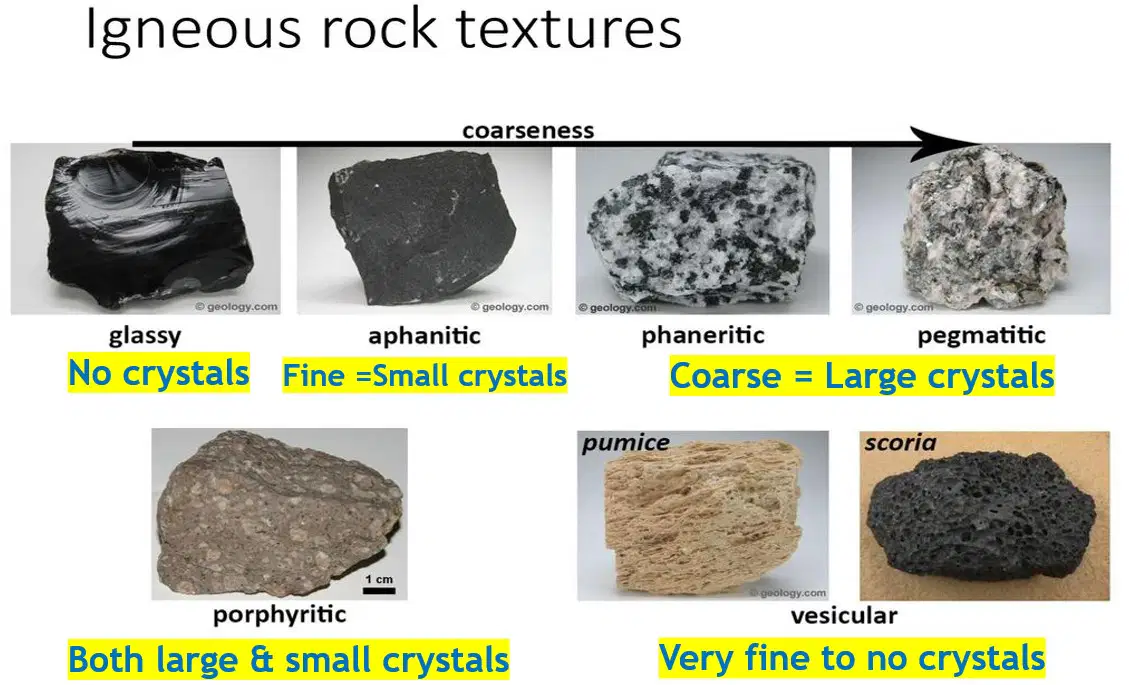
Textured formed from trapped gases and air bubbles
Vesicular
Glassy
Porphyritic
Coarse


