
 Worksheets
YEAR 7 MTA REVISION QUIZ
Total questions: 90
Worksheet time: 1hrs 15mins


The human brain is responsible for which of the following functions?
Fighting the body’s diseases
Breaking down food nutrients
Controlling muscle movement
Pumping blood through the body
Marissa is making a list of the parts of her body that help her sense the world around her. She knows that her eyes take in light so she can see. Which organ has nerve endings so that she can take in information such as textures and air temperature?
Heart
Skin
Brain
Lungs
What is the function of the human skeleton?
The skeleton pumps blood throughout the body, brain, and heart.
The skeleton protects and defends the human body from diseases.
The skeleton digests food and makes fuel for the body from the nutrients.
The skeleton provides a framework for muscles and protects organs.
When Bryce decides to get up and move to another room, he is counting on his body to communicate those messages to his muscles. Which of the following organs is responsible for communicating and controlling the actions of Bryce's movements?
Brain
Kidneys
Heart
Lungs
In order to provide oxygen and remove carbon dioxide, air must be pumped into and out of which of the following organs?
Bladder
Heart
Brain
Lungs
An organ system is made up of all the organs in the human body that work together to do a specific job, such as the circulatory system. The heart is part of the circulatory system. What is the main function of the heart?
Fighting the body’s diseases
Pumping blood through the body
Controlling muscle movement
Breaking down food nutrients
The nutrients in digested food are absorbed into the bloodstream in which of the following organs?
Heart
Liver
Intestines
Lungs
The stomach, liver, intestines, and pancreas are all organs in the same body system. What is the main function of the stomach?
Breaking down food nutrients
Pumping blood through the body
Controlling muscle movement
Fighting the body’s diseases
Which human organ filters all the body’s blood, removes waste, and regulates body fluids?
Kidneys
Brain
Heart
Lungs
Each organ performs a function necessary for a healthy, active, human body. The organ responsible for filtering the blood from the digestive tract before sending it to the rest of the body is which of the following organs?
Heart
Stomach
Liver
Lungs
The organ that coordinates your body’s activities
Skin
Brain
Heart
Lung
Stomach
The skeletal system has many functions. Which of the following body functions does the skeletal system not do?
Remove germs from the blood
Protect the internal organs
Give shape and support to the body
Produce red and white blood cells

What is the coating at the ends of the leg bones marked by arrows in the diagram shown?
White blood cells
Rock
Marrow
Cartilage
Which organ system includes the heart, blood vessels, and blood?
Digestive system
Circulatory system
Respiratory system
Muscular system


What are the two types of joints in the human body?
hinge, ball and socket
movement, protection
fixed and moveable joints
gliding joint, opposable


What is the slippery and smooth covering on the ends of the bones called ?
synovial fluid
Carpals
Cartilage
Tendons
The ................. ............. helps in reducing the friction in the joints.
(a)
Where do you find fixed joints ?
Fingers
cranium
Knee
Elbow
Muscles in your body move in _________.
points
their own way
pairs
One muscle _______ and the other _______.
works, works harder
works, relaxes
Muscles pull on _______ to help you move.
Body parts
Other muscles
Bones
_________ muscles are controlled by you.
Involuntary
Voluntary
__________ muscles you do not control.
Voluntary
Involuntary
Arms and legs are _______ muscles.
Voluntary
Involuntary
Is this movement voluntary or involuntary ? Pumping blood through your body
Voluntary
Involuntary

Beneficial or Harmful?
bacteria used in cheese and yogurt
beneficial
harmful

Beneficial or Harmful?
yeast used to cause bread to rise
beneficial
harmful

Beneficial or Harmful?
fungus causes ringworm or athlete's foot on the skin
beneficial
harmful

Beneficial or Harmful?
bacteria weakens teeth enamel
beneficial
harmful
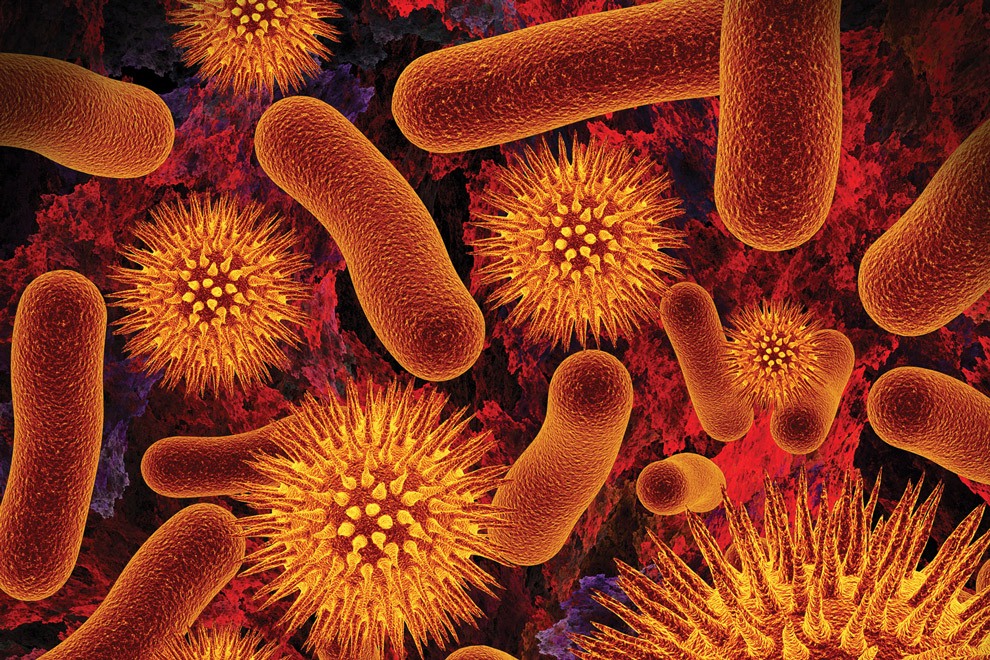
Microorganisms include
bacteria
virus
protozoa
fungi
algae
which of the following is the tiniest microorganism?
bacteria
virus
fungi
algae
protozoa
what will cause food become rotten?
bacteria
fungi
protozoa
algae
The study of microorganisms is called __________ .
Scientists who study microorganisms are called ____________ .
micrology, micrologist
microbiology, micrologist
microstudy, micrologist
microbiostudy, micrologist
none of them
name the medicines made from fungus and bacteria
antibiotical
antibiotics
antibios
antionical
Bacteria is known as__________________ in an ecosystem when feeding on dead organisms.
Decomposers
Herbivore
Pathogens
Infections
Influenza is a disease caused due to
bacteria
Virus
Protozoa
None of the above
Where do all life forms get their energy?
Food
Water
Plants
The Sun

An organism that lives by breaking apart dead animal and plants into simpler parts is...
scavenger
consumer
decomposer
carnivore


A food chain is:
an animal that eats only plants.
a diagram that shows how energy moves from one organism to another. (Grass>Mouse>Owl)
An animal that is hunted and eaten by another animal.
An animal that hunts and eats other animals.
Pick 3 answers.
herbivore
carnivore
predator
prey
consumer
Which one of these is a kind of energy? (Click on three).
Light
Heat
Water
Electricity
Cooker
What is plastic pollution ?
it is a biodegradable material so it eventually disintegrates
accumulation of plastic objects and particles
that adversely affects wildlife, wildlife habitat and humans
it is microplastics
What happens to plastic waste ?
There is no such things as plastic waste, all plastic is recycled
It never fully goes away, it just breaks into little pieces
It is dumped in the ocean for fish to eat
Help to protect the environment
Plastic pollution has become one of the most urgent environmental issues.
True
False
Why is plastic dangerous for marine life?
They mistake it for food and cannot digest it
It's not dangerous because they use plastic waste for habitats
causing suffocation, starvation, and drowning for marine
They can get tangled in it which hinders their ability to swim
Why is plastic dangerous for marine life?
They mistake it for food and cannot digest it
It's not dangerous because they use plastic waste for habitats
causing suffocation, starvation, and drowning for marine
They can get tangled in it which hinders their ability to swim
Adding harmful things to the environment is called
Pollution
Waste
Acid rain
Sulfur dioxide
__________________is the introduction of chemical, physical, or biological agents into water that degrade water quality and adversely affect the organisms that depend on the water.
potable
water pollution
watershed
When harmful substances build up in the air to unhealthy levels, it is called
Air pollution
Smog
Which of these problems can be caused by air pollution?
Respiratory problems
Increased disease for humans
Reduced food sources for humans
Decrease in global temperatures

