
Font size
 Worksheets
Animals
Total questions: 87
Worksheet time: 1hrs 29mins

Name of D (opening at top)
Osculum
Ostia
Choanocytes
Incurrent Pore
The sponge has no organs, tissues, and no nervous system.
True
False
Flagella inside a sponge keep water moving through its body. Why is this necessary?
It prevents the sponge from floating away
It allows the sponge to feed
It allows the sponge to absorb carbon dioxide
It maintains the water pressure inside the sponge

How do sponges obtain food?
filter it from the water
grasp it with tentacles
pry it apart with tube feet
put it in their mouth with jointed legs
The cells inside the sponge that have flagella (and absorb food) are called...
Collar cells
Flagella
Osculum
Pores

Name this body type.
Medusa
Polyp

Name this body type.
Medusa
Polyp
Cnidarians are named after __________, the stinging cells found in their tentacles.
cnidocytes
cnidocils
nematocysts
cniliocysts
All animals in phylum Cnidaria demonstrate _____________.
radial symmetry
asymmetry
bilateral symmetry
pretty symmetry
All of the following animals belong to phylum Cnidaria EXCEPT:
jellyfish
anemones
corals
octopuses
The _______________ is where the barb and thread are stored until the cnidocyte is triggered.
nematocyst
cnidocil
operculum
overture
Animals in the phylum Cnidaria do not have brains. Instead, they have ________ _______ that conduct signals throughout their bodies.
nerve nets
nerve maps
nerve pathways
nerve roads
Which is the correct order of taxa from broadest to most specific?
Domain, Kingdom, Phylum, Class, Order, Family, Genus, Species
Domain, Kingdom, Family, Phylum, Order, Class, Genus, Species
Domain, Phylum, Kingdom, Genus, Class, Order, Family, Species
Species, Domain, Kingdom, Phylum, Class, Order, Family, Genus
What are worms classified as?
vertebrates
mammals
invertebrates
boneless

What phylum are the flat worms under?
Annelid
Platyhelminthes
Rotifers
Sipuncula

How do flatworms reproduce?
Sexually and asexually
asexually
sexually

How do animals get food?
Through the nose
Filter feeder.
Through the mouth at the front of the body.
Through the mouth on the underside of the body.

How are flatworms more complex than Cnidarians?
How they look
The way they eat
Their reproduction
They move and have a head
collection of nerve cells located at the anterior end of a worm
cephalization
ganglia
parasite
grasping mouth parts
Round worms belong in the phylum
Nematoda
Cestoda
Platyhelminthes
Annelida
What habitats are Nematodes found in?
only fresh water
only terrestrial (land)
almost all habitats
only marine (saltwater)
Which is an example of a Nematode?
tape worm
heart worm
earth worm
planarian
Nematodes exhibit _____ symmetry.
longitudinal
radial
asymmetrical
bilateral
Earthworms are considered
herbivorous pests in gardens
detritivores / scavengers
predators
filter feeders

Which of the following is NOT a characteristic of arthropods?
Exoskeleton
Jointed appendages
Segmented body
Endoskeleton
What type of circulatory system do arthropods have?
open
closed
The exoskeleton of an arthropod is made of which of the following?
chitin
dentin
protin
chlorotin
Which of the following is NOT a function of the exoskeleton
Protection
Prevents water loss
Attachment of muscles
Aids in digestion
Since the exoskeleton limits the growth of arthropods, they have to shed their exoskeletons and form a new one. This is called ____.
defecating
molting
morphing
excreting
Which of the following correctly describes a crayfish's body regions?
head, thorax, abdomen
head, abdomen
cephalothorax, abdomen
head, cephalothorax
Which of the following crayfish structures is used for gas exchange?
Malpighian tubules
Green glands
Gills
Book lungs
Which class of arthropods are mainly aquatic?
Crustacea
Insecta
Diplopoda
Chilopoda
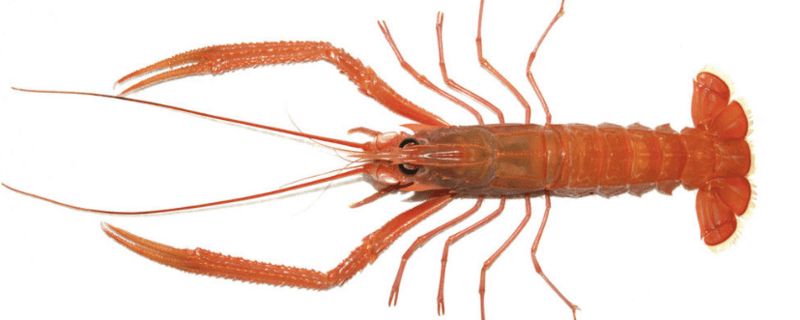
Arthropods have ____________ symmetry.
radial
none
jointed
bilateral
Dragonflies, stink bug, and lady bugs are _________________
Millipedes
Centipedes
Crustaceans
Insects
Arachnids
Arthropods have an outer shell called a/ an ____________
Endoskeleton
Exoskeleton
Bones
Armor
What is the flexible skeletal support rod?
Dorsal Hollow Nerve Chord
Notochord
Pharyngeal slits
Endoskeleton
Which structures do all chordates have at some point during their life time?
Notochord, Hollow Nerve chord, Pharyngeal slits, Tail
Notochord, Gill slits, Tail
Hollow nerve chord, notochord, legs, wings
Pharyngeal slits, Head, Thorax, Tail
Which of the following chordates are also vertebrates?
Fish, Amphibians, Lancelets
Fish, Birds, Reptiles, Mammals
Tunicates, Sea squirts, Lancelets
Lampreys, Lancelets, Amphibians
Where are the pharyngeal slits located?
abdomen
Thorax
Head
Throat
Which of the following represents invertebrate chordates?
tunicates
lampreys
snakes
sharks
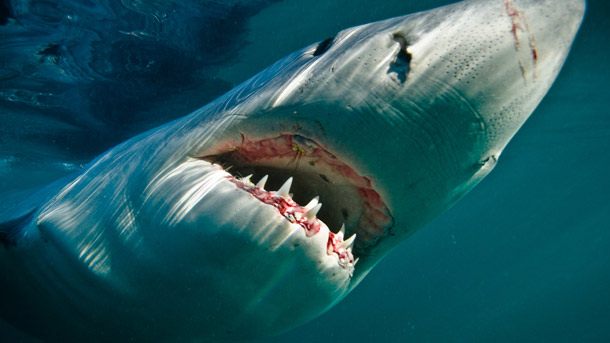
Sharks, skates, and rays have a skeleton made of _______________ instead of a bones.
fibrous tissue
spongin
cartilage
spicules

Fish breathe with
lungs
gills
first gills and then lungs
their skin

Fish have _______________ covering their bodies.
hair
fur
scales
feathers
Where do most amphibians spend the first part of their life cycle?
on land
in water
on a boat
in trees
Where do amphibians live as adults?
In water
In the ocean
On land
Underground
Birds have ________ bones.
long
strong
hollow
flat
Breathing organ of Mammals
gills
lungs
skin
hair
Animals that eat only plants
Carnivores
Herbivores
Omnivores
Insectivores

