Worksheets
Biology Lesson 33
Total questions: 83
Worksheet time: 1hrs 4mins
The following features are found only in the plant cell
Lysosome
Cell wall
Chloroplast
Central vacuole
The following is found inside the nucleus
Cytoplasm
DNA
Mitochondria
Nucleolus
It provides the cell with energy
Vesicle
Nucleus
mitochondria
Vacuole
It is the waste collector and recycler in the animal cell
Ribosome
Vesicle
Central vacuole
Lysosome
Centrosome and centrioles play a major role in
Cell movement
Cell division
Cell contraction
Cell membrane


Where do 99% of the producers get their energy from?
Sun Light
Chemicals
Glucose
ATP
'ORGANELLE' is tiny structure in a cell that carry out specific function for the cell.
True
False

What does Mitochondria generate during Cellular respiration ?
Generates dissolve substance during Cellular respiration
Generates turgidity during Cellular respiration
Generates energy during Cellular respiration
Generates osmotic during Cellular respiration
Starch is...
a stored form of sugar
a carbohydrate
a protein
a lipid

Which macromolecule is shown?
lipid
protein
nucleic acid
carbohydrate
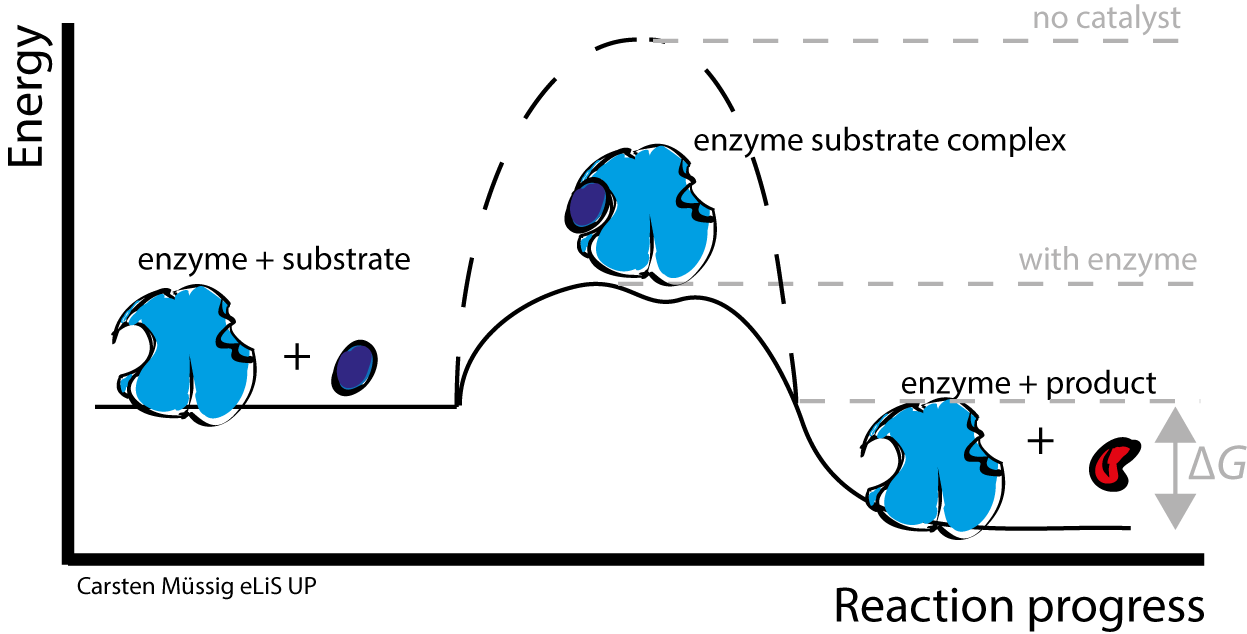
The substance that binds to an enzyme is called a?
Polypeptide
Co-enzyme
Vitamin
Substrate
Changes in pH and temperature can ___________________ an enzyme which causes it to lose its shape and affects its function.
puncture
denature
double
delete
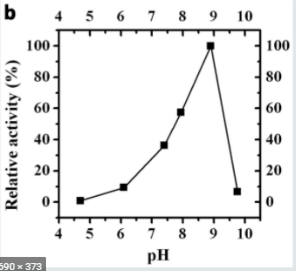
What is the optimal pH for this enzyme?
6
10
9
7
What is the purpose of an enzyme?
control how many reactions occur
raise activation energy
give permission for the reaction
speed up chemical reactions
Where do substrates bind to an enzyme?
calcium channels
active site
receptor molecules
voltage-gated channels
After the enzyme and substrate bind together and perform the reaction, what does the substrate become?
a substrate
an active site
an enzyme
a product
Enzymes are _______________ that _____________________ chemical reactions by ____________ the amount of activation energy required to start the reaction.
carbohydrates, slow down, lowering
proteins, speed up, increasing
lipids, speed up, lowering
proteins, speed up, lowering

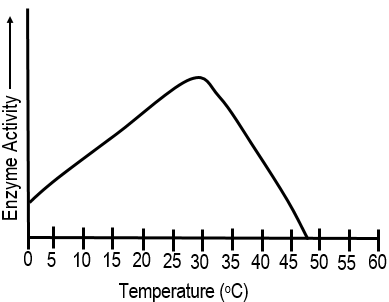
What is the optimal temperature of this enzyme?
60
40
70
30