
 Worksheets
Physical and Chemical Properties
Total questions: 51
Worksheet time: 26mins
To observe a chemical property, what has to take place?
Reaction
Change of state
Change of shape
Change in mass
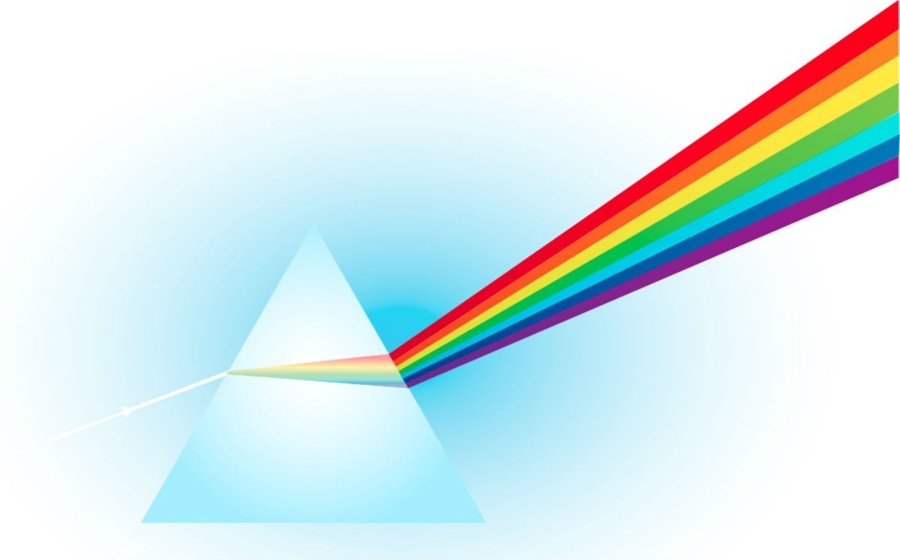
Color is what type of property?
Physical
Chemical
Reactivity is what type of property?
Physical
Chemical
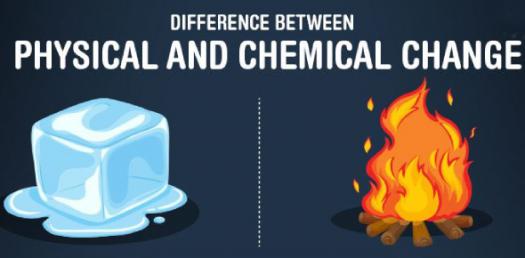
What is a sign of a physical change?
Bubbles forming
Color changing
Stretching
Producing heat

What is a sign of a chemical change?
Stretching
Tearing
Compressing
Bubbles
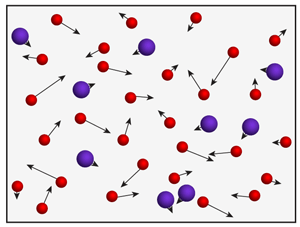
What happens to the atoms of a substance in a chemical change?
Atoms get bigger
Atoms change their arrangement and motion
Atoms get smaller
Atoms bond together differently
When two or more substances are put together.
Volume
Density
Mixture
Mass
When one substance dissolves into another.
Volume
Mixture
Density
Solution
flammability of a substance
physical change
physical property
chemical change
chemical property
size of an object
physical change
physical property
chemical change
chemical property
freezing point
physical change
physical property
chemical change
chemical property
a characteristic that indicates whether a substance can change to another substance
physical change
physical property
chemical change
chemical property
density
physical change
physical property
chemical change
chemical property
A characteristic that can be observed using our senses is a ___.
chemical property
physical property
melting point
chemical change
The melting point of a substance is the temperature at which the substance changes from a solid to
Gas
Liquid
Solid
Plasma
Choose the one that is a chemical property
Magnetism
Size
Color
Reactivity with water
Flammability is the ability of a substance to _________
Burn
Transfer heat
Transfer electricity
Cook
If you describe a substance as being corrosive, you have given a __________ property of that substance
Chemical
Large
Physical
Thermal
Choose the 3 that are physical properties of aluminum foil
Malleable
Luster
Oxidation
High melting point
What effect does observing the physical properties of a substance have on the substance?
Measuring physical properties changes the chemical identity of the substance
Observing physical properties has no effect on the substance
It makes to substance develop a deep seeded distrust of humans
The substance will undergo an exothermic reaction
Which of the following statements is accurate?
After observing a chemical property, the substance remains the same as before
All metals have the same physical properties
When you see water turn into steam, you have observed a chemical property
A physical property can change without causing a change in the chemical identity of the substance
What is the outcome of observing a chemical property?
Nothing
A new substance is formed with different properties
NaCl
A rise in thermal conductivity
Which of these statements best describes a chemical property of a substance?
It reacts with an acid to form water
The object has a blue color
The substance has a powdery texture
It has a density of 2.11 g/cm3
Choose whether the following is a physical or chemical property: Malleability
Physical
Chemical
Choose whether the following is a physical or chemical property: Reacts with oxygen
Physical
Chemical
Choose whether the following is a physical or chemical property: Magnetic
Physical
Chemical
Choose whether the following is a physical or chemical property: Non-flammable
Physical
Chemical
Choose whether the following is a physical or chemical property: Oxidation
Physical
Chemical
Which option best describes the difference between a physical and chemical property?
There is no difference between a physical and chemical properties?
Physical properties are usually room temperature but chemical properties are very hot
Observing a chemical property results in the creation of a new substance while observing a physical change does not change the substance
The difference between physical and chemical properties are the states of matter


Which set of properties, intensive or extensive, are based on the size of a sample?
intensive
extensive
What kind of physical property is this? Color
intensive
extensive
What kind of physical property is this? Temperature
intensive
extensive
What kind of physical property is this? Hardness
intensive
extensive
What kind of physical property is this? Density
intensive
extensive
What kind of physical property is this? Odor
intensive
extensive
What kind of physical property is this? Boiling Point
intensive
extensive
What kind of physical property is this? Volume
intensive
extensive
What kind of physical property is this? Mass
intensive
extensive
What kind of physical property is this? Melting Point
intensive
extensive

