wayground logo

Free Printable Worksheets

Font size

S
M
L
XL
Worksheets

Q3 Benchmark Review

Total questions: 93

Worksheet time: 2hrs 56mins

Name
Class
Date
1.
The pathway through which electrical current flows.
a)
conductor
b)
insulator
c)
electric circuit
d)
electromagnetic field 
2.

What tool is used to measure precipitation?

a)

rain gauge

b)

barometer

c)

thermometer

d)

anemometer

3.

What forms as a result of the strong updrafts common in thunderstorms usually in summer?

a)

hail

b)

rain

c)

sleet

d)

snow

4.

What determines what form of precipitation will fall to the ground?

a)

air pressure

b)

wind speed

c)

wind direction

d)

temperature

5.
What is A?
a)
Evaporation
b)
Condensation
c)
Precipitation
d)
Runoff
6.
What is B?
a)
Evaporation
b)
Condensation
c)
Precipitation
d)
Runoff
7.
Plants with spines and waxy leaves are well suited for life in which environment?
a)
Desert
b)
Temperate forest
c)
Grassland
d)
Tropical Rainfroest
8.
Acts as a protective coat. Keeps fluids and liquids in, keeps bacteria and germs out.
a)
Liver
b)
Large Intestine
c)
Kidneys
d)
Skin
9.
The control center of the human body. Sends signals throughout the body to make us function.
a)
Lungs
b)
Liver
c)
Brain
d)
Skeleton
10.
Collects and pumps oxygen throughout the blood stream in your body.
a)
Lungs
b)
Stomach
c)
Heart
d)
Liver
11.
Organ responsible for respiration (breathe in oxygen and release carbon dioxide).
a)
Bladder
b)
Kidneys
c)
Stomach
d)
Lungs
12.
Breaks down food into nutrients.
a)
Brain
b)
Skin
c)
Stomach
d)
Skeleton
13.
Cleans and removes toxins (bile) from the blood and other organs.
a)
Liver
b)
Skin
c)
Muscles
d)
Heart
14.
Absorb remaining water and matter that was not digested and turn it into waste.
a)
Liver
b)
Large Intestine
c)
Brain
d)
Skin
15.
Digest and absorb nutrients from food.
a)
Bladder
b)
Lungs
c)
Brain
d)
Small Intestine
16.
Protects organs in the body, provides support, and produces blood cells.
a)
Small Intestine
b)
Lungs
c)
Skin
d)
Skeleton
17.
Structures within the eyes, ears, nose, mouth and skin. Allows your body to experience the 5 senses (see, hear, smell, taste, and touch).
a)
Sensory Organs
b)
Kidneys
c)
Stomach
d)
Skin
18.

Which plant structure is most similar in function to a lizard's eggs?

a)

flowers

b)

pollen

c)

seed

d)

stem

19.

Amphibians are able to exchange oxygen and carbon dioxide through their smooth, moist skin. Which of these organs has the same purpose?

a)

heart

b)

liver

c)

lungs

d)

stomach

20.

The stem provides structure and support to plants. Which animal part has a similar role?

a)

brain

b)

heart

c)

lung

d)

skeleton

21.

In comparing the functions of structures in plants and animals. stems and skeletons allow for,

a)

movement

b)

support

c)

reproduction

d)

protection

22.

In comparing the functions of structures in plants and animals. ovary, fruit and flowers are for

a)

nutrition

b)

reproduction

c)

protection

d)

digestion

23.
Many kinds of animals live in the everglades, including alligators, Panthers, and Manatees. What characteristics do all three animals of the everglades share?
a)
They all eat only fish
b)
They all have a backbone
c)
They all give birth to live young
d)
They all make their homes in the water
24.
Which organ in the fish is most similar to the human respiratory system?
a)
The fins
b)
The gills
c)
The skin
d)
The swim bladder
25.

Which type of climate is extremely cold?

a)

polar

b)

temperate

c)

tropical

d)

desert

26.

The seasons are caused by___________?

a)

The tilt of the Earth on its axis

b)

Tropical Storms

c)

Changes in the moon

d)

The Earth's rotation

27.
What are the two main factors that determine the climate of an area?
a)
precipitation and humidity
b)
temperature and air pressure
c)
wind conditions and humidity
d)
temperature and precipitation
28.
What are the 3 major climate zones in order from equator to the poles?
a)
polar, temperate, tropical
b)
tropical, temperate, polar
c)
temperate, polar, tropical
29.
Which sentence best describes the relationship between elevation and air temperatures?
a)
LOWER elevation = COLDER temperatures
b)
HIGHER elevation = COLDER temperatures
c)
HIGHER elevations = WARMER temperatures
30.
A temperate climate is?
a)
consistently cool
b)
consistently warm
c)
consistently moderate
d)
warm and cool
31.
Which one of the following would you use to separate sand from iron filings?
a)
a bar magnet
b)
filter paper
c)
chromatography paper
d)
alum
32.

Which of the following mixtures can be separated with a magnet?

a)

sand and salt

b)

sand and iron filings

c)

sugar and water

d)

saltwater

33.

What mixture could you use this tool to best separate that mixture?

a)

Sugar and Salt

b)

Sand and rocks

c)

Apples and grapes

34.
Is melting butter for popcorn a chemical or physical change?
a)
chemical
b)
physical
35.

An object undergoes a physical change when it changes:

a)

color, burning, rusting

b)

shape, form, color

c)

tarnishing, melting, ashes

36.

An object undergoes a chemical change when it changes:

a)

shape, form, state of matter

b)

melting, odor, size

c)

color, burning, rusting

37.
Physical or Chemical Change?  Iron rusts
a)
Physical Change
b)
Chemical Change
38.
Physical or Chemical Change?  Cutting an orange into wedges.
a)
Physical Change
b)
Chemical Change
39.
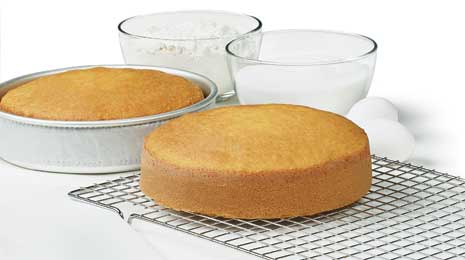
Physical or Chemical Change?  Baking a cake.
a)
Chemical Change
b)
Physical Change
40.
Physical or Chemical Change?  Logs burning in a campfire.
a)
Physical Change
b)
Chemical Change
41.
Physical or Chemical Change?  Making a paper airplane.
a)
Physical Change
b)
Chemical Change
42.
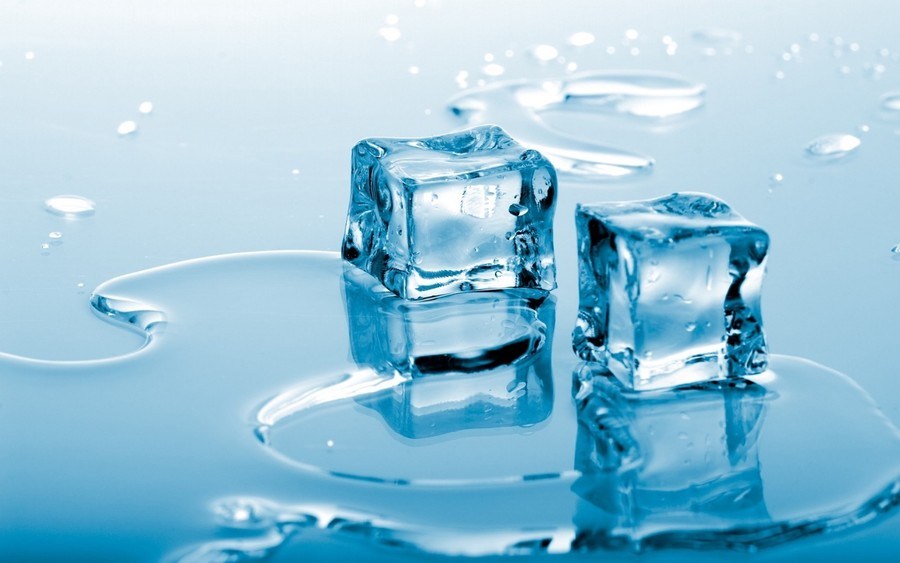
Water freezing into ice is an example of a...
a)
Physical Change
b)
Chemical Change
43.
When you pull a door open, what type of energy is being used?
a)
light energy
b)
sound energy
c)
mechanical energy
d)
heat energy
44.
If the radio is on in the car, what form of energy allows you to hear the music?
a)
light energy
b)
sound energy
c)
mechanical energy
d)
heat energy
45.
What source of energy does a campfire provide?
a)
sound energy
b)
mechanical energy
c)
heat energy
d)
heat and light energy
46.
When you sharpen your pencil, you are using what type of energy?
a)
light
b)
sound
c)
mechanical
d)
heat
47.

What happens to light when it strikes a mirror?

a)

it bends

b)

it goes through the mirror

c)

it gets absorbed

d)

it reflects off the mirror

48.

What type of energy do we get from the food we eat?

a)

light

b)

thermal

c)

chemical

d)

sound

49.

What form of energy is stored in a battery?

a)

Chemical energy

b)

Light energy

c)

Mechanical energy

d)

Heat energy

50.
Which object requires only mechanical energy to perform its main function?
a)
A
b)
B
c)
C
d)
D
51.
Water flows through turbines in dams like the one shown below. The flowing water makes the turbines spin. What type of energy is used to make the turbines spin in this type of dam?
a)
Light energy
b)
Thermal energy
c)
Sound energy
d)
Mechanical energy
52.
Three different objects that use the same source of energy are shown. What is the energy source for these objects?
a)
Light energy
b)
Mechanical energy
c)
Sound energy
d)
Electrical energy
53.

What type of energy causes ice cream to melt?

a)

thermal/heat

b)

light

c)

sound

d)

electrical

54.

What is the energy transformation that occurs in an electric pencil sharpener?

a)

mechanical energy to electrical energy

b)

electrical energy to mechanical energy

c)

radiant energy to sound energy

d)

chemical energy to mechanical energy

55.
Which items would have this energy transformation: electrical energy -> thermal energy and light energy?
a)
toaster
b)
candle burning
c)
windmill turning
d)
Iron for your clothes
56.

Which items would have this energy transformation: mechanical energy -> sound energy?

a)

turning on a flashlight

b)

nuclear power plant

c)

wind turbine turning

d)

playing a violin

57.
Electrical Energy is transferred to _____ Energy.
a)
Thermal
b)
Solar
c)
Electrical
d)
None
58.

What type of energy transformation happens in hydro-electric power?

a)

kinetic to potential

b)

sound to mechanical

c)

chemical to electrical

d)

mechanical to electrical

59.
This circuit has a battery, buzzer, and switch.
When the switch is closed the buzzer will sound because -
a)
the switch gives energy to the battery
b)
the buzzer is made of special plastic
c)
the wires are cooled by the surrounding air
d)
electricity can flow in a complete path
60.
Choose the correct sentence.
a)
This circuit will work because it is an open circuit.
b)
This circuit will work because it is a closed circuit.
c)
This circuit will NOT work because it is an open circuit.
d)
This circuit will NOT work because it is a closed circuit.
61.

What is a material that allows energy to pass through easily?

a)

parallel circuit

b)

rubber band

c)

conductor

d)

electron

62.
An incomplete circuit is shown.
To complete the circuit, a wire should be placed from —
a)
Point D to Point C
b)
Point B to Point C
c)
Point A to Point D
d)
Point B to Point D
63.

What is at the center of the Solar System?

a)

The Sun

b)

Earth

c)

The Asteroid Belt

d)

Mars

64.

What planet is the third rock from the sun?

a)

Earth

b)

a comet

c)

Venus

d)

Saturn

65.

Why does the Sun appear larger than other stars?

a)

The Sun is bigger than most stars

b)

The Sun is the closest star to Earth

c)

The Sun is in the middle of an asteroid belt

d)

It is a magic trick

66.
Which of the following explains the revolution of a planet?
a)
The Earth revolves around the sun once per day.
b)
The Earth revolves around the sun once per year.
c)
The moon revolves around the sun once per day.
d)
The Earth rotates on it's axis once per day.
67.
What's the difference between asteroids and comets?
a)
comets are made of rock and asteroids are made of dust and ice.
b)
Asteroids are made of rock and comets are made of dust and ice.
c)
Asteroids orbit the sun while comets orbit a planet.
d)
comets are larger than asteroids.
68.

Which term describes the composition of the outer planets?

a)

rocky

b)

solid

c)

water

d)

gaseous

69.
Day and night is caused by the _____________ of earth on its axis.
a)
revolution
b)
orbit
c)
rotation
70.

One complete revolution of Earth around the sun takes how long?

a)

1 day

b)

365 days

c)

24 hours

d)

29.5 days

71.

What are the characteristics of a high-pressure system?

a)

Wind and rain

b)

Humidity and thunder

c)

Extremely hot temperatures

d)

Clear skies and sun

72.

At which humidity is it most likely to rain?

a)

50%

b)

20%

c)

77%

d)

99%

73.

A weather forecaster announces that precipitation is on the way and that daytime temperatures will be between 10° C and 20° C. Which kind of weather should people in the area expect?

a)

rain

b)

snow

74.

A weather forecaster announces that precipitation is on the way and that daytime temperatures will be between -5° C and -2° C. Which kind of weather should people in the area expect?

a)

rain

b)

snow

75.
Why is the sun important to the water cycle?
a)
The sun provides electricity for the water to flow to earth. 
b)
The sun provides Earth with light and heat energy to make the cycle work. 
c)
The plays no role in the water cycle. 
d)
The sun creates runoff for the water cycle to begin. 
76.

You left a cube of ice in a cup. In an hour the ice turned into a clear substance that took on the shape of the bottom of the cup. After a few days there appeared to be nothing in the glass at all. What states of matter did the ice cube go through?

a)

liquid- solid- gas

b)

gas-liquid-solid

c)

solid- liquid- gas

d)

solid-gas-liquid

77.

Is the temperature increasing or decreasing when ice changes into water?

a)

temperature stayed the same

b)

temperature increased

c)

temperature decreased

78.

Students created a model of the water cycle. What part of their model represents precipitation in the atmosphere?

a)

Droplets forming on the pan

b)

Water drops falling from the pan

c)

Water vapor rising from the beaker

d)

Water heating inside the beaker

79.

A tiger’s fur is orange-brown with stripes. Its fur helps it hide in a field of brown grass. When another animal comes near, the tiger can jump out of hiding and attack it. A toad’s body is brown. It blends in with brown sand. A toad can hide from predators while it looks for insects to eat.


What is one way that a tiger and a toad are similar?


a)

Their skin is adapted for hunting at night.

b)

Their skin keeps them cool in the sun.

c)

They are both good swimmers.

d)

Their color helps them hide to get food.

80.

Juan wanted to become an expert bird watcher. He decided to watch for birds in his backyard. Juan lives in a heavily wooded area that has lots of fallen trees, but not much grass and no bodies of water. Any bird living in Juan's backyard will need to be able to drill for insects in the trees.

Which bird beak is Juan most likely to see on a bird living in his backyard?

a)
b)
c)
d)
81.

Cacti can be found in many deserts because they are well adapted to survive there. The chart below list several of the cacti’s adaptation and how they help it to survive.


According to the chart above, which factor of the desert environment has the cactus adapted to survive?

a)

Extreme temperatures

b)

Lack of precipitation

c)

Plant eating insects

d)

Trunk rotting diseases

82.

Provided here are some of the characteristics of the Pacman frog.


Which of the following changes to the environment would most likely be harmful to the survival of the Pacman frog?

a)

A summer with more rain than usual.

b)

An increase in the fish population.

c)

A winter with record cold temperatures.

d)

A decrease in the snake population.

83.
What is the volume of the rock? The water level is displaced from 20 mL to 23 mL with the rock.
a)
3 mL
b)
23 mL
c)
20 mL
d)
43 mL
84.
Ernesto and Amanda fill two cups with water. They use hot water in one cup and cold water in the other cup. Next, they will stir a spoon of salt into each cup.     

In which cup will the salt dissolve more slowly?
 
a)
The salt will not dissolve in either cup
b)
The salt dissolves more slowly in the hot water
c)
The salt dissolves more slowly in the cold water
d)
The salt dissolves at the same speed in both cups
85.
Anna filled a ​cup with hot tea. Then she added a sugar cube. ​Which of these will help to make the sugar cube dissolve more quickly? 
a)
stirring the hot tea
b)
adding more sugar cubes
c)
adding ice to the tea
d)
pouring more tea into the cup
86.

Mrs. Werblo and Mrs. Eck were competing to see who could dissolve a sugar cube in water faster. Mrs. Werblo decided to shake her water and sugar cube together. Which thing could Mrs. Eck could do his sugar cube to speed up the dissolving process?

a)

decrease the temperature of the water

b)

increase the temperature of the water

c)

Nothing at all. Mrs. Werblo will automatically win the competition.

87.
Day and night is caused by the _____________ of earth on its axis.
a)
revolution
b)
orbit
c)
rotation
88.
The earth orbits around...
a)
the sun.
b)
the moon
c)
other planets
d)
the Milky Way
89.
How long does it take the Earth to make one REVOLUTION around the Sun?
a)
12 hours
b)
24 hours
c)
365 days
d)
29.5 days
90.
Define New Moon
a)
None of moon is visible from Earth
b)
All of moon visible from Earth
c)
Moon is 1/2 visible from Earth
d)
Moon is more than Half Visible from Earth
91.
Define Full Moon
a)
None of moon is visible
b)
Half moon phase is visible
c)
Complete moon face is visible
d)
Less Than half of moon is visible
92.
The 1st Quarter moon is lit on the:
a)
Left Side
b)
Right Side
93.
About how long does it take the moon to make one complete cycle around the earth?
a)
65 days
b)
8 days
c)
365 days
d)
28 days