wayground logo

Free Printable Worksheets

NEW

Font size

S
M
L
XL
Worksheets

Biodiversity & Sustainability

Total questions: 67

Worksheet time: 1hrs 7mins

Name
Class
Date
1.

What is true about sustainability?

a)

Having a small number of species increases biodiversity

b)

Sustainability is how organisms change over time

c)

Sustainability is how much rainfall and sunlight an ecosystem receives

d)

The more different types of species you have (biodiversity) the better an ecosystem can sustain itself

2.

A certain area of the Indian ocean is expected to dry up and become a desert over thousands of years. What will happen to the sustainability of this ocean?

a)

Sustainability would increase because the number of species would increase

b)

Sustainability would remain the same

c)

Sustainability would decrease because the number of species would decrease

d)

Not enough information is given

3.

Which of the following would cause biodiversity to DECREASE?

a)

Water

b)

Forest Fires

c)

Sunlight

d)

Producers

4.

What is false about biodiversity

a)

More biodiversity makes it least likely for a species to survive a disturbance such as a Tsunami

b)

More biodiversity allows species to survive a disturbance such as a hurricane

c)

As biodiversity increases sustainability increases

d)

Genetic biodiversity is what makes us look and act different

5.

A hurricane hit a tundra and a forest. A tundra is less biodiverse than the forest. Which biome would be impacted the most?

a)

The forest because it has more species and it wouldn't be able to sustain itself as well as the tundra

b)

They would be impacted the same

c)

The forest because it has more producers

d)

The tundra because it has less species and it wouldn't be able to sustain itself as well as the forest

6.

When biodiversity increases

a)

Sustainability decreases

b)

Sustainability remains the same

c)

Sustainability also increases

d)

Sustainability becomes greater by 2

7.

When biodiversity decreases

a)

Sustainability also decreases

b)

Sustainability remains the same

c)

Sustainability increases

d)

Sustainability is not impacted

8.

The greater a habitat’s biodiversity, the greater will be that habitat’s

a)

sustainability over time

b)

consumption of energy in the form of sunlight

c)

temperature ranges across the seasons

d)

distance to the nearest water source.

9.
Biodiversity refers to
a)
extinct species
b)
the variety of species on Earth
c)
nonrenewable resources
d)
the rate of species decline
10.
The higher the biodiversity, the more sustainable an ecosystem is.
a)
True
b)
False
11.
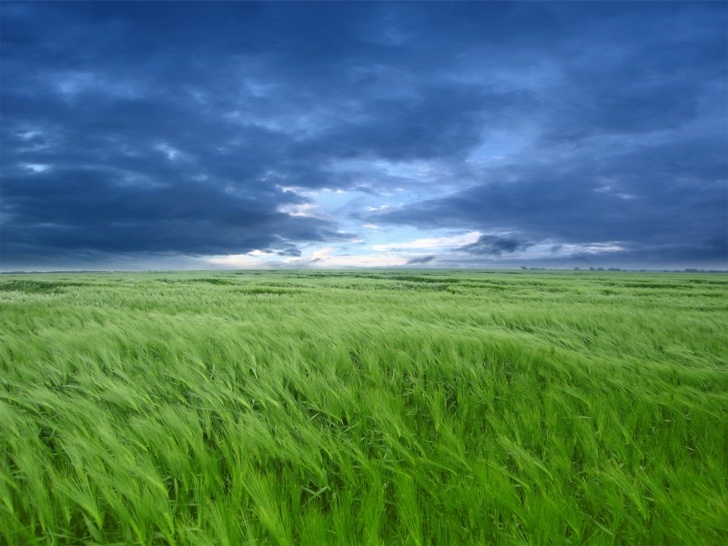
A drought has hit this grassland biome. How will this effect the rabbit population?
a)
The rabbits will increase in number.
b)
The rabbit population will stay the same.
c)
The rabbit population will decrease.
d)
The rabbit population will become extinct immediately.
12.
Humans are not affected by the biodiversity of ecosystems.
a)
True
b)
False
13.

What is true about sustainability?

a)

Having a small number of species increases biodiversity

b)

Sustainability is how organisms change over time

c)

Sustainability is how much rainfall and sunlight an ecosystem receives

d)

The more different types of species you have (biodiversity) the better an ecosystem can sustain itself

14.
What is the difference between biotic and abiotic?
a)
Biotic are non-living things
b)
Abiotic are living organisms
c)
Biotic is life,
Abiotic is non-living
d)
Biotic is non-living, Abiotic is living
15.
What does biodiversity mean?
a)
Only one species in an area.
b)
The different amount of species in an area
c)
All abiotic life
d)
Nitrogen fixation
16.
Which option is abiotic?
a)
Plants
b)
Bacteria
c)
Water
d)
Fungi
17.
Which option is abiotic?
a)
Plants
b)
Rocks
c)
Animals
d)
Fungi
18.
Which option is biotic?
a)
Plants
b)
Air
c)
Water
d)
Energy
19.
What percentage of energy is passed on to each tropic level?
a)
10%
b)
50%
c)
90%
d)
100%
20.
Non-living factor that affects an ecosystem
a)
biotic factor
b)
abiotic factor
c)
food chain 
d)
biome
21.
Does this picture show biodiversity?
a)
Yes
b)
No
22.
 Which biome is more likely to survive a change in the environment?
a)
High (rich) biodiversity
b)
Low (poor) biodiversity
23.
When an ecosystem is more diverse it has more sustainability.
a)
False
b)
True
24.
What is sustainability?
a)
the ability to be maintained at a certain rate or level.
b)
a bunch of animals
c)
a loss
d)
a win
25.
Does this have biodiversity?
a)
Yes
b)
No
26.
Does this have sustainability?
a)
Yes
b)
No
27.
If biodiversity is high then sustainability is ____?
a)
High
b)
Low
28.
If biodiversity is low then sustainability is ____?
a)
High
b)
Low
29.

What are abiotic factors?

a)

Factors that are NON-LIVING in an ecosystem.

b)

Factors that are LIVING in an ecosystem.

c)

Factors that are LIVING and USED-TO-BE-LIVING in an ecosystem.

d)

Factors that are both NON-LIVING and LIVING.

30.

Which of the following examples show the HIGHEST biodiversity in an ecosystem?

a)
b)
c)
d)
31.

Which of the following examples show the LOWEST biodiversity in an ecosystem?

a)
b)
c)
d)
32.

What is sustainability?

a)

The study of life in an ecosystem.

b)

The inability of an ecosystem to withstand stressors.

c)

The variety of life in the world or in a particular habitat or ecosystem.

d)

The ability of an ecosystem to maintain its full functions and properties over long periods of time even through times of stress or disturbance on the ecosystem.

33.

Which of the following examples have the BEST sustainability?

a)
b)
c)
d)
34.

What is the relationship between biodiversity and sustainability in an ecosystem?

a)

Increased biodiversity leads to decreased sustainability.

b)

Increased sustainability leads to decreased biodiversity.

c)

Increased biodiversity leads to increased sustainability.

d)

There is no relationship between biodiversity and sustainability.

35.

True or False? Higher biodiversity = more or higher sustainability.

a)

True

b)

False

36.
An example of an organism that might live in a microhabitat is...
a)
spider
b)
fox
c)
deer
d)
raccoon
37.

What is the difference in a microhabitat and a biome?

a)

size

b)

temperature

c)

climate

d)

precipitation

38.

A forest

a)

Habitat

b)

Microhabitat

39.

Tree Stump

a)

Habitat

b)

Microhabitat

40.
High biodiversity is 
a)
having a lot of the same organism.
b)
having a few of the same organism.
c)
having a lot of variety of different organisms.
d)
only having one of each organism. 
41.
Which option is abiotic?
a)
Plants
b)
Bacteria
c)
Water
d)
Fungi
42.
Which option is biotic?
a)
Light
b)
Water
c)
Salt in the water
d)
Angel fish
43.
 Which biome is more likely to survive a change in the environment?
a)
High (rich) biodiversity
b)
Low (poor) biodiversity
44.

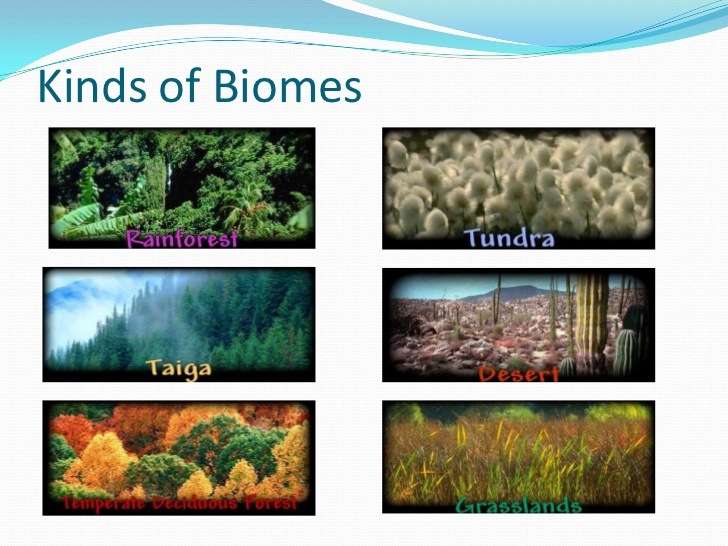
What biome is this

a)

tundra

b)

deciduous forest

c)

desert

d)

grassland

45.

What biome is this?

a)

Taiga

b)

Desert

c)

Tundra

d)

grassland

46.

What biome is this?

a)

Deciduous forest

b)

Rain forest

c)

Taiga

d)

Tundra

47.

This biome has very little rainfall, also extremely cold temperatures for most of the year, and frozen soil makes ponds form.

a)

Deciduous forest

b)

Tundra

c)

rain forest

d)

Grassland

48.

This biome is very hot all year long, found close to the equator, and has high amounts of rain fall.

a)

Rain forest

b)

Deciduous forest

c)

Taiga

d)

desert

49.
Biotic factors of an ecosystem are:
a)
non-living
b)
plants
c)
living thing
d)
soil
50.
Identify an a example of an abiotic factor?
a)
Panda
b)
Turtle
c)
Butterfly
d)
sunlight
51.
Which two biomes have the least precipitation?
a)
tropical rain forest and temperate grasslan
b)
savanna and tropical dry forest
c)
tundra and desert
d)
boreal forest and temperate woodland
52.
This biome is found around the equator and is home to a large amount of biodiversity.
a)
Deserts
b)
Tropical Rain Forests
c)
Savannas
d)
Chaparral 
53.
In which biome would you MOST LIKELY find this organism?
a)
savanna
b)
tropical rainforest
c)
temperate grassland
d)
tundra
54.
Areas defined by their geographical location and ecological similarity are called?
a)
ecozones
b)
biotopes
c)
biomes
d)
biodomes
55.
What is the main factor that separates the biomes?
a)
Land
b)
Water
c)
Climate
d)
Longitude
56.
Which biome creates 50% of the world's oxygen?
a)
Desert
b)
Marine
c)
Grasslands
d)
Tundra
57.
Which biome covers most of the land mass near the Earth's equator?
a)
tundra
b)
desert
c)
grassland
d)
tropical rainforest
58.
Which biome, because of its climate, has the largest number of species of plants and animals?
a)
tundra
b)
desert
c)
tropical rainforest
d)
pine forest
59.
Which biome has wide-open fields of grass?
a)
Taiga
b)
Grasslands
c)
Temperate Forest
d)
Rainforest
60.
The ability to conserve water is an important adaptation in which biome?
a)
Coniferous Forest
b)
Deciduous Forest
c)
Desert
d)
Tundra
61.
An example of an organism that might live in a microhabitat is...
a)
spider
b)
fox
c)
deer
d)
raccoon
62.

What is the difference in a microhabitat and a biome?

a)

size

b)

temperature

c)

climate

d)

precipitation

63.
Temperature, light, air, water, and soil are all  _____  parts of the environment
a)
alive
b)
biotic 
c)
abiotic
d)
living
64.
Which of the following is not an abiotic factor?
a)
sun
b)
temperature
c)
soil
d)
grass
65.

What does 'micro' mean?

a)

Very big

b)

Very small

c)

Medium

d)

Yummy

66.

Which of these is NOT a microhabitat?

a)

A rock pool

b)

The desert

c)

A fallen log

d)

A clump of grass

67.

What's a good place to find bugs, spiders, and insects?

a)

On a rock

b)

Under a rock

c)

In a rock

d)

Next to a rock.