Wayground logo

Free Printable Worksheets

Font size

S
M
L
XL
Worksheets

Animal Behavior

Total questions: 85

Worksheet time: 43mins

Name
Class
Date
1.

The scent of food is an example of a (an) ____ stimulus.

a)

innate

b)

external

c)

internal

d)

habitual

2.

A (an) ____ is an environmental change that directly influences the activity of an organism.

a)

stimulus

b)

behavior

c)

innate response

d)

fixed action pattern

3.

Which is an example of innate behavior?

a)

pond ducks flocking to be fed

b)

bears leaning to catch fish

c)

human babies speaking words

d)

birds chirping when hatched

4.

Which is an example of a behavior?

a)

blood flowing through veins

b)

a dog avoiding a foul odor

c)

tree branch providing shade

d)

. a rabbit’s fur turning white

5.

Which behavior is genetically based and NOT linked to past experiences?

a)

innate behavior

b)

habituation

c)

operant conditioning

d)

classical conditioning

6.

A _________ is defined as a way an animal responds to a stimulus.

a)

response

b)

instinct

c)

attitude

d)

behavior

7.

Studies show what 2 factors influence an animal’s behavior?

a)

food & space

b)

genetics & experience

c)

experience & food

d)

genetics & food

8.

________________ behaviors result from an interaction between innate behaviors & past experiences.

a)

Genetic

b)

Hunting

c)

Innate

d)

Learned

9.

An innate behavior can be described by which of the following?

a)

Must be learned

b)

Not necessary for survival

c)

Present at birth and performed correctly from the first time

d)

Learned from experiences

10.

Canada geese fly south in fall to find food. In spring they fly back up north to have their young. What type of behavior is this?

a)

defense

b)

hibernation

c)

courtship

d)

migration

11.

Which of these is a LEARNED behavior?

a)

a peacock courting

b)

a whale migrating

c)

a dog sitting when told to

d)

a turtle hatchling crawling towards the ocean

12.

What is one way that groups of vertebrates DIFFER from one another?

a)

Not all vertebrates are ectothermic

b)

Not all vertebrates have a nervous system

c)

Not all vertebrates have a protective skin covering

d)

Not all vertbrates have blood that moves through vessels

13.

What would this beak be most useful for?

a)

cracking and eating seeds

b)

sipping nectar from tubular flowers

c)

ripping and tearing prey animals

d)

scooping and filtering water

14.

Which of these behaviors represents an example of migration?

a)

a skunk sprays a foul-smelling oil when a predator comes too close to it

b)

a male bird sings a specific song to attract female birds of the same species

c)

a beaver slows down its activities and remains in its home throughout the winter

d)

Caribou travel hundreds of kilometers before winter starts, and then return in the spring.

15.

Which of the following statements is NOT true about the behavior seen in this photo?

a)

It is a complex behavior: both innate and learned

b)

It is not usually taught to cubs by their mother

c)

It may be learned by watching other bears

d)

it may be improved upon the more the bear does it

16.

In winter, a bat stays in its cave, and its body temperature drops, its heart rate slows to a fraction of its normal rate, and it is barely breathing. What is this behavior called?

a)

Migration

b)

Hibernation

c)

courtship behavior

d)

territorial behavior

17.

The viceroy butterfly looks almost identical to the toxic Monarch butterfly, protecting it from predators. What is this called?

a)

hibernation

b)

migration

c)

camouflage

d)

mimicry

18.

This arctic hare is difficult to see against the snowy backdrop, which protects it from predators. What is this called?

a)

hibernation

b)

migration

c)

courtship behavior

d)

camouflage

19.

The male peacock uses these spectacular tail feathers in a display to try to attract the attention of females of the same species, and to try to find a mate. What is this called?

a)

hibernation

b)

migration

c)

courtship behavior

d)

territorial behavior

20.

A wolf cub comes too close to a skunk and gets a strong chemical sprayed in its face. Why does the skunk spray the wolf?

a)

The skunk is trying to attract a mate

b)

the skunk is using an inherited defense behavior

c)

The skunk is doing what it learned from its parents

d)

The skunk is learning to spray by trial and error

21.

A wolf cub came too close to a skunk, and was sprayed by its foul smelling chemical spray. Now, the wolf cub stays away from skunks. What type of behavior is this?

a)

innate behavior

b)

imprinting

c)

learned behavior

d)

migration

22.

A baby sea turtle hatches, digs out of its nest, and starts crawling towards the ocean. What type of behavior is this?

a)

learned behavior

b)

imprinting

c)

migrations

d)

innate behavior

23.

Which of the following is NOT an innate behavior?

a)

a baby sucking

b)

a spider spinning a web

c)

a child playing the piano

d)

a bird building a nest

24.
Why is a spider spinning a web an innate behavior?
a)
It learns how to spin the web from its mother.
b)
It learns how to spin a web through insight learning.  
c)
It is born knowing how to spin a web.
d)
It learns how to spin a web through observational learning.
25.
Which type of behavior is most likely to occur due to a seasonal change stimulus?
a)
migration
b)
estivation
c)
reproduction
d)
social grooming
26.
An octopus can change its color to match its surroundings. This is an example of which type of behavior?
a)
camouflage
b)
mimicry
c)
cooperative behavior
d)
estivation
27.
The behavior of some animals to attract other animals
a)
Courtship
b)
Dating
c)
Showing off
d)
Hibernation
28.
Traveling to a different region during different times of the year
a)
Migration
b)
Communication
c)
Hibernation
d)
Competition
29.
(6-3.5) In the fall, black bears eat so much that they can gain up to 68 kg of fat in just two months.Why do black bears gain so much weight?
a)
to become stronger so they can better defend themselves
b)
to prepare for migration
c)
to attract a mate
d)
to prepare for hibernation
30.
This stimulus cues an animal to eat, food is for energy:
a)
thirst
b)
sleepiness
c)
sweating
d)
hunger
31.
A dog rolls over and gets a treat, so she rolls over again. This is an example of a...
a)
learned behavior
b)
inherited behavior
c)
physical trait
d)
instinct
32.
The following are inherited traits of humans EXCEPT...
a)
long hair
b)
long eyelashes
c)
blue eyes
d)
small dimples
33.
Which is an example of a learned characteristic?
a)
Color of a dog's fur
b)
A mouse successfully running a maze
c)
Color-blindness
d)
Blinking your eyes several times a minute
34.
Smelts are fish that lay their eggs in the sand of a beach. When the eggs hatch, the babies know to go to the water. This is an example of...
a)
inherited behavior
b)
camouflage
c)
hibernation
d)
learned behavior
35.
If an animal migrates then they
a)
find a hole to sleep in
b)
change the color of their fur
c)
travel to a warmer location
36.
What does it mean to hibernate?
a)
To change your physical characteristics
b)
To sleep for an extended period of time during the winter
c)
To travel to a warmer location
d)
To eat all the oreos
37.
An animal can blend in with its surrounding by using __________________
a)
migration
b)
camouflage
c)
hibernation
d)
prey
38.
A Porcupine has sharp quills.  Why would a porcupine need this adaptation?
a)
to protect itself
b)
to keep warm
c)
to kill its prey
d)
to cover its skin
39.
The behavior of some animals to attract other animals
a)
Courtship
b)
Dating
c)
Showing off
d)
Hibernation
40.
Some male birds perform elaborate dances in order to attract females. This is an example of _______.
a)
camouflage
b)
insight
c)
courtship
d)
mimicry
41.
This is a behavior when certain animals travel together for protection:
a)
mimicry
b)
camouflage
c)
grouping
d)
blending
42.
How do an animal's physical characteristics help them?
a)
to move
b)
to obtain resources
c)
to defend themselves
d)
All of the above
43.
The arctic fox and snowshoe hare develop a white coat of fur during the winter months. What statement best describes this behavioral response?
a)
The color of the fur will attract a mate
b)
White fur allows the animals to reflect light and stay warm
c)
Snow falls during the winter and the white fur will camouflage the animals
d)
It becomes colder during the winter, so these animals need more fur to stay warm
44.
When an animal blends in with its background to hide from its predator or prey, that is called
a)
camouflage
b)
mimicry
c)
imprinting
d)
conditioning
45.

A _______ exchanges oxygen and carbon dioxide in water.

a)

lung

b)

gill

c)

filter

46.

An animal that does not have a backbone is a(n) _____________.

a)

vertebrae

b)

spineless

c)

invertebrate

47.

Humans belong to the _______

group of _________.

a)

mammal, vertebrates

b)

mammal, invertebrates

48.

The group of invertebrates containing the most animals is the ____________.

a)

amphibians

b)

birds

c)

arthropods

49.

The one trait that makes birds different from all other groups of animals is _____________.

a)

wings

b)

feathers

c)

beaks

d)

they fly

50.
What surrounds the mouth of Cnidarians?
a)
guard cells
b)
pinococytes
c)
tentacles
d)
spines
51.

Many cnidarians feature 2 body forms, the asexual ____________, and the sexual _____________.

a)

blastula, planula

b)

metusa, poly

c)

planula, blastula

d)

polyp, medusa

52.
Anemones belong to which phylum?
a)
Cnidaria
b)
Porifera
c)
Echinodermata
d)
Platyhelminthes
53.
Sponges belong to which group of animals?
a)
Vertebrates
b)
Invertebrates
54.
Animals that lack a backbone are called
a)
invertebrates
b)
vertebrates
c)
fungi
d)
organism
55.

What type of symmetry does a sponge have?

a)

bilateral symmetry

b)

radial symmetry

c)

asymmetry

d)

medial symmetry

56.

The animal's digestive tract forms from the _______.

a)

endoderm

b)

mesoderm

c)

ecotoderm

d)

protostome

57.
What occurs when the body can’t be divided into similar sections (mirror images)?
a)
asymmetry
b)
symmetry
c)
segmented
d)
unsegmented
58.
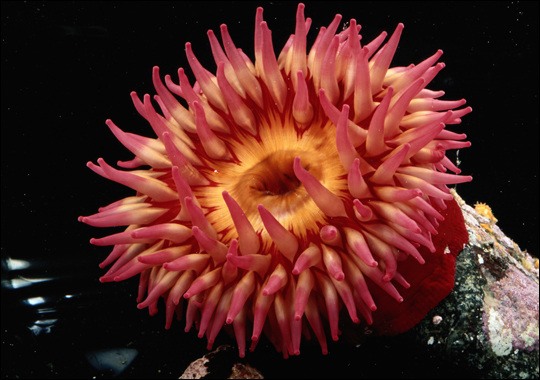
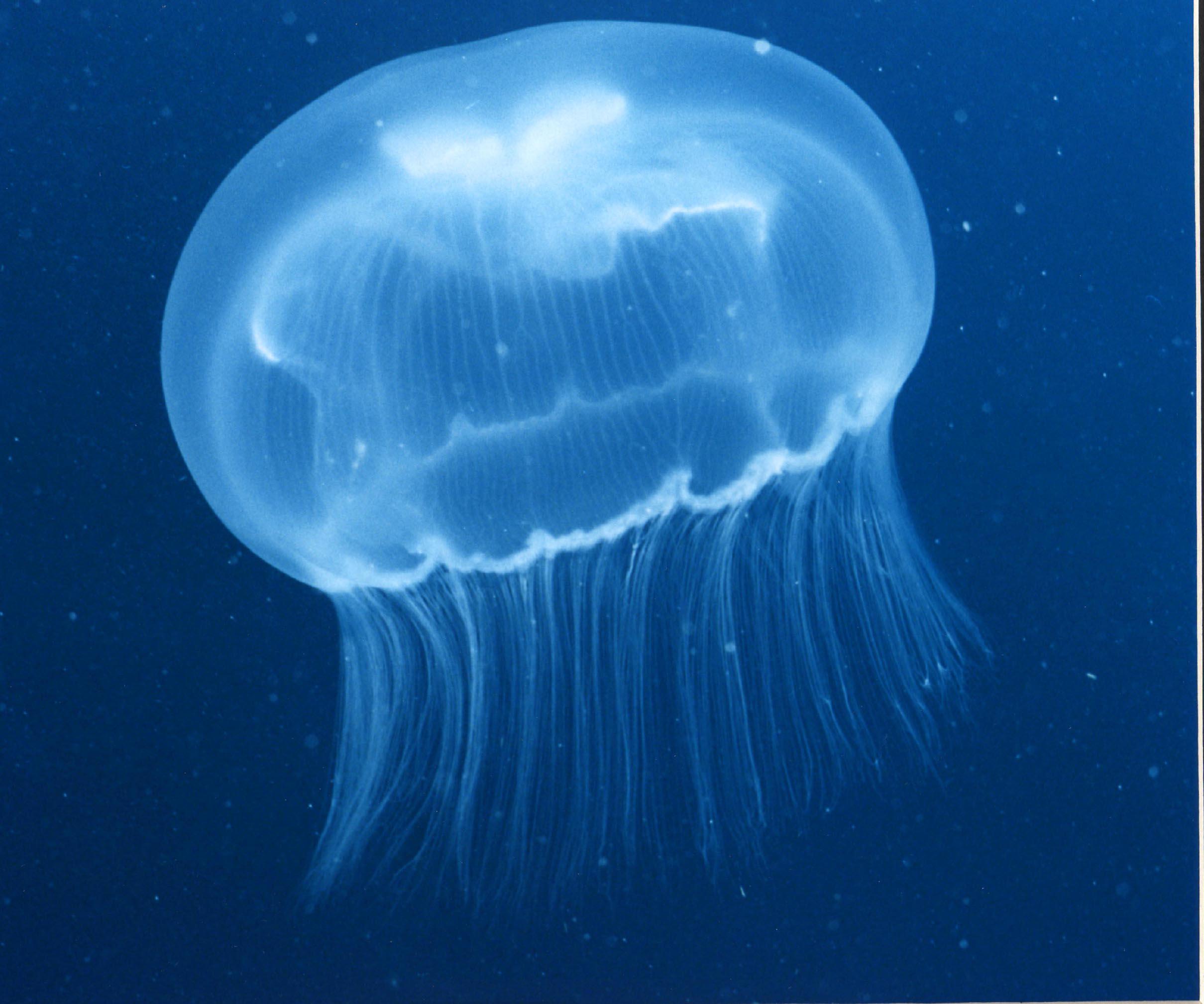
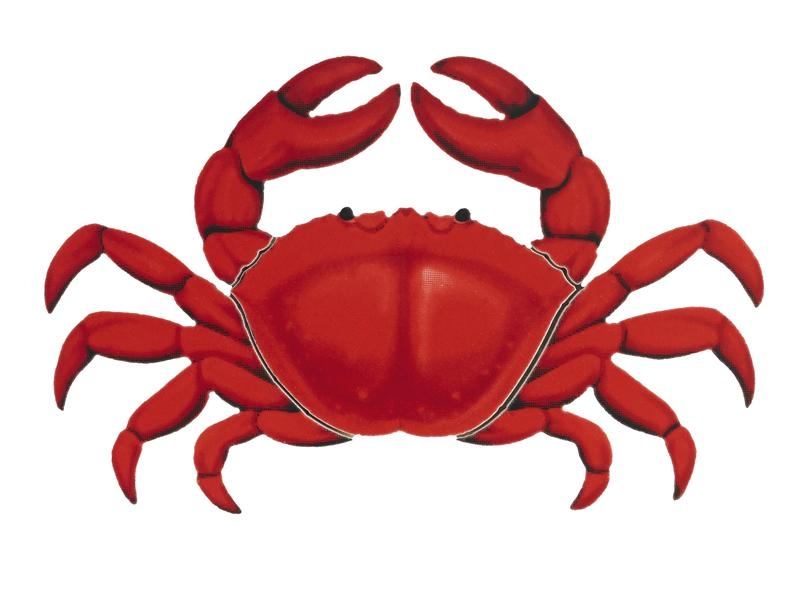
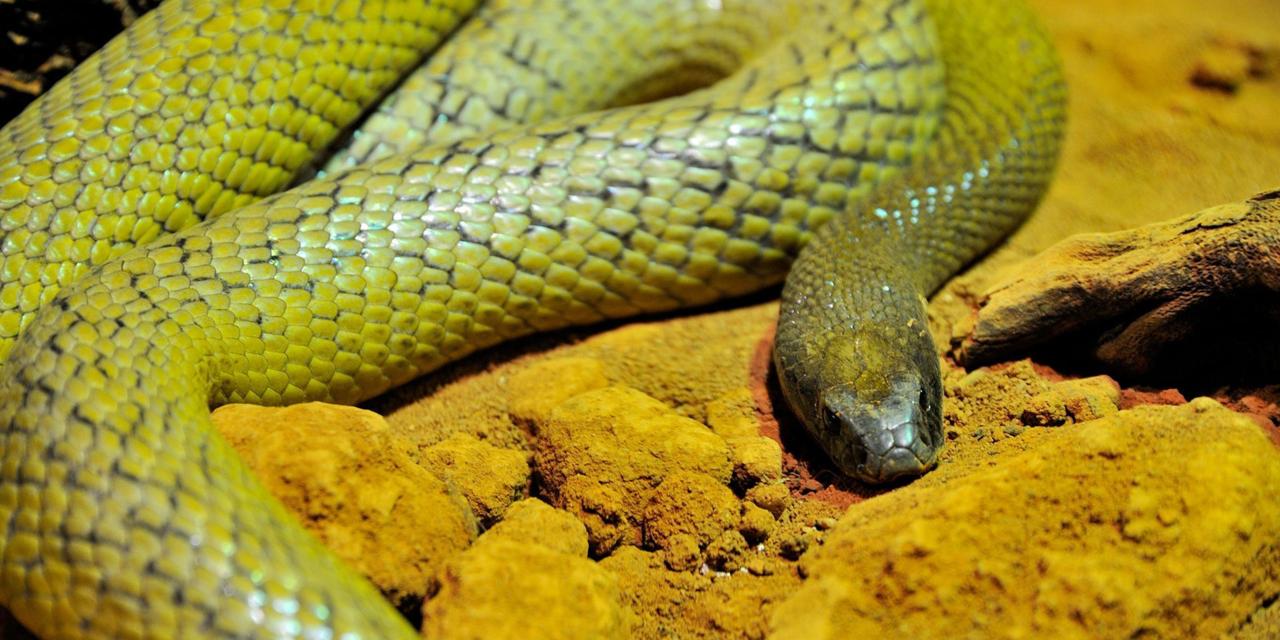
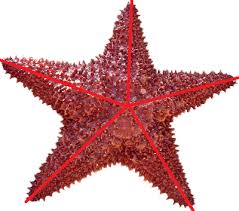
What type of symmetry does this animal exhibit?
a)
Asymmetry
b)
Bilateral symmetry
c)
Radial symmetry
59.
What type of symmetry does this animal exhibit?
a)
Asymmetry
b)
Bilateral symmetry
c)
Radial symmetry
60.
What type of symmetry does this animal exhibit?
a)
Asymmetry
b)
Bilateral symmetry
c)
Radial symmetry
61.
What is the purpose of the coelom?
a)
To act as an exoskeleton
b)
To aid in regurgitation
c)
To assist in reproduction
d)
To protect the internal organs
62.
What type of symmetry does this animal exhibit?
a)
Asymmetry
b)
Bilateral symmetry
c)
Radial Symmetry
63.
All animals are either
a)
single celled or multicelled
b)
radially symmetrical or bilaterally symetrical
c)
have backbones or notochords
d)
vertebrates or invertebrates
64.

What type of body symmetry does the picture have?

a)

Asymetrical

b)

Bilateral

c)

Radial

65.

What type of body symmetry does the picture have?

a)

Asymetrical

b)

Bilateral

c)

Radial

66.

What type of body symmetry does the picture have?

a)

Asymetrical

b)

Bilateral

c)

Radial

67.
What type of symmetry is displayed in the picture?
a)
asymmetry
b)
bilateral symmetry
c)
radial symmetry
d)
photosynthesis
68.
What type of symmetry is pictured?
a)
bilateral symmetry
b)
radial symmetry
c)
asymmetry
d)
cellular respiration
69.
round worms
a)
Nematoda
b)
Mollusca
c)
Porifera
d)
mammals
70.
soft-bodied; some have shell; muscular foot
a)
Mollusca
b)
Porifera
c)
birds
d)
Platyhelminthes
71.
flatworms
a)
Platyhelminthes
b)
Echinoderms
c)
fish
d)
reptiles
72.
lay eggs, most fly, hollow bones
a)
birds
b)
fish
c)
Arthropoda
d)
Nematoda
73.
live in water, some lay eggs, some have embryos that develop inside the female
a)
fish
b)
mammals
c)
birds
d)
Nematoda
74.
live in water, some lay eggs, some have embryos that develop inside the female
a)
fish
b)
mammals
c)
birds
d)
Nematoda
75.
live near fresh water; have thin skin that must be kept moist
a)
amphibians
b)
fish
c)
mammals
d)
Echinoderms
76.
bodies covered in scales or plates; reproduce by laying eggs
a)
reptiles
b)
birds
c)
mammels
d)
amphibians
77.
gets energy by eating other organism
a)
consumer
b)
producer
78.
an internal skeleton that supports and animal's body
a)
endoskeleton
b)
exoskeleton
c)
chordata
79.
animals that have a backbone
a)
veretebrates
b)
invertebrates
80.
animals that do not have a backbone
a)
vertebrates
b)
invertebrates
81.
hard, external covering of some invertebrates
a)
chordate
b)
exoskeleton
c)
endoskeleton
82.
Which animal is an example of bilateral symmetry?
a)
sponge
b)
butterfly
c)
Sea Anemone
83.
Which Phylum do Clams belong to?
a)
Chordata (Vertebrates)
b)
Mollusca
c)
Arthropoda
84.
All animals are capable of 
a)
flight
b)
sight
c)
movement
d)
speech
85.
Color or pattern that helps an animal blend in with its habitat
Adaptation: polar bears in the Artic

a)
Hibernation
b)
Locomotion
c)
Camouflage
d)
Migration