
 Worksheets
Changes in Species over Time
Total questions: 111
Worksheet time: 2hrs 30mins
Who established that all species of life descended over time from common ancestors?
Albert Einstein
Gregor Mendel
Charles Darwin
Robert Hooke
_______ are unique traits developed by organisms to help them survive, thrive, and reproduce in their particular environment.
cells
mutations
chromosomes
adaptations
Natural selection is defined as
the changes in the characteristics within a population that lead to survival.
the process by which humans select the most desirable organisms in a population.
the changes that occur in a population that do not affect survival.
Some organisms have favorable traits that are well-suited to their environments. Organisms with this advantage are more likely to thrive, reproduce, and pass their traits to future generations than organisms without favorable traits. This process is known as
genetic engineering
natural selection
selective breeding
artificial selection
How long does it take for a species to change?
A few years
Hours
A very long time
A month or two
Which of the following is an example of natural selection?
Cricket frogs prefer to sleep during the day, while red-eyed tree frogs prefer to sleep during the night.
Pesticides are sprayed in a field, resulting in an increase in crop growth and a decrease in insect population.
Rabbits with a mutation for longer, thicker fur survive an unusually cold winter, while many normal rabbits do not survive.

Which of the following explains what environmental and physical characteristics of the finch s
led Darwin to develop his theory?
Darwin concluded that the beaks were different because the finches were not related species
on the different islands.
Darwin concluded that the beaks were different because they are attracting various predators
that will eat them for energy.
Darwin concluded that the beaks were different because they are acquired traits that developed based on the food source.
Darwin concluded that the beaks were different because the food source allowed for
survival of the trait that was best and passed on.
The following are the main points of natural selection EXCEPT:
Population has variations.
Some variations are favorable.
More offspring are produced than survive.
A population won't change over time.
What is an adaptation?
an animal that hunts and eats other animals
a group of individuals of one species
a change that helps an organism survive in its habitat
the process by which helpful traits pass on to new generations
How do scientists know that species change over time?
they observe animals in the zoo
they read books about animals
they look for predators
they study fossils
some finches eat insects; other finches eat fruit. Which hypothesis does this fact support?
different finches have adapted to the food sources in their habitats
some finches cannot learn to pick insects out of tree bark
some birds are more colorful than other birds
the finches that eat fruit will become extinct
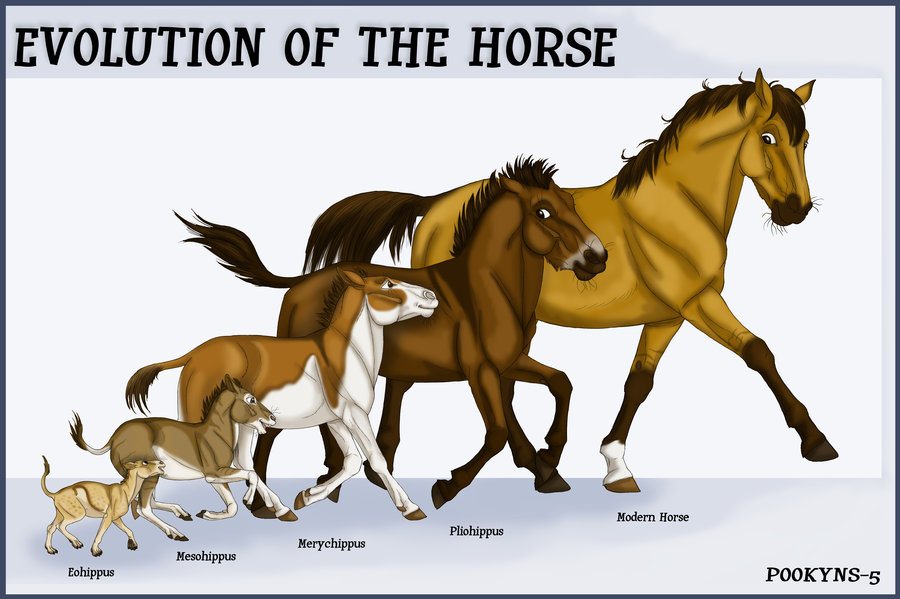
Fossils of horses from 3 million years ago have short legs. Fossils of horses from 1 million years ago have much longer legs. Which sentence best summarizes this fossil evidence?
horses with longer legs are more beautiful and more popular
horses have not adapted to their habitats
longer legs gave the horse a survival advantage as the environment changed
the older fossils were probably dogs and not horses
Which adaptation helps the animal escape from predators?
the bear sleeps during winter
the toad blends into its environment
a frog grow legs
a bird migrates with the season
Studying fossils and observing anatomy belong to
traits and adaptations
survival and selection
evidence of change
Over time, this results in changes in inherited characteristics of a population. These changes increase a species fitness in its environment
Descent
Natural Selection
Natural Variation
Artificial Selection
Darwin collected the preserved remains of ancient organisms, called what?
Evolution
Adaptation
Fossils
Fossil Record
Species ____________ over time
Change
Reproduce
Structures that have different mature forms in different organisms, but develop from the same embryonic tissue is what?
Natural Variation
Survival of the fittest
Similarities in early development
Homologous structures
Which of the following ARE examples of evidence of evolution? (Choose all that apply)
The fossil record
Geographic distribution of living things
Homologous body structures
Similarities in early development
Where some of the individuals are better suited for the environment.
Natural variation
Artificial selection
Struggle for existence
Survival of the fittest
What are organs that serve no useful function in an organism called?
Homologous structures
Vestigial organs
Organ disadvantage
Descent organs
Darwin observed many different species of finches while on the Galapagos Islands, what did he conclude about the finches?
a. They evolved from a common ancestor on the main land
b. They evolved from many different types of birds
c. They all came from different countries
Which of the following items is most likely preserved as a fossil?
A flower
Blood
A tooth
Most fossils are found in:
igneous rock
sedimentary rock
metamorphic rock
What does the fossil record tell scientists?
Only dinosaurs have formed the fossils scientists have discovered
There are very few organisms that have gone extinct
Species have evolved over time
Similar structures that are inherited from a common ancestor are called
homozygous structures
identical structures
homologous structures

An embryo can include the following.
A plant in the early stages of development.
A bacteria in the early stages of development.
An animal in the early stages of development.
A newly hatched egg.
How does embryology support the Theory of Evolution?
It shows that embryos who develop similarly share a common ancestor
It shows that embryos who develop similarly are not related to one another
It shows that organisms have the ability to evolve, or change, over time

When vertebrates are in the early stages of development (an embryo) they all possess....
gill slits and tails
backbone and hands
hands and feet
tongue and mouth
What is an embryo?
An early stage of development of a multicellular organism.
A sex cell that begins to grow and diversify.
The genome of an organism before birth.
The fluid sac surrounding a developing organism in its earliest stages.


In stage 2 (middle row) fish embryos _________
are very different from bird and mammal embryos.
are still very similar to bird and mammal embryos.
show arm and leg buds.
are the only embryos with tails.

According to the images shown, which species are most related?
calf and rabbit
fish and human
pig and tortoise
salamander and chick

According to the images shown, which species are least related?
rabbit and calf
fish and salamander
tortoise and chick
human and fish.
How is comparative embryology used as evidence for evolution?
The similarities in development across organisms show how they are related.
The development of embryos shows evolution occurring in organisms before birth.
The similarities of embryos shows that all organisms used to once look like each other.
Comparative embryology is not used as evidence for evolution.

Human embryos have gill slits during development. What is the best explanation for this?
Humans are technically considered fish in the earliest stages of development.
This is how all embryos breathe before lungs develop.
It is a common mutation found in most vertebrate species.
It is an ancestral trait preserved in an organism's development.

What can be concluded from the diagram shown?
The more closely related the organisms are, the easier it is to tell them apart at an early embryonic stage.
The more closely related the organisms are, the harder it is to tell them apart at an earlier stage.
All organisms are equally related, and can be told apart from an early stage.
None of the organisms are related, and can be told apart at all stages.
What can be concluded from the diagram shown?
The more closely related the organisms are, the easier it is to tell them apart at an early embryonic stage.
The more closely related the organisms are, the harder it is to tell them apart at an earlier stage.
All organisms are equally related, and can be told apart from an early stage.
None of the organisms are related, and can be told apart at all stages.

Which of the following do mammals, including humans, have during embryological development?
Scales
Gill Slits
Fins
Tail


A Variation that makes an organism more suited to its surroundings
adaptation
variation
evolution
embryology
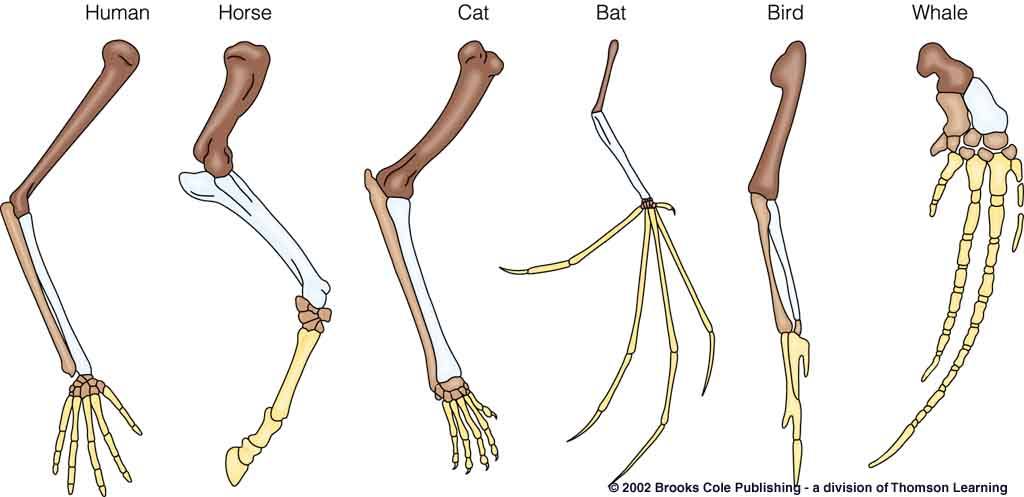
body parts of organisms that are similar in structure and position but different in function
homologous structures
comparative anatomy
analogous structure
vestigial structure
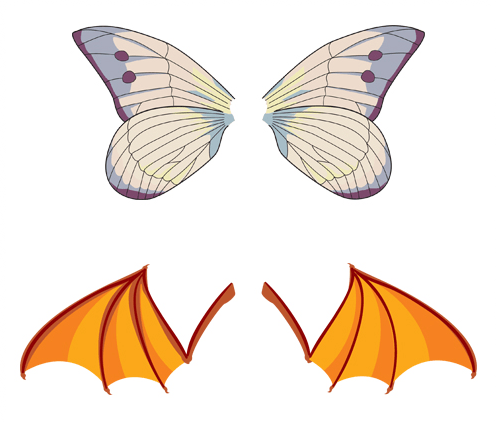
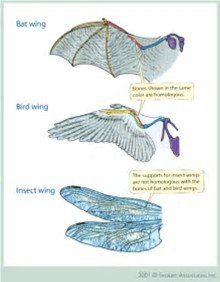
body parts that perform a similar function but differ in structure
homologous structures
analogous structures
vestigial structures
comparative anatomy
structures that have lost their original function through evolution
homologous structure
analogous structure
comparative anatomy
vestigial structure
have the ability to interbreed.
have the ability to interbreed.
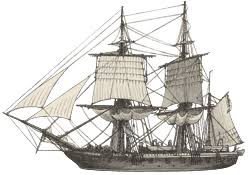
What was the name of Darwin's boat?
Indefatiguable
Bugle
Sloop John B
Beagle

The Galapagos Islands are off the coast of ________________.
North America
South America
Central America
Antarctica
Why did Darwin join the voyage of the HMS Beagle?
Because he was interested in trade routes.
Because he needed the money.
Because he wanted to expand on his research as a naturalist/ because a friend of his suggested he join the crew as a naturalist.
Because he was developing new medicines.
Where did Darwin's voyage on the HMS Beagle take him? (choose all that apply)
South America
Australia
New Zealand
Galapagos Islands
What islands did Darwin do most of his research on?
Hawaiian Islands
Malta Islands
Galapagos Islands
Indonesia Archipelagos
What did Darwin find on the island that was of particular importance when theorizing about the origin of life?
He discovered fossils of extinct animals with strong similarities with living creatures (mastodon for example).
He discovered new plant species that were alive when the dinosaurs were alive.
He found a subspecies that changed the evolutionary tree.
He realized that humans and chimps are closely related.
What unique animals did Darwin find on the islands? (choose all that apply)
Tortoises
Iguanas
Finches
Frogs
Where did Darwin record his findings from his travels?
In the book the Voyage of the Beagle
In the book Looking to South America
In the book Travels on a Sea Fairing Vessel
In the book South American Mapped
After the voyage, what did Darwin spend most of his time doing?
Working with Mendel on his research with inheritance
Starting working as a Doctor
He went back to school
Writing about his findings
What was the name of the book Darwin published?
How it is we evolved.
What is evolution?
The Origin of Species.
The Starting Point of All Life.
What were Darwin's 4 major finding about evolution?
Millions of species alive today arose from single original
life form branching through a process known as speciation
Evolutionary change was gradual
Evolution is process that moves towards complexity and perfection
Evolution did occur
The primary mechanism for evolution is natural selection
Based on Darwin's findings, what determines an organism’s ability to survive?
Its ability to have babies
Its ability to adapt to the environment
Its ability to move out of a bad environment
Its ability to win competitions


In what layer would you expect to find the remains of an Ambulocetus, which existed after the Pakicetus?
When there is a difference in population based on genes, it is said to be a _______________.
Mutation
Speciation
Extinction
Genetic Variation
How many months is a woman pregnant for?
11
12
10
9
The umbilical cord grows from the mother's
belly button
uterus
placenta
amniotic sac
Ideally the fetus turns itself feet first for delivery:
True
False

True or False: A zygote has 23 chromosomes in total.
True
False
Sexual reproduction is vital to the propagation of the Human race. Which of the following sequences represents the correct order of events in the formation of a human fetus?
Zygote → Blastocyst → Embryo → Fertilization
Fertilization → Zygote → Blastocyst → Embryo
Blastocyst → Embryo → Differentiation → Zygote
Fertilization → Growth → Differentiation → Zygote
______ implants itself into the lining of the uterus.
blastual
gastrula
blastocyst
morula

Which statement is true for the embryos of a salamander and a pig?
both lack limb buds (beginning stages of arms)
both lack gill slits
both have a vertebrate
both lack a tail

Based on the embryo pictorial data the fish is closely related to the...
salamander
tortoise
chick
hog
rabbit

Based on the embryo pictorial data the tortoise is closely related to the ...
fish
salamander
chick
hog
calf
What is a paleontologist?
Someone who studies ancient life
Someone who studies tigers
Someone who wants a dinosaur as a pet
Someone who studies animals
Why are paleontologists' jobs important?
They put dinosaurs on display in museums
They dig big holes
They teach us about animals we have on Earth today
We learn about how the Earth used to be and all about our planet
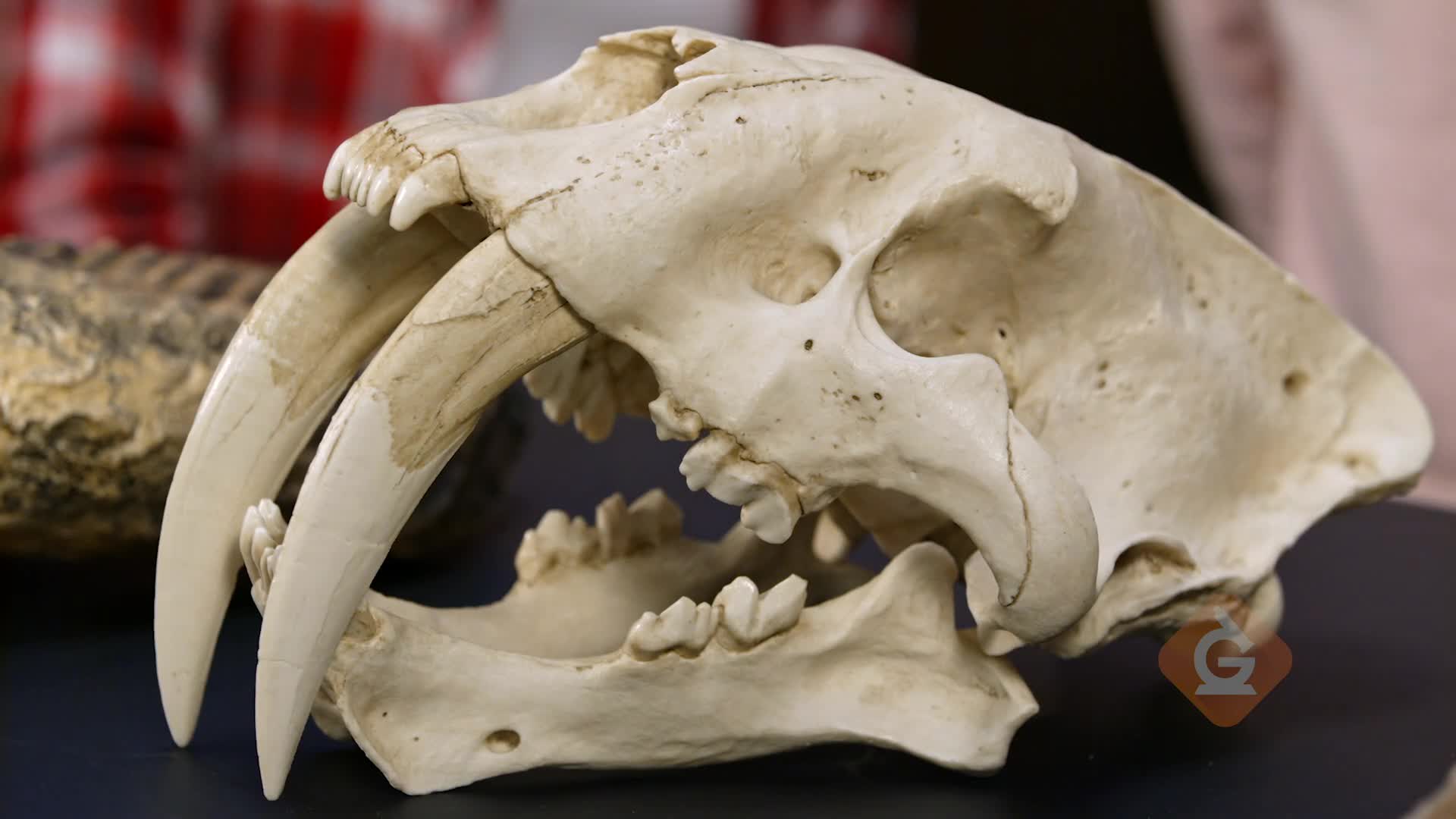

What did plants evolve from?
Gymnosperms
Vascular plants
Aquatic green algae
Seed plants

What is the common ancestor between whales and elephants?
Paraceratherium
Megalania
Uintatherium
Megladon

What is the ancestor to our modern day crocodile?
Paraceratherium
Uintatherium
Megalania
Megladon

