
 Worksheets
Science Final
Total questions: 116
Worksheet time: 2hrs 55mins

The protective covering of the body.
respiratory system
cardiovascular system
integumentary system
endocrine system

Gathers oxygen from the environment and gets rid of carbon dioxide from the body.
cardiovascular system
respiratory system
endocrine system
lymphatic system

Supports the body and protects important organs.
skeletal system
muscular system
nervous system
digestive system

Allows movement of body parts.
skeletal system
digestive system
excretory system
muscular system

Breaks down food into nutrients that can be used by the body.
excretory system
cardiovascular system
digestive system
nervous sytem
The protective covering of the body.
respiratory system
cardiovascular system
integumentary system
endocrine system
Gathers oxygen from the environment and gets rid of carbon dioxide from the body.
cardiovascular system
respiratory system
endocrine system
lymphatic system
Supports the body and protects important organs.
skeletal system
muscular system
nervous system
digestive system
Allows movement of body parts.
skeletal system
digestive system
excretory system
muscular system
Breaks down food into nutrients that can be used by the body.
excretory system
cardiovascular system
digestive system
nervous sytem

Moves blood through the body.
circulatory system
skeletal system
muscular system
nervous system

Responds to sensory information by transmitting signals to and from different parts of the body.
lymphatic system
endocrine system
cardiovascular system
nervous system

Removes wastes from blood.
excretory system
lymphatic system
endocrine system
digestive system

Makes chemical messages that regulate conditions inside the body.
circulatory system
respiratory system
endocrine system
muscular system


How do the skeletal and circulatory systems relate to each other?
Bone marrow produces blood.
The heart is made of cardiac muscle tissue.
The heart is held in place in the chest by ligaments.
The blood brings carbon dioxide and glucose to the cells of the bones.
All organ systems have this at its most basic unit.
Cells
Neurons
Tissues
Organs
Which systems work together to help your body move?
digestive and muscular
immune and skeletal
skeletal and digestive
skeletal and muscular
Which organ is part of your nervous system?
bone
brain
heart
lungs
Which system takes in oxygen and removes carbon dioxide and water from the body?
excretory
digestive
nervous
respiratory
Which two body systems interact in the lungs?
the urinary system and the reproductive system
. the endocrine system and the lymphatic system
the nervous system and the muscular system
the circulatory system and the respiratory system
Which two systems of a rabbit's body must be working together for the rabbit to run away from a fox?
digestive and endocrine
muscular and skeletal
reproductive and nervous
excretory and respiratory
Running is an activity that causes the cells in the muscular system to use oxygen at a faster rate. Which system responds by delivering more oxygen to these cells?
Circulatory
Muscular
Skeletal
Nervous
Which human body systems are directly involved in reflex actions, such as knee jerk, blinking, and jumping when startled?
circulatory and respiratory
digestive and excretory
nervous and muscular
reproductive and skeletal
Which three systems of the human body function together to move and control body parts?
nervous, skeletal, and muscular
muscular, endocrine, and excretory
digestive, excretory, and reproductive
circulatory, endocrine, and respiratory
Which organ systems are responsible for supplying the body with energy from food molecules?
Skeletal and circulatory systems
Digestive and nervous systems
Circulatory and digestive systems
Muscular and skeletal systems
The digestive and respiratory rely on the ___ systems to transport needed materials to the cells.
circlatory and excretory
circulatory and muscular
nervous and digestive
nervous and skeletal
How do the skeletal and circulatory systems relate to each other?
Bone marrow produces blood.
The heart is made of cardiac muscle tissue.
The heart is held in place in the chest by ligaments.
The blood brings carbon dioxide and glucose to the cells of the bones.
_______ are the smallest units of life because they grow, reproduce, respond, and use energy.
atoms
elements
cells
all of the above
Cells come from______.
other preexisting cells
cytoplasm
organelles
prokaryotes
The cell theory states that_________
cells come from cells
all organisms are made of cells
cells are the basic unit of structure and function for life
all of the above
A multicellular organism is made of
one cell
multiple cells
unicellular cells
there is no such thing as a "multicellular" organism
It is true, not all cells have a true nucleus, but all cells must have some sort of
DNA
Cytoplasm
Osmosis
Call Wall
This part of the cells controls what moves in and out
cell wall
cell membrane
Cytoplasm
organelles

What is the function of the organelle depicted in the photo?
To dispose of waste in the cell.
To capture sunlight and convert it into glucose for the cell.
To release energy into the cell.
To control what leaves and enters the cell.
True or False:
Chloroplasts are found in both plant and animal cells.
True
False

The purple organelle in photo depicts which organelle?
Nucleus
Endoplasmic Reticulum
Lysosome
Ribosome
A large central vacuole is found in a _____ cell.
animal
plant

Identify the structure that is indicated by the arrow in the image.
cell wall
central vacuole
chloroplast
nucleus

Identify the structure that is indicated by the arrow in the image.
cell wall
central vacuole
chloroplast
cell membrane
Which organelle serves as an internal transport system, and can be either "rough" or "smooth"?
Nucleus
Mitochondria
Cell Wall
Endoplasmic Reticulum
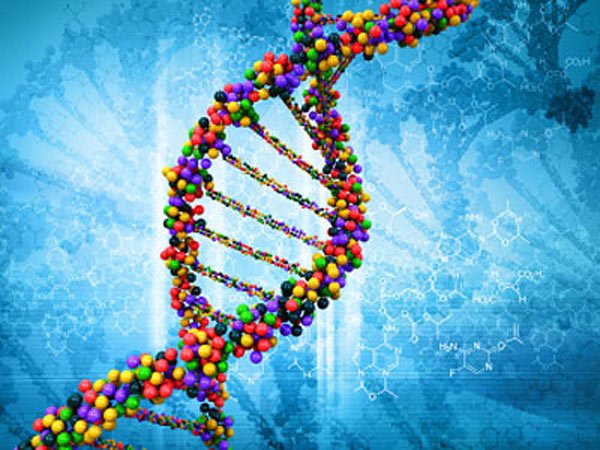
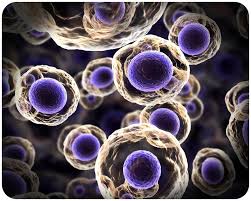


What organelle is called the "powerhouse" of a cell?
Endoplasmic Reticulum
Nucleus
Mitochondria
Nucleolus

What is the function of the vacuole?
Sac that stores water, nutrients, and waste products
Sac filled with digestive chemicals
Jelly-like substance within the plasma membrane
stack of membranes that packages chemicals

Where does photosynthesis occur?
mitochondria
stomata
xylem
chloroplast
Oxygen and Sugar
Chloroplast
Oxygen and Sugar
Which plant organelle transforms light into glucose to use as food?
Mitochondria
Vacuoles
Chloroplasts
Nucleus

This is the chemical formula for a molecule of...
Oxygen
Carbon dioxide
Glucose
Water
What is the purpose of photosynthesis?
To release energy
To create glucose
To grow
To get oxygen for respiration
Choose the statement that best describes light reaction.
It converts CO2 to sugar molecule
It converts light energy to chemical energy of ATP and NADPH
It takes place in the stroma
What is NOT the product of light dependent reaction?
ATP
NADPH
H2O
O2
•Plants and plant-like organisms make their own food or energy (glucose) from sunlight.
Chemotrophs
Heterotrophs
Autotrophs
Saprophytes
The passing of traits from parent to child is known as _______________.
heredity
gene
DNA
RNA
This trait is represented by a lower case letter and hidden whenever the dominant allele is present
dominant allele
codominance
recessive allele
Punnett Square
This trait is represented by a capital letter and always shows up in an organism when the allele is present
dominant allele
codominance
probability
recessive allele
Which of the following is homozygous recessive?
RR
Rr
rR
rr
Which genotypes are heterozygous?
EE
tt
Rr
Both EE and tt
Which genotypes are homozygous dominant?
EE
tt
Rr
Both EE and tt
Which genotypes are homozygous?
EE
tt
Rr
Both EE and tt
_____ is the genetic makeup of an organism.
phenotype
genotype
A ____ is a region of DNA that controls a trait.
gene
phenotype
chromatin
genotype
The ____ is the physical appearance of an organism.
genotype
phenotype
Passing traits from parents to their offspring
Genetics
Heredity
Punnett square
Monohybrid cross
The study of heredity is called
Science
DNA
Dominant
Genetics
If a new trait DOES help an organism survive, what may happen to it?
It dies and its DNA is not passed on
It survives and its DNA is passed on
It changes its traits to adapt and survive

What happened to the peppered moth population after the Industrial Revolution?
There were MORE LIGHT moths because the bird couldn't see them on the DARK TREES
There were MORE DARK moths because the bird couldn't see them on the DARK TREES
There were MORE DARK moths because the bird couldn't see them on the LIGHT TREES
What is natural selection?
When reproduction occurs and mutations happen.
When a offspring has the traits from its parents.
When an organism is able to camoflauge in its environment.
the process whereby organisms that are better adapted to their environment tend to survive and reproduce more offspring.
In a cold environment what would be some adaptive traits? Sellect all that apply.
thick blubber
thick fur
thin fur
strong muscles
What is a trait?
a color
the quality or characteristic of an organism
the DNA of an organism
when mutatuons cause extra limbs.
Why do offspring share traits from both parents?
offspring choose the traits they want
offspring get 75 percent of the traits from their father
offspring get 50 percent of each parents DNA
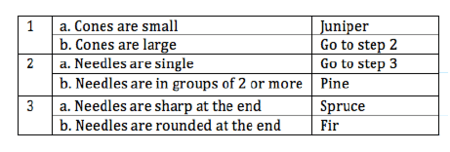


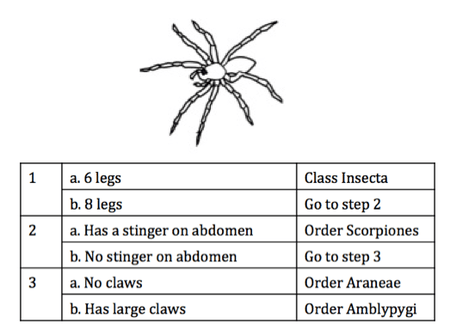

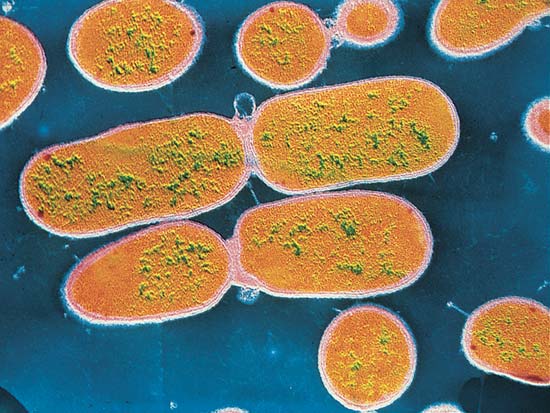
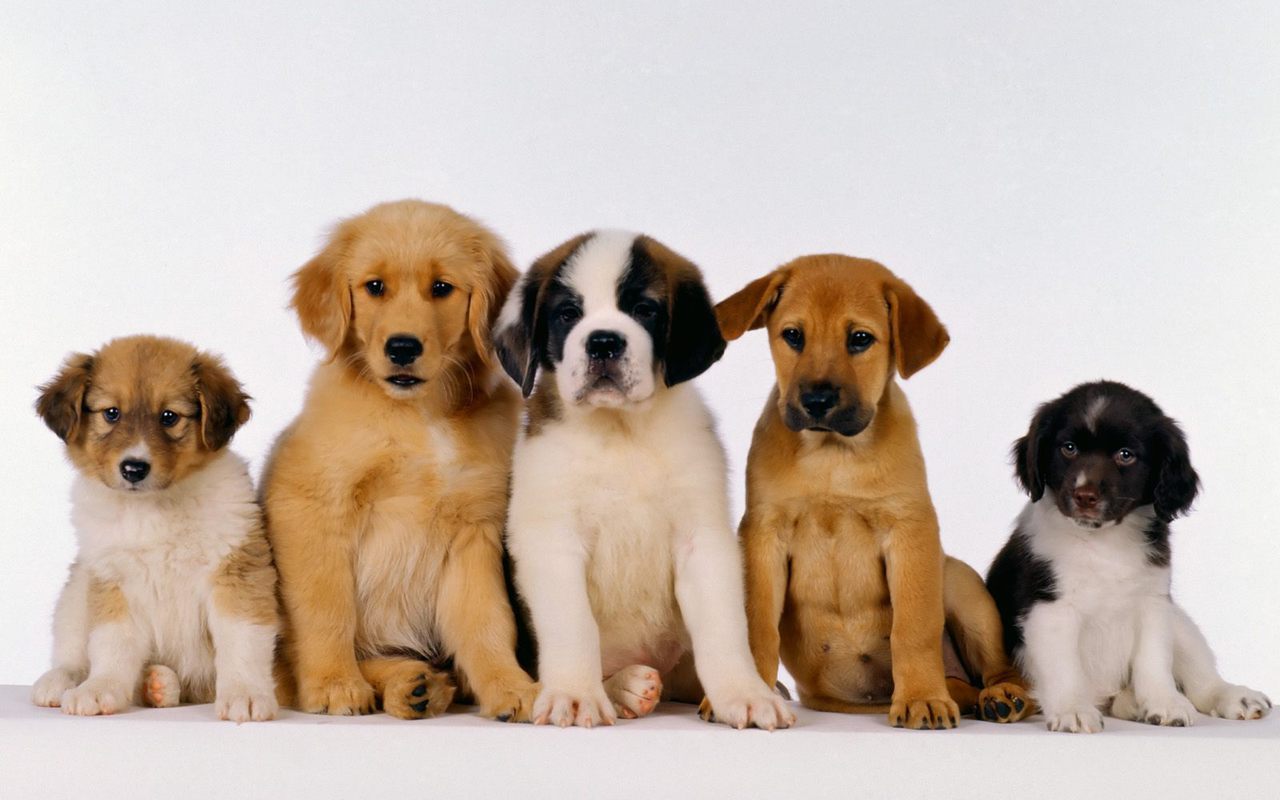


A mode of reproduction in which an organism arises from two organisms and inherits half of its DNA from each parent
Sexual Reproduction
Asexual Reproduction
Cloning
Fragmentation
Primary succession occurs in areas with:
very little soil
lots of soil
no soil
soil that has been disturbed
Which would most likely result in primary succession?
old forest growing
undisturbed prairie
pollution kills mountain lake species
a Newly formed volcanic island

The growth (or response) of a plant towards or away from LIGHT.
Phototropism
Geotropism
Thigmotropism
Hydrotropism
The growth (or response) of a plant towards WATER.
Phototropism
Geotropism
Thigmotropism
Hydrotropism
In plant cells, the force, exerted by the flow of water, within the cell that pushes the plasma membrane against the cell wall. This force gives plants structure and helps them stand up and not wilt.
External Stimuli
Internal Stimuli
Energy Transformation
Turgor Pressure
Selective breeding is...
a process to create an organism with desired traits from parents with those desired traits
natural method of producing offspring with desired traits
creating a new species
making organisms reproduce during times of stress
An example of selective breeding is
a dog breeder mating 2 dogs to make more dogs
a farmer grows bees to pollinate the plants on his farm
a person pollinates 2 white rose plants to only create white roses

After completing your calculations, what is the average amount of energy transferred from one trophic level to the next?
90%
70%
50%
10%
The lion would receive more energy from a producer at which trophic level?
Secondary consumer
Tertiary consumer
Quartenary Consumer

In this energy pyramid, which organisms have the most energy available?
Producers
Carnivores
Herbivores
Top Predator

An organism that recycles nutrients through an ecosystem by consuming dead plants or animals is known as a(n)...
Herbivore
Apex Predator
Producer
Decomposer
How might a lack of sunlight disrupt the food web?
It would cause consumers to consume less.
It would prevent decomposers from decomposing matter
It would prevent producers from producing nutrients.
It would not disrupt the food web at all.
How are primary consumers different from secondary consumers?
Primary consumers eat only plants; secondary consumers eat other consumers.
Primary consumers eat other consumers; secondary consumers eat only plants.
Primary consumers eat plants and other consumers; secondary consumers eat plants and decompose matter.
Primary consumers eat plants and decompose matter; secondary consumers eat plants and other consumers.

