
 Worksheets
Unit 3: cellular resp. & photosynthesis
Total questions: 85
Worksheet time: 57mins
Which type of organism would MOST likely benefit directly from increased levels of CO2?
mushroom
tree
bird
fish
Which of the following is produced during the process of cellular respiration?
carbon dioxide
sodium chloride
oxygen
sugar
Which two things are produced when a plant breaks down sugar to release energy?
oxygen and food
carbon dioxide and food
oxygen and carbon dioxide
carbon dioxide and water
If a single-celled organism that uses photosynthesis has its source of light removed, it will
divide repeatedly.
produce less energy.
grow in size.
generate more waste.
Which process is considered to be a part of the carbon cycle?
precipitation
metamorphosis
condensation
photosynthesis
How will clear-cutting of forests affect the level of carbon dioxide in the atmosphere?
It will decrease because of increased respiration.
It will increase because of decreased photosynthesis.
It will decrease because of decreased photosynthesis.
It will remain constant as respiring animals remove the carbon dioxide.
6. Which of the following represents the process of photosynthesis?
C6H12O6+6O2→6CO2+6H2O
6CO2+6H2O→C6H12O6+6O2
2H2O→2H2+O2
2H2+O2→2H2O
Which of the following BEST describes the flow of energy in a cabbage plant?
Chemical energy is absorbed by mitochondria, stored in sugars, and released in chloroplasts.
Chemical energy is absorbed by chloroplasts, stored in sugars, and released in mitochondria.
Solar energy is absorbed by chloroplasts, converted and stored in sugars, and released in mitochondria.
Solar energy is absorbed by mitochondria, converted and stored in sugars, and released in chloroplasts.
People take in and release gases from the air when they breathe. Which exhaled gas is a waste product of respiration?
helium
oxygen
carbon dioxide
hydrogen


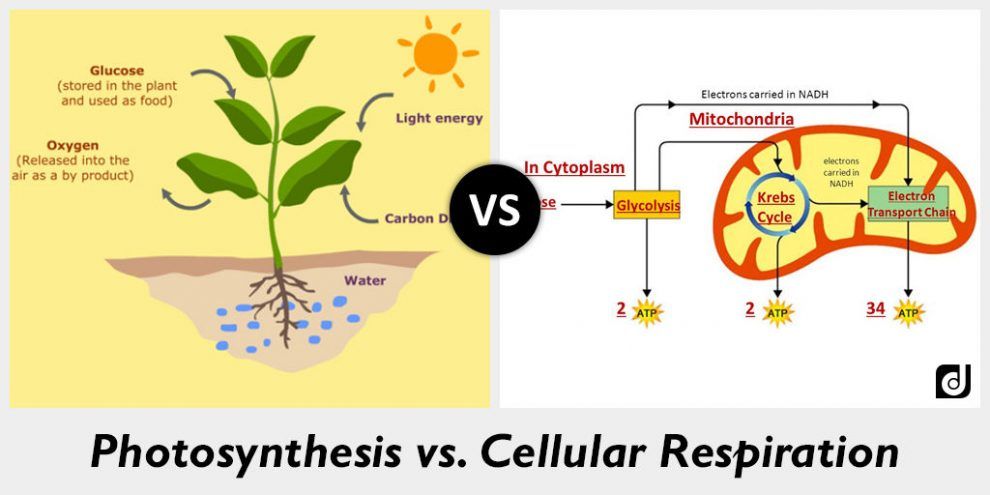
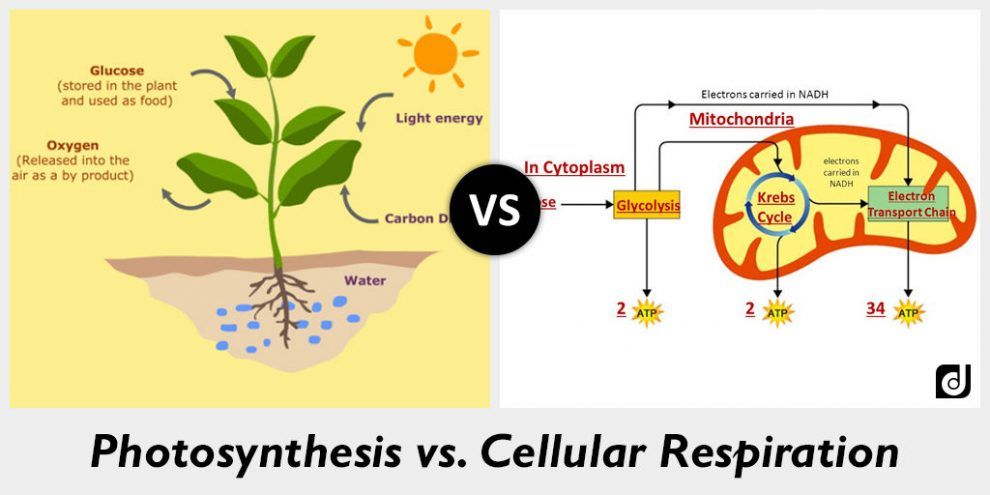
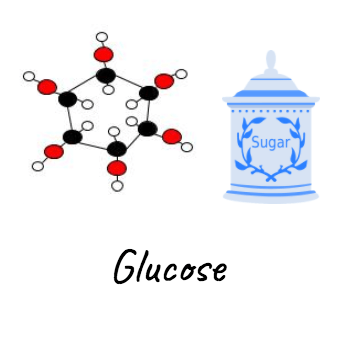
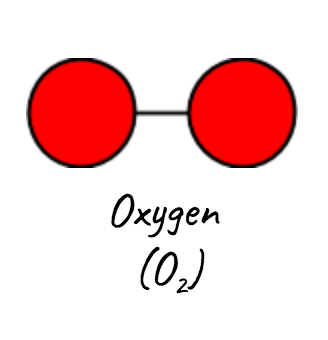
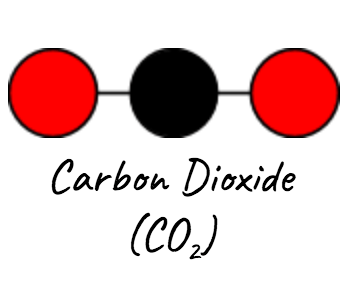
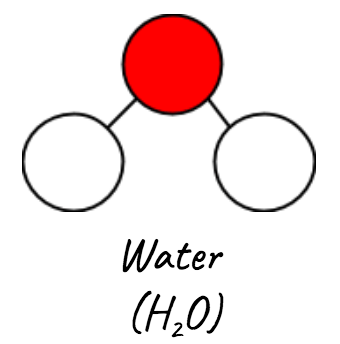
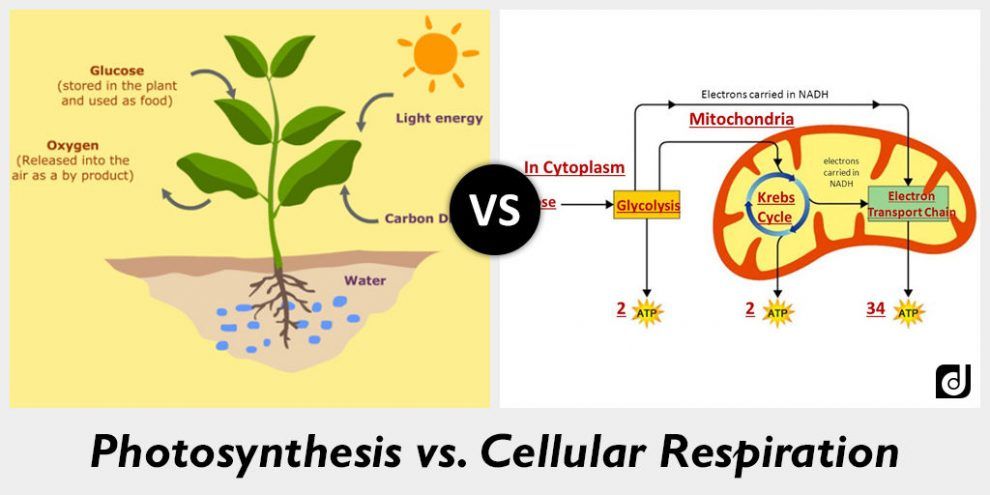

What is the name of the organelle with the green plate like structures
Vacuole
Nucleus
Chloroplast
Golgi Body
The first step of Cellular Respiration means splitting sugars or...
Glycolisis
Krebs cycle
Calvin Cycle
Kit-Kat bars

Which of the following organisms perform cellular respiration?
A
D
B and C
All of these
Fermentation is an anaerobic process for releasing energy from glucose. Anaerobic means it takes place in:
An oxygen-rich environment.
an environment devoid of light
an environment devoid of oxygen
What are the products in the light independent or Calvin Cycle of photosynthesis?
water
oxygen
carbon dioxide
glucose
What are the reactants in the light independent reaction or Calvin Cycle in photosynthesis?
carbon dioxide
ATP
NADPH
All of the above
In cellular respiration, the first step in releasing the energy of glucose in the cell is known as:
electron transport
glycolysis
the Krebs Cycle
the Calvin Cycle

After the bond depicted in the photo is broken, what will be the correct name of the molecule?
ATP
Glucose
ADP
NADPH
The light dependent portion of photosynthesis takes place in what part of the chloroplast?
mitochondria
cytoplasm
thylakoids
stroma
What are the correct steps, in order, of cellular respiration?
Light Dependent Reaction, Calvin Cycle, Dark Reaction
Glycolysis, Krebs Cycle, Electron Transport Chain
Photosynthesis, Glucose, Respiration
Krebs Cycle, Glycolysis, Electron Transport Chain
Which is a product of glycolysis?
2 molecules of pyruvic acid
1 molecule of glucose
NAD+
oxygen
Where does the pyruvic acid produced by glycolysis go next?
the Calvin Cycle
the electron transport chain
the Krebs Cycle
back through the glycolysis process
Glycolysis is the second stage of cellular respiration.
True
False
Which of these is broken down into pyruvic acid?
glucose
oxygen
water
How many high-energy electrons are passed to the carrier NAD+ to produce NADH in glycolysis?
2
8
5
4
Glycolysis has a net gain of how many ATP molecules?
2
4
6
How many ATP molecules are required to start glycolysis?
Four
Three
Two
One
Finish the phrase: “As the bonds in glucose are _______ and rearranged, energy is __________.”
broken, released
built, trapped
broken, trapped
built, released
Glycolysis has the potential to produce lots of energy very quickly.
True
False
Main products of the Calvin Cycle
Oxygen, NADP+, ADP
Glucose, CO2, ADP
ADP, NADP+, Glucose
ATP, NADPH, Oxygen
The Calvin Cycle occurs in the
Thylakoid
Grana
Inner membrane of chloroplast
Stroma
5 carbon sugar that combines with CO2 in the Calvin Cycle
3-PGA
G3P
RuBP
Glucose

Tiny pores on the underside of leaves
Stroma
Stomata
Thylakoids
Chloroplasts
The six carbon sugar initially made in the Calvin Cycle is unstable and breaks into two molecules of
ATP
G3P
RuBP
3-PGA
The six carbon sugar initially made in the Calvin Cycle is unstable and breaks into two molecules of
ATP
G3P
RuBP
3-PGA
Plants can close their stomata when the temperature is hot
To prevent water loss
To prevent loss of oxygen
To prevent loss of carbon dioxide
To bring in more carbon dioxide
A plant using the C4 pathway will
fix CO2 into a four carbon sugar instead of a three carbon sugar
close the stomata during the day
produce a four carbon sugar instead of glucose
not need ATP from the light reactions
Which is not a C4 plant?
Cactus
Corn
Sugar cane
Crab grass
Which of the following is a CAM plant?
Corn
Sugar cane
Crabgrass
Pineapple
Which of the following is true of the Light Reactions?
carbon dioxide and energy (ATP and NADPH) are used to make organic compounds
energy is absorbed from sunlight and converted to chemical energy stored in ATP and NADPH
Occurs in the stroma
Occurs in the cytoplasm
Which of the following is true of the Calvin Cycle?
carbon dioxide and energy (ATP and NADPH) are used to make organic compounds
energy is absorbed from sunlight and converted to chemical energy stored in ATP and NADPH
Occurs in the thylakoid
Occurs in the cytoplasm
Rate of photosynthesis ________ as light intensity _________
increases, increases
decreases, increases
increases, decreases
Temperatures that are too high can slow photosynthesis because
stomata stay open
enzymes are ruined
there is not enough CO2
there is too much water
It is the first of two stages in the process of photosynthesis. During the light reactions, photosystem II and photosystem I absorb light energy and produce ATP, NADPH, and O2
Light Dependent Reaction
Light Independent Reaction
Cellular Respiration
Glycolysis
It is an energy intermediate that provides the energy and electrons to drive the Calvin cycle during photosynthesis
NADP+
ATP
NADPH
NAPDH
The combined action of photosystem II and photosystem I in which electrons flow in a linear manner to produce
Cyclic electron flow
Noncyclic electron flow
Cyclic proton flow
Noncyclic proton flow
A distinct complex of proteins and pigment molecules in chloroplasts that generates oxygen from water during the light reactions of photosynthesis
Carotenoid
Photosystem II
Photosystem I
Chlorophyll c
The molecule in which a high-energy electron from an excited pigment molecule such as P680* is transferred during photosynthesis
Cytochrome Complex
Primary electron acceptor
Plastoquinone
Plastocyanin
Where is the site of the light-dependent reactions?
Stroma
Thylakoid membranes
Chlorophyll
Chemiosmosis
It is the movement of ions across a semipermeable membrane-bound structure, down their electrochemical gradient. An example of this would be the formation of adenosine triphosphate (ATP) by the movement of hydrogen ions (H+) across a membrane during cellular respiration or photosynthesis
Chemiosmosis
ETC
Diffusion
None of the above


Which of the following colors is not absorbed by chlorophyll pigments?
green
blue
violet
Which of the following is not needed to start the light reaction
H2O
ADP + P
CO2

