wayground logo

Free Printable Worksheets

Font size

S
M
L
XL
Worksheets

On Ramps Pre Semester Exam Challenge

Total questions: 136

Worksheet time: 1hrs 27mins

Name
Class
Date
1.
The process that converts food (glucose) into energy is called
a)
Cellular Respiration
b)
Photosynthesis
c)
Chloroplast
d)
Carbon dioxide
2.
The process of converting sunlight energy into chemical energy stored in a molecule is called
a)
Cellular respiration
b)
Photosynthesis
c)
Mitochondria
d)
Carbon dioxide
3.

Which of the following structure is where cellular respiration (Kreb's Cycle and Electron Transport Chain) occurs in the cell?

a)

nucleus

b)

cytoplasm

c)

mitochondria

d)

vacuoles

4.

What are the reactants (taken into) of cellular respiration? (Mark all of them!)

a)

oxygen

b)

glucose

c)

carbon dioxide

d)

water

e)

energy

5.

What is the correct equation for cellular respiration?

a)

6O2 + C6H12O6 -> 6CO2 + 6H2O + Energy

b)

6O2 + C6H12O6 + Energy -> 6CO2 + 6H2O

c)

6CO2 + 6H2O -> 6O2 + C6H12O6 + Energy

d)

6CO2 + 6H2O + Energy -> 6O2 + C6H12O6

6.
What is the name of the 1st step of cellular respiration?
a)
Glycolysis
b)
Kreb's Cycle
c)
ETC
d)
Anaerobic respiration
7.
Where does glycolysis take place?
a)
Cytoplasm
b)
Stroma
c)
Thylakoid
d)
Mitochondria
8.
This process releases chemical energy from sugars and other carbon-based molecules to make ATP when oxygen is present.
a)
photosynthesis
b)
light-independent reaction
c)
cellular respiration
d)
light-dependent reaction
9.
Glucose is broken down during which process
a)
Krebs cycle
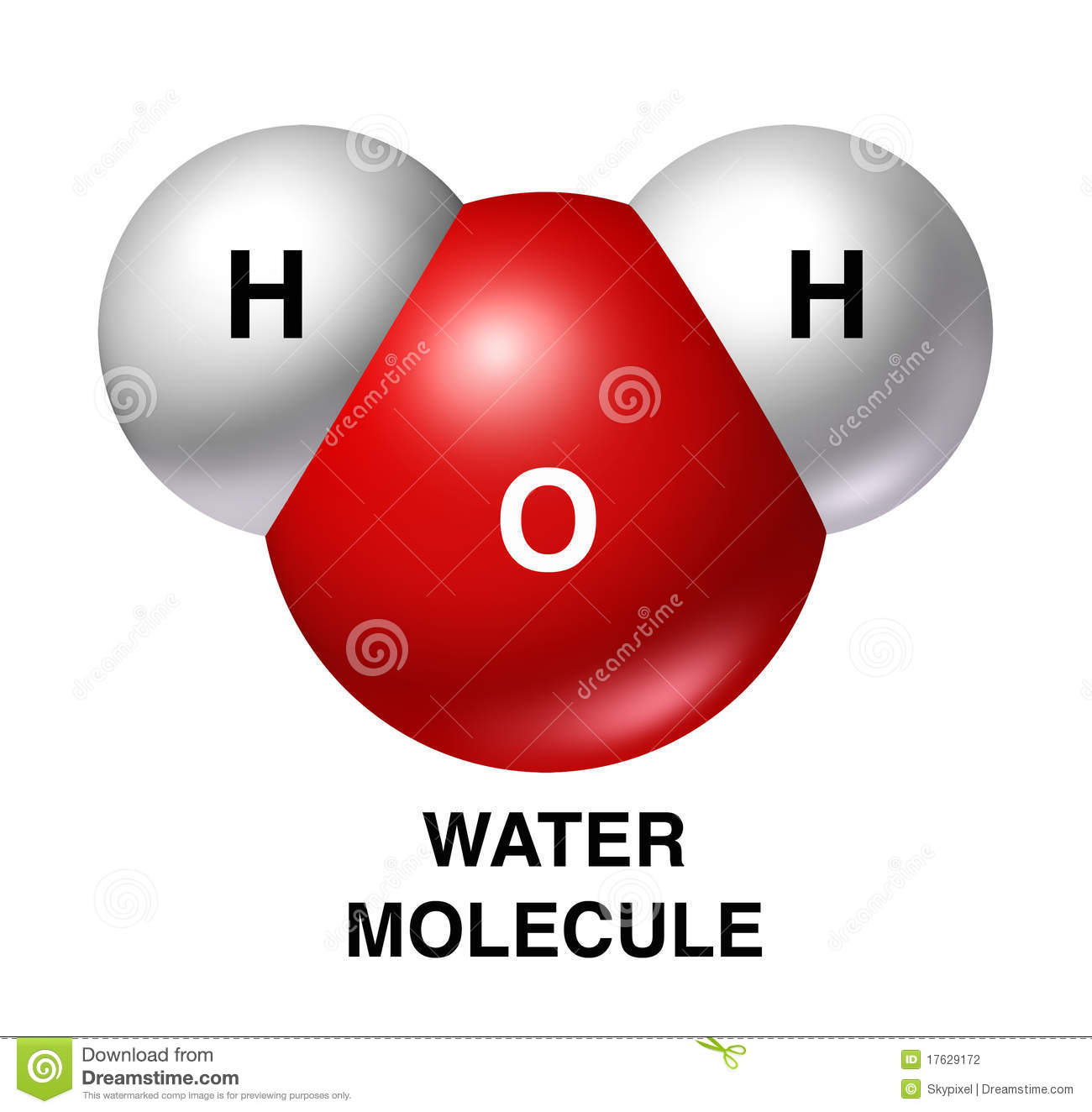
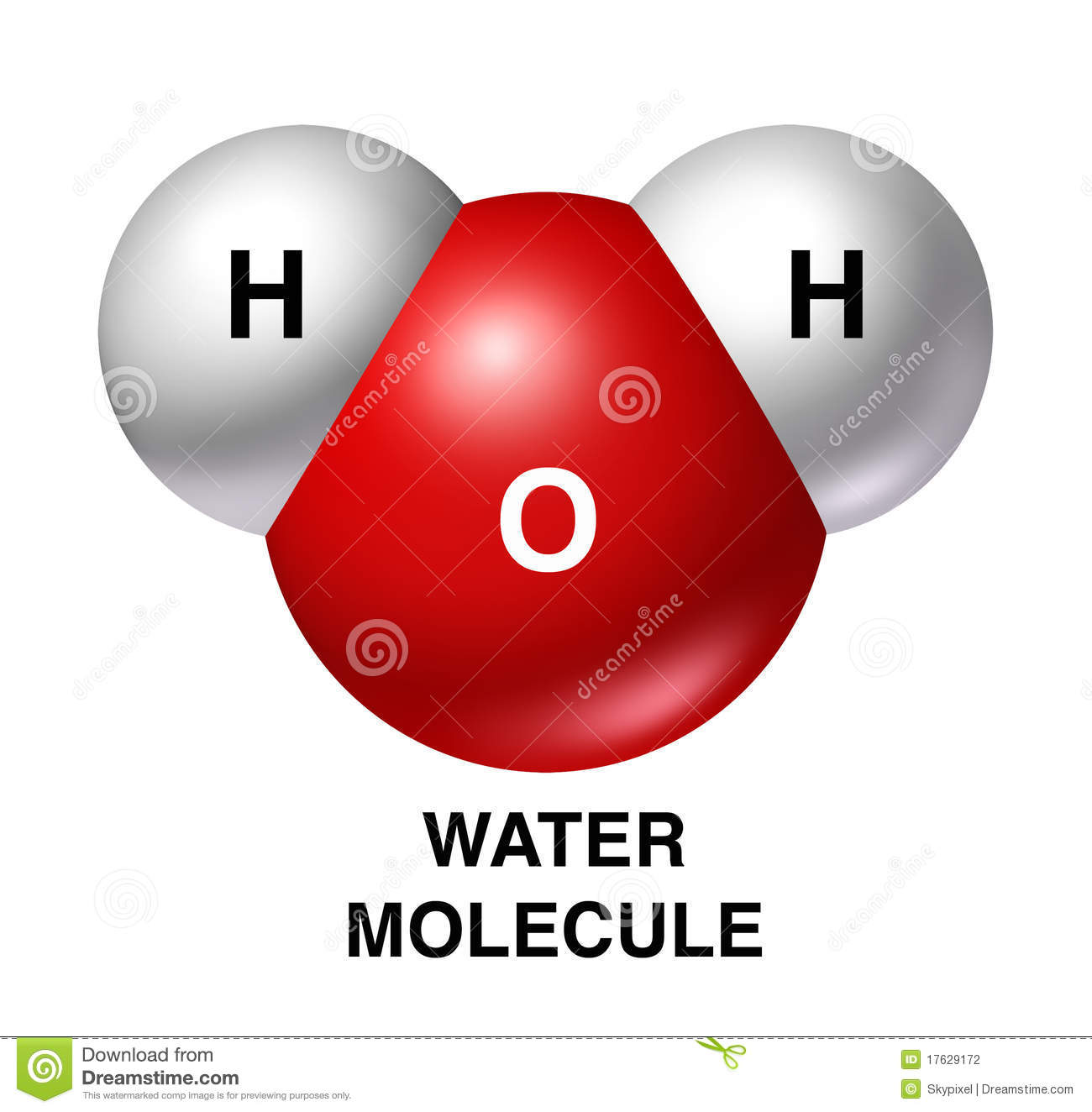
b)
Calvin cycle
c)
Glycolysis
d)
Photosynthesis
10.
Which is not a waste product of cellular respiration?
a)
Water
b)
Heat
c)
Carbon Dioxide
d)
Oxygen
11.
The energy in ATP is stored 
a)
in the bond between the second and third phosphate
b)
in the bond between the first and second phosphate
c)
in the bond between the adenosine and the first phosphate
d)
I like turtles
12.

Which of the following is a product of cellular respiration?

a)

Glucose

b)

Carbon Dioxide

c)

Oxygen

d)

Radiant Energy

13.

Which of the following is a product of cellular respiration?

a)

Radiant Energy

b)

Oxygen

c)

Glucose

d)

Water

14.

Which statement is true regarding cellular respiration?

a)

The reactants of cellular respiration are identical to the reactants of photosynthesis.

b)

The reactants of cellular respiration are obtained from the products of photosynthesis.

c)

The products of cellular respiration are the same as the products of photosynthesis

d)

Cellular respiration only occurs in autotrophs, photosynthesis occurs only in heterotrophs.

15.

A decrease in the amount of oxygen available will....

a)

not have an effect on the amount of energy produced during cellular respiration

b)

decrease the amount of glucose produced during cellular respiration

c)

cause the amount of water produced during cellular respiration to increase

d)

decrease the amount of energy produced during cellular respiration

16.
Before entering Krebs Cycle, pyruvate is:
a)
Oxidized
b)
Reduced
c)
Isomerized to Acetyl-CoA
d)
Phosphorylated
17.
The number of ATP molecules produced out of Krebs Cycle is:
a)
2
b)
3
c)
4
d)
0
18.
How many FADH2 molecules are produced by 1 molecule of glucose?
a)
1
b)
2
c)
3
d)
4
19.
How many FADH2 molecules are produced by 1 turn of the Krebs Cycle?
a)
1
b)
2
c)
3
d)
4
20.
Folds in the mitochondrion are called:
a)
Cristae
b)
Matrix
c)
Golgi Bodies
d)
Carbuncles
21.
Krebs Cycle takes place in the:
a)
Cytoplasm
b)
Matrix
c)
Ribsome
d)
InterMembrane Space
22.

Where is electron transport chain occur?

a)

Nucleus

b)

Vacuole

c)

Mitochondria

d)

Nucleolus

23.

The electron transport chain of photosynthesis is initiated by ____ in _____.

a)

Photosystem I; absorption of light

b)

absorption of light; Photosystem I

c)

Photosystem II; absorption of light

d)

absorption of light; Photosystem II

24.

Electron transport helps establish a _____ that powers ATP production.

a)

proton gradient

b)

vacuole

c)

peroxisome

d)

power vault

25.

Proton gradient ___ energy in the reduced coenzyme NADPH.

a)

release

b)

stores

c)

block

d)

make

26.

This excites the chlorophylls, making its electrons move faster.

a)

Light Photons

b)

Protons-E

c)

Proton Gradient

d)

Neurogen Light

27.

While at Photosystems II and I, the electrons ______ from sunlight.

a)

explodes

b)

shade

c)

release energy

d)

gather energy

28.

The amount of ATP created is _____ proportional to the number of protons that are pumped across the inner mitochondrial membrane.

a)

directly

b)

reversely

c)

inversely

d)

half

29.
the base that pairs with Thymine in DNA
a)
adenine
b)
guanine
c)
helicase
d)
nucleotide
30.
nitrogen base that pairs with guanine
a)
adenine
b)
cytosine
c)
nucloetide
d)
deoxyribose
31.
the process of making a copy of DNA
a)
transcription
b)
double helix
c)
DNA replication
d)
replication fork
32.
If we think of DNA as a ladder, which parts are the steps of the ladder?
a)
the nitrogenous base pairs
b)
the phosphate-sugar backbone
c)
the genes
d)
the phospholipid bilayer
33.
If we think of DNA as a ladder, which parts are the sides of the ladder?
a)
the nitrogenous base pairs
b)
the phosphate-sugar backbone
c)
the genes
d)
the phospholipid bilayer
34.
Which sequence of DNA bases would pair with this partial strand
CAT TCA CTG
a)
ATG TGA CAG
b)
TAC ACT GTC
c)
GTA AGT GAC
d)
CAT TCA CTG
35.
The enzyme that unwinds the DNA to prepare for replication
a)
helicase
b)
replicase
c)
polymerase
d)
synthase
36.
Why does DNA replicate?
a)
To create another copy for the new cell
b)
To create a duplicate copy in case the original gets damaged
c)
To create a new copy to replace the damaged original
37.

DNA replication results in

a)

2 completely new DNA molecules

b)

2 DNA molecules that each contain a strand of the original

c)

1 new DNA molecule and 1 old

d)

1 new molecule of DNA

38.

Enzyme that breaks hydrogen bonds (unzips)

a)

Ligase

b)

Polymerase

c)

Primase

d)

Helicase

39.

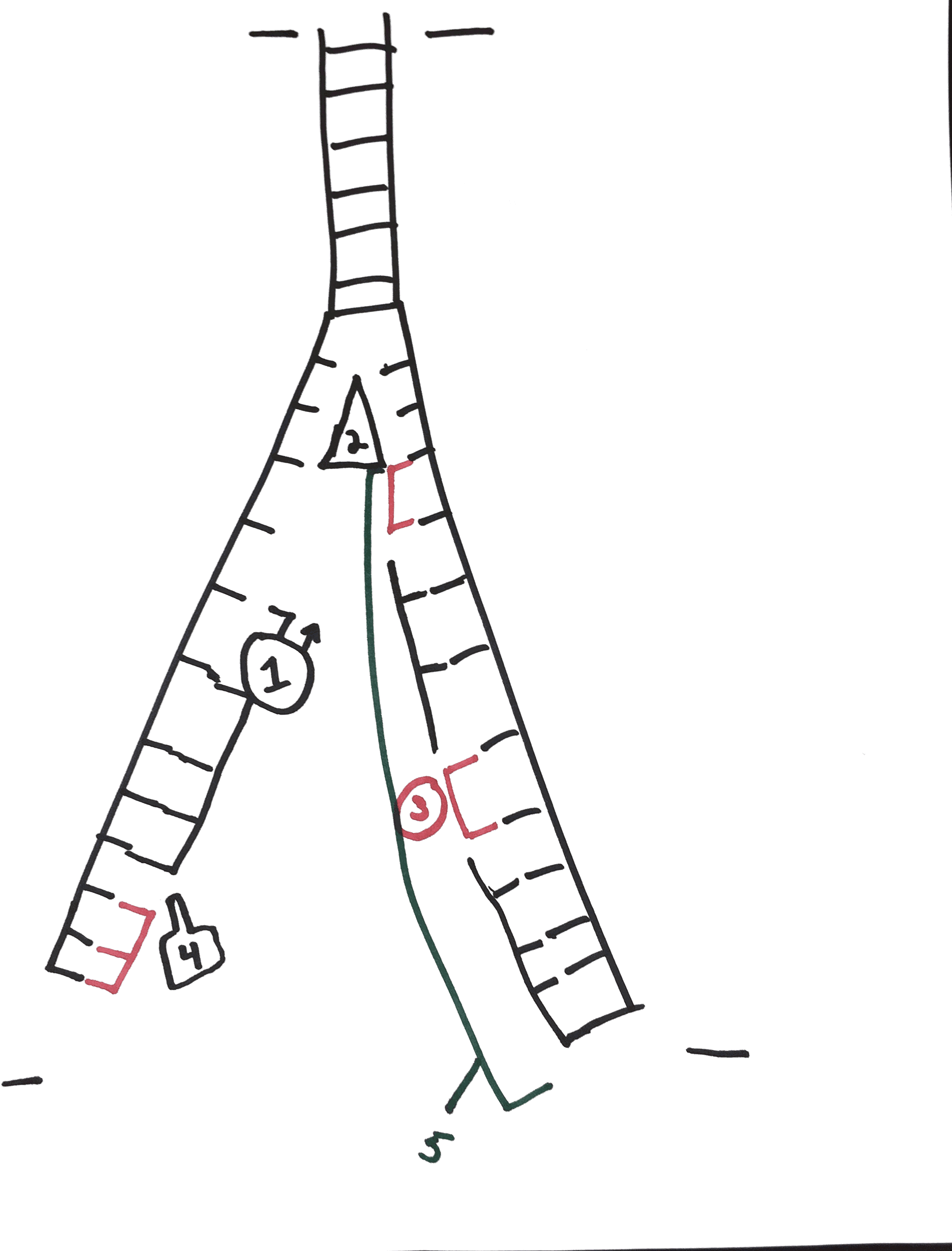
#1 in the picture above (builder)

a)

Helicase

b)

Primase

c)

Polymerase

d)

Ligase

40.
What are the gaps between the newly synthesized DNA on the lagging strand called?
a)
Okazaki fragments
b)
Polymer gaps
c)
Helicase fragments
d)
Acidic gaps
41.
A DNA nucleotide contains all of the following, except...
a)
Deoxyribose
b)
Phosphate group
c)
Nitrogenous base
d)
Cholesterol
42.
Who is responsible for producing this image?
a)
Francis Crick
b)
James Watson
c)
Rosalind Franklin
d)
Watson and Crick
43.
How did Rosalind Franklin's photo 51 affect the work of Watson and Crick?
a)
It was used to determine the physical structure of DNA
b)
It was used to identify the four bases that make up DNA
c)
It was used to determine the theory of independent assortment
d)
It was used to show DNA was the molecule of inheritance
44.
What did Erwin Chargaff conclude from his experiments?
a)
Nitrogen bases are held together by peptide bonds
b)
A and T, C and G always occur in equal amounts
c)
Proteins are the carriers of genetic information
d)
C and G rarely occur in eukaryotic organisms
45.
If a strand reads:
3' A A A T T T C 5'
The matching strand would read...
a)
5' T T T A A A G 3'
b)
3' T T T A A A G 5'
c)
5' A A A T T T C 3'
d)
3' U U U A A A G 5'
46.
This picture is illustrating the ____ nature of DNA.
a)
anti-parallel
b)
deoxyribosic
c)
helical
d)
radioactive
47.

A diploid cell has ____ the number chromosomes as a haploid cell.

a)

half

b)

twice

c)

one-fourth

d)

four times

48.

An organism’s traits are determined by the specific combination of inherited _____.

a)

cells

b)

genes

c)

proteins

d)

chromatids

49.

Identical copies of chromatin held together by cohesin at the centromere are called _____.

a)

histones

b)

nucleosome

c)

chromatin

d)

sister chromatids

50.

Chromosomes are duplicated during what stage of the cell cycle?

a)

G1 Phase

b)

S Phase

c)

Prophase

d)

Prometaphase

51.

Which of the following events does not occur during some stages of interphase?

a)

DNA duplication

b)

organelle duplication

c)

increase in cell size

d)

separation of sister chromatids

52.

The mitotic spindles arise from which cell structure?

a)

centromere

b)

centrosome

c)

kinetochore

d)

cleavage furrow

53.

Attachment of the mitotic spindle fibers to the kinetochores is a characteristic of which stage of mitosis?

a)

prophase

b)

prometaphase

c)

metaphase

d)

anaphase

54.

Unpacking of chromosomes and the formation of a new nuclear envelope is a characteristic of which stage of mitosis?

a)

prometaphase

b)

metaphase

c)

anaphase

d)

telophase

55.

Separation of the sister chromatids is a characteristic of which stage of mitosis?

a)

prometaphase

b)

metaphase

c)

anaphase

d)

telophase

56.

Which of the following is the correct order of events in mitosis?

a)

Sister chromatids line up at the metaphase plate. The kinetochore becomes attached to the mitotic spindle. The nucleus reforms and the cell divides. Cohesin proteins break down and the sister chromatids separate.

b)

The kinetochore becomes attached to the mitotic spindle. Cohesin proteins break down and the sister chromatids separate. Sister chromatids line up at the metaphase plate. The nucleus reforms and the cell divides.

c)

The kinetochore becomes attached to the cohesin proteins. Sister chromatids line up at the metaphase plate. The kinetochore breaks down and the sister chromatids separate. The nucleus reforms and the cell divides.

d)

The kinetochore becomes attached to the mitotic spindle. Sister chromatids line up at the metaphase plate. Cohesin proteins break down and the sister chromatids separate. The nucleus reforms and the cell divides.

57.
Which process and type of resulting cells are represented?
a)
mitosis, gametes
b)
mitosis, body cells
c)
meiosis, gametes
d)
meiosis, body cells
58.
A male shark has 40 chromosomes in each of its sex cells. How many would be present in its body cells?
a)
20
b)
40
c)
80
d)
160
59.
The chromosomes that pair up during meiosis, are called __________ chromosomes.  
a)
homozygous 
b)
asexual
c)
homologous
d)
genes
60.
Which letter(s) in the diagram correspond to cells that are haploid? 
a)
A
b)
B
c)
C
d)
A and B
61.
Compared to the number of chromosomes contained in a body cell, how many chromosomes would normally be contained in a gamete?
a)
The same number
b)
One-fourth as many
c)
Twice as many
d)
Half as many
62.
What is one of the advantages, why is it better to reproduce sexually versus asexually?
a)
survival of the fittest
b)
overproduction
c)
genetic variation
d)
cloning
63.
Crossing over helps promote 
a)
male genotype
b)
genetic variation
c)
DNA replication
d)
mitosis
64.
Chromosomes exchange genetic material during 
a)
crossing over
b)
replication
c)
synthesis
d)
translation
65.
What do experts say is the most common form of Down Syndrome?
a)
Trisomy 47
b)
Trisomy 46
c)
Trisomy 21
d)
Trisomy 23
66.
Females have ____ and males have _____ chromosomes.
a)
XX, XY
b)
XY, XX
c)
XX, XX
d)
XY, XY
67.
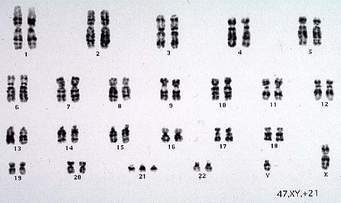
What is this?
a)
Trisomy 13
b)
Monosomy 21
c)
47, XXY
d)
Trisomy 21
68.
Diploid Cells are represented by
a)
2n
b)
n
c)
4n
d)
1/2 n
69.
a)

INCREASES GENETIC VARIATION

b)

TAKES PLACE IN PROPHASE I

c)

CROSSING OVER

d)

ALL ARE TRUE

70.

DURING WHICH PHASE OF MEIOSIS DOES GENETIC VARIATION INCREASE

a)

PROPHASE II

b)

PROPHASE I

c)

ANAPHASE I

d)

ANAPHASE II

71.

MEIOSIS PRODUCES 4 CELLS, THEY ARE

a)

N

b)

2N

c)

3N

72.

1N AND N MEAN THE SAME THING (LIKE MATH)

a)

TRUE

b)

FALSE

73.

NORMAL HUMANS HAVE 46 CHROMOSOMES, HOW MANY WILL THE GERM CELLS HAVE AFTER MEIOSIS?

a)

46

b)

23

c)

12

d)

92

74.

WHICH OF THE FOLLOWING DO NOT OCCUR DURING THE MITOSIS STAGE OF THE CELL CYCLE

a)

SISTER CHROMATIDS SEPARATE LIKE IN ANAPHASE

b)

DNA IS REPLICATED LIKE IN THE S PHASE

c)

CHROMOSOMES LINE UP AT THE EQUATOR LIKE METAPHASE

d)

CHROMATIN CONDENSES INTO CHROMOSOMES

75.

CANCER CELLS ARE DIFFERENT BECAUSE THE DON'T ENTER THE G-0 PHASE AND THEY ARE LIKELY TO DO WHICH OF THE FOLLOWING

a)

FAIL TO COMPLETE S PHASE

b)

MUTATE DURING G1 PHASE

c)

REPEAT THE CELL CYCLE CONTINUOUSLY

d)

DIE AFTER COMPLETING MITOSIS

76.
a)
This karyotype shows Trisomy 21
b)
This karyotype has no abnormality
c)
This karyotype is missing a sex chromosome (monosomy x)
d)
This karyotype is from a gamete
77.
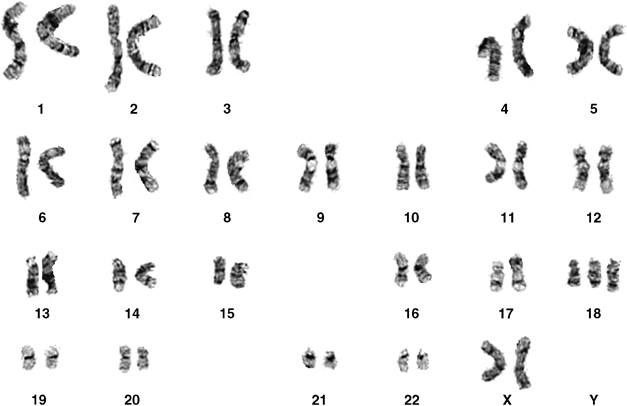
Based on the Karyotype shown, at which chromosome pair can we identify a genetic disorder? 
a)
Chromosome pair 5
b)
sex chromosomes
c)
Chromosome pair 21
d)
There are no chromosomal disorders
78.
Which statement is NOT true about Karyotypes
a)
Chromosomes (pairs 1-22) are arranged by size
b)
Sex chromosomes are found at the end
c)
A normal karyotype has 46 chromosomes or 23 pairs
d)
Having missing or extra chromosomes does not indicate a disorder
79.
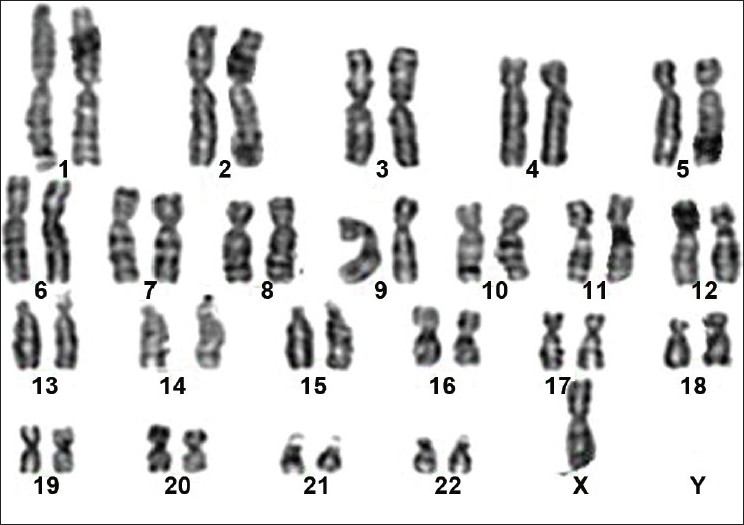
What is the chromosomal condition of the individual whose karyotype is seen in the image?
a)
Monosomy X (Turner's Syndrome)
b)
Trisomy 21 (Down's Syndrome)
c)
Trisomy 13 (Patau Syndrome)
d)
Trisomy 18 (Edwards's Syndrome)
80.
A pair of identical chromosomes shown in a karyotype, one inherited from mom, and one inherited from dad are called
a)
sister chromotids
b)
centromeres
c)
homologous chromosomes
d)
autosomes
81.

What would you call the failure of one or more pairs of homologous chromosomes or sister chromatids to separate normally during meiosis?

a)

nondisjunction

b)

anaphase I

c)

nondiploidy

d)

karyotype

82.
The phase in mitosis where chromosomes move away and are pulled apart by spindles to opposite sides of the cell.
a)
prophase
b)
anaphase
c)
metaphase
d)
telephase
83.
Nondisjunction can result in 
a)
trisomy conditions
b)
monosomy conditions
c)
additional sex chromosomes
d)
all of these
84.

For this cell, n =

a)

1

b)

2

c)

3

d)

6

e)

12

85.

How many total chromosomes are in this cell?

a)

1

b)

2

c)

3

d)

6

e)

12

86.
How many valence electrons does nitrogen have?
a)
3
b)
2
c)
5
d)
1
87.
What can be generalized about covalent bonds?
a)
Electrons will be exchanged.
b)
Electrons will be transferred.
c)
Electrons will be given and taken.
d)
Electrons will be shared.
88.

Carbon is in 4A, so how many bonds can it form based on electrons needed to fill its outer shell?

a)

1

b)

3

c)

4

d)

5

89.
What is a diatomic element?
a)
a metal bonded with a nonmetal
b)
2 or more nonmetals bonded together
c)
2 or more metals bonded together
d)
2 atoms of the same element bonded together
90.

What bond is formed between a metal and a nonmetal?

a)

Covalent bond

b)

Ionic bond

c)

Hydrogen bond

d)

Metallic bond

91.

When two nonmetals do not share electrons evenly, the resulting covalent bond will be

a)

nonpolar

b)

polar

c)

ionic

d)

metallic

92.

Since covalent compounds do not have free charges, they are

a)

good conductors

b)

poor conductors

c)

ionic

d)

metallic

93.

Which would be the only situation where valence electrons would be shared evenly?

a)

metals and nonmetals

b)

different nonmetals

c)

nonmetals of the same element

d)

metalloids of the same element

94.
A positive ion is called a...
a)
Posion
b)
Anion
c)
Cation
d)
Proton
95.
What are ionic bonds?
a)
Valence electrons transferred between atoms
b)
Inner most electrons transferred between atoms
c)
Sharing electrons
96.
An electron has what kind of charge?
a)
no charge
b)
positive 
c)
negative
d)
it depends
97.
a proton has what charge?
a)
positive
b)
negative
c)
no charge
d)
it depends
98.
if METALS are more likely to LOSE electrons, they will form ...
a)
anions
b)
neutral atoms
c)
positive ions
d)
negative ions
99.
Ionic bonds occur between...
a)
A metal and a nonmetal
b)
Two metals
c)
Two nonmetals
d)
Two gases
100.

What kind of molecule is water?

a)

Ionic

b)

Polar Covalent

c)

Nonpolar Covalent

d)

Metallic

101.

Which part of a water molecule has a Positive Charge?

a)

The Hydrogen

b)

The Oxygen

c)

The Top

d)

The Bottom

102.

Which part of a water molecule has a Negative Charge?

a)

The Hydrogen

b)

The Oxygen

c)

The Left

d)

The Right

103.

Which of the following can water NOT dissolve?

a)

Ionic Compounds

b)

Polar Compounds

c)

Nonpolar Compounds

104.

What is the correct chemical formula for water?

a)

H2O

b)

HO2

c)

H2O2

d)

2H1O

105.

Which of the following is an example of COHESION?

a)

water sticking to water

b)

water sticking to glass

c)

oil sticking to plastic

d)

hydrogen sticking to oxygen

106.

Which of the following is the CORRECT list of water's properties?

Read Carefully!

a)

adhesion, cohesion, high specific heat, universal solvent

b)

adhesion, cohesion, low specific heat, universal solvent

c)

adhesion, no cohesion, low specific heat, universal solute

d)

no adhesion, cohesion, high specific heat, universal solute

107.
The bond that joins amino acids are called:
a)
Peptide Bonds
b)
Ester Bonds
c)
Glycosidic Linkages
d)
Phosphodiester Bonds
108.

If a methyl group (-CH3), which does not like water, were at the 'R', the amino acid would likely be:

a)

Hydrophobic

b)

Hydrophilic

c)

Ionic

d)

Acidic

109.
The diagram shows a bond forming between two amino acids. What is the name of this reaction?
a)
Dehydration Synthesis
b)
Hydrolysis
c)
Pepysis
d)
Oxidation
110.
The diagram shows a bond forming between two amino acids. What is the name of the resulting bond?
a)
Peptide Bond
b)
Glycosidic Linkage
c)
Ester Bond
d)
Hydrogen Bond
111.
Amino acids all have the same general structure except for the:
a)
Amino Group
b)
Carboxyl Group
c)
'R' Group
d)
Carbonyl Group
112.
The reaction used to digest and break the bond in red is:
a)
Hydrolysis
b)
Dehydration Synthesis
c)
Oxidation
d)
Single Displacement
113.
The primary sequence of a protein refers to the:
a)
Order of amino acids
b)
α-Helix or β-Pleated Sheet
c)
Interaction of subunits
d)
Hydrogen Bonding
114.
Structures like an α-Helix are formed because of:
a)
Hydrophobic Interactions
b)
DiSulphide Bridges
c)
Salt Bridges
d)
Hydrogen Bonding
115.
The number of amino acids used to produce proteins for all living things is:
a)
20
b)
c)
15
d)
42
116.
The structure of proteins can be changed by environmental factors such as temperature or pH.
a)
True
b)
False
117.
The sequence of amino acids is determined by:
a)
Genes
b)
Hydrogen Bonds
c)
Like Dissolves Like
d)
pH
118.

Amino acid is a compound which has at least one

a)

A. Amino group and one amide group

b)

B. Amino group and one hydroxyl group

c)

C. Amino group and one carboxyl group

d)

D. Hydroxyl group and one carbonyl group

119.
Which is not a chemical element needed to build sugars?
a)
Carbon
b)
Oxygen
c)
Nitrogen
d)
Hydrogen
120.
  Glycogen, a polysaccharide, in your liver may be broken down to glucose by the process of __________.
 
a)
hydrolysis 
b)
dehydration synthesis
c)
 condensation
d)
 
isomerization isomerization
121.
This polysaccharide is important to the structure of plant cell walls, 
a)
Starch
b)
Glycogen
c)
Cellulose
d)
Chitin
122.

Which of the following elements are found in carbohydrates?

a)

Carbon

b)

Nitrogen

c)

Hydrogen

d)

Phosphorus

e)

Oxygen

123.

What would be the classification of a monosaccharide made up of 5 carbons?

a)

Triose

b)

Tetrose

c)

Pentose

d)

Hexose

124.

What type of sugar is this? (Check all that apply)

a)

Aldose

b)

Ketose

c)

Triose

d)

Tetrose

e)

Pentose

125.

Which reaction is needed to join two monosaccharides?

a)

Hydration

b)

Dehydration

c)

Dehydrogenation

d)

Hydrolysis

126.

What type of bond is formed between two monosaccharides?

a)

Ester bond

b)

Glycosidic bond

c)

Peptide bond

d)

Double bond

127.

Which reaction is needed to break down complex sugars?

a)

Hydration

b)

Dehydration

c)

Dehydrogenation

d)

Hydrolysis

128.

Which carbohydrate is known as table sugar?

a)

Lactose

b)

Maltose

c)

Glucose

d)

Sucrose

129.

Which carbohydrate is made up of two glucose molecules?

a)

Lactose

b)

Maltose

c)

Sucrose

d)

Galactose

130.

Which of the following are storage polysaccharides?

a)

Cellulose

b)

Starch

c)

Glycogen

d)

Glucose

e)

Chitin

131.

Which of the following are structure polysaccharides?

a)

Cellulose

b)

Starch

c)

Glycogen

d)

Glucose

e)

Chitin

132.

Which carbohydrate is found in dairy products and helps with the absorption of calcium and magnesium?

a)

Galactose

b)

Sucrose

c)

Lactose

d)

Maltose

133.

Which sugars have the same molecular formula as glucose, but have a different arrangement of atoms?

a)

Sucrose

b)

Lactose

c)

Fructose

d)

Maltose

e)

Galactose

134.

Which monosaccharides are found in lactose?

a)

Glucose and galactose

b)

Fructose and galactose

c)

Maltose and galactose

d)

Sucrose and galactose

135.

Which monosaccharides are found in sucrose?

a)

Glucose and maltose

b)

Glucose and galactose

c)

Fructose and galactose

d)

Glucose and fructose

136.

Which carbohydrate do we store in our liver and serves as an energy reserve?

a)

Starch

b)

Glycogen

c)

Glucose

d)

Cellulose