Wayground logo

Free Printable Worksheets

Font size

S
M
L
XL
Worksheets

ChemComm Spring Final Review 2024

Total questions: 100

Worksheet time: 2hrs 10mins
Name
Class
Date
1.
When Pressure increases then the Volume must...
a)
Increase
b)
decrease
2.
When Volume increases then Pressure must...
a)
Increase
b)
Decrease
3.
What type of relationship to pressure and volume have?
a)
direct
b)
inverse
c)
no relationship
d)
I don't know
4.
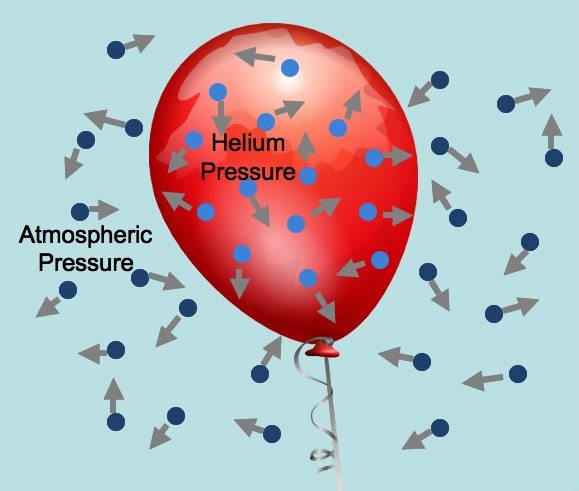
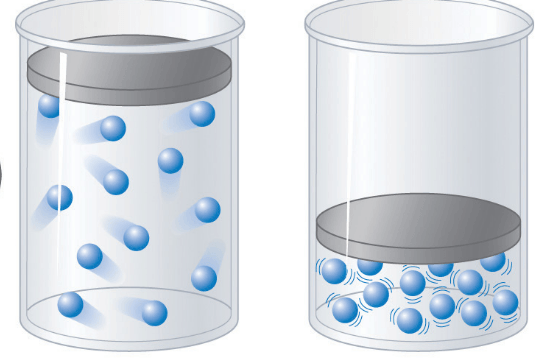
Which container will have a lower pressure?
a)
left
b)
right
c)
they both have the same pressure
d)
I don't know
5.
LeGarrette Blount decides to go scuba diving while on vacation in Mexico. As he swims deeper into the ocean, the pressure pushing on him increases. Based on the relationship in Boyle’s law, what would happen to the volume of a LeGarrette’s lungs with this increase in pressure?
a)
volume of the lungs would increase
b)
volume of the lungs would have no change
c)
volume of the lungs would double
d)
volume of the lungs would decrease
6.
True or False: Gases can be compressed. 
a)
True
b)
False
7.
What is 50 C in Kelvin?
a)
223
b)
323
c)
100
d)
50
8.

When the temperature of a gas decreases (with pressure and amount held constant), does the volume increase or decrease?

a)

Unaltered

b)

Remains constant

c)

Increase

d)

Decrease

9.

If the Kelvin temperature of a gas is doubled, the volume of the gas will increase by ____.

a)

A factor of 2

b)

A factor of 1

c)

A factor of 3

d)

A factor of 0.5

10.
Gases have...
a)
A definite shape and volume
b)
A definite shape but no definite volume
c)
No definite shape but a definite volume
d)
No definite shape or volume
11.
What is the first layer in the earth's atmosphere?
a)
Troposphere
b)
Stratosphere
c)
Mesosphere
d)
Exosphere 
12.
When the temperature of matter increases the particles...
a)
speed up and move closer
b)
speed up and move farther apart
c)
slow down and move closer together
d)
slow down and move farther apart
13.
What causes pressure?
a)
The walls of the container
b)
The vacuum in the container
c)
The collisions of the particles
d)
Atmospheric pressure acting on the outside walls
14.

If a hairspray can is heated, what can be expected of the pressure of the gas inside the can?

a)

The pressure will increase

b)

The pressure will decrease

c)

The pressure will remain constant

d)

The pressure will equalize

15.
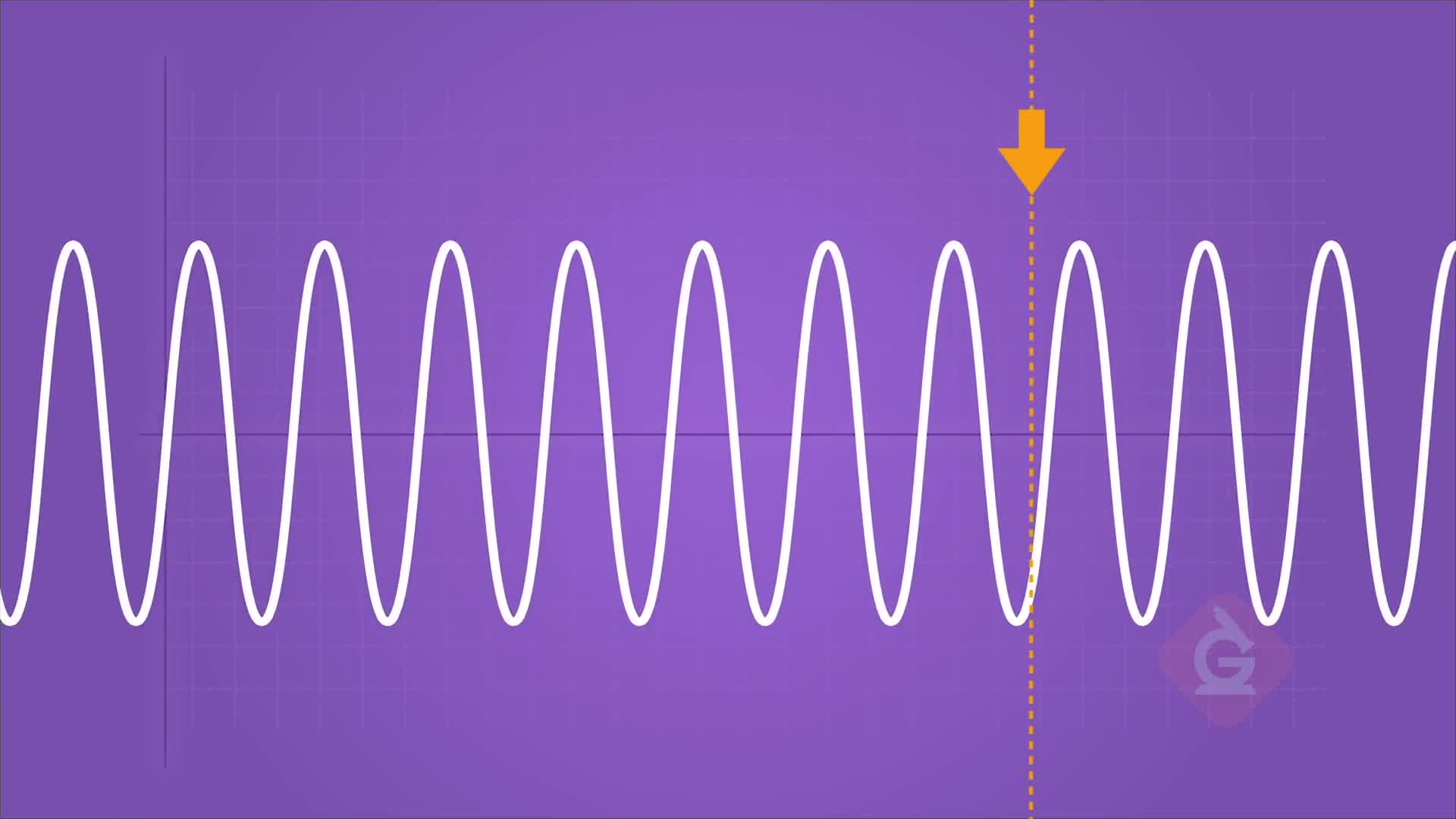
The following graph shows ____ relationship. 
a)
Direct
b)
Inverse
16.
Boyle's law :  The pressure and volume of a gas show a _____ relationship. 
a)
Inverse 
b)
Direct 
17.
At higher temperatures...
a)
particles in an object have less energy
b)
particles in an object move faster
c)
a gas contracts
18.
These waves make water molecules vibrate and warm up.
a)
Gamma
b)
Microwaves
c)
Radio
d)
Ultraviolet
19.
These high-energy waves are given off by radioactive materials.
a)
Gamma
b)
Microwaves
c)
Radio
d)
Ultraviolet
20.
These waves are used to send signals, including WiFi and text messages.
a)
Gamma
b)
Microwaves
c)
Radio
d)
Ultraviolet
21.
These waves from the sun cause sunburn.
a)
Gamma
b)
Microwaves
c)
Radio
d)
Ultraviolet
22.
Increasing the amplitude of a wave, _________ the wave's energy.
a)
increases
b)
decreases
c)
does not change
23.
The energy of waves _______ as the wavelength gets shorter.
a)
increases
b)
decreases
c)
stays the same
24.
Which electromagnetic waves have the highest frequencies and the shortest wavelengths?
a)
microwaves
b)
visible light
c)
gamma rays
25.
For waves in any medium, as the wavelength decreases, what happens to the frequency?
a)
It also decrease
b)
It stays the same
c)
It increases
26.
How much of the electromagnetic spectrum is made up of visible light?
a)
only a small portion
b)
a very l;arge portion
c)
about half
27.
Which electromagnetic waves help doctors detect broken bones inside your body?
a)
gamma rays
b)
x-rays
c)
ultraviolet rays
28.
Which electromagnetic waves are used in devices such as heat lamps & TV remote controls?
a)
ultraviolet rays
b)
microwaves
c)
infrared rays
29.

Which of the following has the longest wavelength?

a)

microwaves

b)

UV rays

c)

Infrared

d)

Gamma rays

30.
When we discuss greenhouse gases what is the main one we discuss?
a)
Methane (CH4)
b)
Carbon Dioxide (CO2)
c)
Nitrous oxide (N2O)
d)
Flourinated gases
31.
The main human activity that releases greenhouse gases is...
a)
using bottled water
b)
burning fossil fuels
c)
texting on cellphones
d)
eating meat
32.
The warming of the atmosphere by the trapping of heat being radiated to space is called
a)
evaporation
b)
condensation
c)
the greenhouse effect
d)
radiation
33.
What are the two most common greenhouse gases?
a)
Water Vapor (H2O) and Methane (CH4)
b)
Carbon Dioxide CO2 and Methane (CH4)
c)
Water Vapor (H2O) and Carbon Dioxide CO2
d)
Water Vapor (H2O) and Nitrous oxide (N2O)
34.
Without the Greenhouse Effect the Earth would be
a)
warm 
b)
cold
c)
dead
35.
Water has a specific heat of 4184 J/KgºC.  Wood has a specific heat of 1760 J/KgºC.  What material needs more energy to raise the temperature 1ºC
a)
Wood
b)
Water
c)
Both are the same
36.
Copper, Stainless Steel, Carbon Steel, and Zinc were all heated using the same thermal energy.  What material would be the coolest after being heated?
a)
Copper
b)
Carbon Steel
c)
Zinc
d)
Stainless Steel
37.
How does heat flow?
a)
Always from cold to warm
b)
Always from warm to cold
c)
Both warm to cold & cold to warm
d)
It depends on the temperature
38.
Which of the following would be the best insulator?
a)
air
b)
aluminum
c)
copper
d)
silver
39.
What would be the effect on the particles if more heat is supplied to the system?
a)
They would slow down
b)
They would stop moving
c)
They would speed up
d)
There would be no effect
40.

Which is a true statement?

a)

Humans depend on oxygen, plants depend on carbon dioxide

b)

Plants produce carbon dioxide

c)

Humans depend on carbon dioxide, plants depend on oxygen

d)

Humans don't depend on plants for the air they need

41.
The job of an oil refinery is to
a)
transport the crude from the drill site
b)
separate crude into various types of fuel
c)
pump crude oil up to the surface
d)
mix separate types of fuel into crude
42.
Distillation occurs where crude oil is separated into fuels by
a)
mixing it with corn starch and letting it settle
b)
putting it under intense pressure until it becomes solid
c)
heating it to different boiling points
d)
removing the sulfur particles from it
43.

Distillation is used to separate ______.

a)

a liquid from its solution.

b)

an insoluble solid from its solution.

c)

a soluble solid from its solution.

44.

Distillation is made up of ___.

a)

evaporation, then condensation

b)

condensation, then evaporation

c)

boiling, then condensation

d)

condensation, then boiling

45.

What is 5?

a)

cooling tube

b)

condenser

c)

distillate

d)

water pump

46.

A mixture of water (b.p. 100oC) and alcohol (b.p. 78oC) is separated. Which will be found in 8 first?

a)

water

b)

ethanol

47.

Gasoline and many other chemicals are produced from____ using fractional distillation.

a)

Oil

b)

Crude Oil

c)

Crude Water

d)

Dirty Water

48.
__________ are made up of solutes and solvents.
a)
Solutions
b)
Suspension
c)
Colloid
49.
How can I get water from salty water?
a)

a) Condensation

b)
b) Distillation
c)
c) Chromatography
d)
d) Filtration
50.
What is the general formula for saturated hydrocarbons?
a)
CnH2n
b)
CnHn+1
c)
CnH2n+1
d)
CnH2n+2
51.
Why do alkane not dissolve in water?
a)
they are less dense than water
b)
they have low melting points
c)
they are non-polar compounds 
d)
they are chemically less reactive
52.
If an alkane has 20 carbon atoms, how many hydrogen atoms will it have?
a)
20
b)
22
c)
40
d)
42
53.
Hydrocarbons are compounds that contain
a)
Carbon, only
b)
Carbon and Hydrogen, only
c)
Carbon, Oxygen, and Hydrogen, only
d)
Carbon, Oxygen, Hydrogen, and Nitrogen, only
54.
The longer the hydrocarbon, the _______ the boiling point
a)
Lower
b)
Higher
55.

Which of the following has the highest boiling point?

a)

heptane

b)

pentane

c)

nonane

56.
How many carbon atoms are in methane?
a)
1
b)
2
c)
3
d)
4
57.
How many carbon atoms are in propane
a)
1
b)
2
c)
3
d)
4
58.
What is the suffix for single bonded hydrocarbons?
a)
-yne
b)
-ene
c)
-ane
d)
-one
59.
Organic compounds are compounds contain ______________.
a)
O
b)
C
c)
N
d)
S
60.
Give the name of this compound...
C3H8
a)
Propene
b)
Butane
c)
Butene
d)
Propane
61.
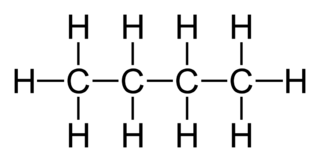
Name this alkane
a)
Methane
b)
Ethane
c)
Propane
d)
Butane
62.
Explain, in terms of carbon-carbon bonds, why this hydrocarbon is saturated.
a)
The molecule has the maximum amount of hydrogen it can have.
b)
It is an alkane so it is saturated.
c)
There are only single bonds between the hydrogen and carbon.
d)
There are only single bonds between the carbon.
63.

Name this branched alkane molecule.

a)

heptane

b)

2 methylheptane

c)

ethylhexane

d)

2 methylhexane

64.

Which of the following is not a saturated fat?

a)

butter

b)

milk fat

c)

canola oil

d)

shortening

65.

Air Pollution:

a)

Smoke and harmful gases

b)

Littering and dumping illegally on the ground

c)

Water, soil, minerals, wildlife, forests, etc.

d)

Where something exists or lives

66.

The burning of which fuel is the main source of industrial smog?

a)

Oil

b)

Coal

c)

Natural Gas

d)

Biomass

67.

A ___________ haze is associated with industrial smog, while a ___________ haze is associated with photochemical smog.

a)

Gray, Yellowish

b)

Yellowish, Gray

68.

A resource that is in limited supply and cannot be replaced once it has been used.

a)

Renewable resource

b)

Habitat

c)

Non-renewable resource

d)

Ecosystem

69.

___________ is any waste that is a risk to the health of humans or other living things.

a)

hazardous waste

b)

politics

c)

sewage

d)

water runoff

70.

Biodiesel

a)

an alternative fuel or fuel additive for diesel engines made from various materials such as new or recycled vegetable oils and animal fats

b)

partially formed oil

c)

a vehicle that combines two or more power sources

d)

natural gas condensed under high pressures and stored in metal cylinders

71.
Besides coal and natural gas, another fossil fuel  is
a)
petroleum/oil
b)
biomass
c)
electricity
d)
uranium
72.
The original source of energy for fossil fuels comes from the
a)
sun
b)
Earth's crust
c)
geothermal energy
d)
oceans
73.
When chemical bonds break or form this is ____ energy
a)
chemical
b)
motion
c)
electrical
d)
electromagnetic
74.
When steam or water are used to turn a turbine, it can generate
a)
electricity
b)
oil
c)
geothermal energy
d)
uranium
75.
Today, most of the coal is used to:
a)
power steamships and steam trains
b)
heat homes and businesses
c)
produce electricity
d)
make iron and steel
76.
Which BEST describes how coal forms?
a)
dead plant material completely decomposes in a desert environment
b)
tiny sea animals and plants die and are buried by sediment 
c)
dead plant material temporarily decays in a swamp environment
d)
dead animals partially decay in a desert environment
77.
Which one of the following is not a fossil fuel?
a)
Wood
b)
Coal
c)
Petroleum
d)
Natural Gas
78.
In an exothermic reaction, heat is ...
a)
taken in or absorbed
b)
given out or released
79.
In an endothermic reaction, heat is ...
a)
taken in or absorbed
b)
given out or released 
80.
Is photosynthesis an exothermic or endothermic reaction?
a)
Endothermic
b)
Exothermic
c)
Neither
81.
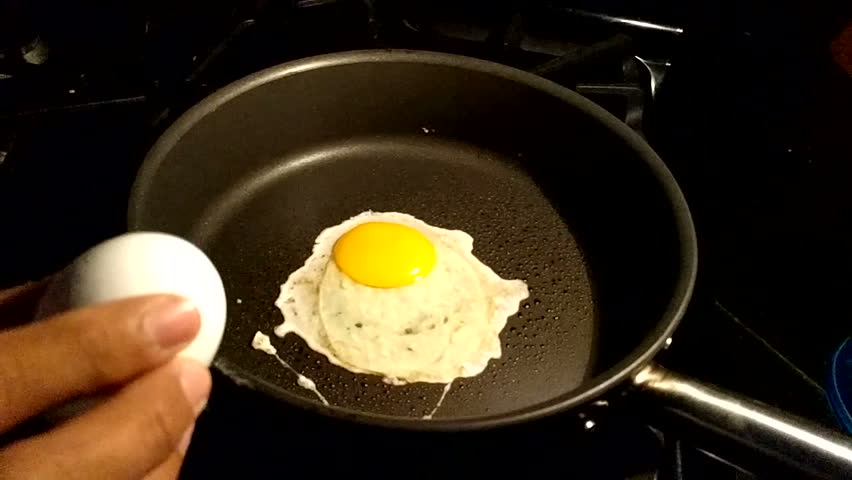
Baking bread and cooking an egg are examples of....?
a)
Endothermic processes
b)
Exothermic processess
c)
None of these 
82.
If a chemical reaction is EXOTHERMIC, the temperature would....
a)
Stay the same
b)
Increase
c)
Decrease
83.
Alka-seltzer in water is an example of a 
a)
Endothermic reaction
b)
Exothermic reaction
c)
Dissolving a salt
d)
physical change 
84.
A student mixed two chemicals to allow them to react. The temperature before the reaction was 25 ° C. The temperature after the reaction was 18° C. Which of the following is true? 
a)
The temperature changed 
b)
It is an endothermic reaction
c)
It is an exothermic reaction 
d)
Two of the answers are correct 
85.

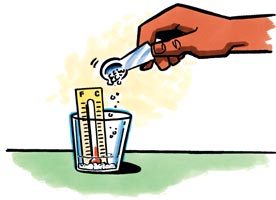
____ reactions usually feel cold.

a)

endothermic

b)

exothermic

86.

What instrument would you use to detect an endothermic or exothermic reaction?

a)

triple beam balance

b)

ruler

c)

thermometer

87.

When a candle is lit hydrocarbons are combusting. An exothermic reaction is occuring. Energy is being _________________ .

a)

absorbed

b)

frozen

c)

destroyed

d)

released

88.

The initial temperature was measured to be 20oC and the final temperature was 45oC. The reaction was

a)

exothermic

b)

endothermic

89.

The initial temperature was measured to be 20oC and the final temperature was 10oC. The reaction was

a)

exothermic

b)

endothermic

90.
What are the 3 main fossil fuels?
a)
A. Coal, oil, and vegetable oil. 
b)
B. Coal, Oil, and Natural Gas
c)
C. Electricity, Gasoline, Petroleum
d)
D. Coal, Oil, Non-renewable Resources
91.
Certain prehistoric events led to the formation of oil. Which of the following was one of those events?
a)
Giant wind storms destroyed forests
b)
Icebergs melted at the North and South Poles
c)
Microscopic life in the sea died and was buried under sediments
d)
Heavy flooding soaked the Earth's crust
92.

Which graph is an exothermic reaction?

a)
b)
93.

Which graph is an endothermic reaction?

a)
b)
94.

The picture showing the energy conversion

Chemical → heat

is:

a)
b)
c)
d)
95.

The picture showing the energy conversion

Chemical → kinetic

is:

a)
b)
c)
d)
96.

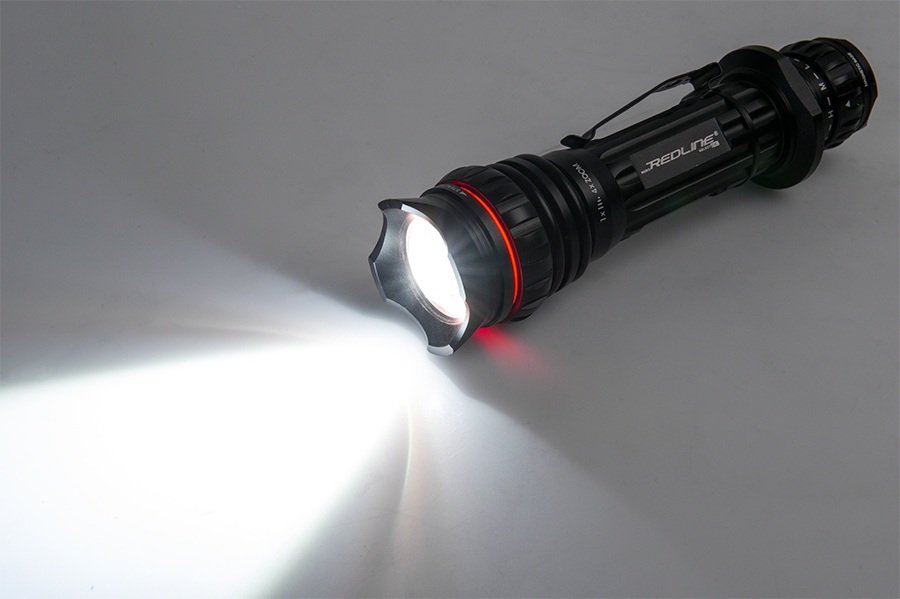
What is the energy conversion when you put batteries in a flashlight to make it turn on?

a)

chemical to light

b)

light to kinetic

c)

chemical to thermal

d)

nuclear to light

97.

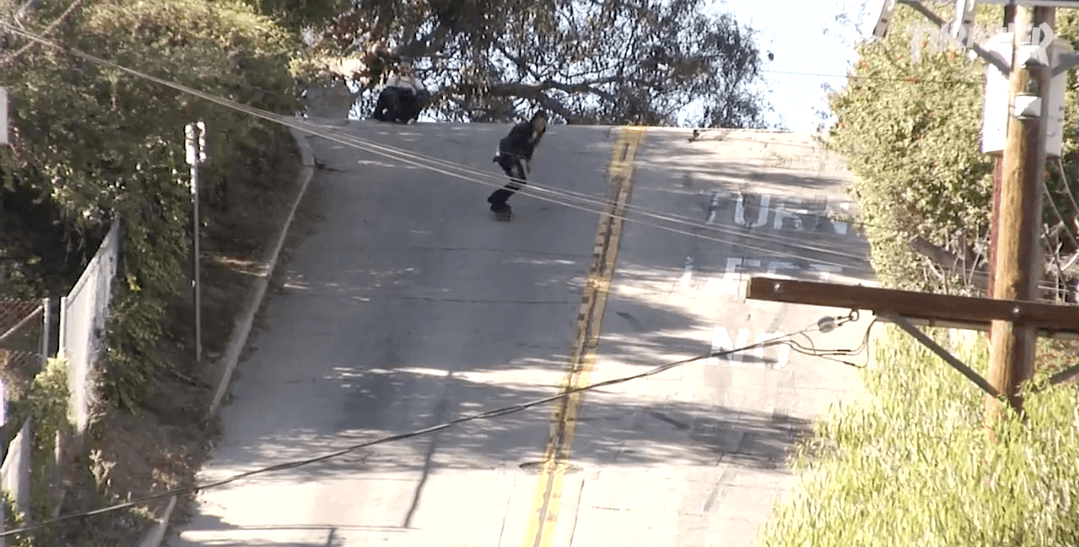
What is the energy conversion when you have a skateboard at the top of the hill then move down?

a)

kinetic to potential

b)

potential to kinetic

c)

potential to thermal

d)

electrical to kinetic

98.

What is the energy conversion when you eat food for fuel to go for a run?

a)

chemical to nuclear

b)

kinetic to chemical

c)

chemical to kinetic

d)

potential to chemical

99.

What is the energy conversion when you use gasoline to make a car move?

a)

chemical to kinetic

b)

chemical to potential

c)

potential to light

d)

nuclear to kinetic

100.

Put the liquids in order from most dense to least dense?

a)

4,3,2,1

b)

1,2,3,4

c)

3,4,2,1

d)

4,3,1,2