wayground logo

Free Printable Worksheets

Font size

S
M
L
XL
Worksheets

Human Body Systems Review

Total questions: 113

Worksheet time: 2hrs 46mins

Name
Class
Date
1.

Your skeleton

a)

supports & shapes the body

b)

works with muscles to help you move

c)

helps protect important organs

d)

makes blood

e)

all of the above

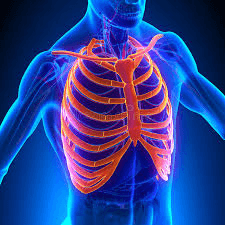
2.

The ________ is a set of bones in your chest that protects your heart & lungs.

a)

skull

b)

ribcage

c)

femur

3.
The human skeleton can be subdivided into two parts, what part is made up of the skull, sternum, vertebral column and rib cage?
a)
appendicular
b)
axial
4.
One function of the skeletal system is _______ especially in regards to the vital organs, such as the brain, heart, and lungs.
a)
Protection
b)
Storage
c)
Synthesis
d)
Movement
5.

True or False:

Babies have more bones than adults.

a)

True

b)

False

6.

The skeletal system works with the ______________ to help your body move.

a)

digestive system

b)

circulatory system

c)

respiratory system

d)

muscular system

7.

The place where two bones meet is called a ___________. They work with your muscles to help you move.

a)

tendon

b)

joint

c)

blood vessel

d)

ligament

8.

How many bones are in an adult?

a)

200

b)

203

c)

206

d)

209

9.

The bones in your back are made up of what?

a)

Fingers

b)

Phalanges

c)

Vertebrate

d)

Toes

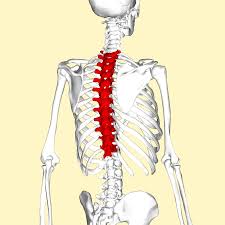
10.

What bone is highlighted?

a)

Ribs

b)

Vertebrae

c)

Clavicle

d)

Femur

11.
Organize the body from most complex to simplest.
a)
cells, organ, organ system, tissue, organism
b)
cells, tissues, organs, organ system, organism
c)
organism, organ system, organs, tissues, cells
d)
cells, tissues, organs, organism
12.

What bone is highlighted?

a)

Skull (Cranium)

b)

Mandible

c)

Clavicle

d)

Scapula

13.

What bone is highlighted?

a)

Skull (Cranium)

b)

Mandible

c)

Scapula

d)

Clavicle

14.

What bone is highlighted?

a)

Skull (Cranium)

b)

Scapula

c)

Clavicle

d)

Mandible

15.

What bone is highlighted?

a)

Radius

b)

Ulna

c)

Humerus

d)

Carpals

16.

What bone is highlighted?

a)

Radius

b)

Ulna

c)

Humerus

d)

Carpals

17.

What bone is highlighted?

a)

Radius

b)

Ulna

c)

Humerus

d)

Carpals

18.

What bone is highlighted?

a)

Femur

b)

Tibia

c)

Fibula

d)

Humerus

19.

What bone is highlighted?

a)

Patella

b)

Pelvis

c)

Clavicle

d)

Mandible

20.

What bone is highlighted?

a)

Humerus

b)

Fibula

c)

Radius

d)

Ulna

21.
What is the main function of the excretory system?
a)
to collect and remove wastes from the body
b)
to strengthen skeletal muscles
c)
to protect the nervous system
d)
to bring oxygen to body cells
22.
Which organ of the excretory system stores urine until the body is ready to eliminate it?
a)
ureters
b)
urethra
c)
urinary bladder
d)
urea
23.
Under normal conditions, which of the following substances is found in urine?
a)
blood cells
b)
protein
c)
glucose
d)
urea
24.
Which excretory organ eliminates water and some chemical wastes in perspiration?
a)
lungs
b)
skin
c)
liver
d)
kidneys
25.
What function do the kidneys perform?
a)
eliminate carbon dioxide
b)
supply oxygen to body cells
c)
remove urea and excess water
d)
play a role in gas exchange
26.
The process of removal of the body’s wastes is called
a)
gas exchange.
b)
respiration.
c)
excretion.
d)
filtration.
27.
Using the picture, what is the structure of A?
a)
ureter
b)
kidney
c)
urinary bladder
d)
urethra
28.
Using the picture, what is the function of structure C?
a)
Carries urine away from the kidneys
b)
Stores urine
c)
Eliminates urea, excess water, and some other materials
d)
Carries urine away from body and eliminates it
29.
Using the picture, what is the function of structure D?
a)
Carries urine away from the kidneys
b)
Stores urine
c)
Eliminates urea, excess water, and some other materials
d)
Carries urine away from body and eliminates it
30.
Use the diagram, what is structure B?
a)
urethra
b)
kidney
c)
ureter
d)
urinary bladder
31.
Use the diagram, what is structure C?
a)
urethra
b)
kidney
c)
ureter
d)
urinary bladder
32.
Use the diagram, what is structure D?
a)
urethra
b)
kidney
c)
ureter
d)
urinary bladder
33.
These organs are responsible for what?
a)
storing urine
b)
storing water
c)
filtering blood
d)
they don't have a particular job 
34.
Urine flows out of the kidneys through narrow tubes called
a)
Gallbladder
b)
Ureter
c)
Nephrons
d)
Urethra
35.

After going through the kidneys, the waste combines with water to make...

a)

urine

b)

sweat

c)

toilet

d)

tears

36.

Our body also eliminates waste through the skin.

a)

True

b)

False

37.

Which system works closely with the Excretory System to filter blood through the Kidneys?

a)

Digestive

b)

Circulatory

c)

Respiratory

d)

Skeletal

38.
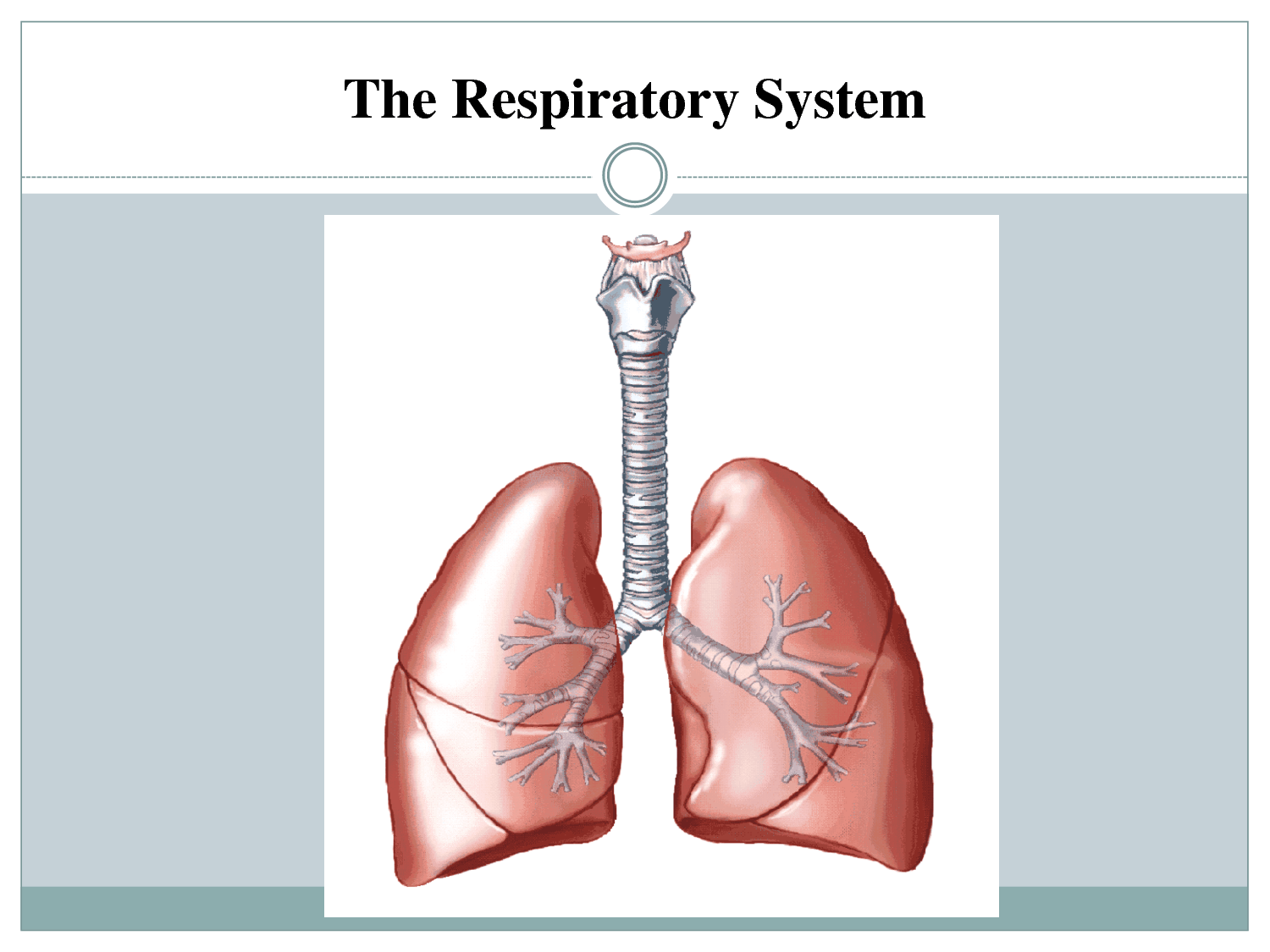
What is the correct name for the windpipe?
a)
Trachea
b)
Bronchus
c)
Bronchiole
d)
Larynx
39.
What is the correct name for the voice box?
a)
Trachea
b)
Bronchus
c)
Bronchiole
d)
Larynx
40.
What are the names of the air sacs in the lungs where gas exchange takes place?
a)
Alveoli
b)
Bronchi
c)
Bronchioles
d)
Intercostal muscles
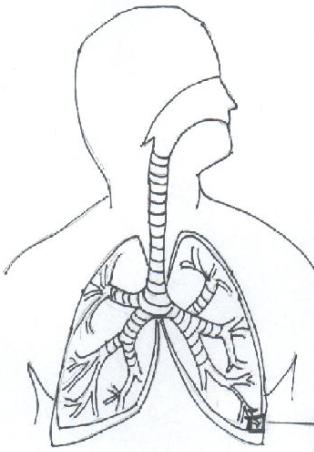
41.
Label A is...
a)
Trachea
b)
Diagphragm
c)
Bronchus
d)
Alveolus
42.
Label B is...
a)
Trachea
b)
Diagphragm
c)
Bronchus
d)
Alveolus
43.
Label C is...
a)
Trachea
b)
Diagphragm
c)
Bronchus
d)
Alveolus
44.
Label C is...
a)
Trachea
b)
Diagphragm
c)
Bronchus
d)
Alveolus
45.

What does the respiratory system release?

a)

oxygen

b)

glucose

c)

carbon dioxide

d)

ATP

46.

When you exhale, the diaphragm

a)

moves upwards

b)

moves downwards

c)

flattens

d)

none of the above

47.
the tubes that go from the trachea into the lungs
a)
alveoli
b)
diaphragm
c)
epiglottis
d)
bronchial tubes
48.
cleans, moistens, and warms the air
a)
trachea
b)
larynx
c)
nasal passage
d)
windpipe
49.
What is the main function of the respiratory system?
a)
to provide oxygen and remove carbon dioxide from the body
b)
to bring oxygen to the body
c)
to break down food and absorb nutrients
d)
to remove oxygen from the body and deliver carbon dioxide
50.

What are the main organs of the respiratory system that allow us to breathe and for gas exchange to happen?

a)

diapragm

b)

lungs

c)

trachea

51.
What is the function of the bronchi?
a)
Transport air from nose to lungs
b)
Transport air from trachea to lungs
c)
Transport air from lungs to alveoli
d)
Transport air from alveoli to blood
52.

Flap of tissue that covers the opening to the windpipe during swallowing

a)

Pharynx

b)

Trachea

c)

Epiglottis

53.

The circulatory system works with the ___________ system to provide our body with oxygen and get rid of CO2 (carbon dioxide).

a)

respiratory

b)

digestive

c)

muscular

d)

skeletal

54.

Which type of Muscles are under are conscious control? This means we instruct them to perform

a)

Voluntary Muscle

b)

Involuntary

c)

Cardiac Muscle

d)

Rough Muscle

55.

These muscles work automatically without us doing any work.

a)

Voluntary

b)

Involuntary

c)

Cardiac

d)

Rough

56.
Cardiac muscle is only found where? 
a)
Lungs
b)
Heart
c)
Kidney's 
d)
Liver
57.
How are muscles attached to bone?
a)
Ligaments
b)
Cartlidge
c)
skin
d)
Tendons
58.
What are the 3 types of muscle tissue?
a)
Thigh, Calf, & Shoulder
b)
Traps, Forearm, & Abs
c)
Hamstring, Biceps, & Triceps
d)
Smooth Muscle, Cardiac Muscle, & Skeletal Muscle
59.
Which muscle type is found in your stomach, bladder, and intestines?
a)
Skeletal
b)
Smooth
c)
Cardiac
d)
Straight
60.
When a muscle contracts, it _______
a)
gets longer
b)
gets shorter
c)
gets thinner
d)
grows hair
61.

What muscle is highlighted in the picture?

a)

Triceps

b)

Biceps

c)

Quads

d)

Deltoids

62.

What muscle is highlighted?

a)

Triceps

b)

Biceps

c)

Quads

d)

Deltoids

63.

What muscle is highlighted in the picture?

a)

Triceps

b)

Biceps

c)

Quads

d)

Deltoids

64.

What muscles is highlighted?

a)

Deltoid

b)

Trapezius

c)

Tricep

d)

Pectoralis

65.

What muscle is highlighted?

a)

Trapezius

b)

Lats

c)

Pectoralis

d)

Deltoids

66.

What muscle is highlighted?

a)

Latissimus dorsi

b)

Trapezius

c)

Hamstrings

d)

Calves

67.

What muscle is highlighted?

a)

Hamstrings

b)

Quads

c)

Gastrocnemius

d)

Gluteus

68.

What muscle is highlighted?

a)

Abdominals

b)

Quads

c)

Gluteus Maximus

d)

Hamstring

69.
a)

Obliques

b)

Glueteus

c)

Quads

d)

Abdominals

70.
The main purpose of the muscular system is to....
a)
Keep the heart beating
b)
Move the body
c)
Hit the dab
d)
Transfer oxygen
71.

How many Muscles are in the Skeletal System?

a)

About 500

b)

over 600

c)

About 300

d)

About 200

72.

Muscles are excitable, which means they respond to the messages sent my which system?

a)

Nervous

b)

Integumentary

c)

Digestive

d)

Skeletal

73.

Muscle tissue has the ability to contract or shorten when adequately stimulated, a characteristic known as ______________.

a)

irritability

b)

contractility

c)

elasticity

d)

extensibility

74.

What is the main function of the nervous system?

a)

clean waste from the cells

b)

absorb nutrients for energy

c)

deliver messages to and from the brain

75.
Which system is most closely associated with the brain?
a)
nervous
b)
muscular
c)
circulatory
d)
respiratory
76.
The bony structure that protects the brain.
a)
Back bone 
b)
Teeth 
c)
Skull
d)
Helmet 
77.
What type of cell gathers and carries information?
a)
Nerve Ending
b)
Sense Organ
c)
Sensory Cell
d)
Nerve Cell
78.
What is the central nervous system (CNS) made of?
a)
brain and spinal cord
b)
brain and cranial nerves
c)
spinal cord and spinal nerves
d)
cranial nerves and spinal nerves
79.
The nervous system works with these two systems to direct behavior and movement.
a)
respiratory and excretory
b)
skeletal and muscular
c)
respiratory and digestive
d)
skeletal and digestive
80.
What is the job of the spinal cord?
a)
To protect your muscles
b)
To communicate from your brain to the rest of your body
c)
To open and close your lungs.
81.
The nervous system controls:
a)
only the heart
b)
all body systems and the whole entire body
c)
the digestive system
d)
the brain
82.
Brain cells are called
a)
hemoglobin
b)
neurons
c)
brainpoppers
d)
alveoli
83.

An involuntary, automatic response to a stimulus controlled by the spinal cord is a ____.

a)

stimulus

b)

reflex

c)

paralysis

d)

cerebellum

84.

Nerve cells are called ____.

a)

synapses

b)

cerebrums

c)

neurons

d)

dendrites

85.

The ____ connects the brain to the spinal cord.

a)

cerebrum

b)

cortex

c)

synapse

d)

brain stem

86.

Small part of the brain that controls muscle movements, balance and coordination.

a)

cerebellum

b)

brain stem

c)

cortex

d)

spinal cord

87.

The largest part of the brain where thinking takes place is the ____.

a)

cerebellum

b)

cerebrum

c)

brain stem

d)

cordial stem

88.

The ____ is made of all the nerves that spread out from the brain and spinal cord.

a)

peripheral nervous system

b)

average nervous system

c)

central nervous system

d)

linear nervous system

89.

What is considered the command center of the nervous system?

a)

Neurons

b)

Heart

c)

Spinal Cord

d)

Brain

90.

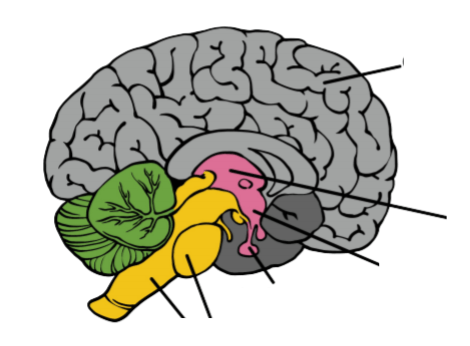
What is this? It coordinates muscle movements.

a)

Cerebrum

b)

Cerebellum

c)

Brain Stem

d)

Diencephalon

91.

What structure is grey in this picture. It controls conscious thought and memory?

a)

Cerebrum

b)

Cerebellum

c)

Brain Stem

92.

Select the INVOLUNTARY action.

a)
b)
c)
d)
93.

Select the VOLUNTARY action.

a)
b)
c)
d)
94.

What is the Occipital lobe responsible for?

a)

Reasoning and Planning

b)

Movement and Balance

c)

Visual processing

d)

Auditory and Memory

95.

The heart, blood, and blood vessels are all a part of what bodily system?

a)

Muscular System

b)

Circulatory System

c)

Digestive System

d)

Skeletal System

96.

Which blood vessel carries blood AWAY from the heart?

a)

Red Blood Cells

b)

Arteries

c)

Capillaries

d)

Veins

97.

There are four chambers in the heart.

a)

True

b)

False

98.

Which blood vessel carries blood back to the heart?

a)

Veins

b)

Capillaries

c)

Arteries

d)

Platelets

99.

Which blood vessel carries blood back to the heart?

a)

Veins

b)

Capillaries

c)

Arteries

d)

Platelets

100.

Your arm falls asleep because your blood vessel is ______.

a)

Cut

b)

Removed

c)

Broken

d)

Pinched

101.

Your heart is the same size as your _________-.

a)

Foot

b)

Head

c)

Elbow

d)

Fist

102.

Your heart beats faster during exercise.

a)

True

b)

False

103.

How many types of blood vessels are there

a)

1

b)

2

c)

3

d)

4

e)

5

104.

Which of these carry oxygen rich blood?

a)

Arteries

b)

Veins

c)

Capillaries

d)

All of these

105.

The largest artery in our body is-

a)

Vena Cava

b)

Aorta

106.
How many chambers are there in the heart?
a)
4
b)
2
c)
6
d)
3
107.
The top chambers of your heart are called
a)
Ventricles
b)
Aorta
c)
Atriums
d)
Pulmonary Artery
108.
The bottom chambers of your heart are called
a)
Ventricles
b)
Lungs
c)
Atriums
d)
Aorta
109.
Our blood brings ___________________ to all of our body cells.
a)
Nutrients
b)
Waste
c)
Oxygen
d)
White Blood Cells
110.
Which body part gives our blood oxygen?
a)
Heart
b)
Veins
c)
Arteries
d)
Lungs
111.

Your heart beats about how many times per minute?

a)

10

b)

70

c)

500

d)

2 million

112.

Which describes the purpose of the circulatory system?

a)

To supply oxygen and nutrients to the body via blood vessels

b)

To remove digestive waste

c)

To control all of the movement within the body

d)

To remove liquid waste as urine

113.

The place in the lungs where the gases exchange is the ________.

a)

Alveoli

b)

Diaphragm

c)

Bronchus

d)

Nose and mouth