
 Worksheets
Assessment: Motors, Generators and Electric Circuits
Total questions: 84
Worksheet time: 3620secs
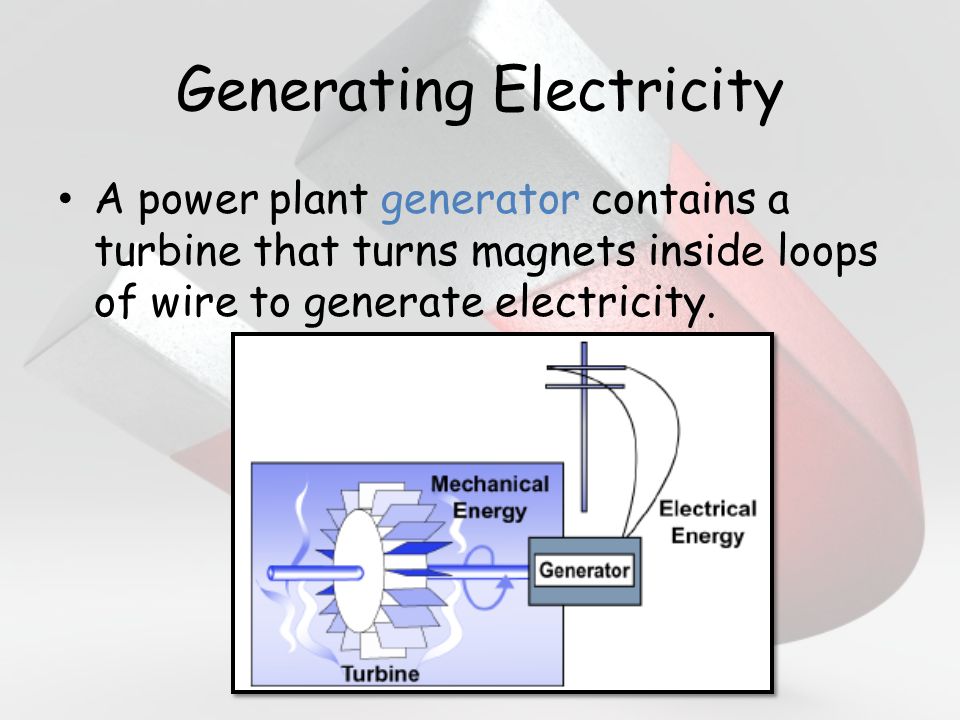
In a _______ a spinning turbine moves magnets which generates an electric current.
Motor
Generator
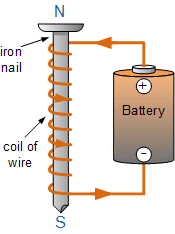
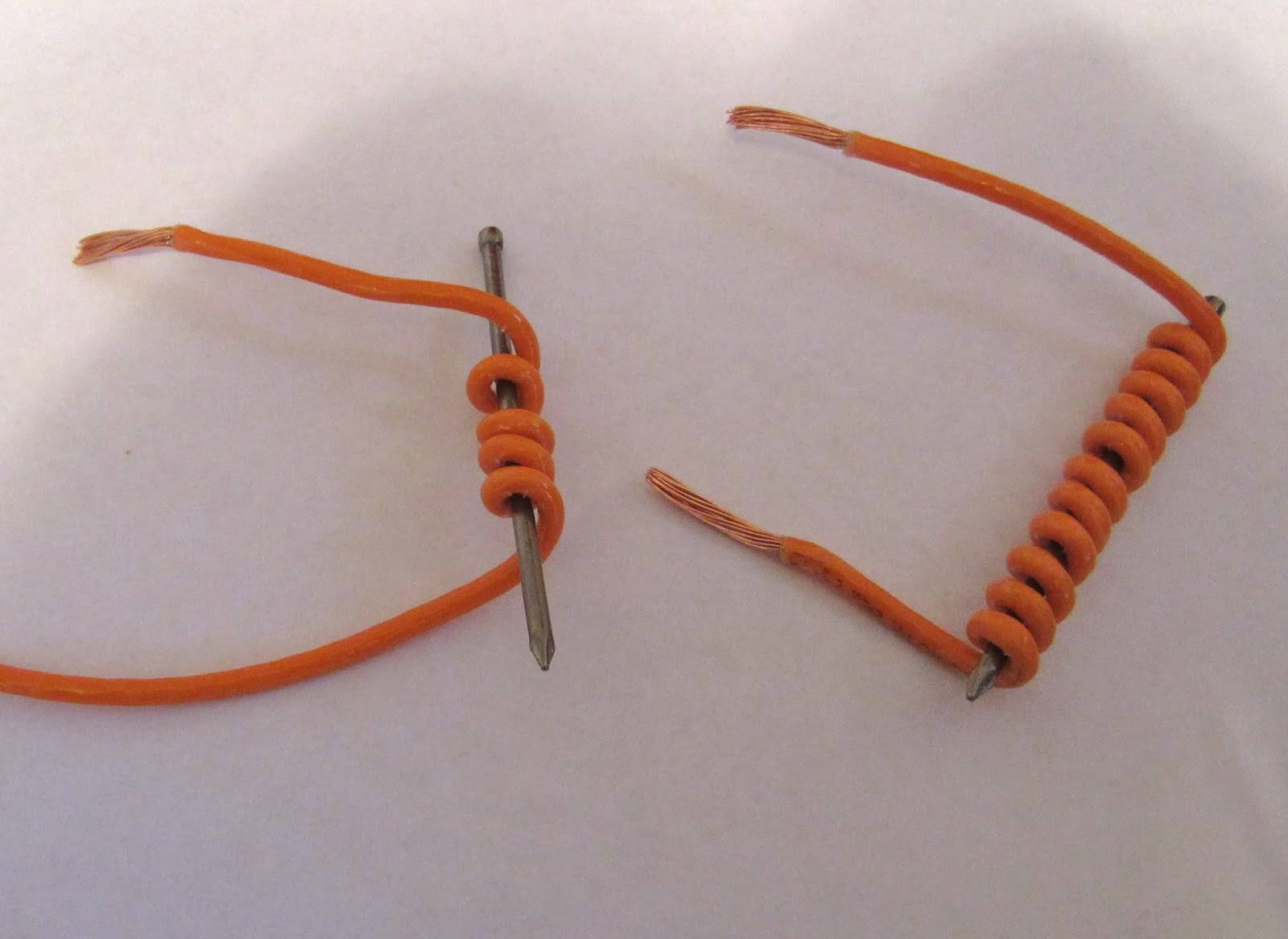
What can you do to make electromagnets stronger?
Increase number of coils of wire.
Increase number of batteries used.
Both A and B.
Neither A nor B.
What is produced by moving a permanent magnet through a coil of copper wire?
electricity
electromagnet
light
sound
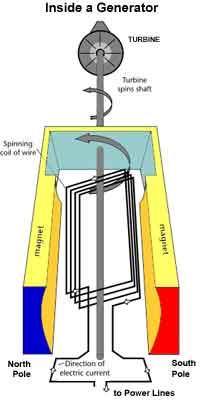

Electricity is produced by using steam to _____________.
In our motors, which of the following allows the current in the electromagnet coils to change direction?
Powersupply
field magnets
commutator
armature
The process of generating the current in a conductor is called
Electromotive force
Electromagnetic induction
generator energy conversion
induced voltage
The force or push that causes electric charges to move is called ______ .
resistance
voltage difference
static electricity
current
Electric charges always flow from _____ areas to _____ areas.
positive; negative
negative; positive
neutral; negative
neutral; positive
A material through which electrons do NOT flow easily is a(n) ______.
insulator
conductor
fuse
circuit breaker
Mr. Circuit and his class are conducting an experiment. The class needs to choose a good insulator. Which of the following could be used as an insulator?
plastic plate
silver spoon
copper wire
gold necklace
Which two areas of physical science are closely related to the development of electric motors and generators?
sound and light
electricity and sound
light and magnetism
electricity and magnetism
In an electrical circuit, a(n) _______________ contains a piece of metal that gets hot and melts if too much current flows all at once. This opens the circuit and shuts it down.
conductor
insulator
fuse
transformer
Alexandra was preparing to go on a hike in the woods. She gathered the equipment she would need and placed it on the kitchen counter. By chance, she placed her compass near an electrical outlet. Although the compass was not moving, the compass needle turned because ______.
the electric current in the outlet produced a magnetic field
the compass could only be used outdoors
the kitchen counter was made of a magnetic substance
the kitchen had a microwave oven
In a closed circuit containing one resistor and a battery, if the voltage in the battery increases, the current going through the resistor increases. Why does this occur?
As the electrons are sped up, they bunch closer together.
As the electrons have more energy, they vibrate more rapidly.
As the electrons are pushed more by the battery, they move faster through the circuit.
As the distance around the circuit increases, the electrons take longer to travel around.
What happens if you line magnets up so that two of the same poles face each other? (ex. North Pole & North Pole)
They will attract
They will repel

This is an example of what type of circuit?
simple
series
parallel

This is the circuit symbol for ...
1 battery
2 batteries in series
2 batteries in parallel
3 batteries in series
3 batteries in parallel


This is the symbol for a _____?
a lightbulb or lamp
a resistor
a battery cell
a switch
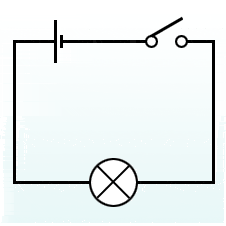


What is a circuit?
A rate of charges flow through a cross-sectional area of a wire
A closed path that a current can flow along

This is an example of a _______ circuit
open
series
parallel
square

This is an example of a ______ circuit
Series
Parallel
Open
Dihexihedral
The amount of energy used to move one coulomb of electrons through the circuit is its
current
voltage
resistance
An electric current that continually reverses direction over time is known as a(n)
direct current
alternating current
simple current
An electric current that has constant magnitude and direction over time is known as a(n)
direct current
alternating current
simple current
What would happen to the coiled wire in an electric motor model if there are repulsion and attraction of the magnetic poles?
The coil fluctuates and converts electrical energy into chemical energy.
The coil stops and changes mechanical energy into electrical energy.
The coil rotates and changes electrical energy into mechanical energy.
The coil remains unstable.
Which of the following is the CORRECT description of the operation of an electric motor?
The electric motor uses electricity.
The operation is based on the principle of electromagnetism.
The motor converts electric energy into mechanical energy.
All of the above.
Which of the situation below shows how a basic electric motor works?
A. The energy contained in the batteries of the vehicle is transformed into wheel rotation.
B. Electrical energy converted into blade rotation in the food processor and cut down food.
C. Both A and B
D. None of these
8. What do you call a huge wheel (associated with generators) that rotates when driven by water, wind, or steam?
A. Motor
B. Pipe
C. Turbine
D. Magnet
If a string of light bulbs is wired in a parallel circuit, what happens to the brightness of the bulbs when another bulb is added to the string?
The brightness remains the same.
The bulbs get dimmer.
The bulbs get brighter.
None of the bulbs will work.
In a series circuit, what stays the same?
Voltage
Current
Resistance
In a parallel circuit what stays the same?
Current
Voltage
Resistance
A toaster oven draws 6 A when connected to a 110 V outlet. If electrical energy costs $0.11/kWh and the total cost was $0.22, about how long was it used? Remember that 1000 Watts is equal to 1 kiloWatt
1.5 hours
3 hours
2.5 hours
4 hours
A TV draws 3 A when connected to a 110 V outlet. If electrical energy costs $0.10/kWh, what is the cost of running the TV for exactly 10 hours? Remember that there is 1000 Watts in 1 kiloWatt.
$3.30
$0.33
$330
$ 33.00
Find the current that flows through a 150 W light bulb when it is plugged into a 110 V outlet.
1.36 A
0.73 A
16.2 A
21.5 A
What unit is used to measure voltage?
Ohms
Omega
Volts
Amps
What unit is used to measure current?
Ohms
Omega
Volts
Amps
What unit is used to measure resistance?
Ohms
Omega
Volts
Amps
Which is the right form of Ohm's Law?
V=I/R
V=R/I
I=V/R
I=R/V

This is the symbol for a _____?
lamp or light bulb
switch
battery
resistor
What is a circuit?
A rate of charges flow through a cross-sectional area of a wire
A closed path that a current can flow along

Based on the graph, which of the following would be true regarding the relationship of voltage and current?
As voltage increases, current decreases.
Voltage will not affect current.
As voltage decreases, current increases.
As voltage increases, current also increases.
When a switch is open...
the circuit is working and gives energy
the circuit is broken and charges cannot flow
the circuit is turning lights on
I don't know...ask Ms. Cednick
What is voltage?
the power in a machine
how much electricity is in an object
the difference in electric potential energy per charge.
the electric current
What is resistance
repelling against something
a STAR WARS reference
the measure of how difficult current to flow
how long the wire is
Describe a series circuit.
a circuit that has multiple branches
a circuit that has one path
a circuit that dead ends after a light bulb
What is a parallel circuit?
a continuous loop
a circuit with one path
a circuit with multiple branches for each individual appliance or light

Will the light bulbs light up in this image?
Yes, both of them will
Yes, but only the one on the right
No, neither of them will
Yes, but only the one on the left

Is this a working circuit?
Yes, it is a closed circuit
No, it is an open circuit
Which is the right formula to calculate "Power"?
P=I/V
P=I*V
P=V/I
none of these are correct
Find the power used by a lightbulb in a circuit with .05 amps of current flowing through it while attached to a 6 volt battery pack.
.008 A
.3 A
6.05 A
120 A
How is a temporary magnet (electromagnet) different than a permanent magnet? Check all that apply.
there is a north and south pole
poles can be switched
can be turned off and on
magnetic field is strongest at the poles

Which of the following in the diagram will spin the fastest?
A
B
Which of the following characteristics are true of a maglev train? Check all that apply.
has more friction between train and track compared to a traditional rail train
rides on a layer of air
electromagnets repel the train away from the track
travels at speeds up to 100 mph
What does the commutator help do in the motor's we used in class? Check all that apply.
turns on the current
switches the polarity of the electromagnet
switches the direction of the current through the coil
turns off the electromagnet

What is this an image of in the motor kits?
commutator
rotor
generator
electromagnet
Looking at the diagram, will this allow the motor to work? Why of why not?
Yes, the electromagnet can attract and repel the permanent magnets at the right time
Yes, the magnets north poles are all facing outward
No, the electromagnet can not attract and repel the permanent magnets at the right time since the South poles are all facing the same direction
No, the electromagnet can not attract and repel the permanent magnets since the permanent magnets' north poles are alternating as they pass by

How many switches need to be on the commutator to make this rotor spin to its fullest potential? How many black sections would that require?
0 switches, 0 black sections
2 switches, 1 black section
4 switches, 2 black sections
6 switches, 3 black sections
12 switches, 6 black sections
A battery produces what type of current?
alternating current
standing current
no current
direct current
A generator produces what type of current?
alternating current
standing current
no current
direct current
If a turbine is spinning at 80 rpm and produces 4 volts, then how many RPMs would it need to produce 20 volts?
5 rpm
80 rpm
400 rpm
1600 rpm
A motor containing 12 magnets produces 0.80 volts when it is spinning at 80 rpm. If only 6 magnets are
used, what will its voltage be at 80 rpm?
4.80 volts
0.80 volts
0.40 volts
0.20 volts
In a series circuit with 3 light bulbs, if the voltage of the batteries is 6 volts, what would be the theoretical voltage across each individual bulb?
0 volts
2 volts
4 volts
6 volts
In a parallel circuit with 3 light bulbs each of their own branch, if the voltage of the batteries is 6 volts, what would be the theoretical voltage across each individual bulb?
0 volts
2 volts
4 volts
6 volts
In a series circuit with 3 light bulbs, if the voltage of the batteries is 6 volts and current across the switch was 0.3 Amps, what would be the theoretical current across each individual bulb?
0 Amps
0.1 Amps
0.2 Amps
0.3 Amps
In a parallel circuit with 3 light bulbs each in its own branch, if the voltage of the batteries is 6 volts and current across the switch was 0.3 Amps, what would be the theoretical current across each individual bulb?
0 Amps
0.1 Amps
0.2 Amps
0.3 Amps

