
 Worksheets
Classification of elements
Total questions: 65
Worksheet time: 1hrs 5mins
At the time of Mendeleev, the number of elements known was
(a) 63
(b) 65
(c) 62
(d) 64
The properties of eka-aluminium predicted by Mendeleev are the same as the properties of later discovered element
(a) Scandium
(b) Germanium
(c) Gallium
(d) Aluminium
An atom of an element has the electronic confi-guration 2,8,2. To which group does it belong?
(a) 4th group
(b) 6th group
(c) 3rd group
(d) 2nd group
The arrangement of elements in the Modem Periodic Table is based on their
(a) increasing atomic mass in the period
(b) increasing atomic number in the horizontal rows
(c) increasing atomic number in the vertical columns
(d) increasing atomic mass in the group
Where would you locate the element with electronic configuration 2, 8 in the Modern Periodic Table?
(a) Group 8
(b) Group 2
(c) Group 18
(d) Group 10
Which set of triads DOES NOT fit Dobereiner's Law of Triads?
lithium, sodium, potassium
calcium, strontium, barium
phosphorus, arsenic, antimony
chlorine, bromine, iodine
The Newlands' law of octaves for the classification of elements was found to be applicable only up to the _______ element
potassium
calcium
cobalt
phosphorus
In which order do we need to put sodium, potassium, lithium, for Dobereiner's Law of Triads ?
lithium, sodium, potassium
sodium, lithium, potassium
potassium ,lithium, sodium
sodium, potassium, lithium
The 'law of octaves' was enunciated by:
Lother Mayer
Mendeleev
Dobereiner
Newlands
On what basis were the elements arranged in Dobereiner's triads ?
atomic number
atomic mass
electron number
number of electrons
How many traids did Dobereiner identify among the known elements?
5
3
2
1
Given that X, Y, Z are triads. Atomic masses of X and Z are 32,125 respectively. Then what is the atomic mass of Y is?
157
93
78.5
75.5
A & B are two elements having similar properties which obey the law of octaves. How many elements are there in between A and B?
6
7
8
5
If two members of a Dobereiner traid are calcium and stroncium, the third member of the triad is:
cesium
magnesium
barium
sodium
Which person was the first to organize the periodic table by atomic mass?
J. Newlands
Dmitri Mendeleev
Lothar Meyer
How did Dmitri predict elements?
Time traveled
Predicted the properties by the atomic numbers left
Guess and checked
Calculated the atomic mass and properties
How are the elements arranged on the periodic table today?
By atomic mass
By number of electrons
By atomic number
By alphabetic order
In what year did Newlands develop his Periodic Table of elements?
1913
1864
1869
1829

The vertical (up and down) columns in the Periodic Table are called
groups
towers
periods
atomic numbers
Who predicted new elements for the gaps in the periodic table?
Henry Moseley
Lothar Meyer
Dmitri Mendeleev
Antione Laviosier
Who proposed the Law of Octaves?
Lothar Meyer
Henry Moseley
John Newlands
Dmitri Mendeleev
What are the rows in the periodic table called?
Families
Groups
Periods
Orbitals
What are the columns in the periodic table called?
Periods
Groups
Orbitals
Energy Levels

Which of the following elements would be a transition metal?
Ca
Au
Rb
Fr
Who arranged the elements by increasing atomic number?
John Newlands
Lothar Meyer
Dmitri Mendeleev
Henry Moseley
The chemical and physical properties of the elements repeat themselves when arranged by increasing atomic number is called
Periodic Theory
Periodic Hypothesis
Periodic Law
Law of Octaves
The idea of "triads" of elements with similar properties was due to
John Newlands
Johann Dobereiner
Dmitri Mendeleev
Henry Moseley
In a chemical "triad", the masses of the three elements were related by the fact that
the masses of the three were all the same
their masses added up to 100%
the average of the masses of the outer two equaled the middle one
their masses were all unknown
Which of the following groups of elements could NOT be a triad?
Cl, Br, I
C, N, O
Li, Na, K
Ca, Ba, Sr
The "Law of Octaves" was the brainchild of
Glenn Seaborg
Lothar Meyer
Johann Dobereiner
John Newlands
The "Law of Octaves" stated that
The properties of the elements repeated every eighth element when arranged by their atomic mass
Elements could be classified in groups of three based on their mass and properties
The properties of the elements repeated of a regular basis when arranged by their atomic number
doubling the frequency of a tone raises its pitch by an octave
Which of the following is NOT a reason that the law of octaves failed?
It didn't work for elements past calcium
There was no provision for undiscovered elements
It didn't explain similar properties of any elements
Elements with very dissimilar properties were put into the same column
The first usable modern periodic table was developed by
Dmitri Mendeleev
Glenn Seaborg
John Newlands
Johan Dobereiner
Which of the following was NOT a reason that Mendeleev was given credit for the first periodic table rather than Lothar Meyer?
Mendeleev published first
Meyer didn't leave spaces for undiscovered elements
Mendeleev corrected the mass of many elements
Mendeleev classified anomalous elements by their properties rather than their mass
Why was Henry Moseley responsible for solving the mystery of the anomalous elements on the periodic table?
He corrected the mass of those elements
He corrected the properties of those elements
He discovered the electron
He discovered atomic number
Which one of the following is a Dobereiner Triad?
Na,Ca,Al
Li,Na,Ca
Li,Na,K
F,Cl,Br
In Newlands classification Periodicity of properties is lost after (a) element.
In Mendeleev's Periodic Table how many periods and groups are present?
6 periods, 8 groups
6 groups, 8 periods
7 periods, 8 groups
7 groups, 8 periods
Newland classified ________ elements.
63
118
65
56
According to Mendeleev's periodic law, Properties of elements are periodic functions of their increasing (a)
Eka silicone is now called
Germanium
Aluminium
Gallium
Scandium
In Mendeleev's periodic table, the position of (a) was not defined
Mendeleef classified _______elements
56
63
65
36
Dobereiner rules ----
डोबेराइनर का नियम---
Tirad
Octet
Habitat
No one
John Newlands was the first one to arrange elements in order of atomic mass.
True
False
John Newlands was the first one to discover the law of octaves.
True
False
The periodic table of Mendeleev could predict the properties of elements that had not yet been discovered.
True
False
Mendeleev worked with Meyer to build their version of the periodic table, which was a great improvement over Newlands's one.
True
False
What do you call to an electron that is located in the outermost shell of the atom, which can be transferred or shared?
Valence electron
Valence shell
Outer electron
Electron configuration
Who called his observation as the “law of triads”?
John Newlands
Antoine Lavoisier
Johann Dobereiner
What group of elements that are extremely reactive and can never be found in nature in their pure form?
Alkali Metals
Alkaline Earth Metals
Transition Metals
What group of elements that are slightly less reactive than the alkali metals?
Alkaline Earth Metals
Transitions Metals
Boron Group
What do you call to the classifications of elements in a horizontal arrangement?
group
period
transition
What do you call to the classifications of elements from 57 to 71?
Lanthanides
Actinides
Metalloids
What do you call to the classifications of elements from 89 to 103?
Lanthanides
Actinides
Metalloids
Atoms of elements in group 1 have
one electron in its outermost orbit
two electrons in its outermost orbit
three electrons in its outermost orbit
four electrons in its outermost orbit
Noble gases are present in-------- group
13th
15th
17th
18th
Which model represents the most reactive atom?
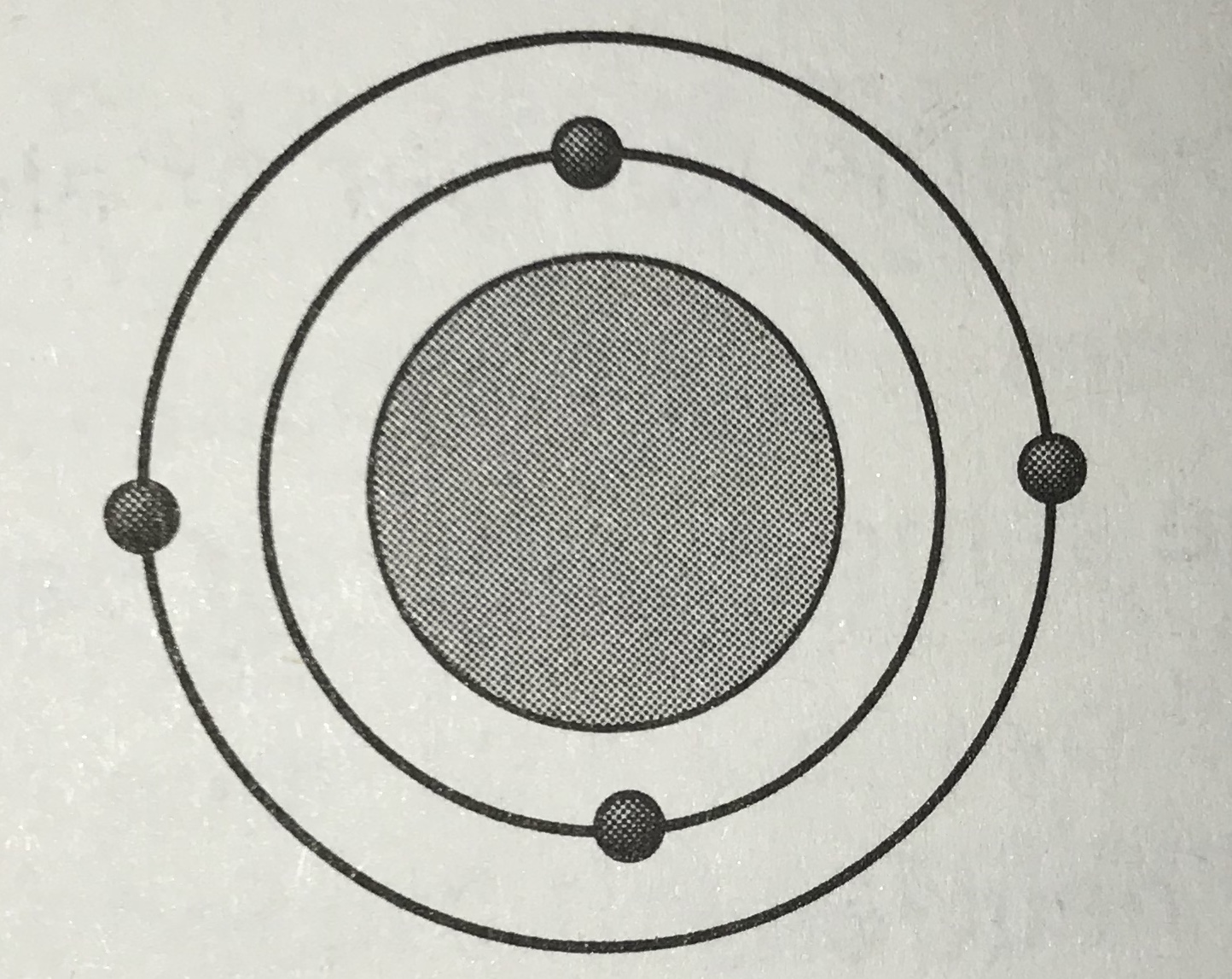
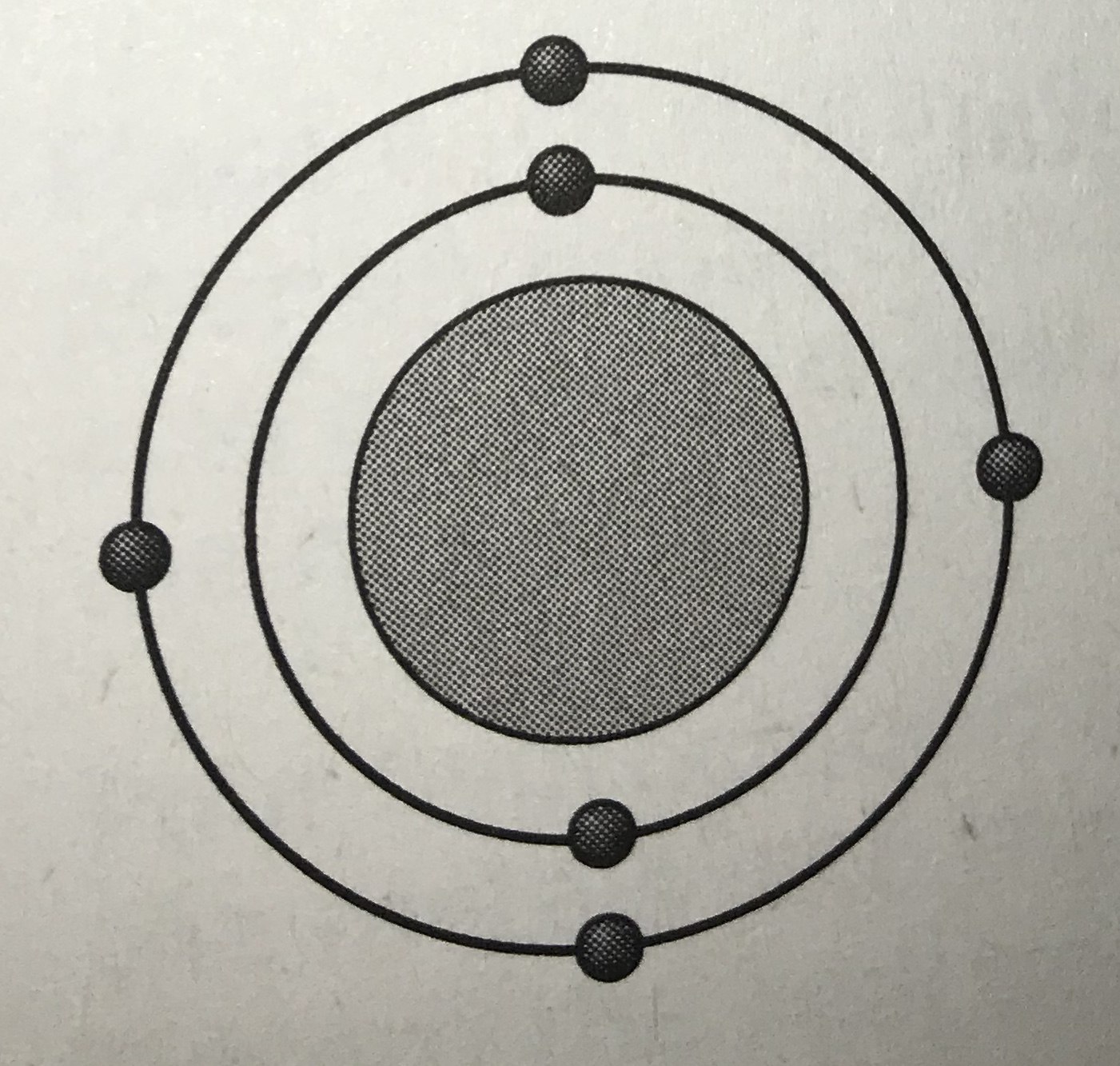
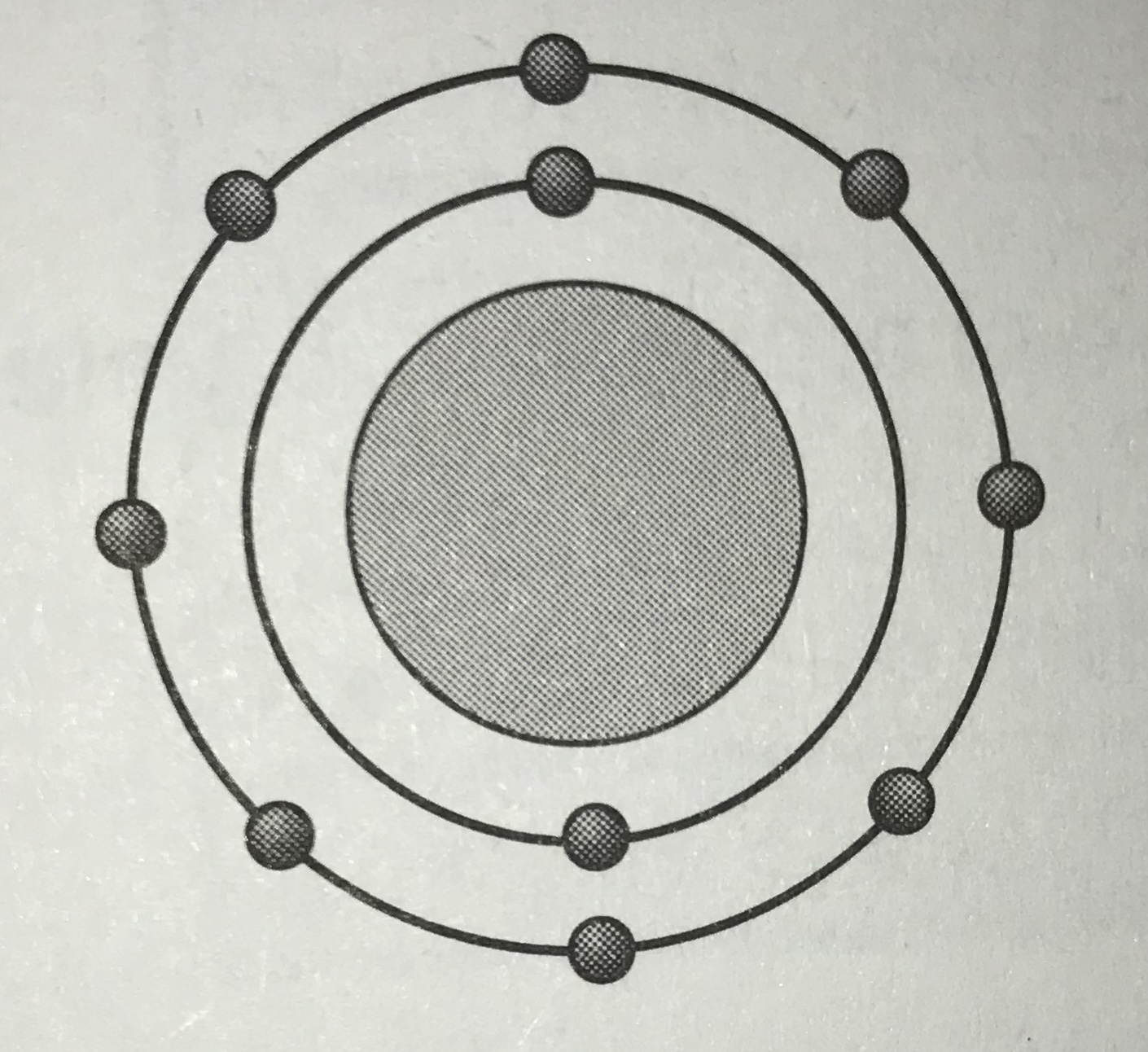
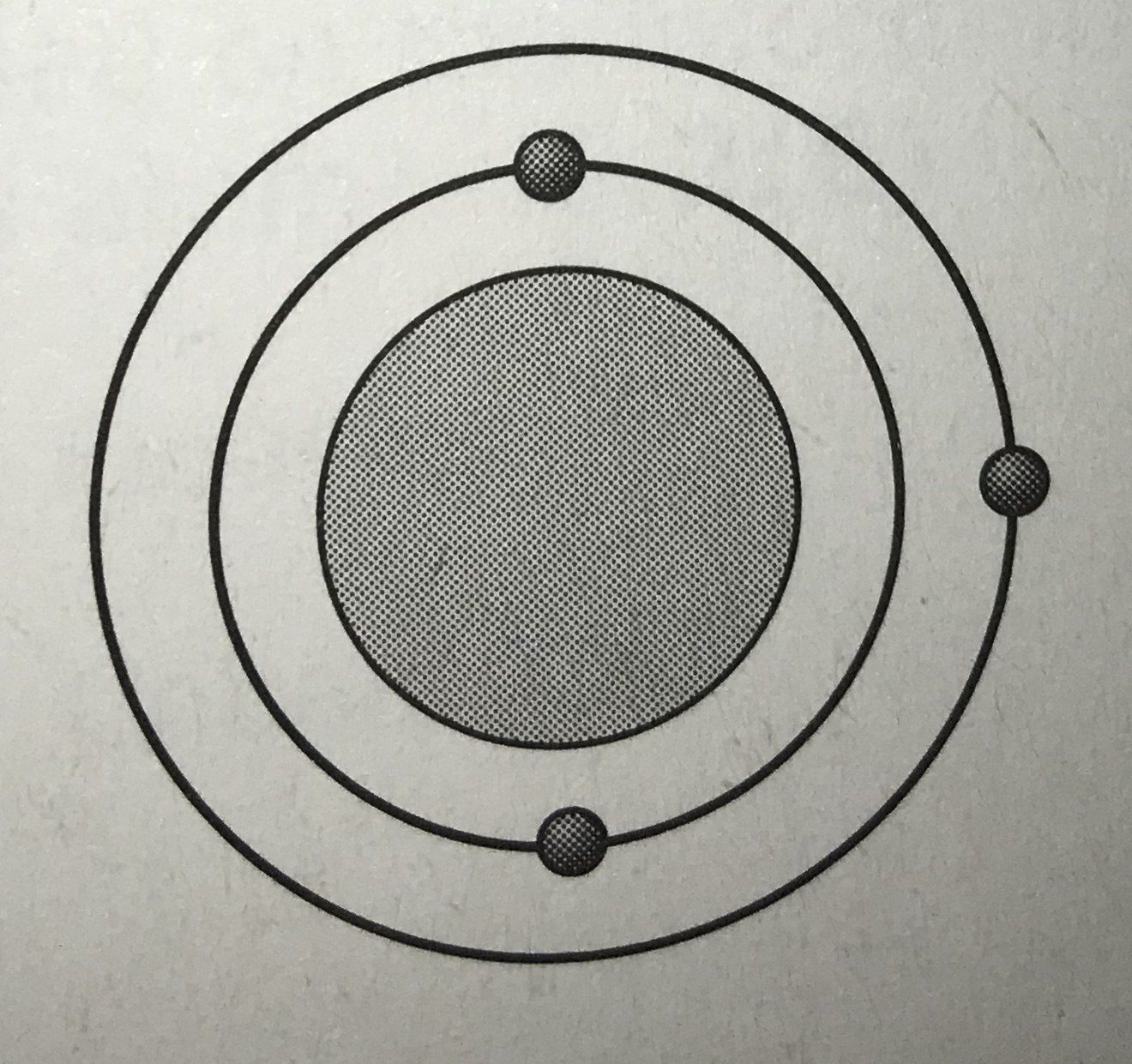
At the time of Mendeleev, the number of elements known was
(a) 63
(b) 65
(c) 62
(d) 64
The properties of eka-aluminium predicted by Mendeleev are the same as the properties of later discovered element
(a) Scandium
(b) Germanium
(c) Gallium
(d) Aluminium

