
 Worksheets
US A Final Review
Total questions: 123
Worksheet time: 2hrs 52mins
What is the South's major economic export (what do they make the most of in the South)?
Cotton
Steel
Coal
The Lincoln-Douglas Debates were fought over what topic?
Slavery
Voting Rights
Political Power
Why did there need to be compromises like the Missouri Compromise and the Compromise of 1850?
To keep an equal number of slave and free states
To make sure there will always be more whites than slaves living in a state
To give the South more power than the North
What was the 36°30' line?
The line separating NEW slave states and new free states
The line separating ALL slave and free states
The line where most Civil War battles were fought
What was the first battle of the Civil War?
Fort Sumter
Gettysburg
Antietam
Who won the election of 1860?
Abraham Lincoln
John Breckinridge
John Bell
Who won the Civil War?
Union
Confederacy

Suffragists achieved some early success persuading
states to allow women to vote.
Congress to pass a constitutional amendment.
President Wilson to back them.
the Supreme Court to rule in their favor.
The Sedition Act made it illegal to
buy Liberty bonds.
work in factories.
discuss anything negative about the government, Constitution
write articles about the war.

What was written by Thomas Jefferson, and signed and ratified by the 13 colonies on July 4, 1776?
Constitution
Federalist Papers
Magna Carta
Declaration of Independence
During this time, federalists believed in...
a strong central (federal) government
supported the idea of a national bank
emphasized manufacturing of goods over farming and agriculture
all of the possible answers are correct
In the system of federalism, who has supreme law making power?
The States
The People
The National Government
Confederations
According to the Constitution, the power of the government to rule over its' citizens is derived from
the people
congress
the president
the judicial branch

The rights listed above were —
established by a series of Supreme Court decisions
defined by Thomas Jefferson in the Declaration of Independence
established by the ratification of the U.S. Constitution
defined by President George Washington in his Farewell Address
From 1690 to 1760, Parliament and the king of England allowed colonists in America to exercise a great deal of control over local and regional matters. Historians have described this practice as “salutary neglect.”
Which of the following happened as a direct result of this policy?
The colonies developed a strong tradition of self-government.
Many proprietary colonies were converted to royal colonies.
The colonies refused to participate in a system of common defense.
Many colonies sought economic aid from other countries.
Which of the following was a pull factor that encouraged Europeans to colonize North America?
Available farmland
the promise of a better life
economic opportunities
all of the above
Which of the following was an argument made against slavery in the Thirteen Colonies?
Manufacturers argued that slavery discouraged the development of industry.
Farmers argued that using slave labor was expensive and inefficient.
Quakers argued that slavery violated Christian principles.
Puritans argued that the slave trade encouraged materialism.
This document was important as a foundation for many of our current constitutional principals such as habeas corpus, trial by jury, and no taxation without consent.
the F.O.C.
The Magna Carta
the House of Burgesses
the Mayflower Compact


What was a cause of the Civil War
state's rights
slavery
sectionalism
All of the above
The 3/5 Compromise:
stated 3 out of every 5 slaves would count toward the population
slavery would be banned after a 20 year time period
both of these
neither of these

Andrew Jackson's election victory in 1828 depended on support from
the rich and well-born.
Native Americans.
the common people.
states' rights supporters.

How did tariffs affect imported goods?
Tariffs lowered the prices of imported goods.
Tariffs made imported goods illegal to buy.
Tariffs set weight restrictions for imported goods.
Tariffs raised the cost of imported goods.

What type of historical source is it?
Primary / Written
Primary / Non-written
Secondary / Written
Secondary / Non-written
Digital technology
Primary source
Secondary source
Ancient drawings in caves
Primary source
Secondary source
A story told by an inhabitant of a certain place
Primary source
Secondary source

Whose authority was challenged by the new scientific theories during the 16th and 17th centuries?
English monarchs
Protestant Reformers
The Catholic Church
Wealthy Merchants

Ministers of The Great Awakening preached ___________
God was kind and forgiving
people were not equal
colonists should not be independent
colonists could save themselves
How did the Great Awakening change America?
It brought people from all over the colonies together for the first time
It led to people denying God and leading secular lives
It spread abolitionism throughout the land and led to the end of slavery
It brought French rule to America
Quakers are a religious group that
hates women.
goes to war often.
is very peaceful.
kills Native Americans.
Which document was issued on July 4 1776?
Mayflower Compact
Declaration of Independence
Fundamental Orders of Connecticut
What were 4 grievances listed in the Declaration of Independence?
Quartering of troops, no trial by jury, no colonial legislature, and taxation without representation
Petition, Protest, boycott, tar and feather
Townshend Act, Intolerable Act, boycott
Life, Liberty, and Pursuit of Happiness
What are the 3 unalienable rights listed in the Declaration of Independence?
Life, Liberty, Injustice
Liberty, Life, and No taxation without representation
Life, Liberty and the Pursuit of Happiness
Which battle marked the start of the American Revolution?
Lexington and Concord
Yorktown
Saratoga
What was the last major battle of the American Revolution in 1781?
Lexington and Concord
Yorktown
Saratoga
Valley Forge

Who was the president of the United States during the Civil War?
Jefferson Davis
Robert E. Lee
Abraham Lincoln
John Wilkes Booth
Who was the president of the Confederate states of America?
Abraham Lincoln
William Sherman
Morgan Freeman
Jefferson Davis
In 1863 this declared all slaves in the rebelling states were free.
Declaration of Independance
Emancipation Proclamation
Gettysburg Address
Battle of Bull Run
Why was the attack on Fort Sumter significant?
It was the bloodiest day of the Civil War.
The Confederacy surrendered.
The first shots of the Civil War were fired.
General Pickett charged the Union line.
The Confederacy surrendered to the Union army at this courthouse in Virginia.
Appomattox
Antietam
Manassas
Richmond
Superior transportation, an industrialized economy, and a large population describes the
Union (North)
Confederacy (South)
Agricultural economy, superior military leadership, and a large slave population describes
Union (North)
Confederacy (South)
Which of the following is NOT true about the Emancipation Proclamation?
It was signed by President Lincoln as a way to change the reason for the war to about ending slavery
It made slavery illegal in all of the rebelling(Southern) states, and union forces could free slaves
It was added to the constitution as the official abolishing of slavery in all of America including union states
Congress would NOT let Lincoln free slaves in the border states because those states hadn't rebelled or seceded.
General Sherman in his March to the Sea used this tactic in order to defeat the South
Limited War
Guerilla Warfare
Total War(Scorched Earth)
Peace Treaties

Lincoln's Reconstruction needed southern states to have at least ________ % of the voting population take a loyalty oath.
10
30
50
99

The __________Amendment outlawed slavery.
13th
14th
15th

___________________ wanted African Americans to have full citizenship.
Andrew Johnson
Abraham Lincoln
Radical Republicans
Union Army

President Johnson was impeached for _________________.
lying to the country
violating the Tenure of Office Act
holding elections in an off year

What amendment made all people born in the United States citizens?
13th Amendment
14th Amendment
15th Amendment
The ________________ allowed for slavery as a punishment for a crime.
13th Amendment
14th Amendment
15th Amendment
Literacy tests were created as a way to suppress African American voters after the passage of the _______________.
Civil Rights Act of 1964
13th Amendment
14th Amendment
15th Amendment
The 15th Amendment states that a person cannot be denied the right to vote based on ____________________.
race.
previous condition of servitude.
Which plan for Reconstruction required a majority of Southerners to give oath of loyalty?
Lincoln's 10% Plan
Wade Davis Bill
Johnson's 10%+ Plan
Reconstruction Act 1867
Andrew Jackson's election victory in 1828 depended on support from
the rich and well-born.
Native Americans.
the common people.
states' rights supporters.

Did Andrew Jackson support the National bank?
yes
no

What does the Indian Removal Act do?
Pushes all Native Americans into Florida
Allows Georgia to use Native Americans as slaves
Enacts the policy of assimilation
Moves Native Americans west beyond the Mississippi River

The Trail of Tears refers to
Jackson’s angry negotiations with the Five Civilized Tribes.
the movement of Seminole Indians from the West to Florida.
government workers who lost their jobs due to Jackson’s spoils system.
the removal of Cherokee Indians from Georgia to Indian Territory.

The Dawes Act broke up__________ and gave_________of land to Native Americans.
reservations; allotments
pueblos; parcels
tribes; allotments
1) How did they recognize people who were sick?
They were marked with a fleur-de-lis
They were marked a withpiece of chalk
Their ears were cut
When were women finally allowed to enter America alone?
In 1950
After World War II
Before World War II
During the medical inspections for what were the doctors looking for?
Trouble walking or breathing or signs of other health problems.
Knees and legs problems
If someone had the flu
What explanation below explains why railroad companies were able to charge high prices to farmers to ship their crops in the late 1800s?
There was a great deal of competition between various railroad companies
The railroads foreclosed on many farms and took the farmers’ properties
The railroad companies had essentially no competition.
They were able to charge high prices because the railroad companies owned the Grange.
The Populist Party wanted all of the following except:
abolition of the income tax
unlimited coinage of silver
regulation of railroads
a graduated income tax

Who would have said: " It's infinately more important to have the right to earn a dollar at a job than to spend that dollar at a theater or opera house"?
Booker T. Washington
WEB Dubois

Believed political rights were more important than economic rights
Booker T. Washington
WEB Dubois

Promoted economic independence over social and political equality
Booker T. Washington
WEB Dubois

His can be considered a "giant leap" forward approach to civil rights.
Booker T. Washington
WEB Dubois

Many African Americans criticized this leader calling him an "accommodationist" and a "compromiser" who gave-in to white demands?
Booker T. Washington
WEB Dubois
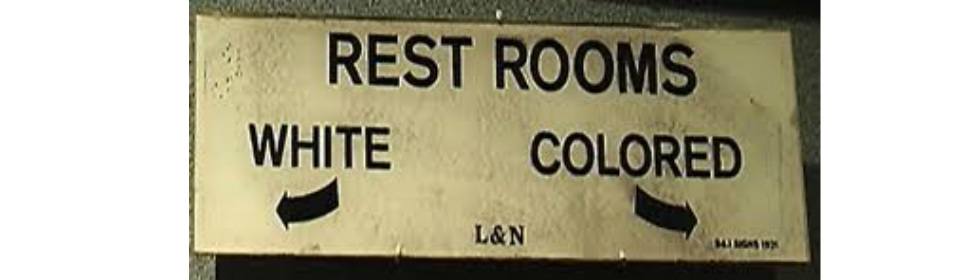
What part of the Jim Crow laws were African-Americans mostly trying to get away from? Hint: One of these has always been around the other was created by these new laws
Discrimination
Segregation
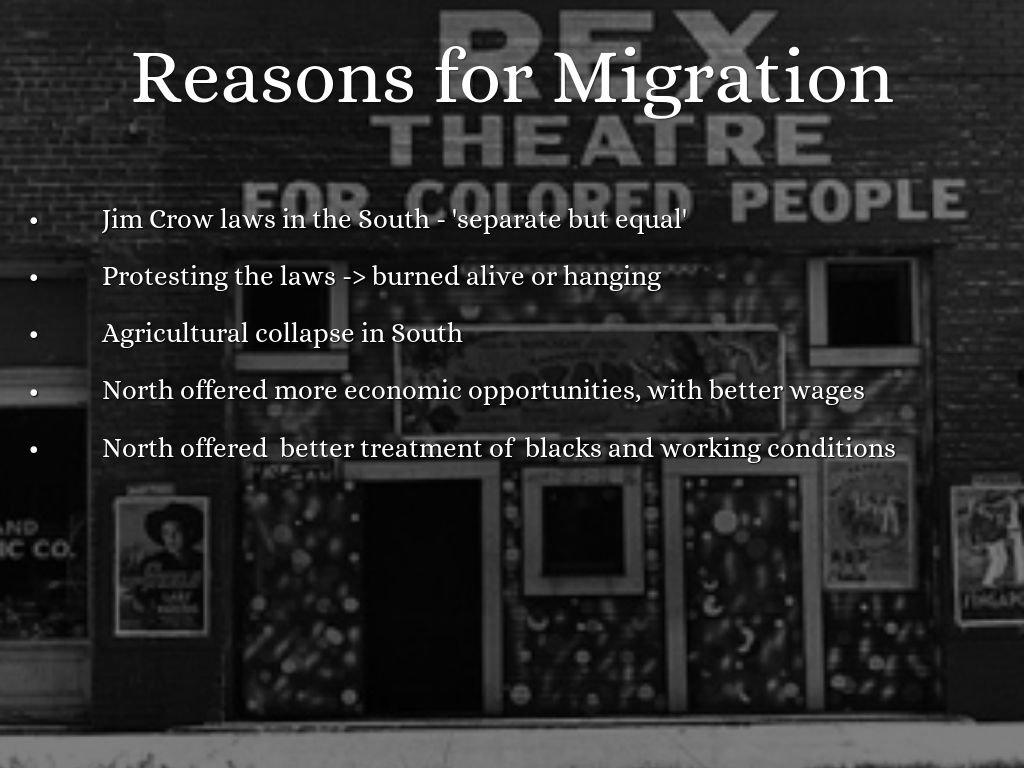
What two (2) things were African-Americans looking for when they did move?
Segregation and a Better Life
Lost Family and A Better Life
Discrimination and More Opportunities
More Opportunities and a Better Life

Worcester v. Georgia was about...
a white missionary who tried to help the Cherokee keep their tribal lands
a Creek chief who signed a treaty ceding Indian lands
a Cherokee chief who signed a treaty ceding Indian lands
land companies that bribed members of GA's General Assembly

Who was the U.S. President that refused to support the Supreme Court's ruling in Worcester v. Georgia?
John Marshall
Andrew Jackson
Thomas Jefferson
Abraham Lincoln


