
 Worksheets
1st Year Biology
Total questions: 140
Worksheet time: 2hrs 49mins
Which of the following structure contain the highest % of RNA
centriole
lysosomes
nucleolus
chromosomes
Which of the following organelles always contain DNA
centriole
golgi complex
lysosomes
mitochondria
Which of the following is responsible of cyclosis?
microtubule
microfilament
intermediate filament
none
Which class of molecule is the major component of cell membrane?
phospholipid
cellulose
triglyceride
wax
The enantiomer of D-glucose is
D-GALACTOSE
L-GALACTOSE
BOTH
NONE
Estrogen, vitamin-D& cholesterol are all examples of
glycolipids
lipoproteins
terpenes
steroids
The catalytic activity of an enzyme is restricted to its small portion
Active site
Passive site
Regulation site
Allosteric site
Erypsin is an example of
carbohydrases
proteases
lipases
nucleases
An essential feature of a competitive inhibitor is its ability to
activate an operator gene
combine with prosthetic group
modify a substrate
occupy an active site
ATP synthesis during light reactions
ATP
Photosynthesis
substrate phosphorylation
photophosphorylation
chlorophyll is soluble in
water
organic solvent
water and organic solvent
none
viruses are considered non-living because
do not mutate
cannot reproduce independently
they do not locomote
have nucleic acid
HIV attaches to
CD4 protein
lipoprotein
nucleoprotein
glycoprotein
The HIV primarily infects
plasma cells
helper T-cells
WBC
RBC
RNA retrovirus has special enzyme that
disintegrate host DNA
transcribe viral DNA to RNA
polymerises host DNA
translate host DNA
CYANOBACTERIA
carbon
oxygen
hydrogen
nitrogen
Chemosynthetic bacteria
are autotrophic
use sun rays
oxidize inorganic compounds to acquire energy
both A & C are correct
Which zoologist stated that all animals are composed of cells?
Anton van Leeuwenhoek
Robert Hooke
Matthias Schleiden
Theodor Schwann
Antara bahan berikut. yang manakah mengangkut oksigen?
Hemolimfa
Hemoglobin
Fibrinogen
Plasma
You suggest that the presence of water could accelerate the growth of bread mold. This is a/an _____.
conclusion
analysis
hypothesis
experiment
An instrument used to separate cell parts according to density is the ____.
electron microscope
blender
compound light microscope
centrifuge
When enough experimental data support a hypothesis, the hypothesis becomes a/an ____.
fact
inference
conclusion
theory
Which is NOT a unit of measurement in the metric system?
gram
inch
meter
liter
What is the term for the area of Earth where living things exist?
community
population
biosphere
environment
Which of the following characteristics of living things best explains why birds fly south for the winter?
Living things maintain internal balance.
Living things respond to their environment.
Living things are based on a universal genetic code.
Living things are made up of units called cells.
Information gathered from observing a plant grow 3 cm over a two-week time period results in ____.
data
variables
inferences
hypotheses
To observe a small, living organism, a scientist might use a/an ____.
electronic balance
compound light microscope
TEM
SEM
What is the term for a group of organisms of one type living in the same place?
population
environment
ecosystem
biosphere
Which of the following variables present in Redi's experiment on spontaneous generation is NOT a controlled variable?
gauze covering that keeps flies away from meat
types of jars used
types of meat used
temperature at which the jars were stored
In the metric system, the basic unit of length is the ____.
kilometer
centimeter
meter
millimeter
In sciene, a hypothesis is useful only if ____.
it can be tested
it is proven correct
it can be proven incorrect
the explanation is already known
An instrument that allows light to pass through the specimen and uses two lenses to form an image is a/an ____.
TEM
SEM
electron microscope
compound light microscope
Which of the following is NOT a characteristic of all living things?
ability to move
response to the environment
ability to reproduce
growth and development
What is the term given to a gorup of cells that develops from a single original cell?
community
nutrient solution
cell culture
cell fractionation
The process by which organisms keep their internal conditions fairly constant is called ____.
If in doubt about any part of an activity, trust your instincts.
Read all the steps in your activity before doing it.
Following your teacher's instructions.
Follow the textbook directions exactly.
Biology is the study of ____.
the land, water, and air on Earth.
the environment.
animals and plants only.
the living world.
Which level of organization includes all of the other levels?
organism
population
community
ecosystem
What technique is used to separate different cell parts?
microscopy
cell culture
cell fractionation
all of the above
A controlled experiment allows the scientist to isolate and test ____.
several variables
a mass of information
a conclusion
a single variable
Biotic means ______________.
Living organisms.
Non living factors.
Living and non living factors.
Plants and rocks
An unicellular organism is one that...
Can make its own food.
Cannot make its own food.
Has only one cell.
Has many cells.
Some organisms are capable to reproduce by budding or splitting. The mode of reproduction of these organisms is...
Heterotrophic reproduction
Asexual reproduction
Sexual reproduction
Autotrophic reproduction
What is a biosphere?
basic unit of life
everything that lives on Earth
species
chemicals
What is a species?
particular type of living things that can breed and reproduce
characteristic of life
study of life
step in scientific method
The _____________ stores food, water, wastes, and other materials in both plant and animal cells.
Vacuole
Mitochondria
Cytoplasm
Nucleus
The _____________ is a gel-like fluid that fills plant and animal cells. It holds the organelles in place and gives each cell its shape.
Cytoplasm
Cell Membrane
Cell Wall
Chloroplast


Which one of the following is a complex carbohydrate
Galactose
Maltose
Glycogen
Sucrose
Which of the following nutrient is mainly responsible for the production of sebum?
Fats
Carbohydrates
Protein
Vitamin C
Which of the following nutrient has no energy value?
Fats
Protein
Carbohydrate
Vitamin
Which vitamin is lacking when scurvy occurs
Vitamin A
Vitamin E
Vitamin C
Vitamin D
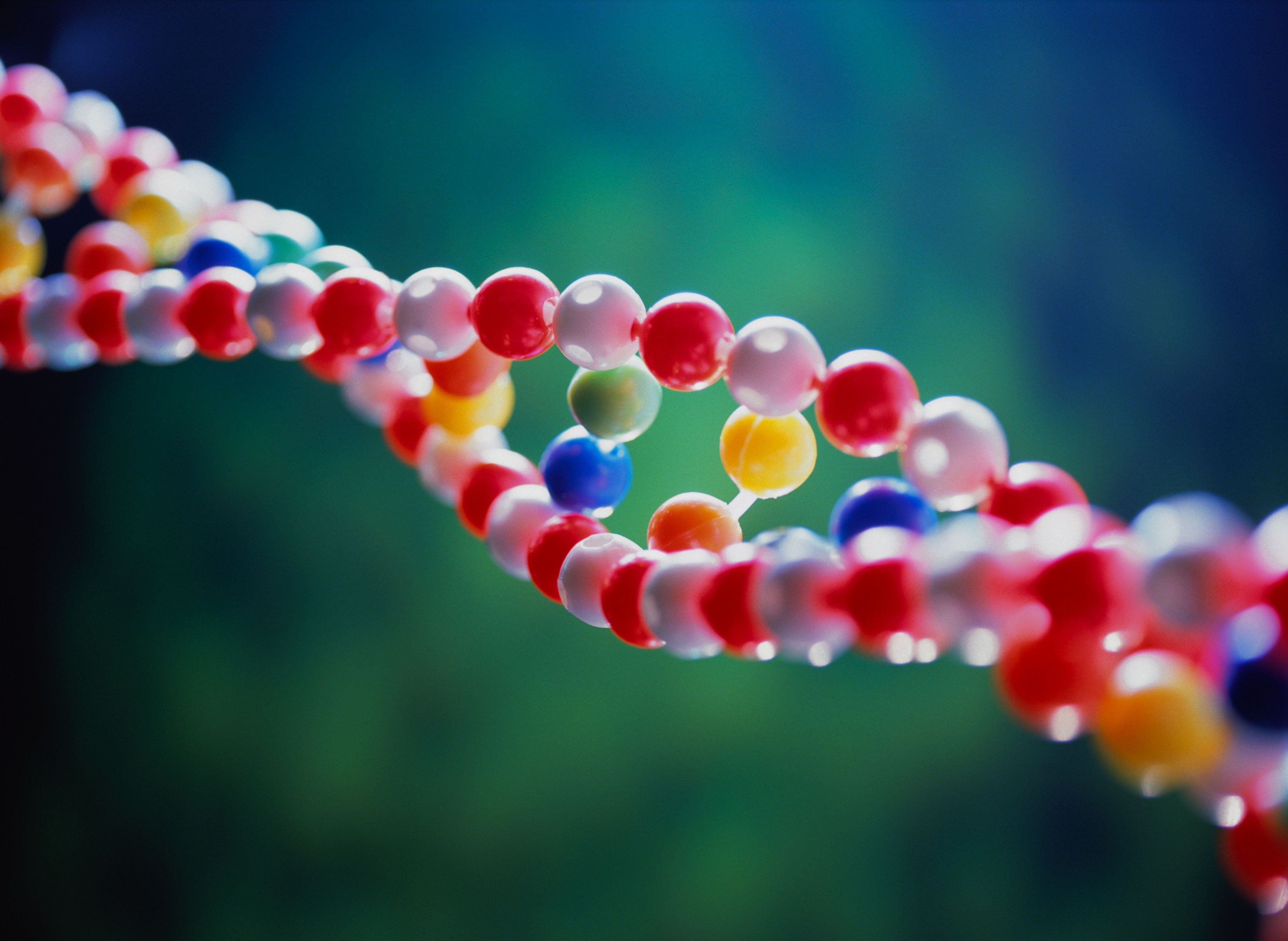
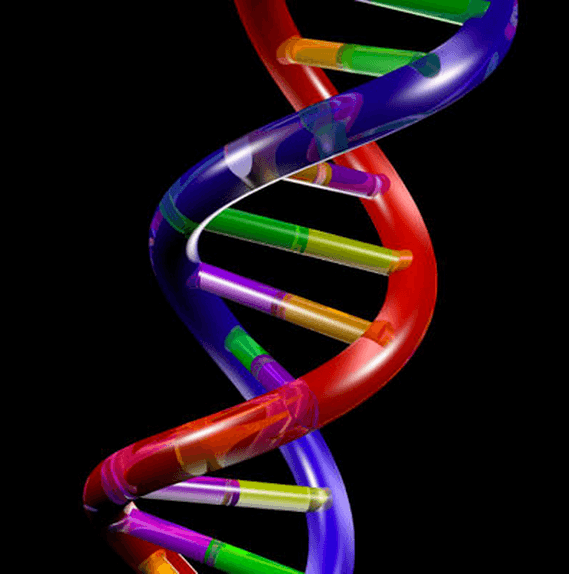
What makes up the outside spine of the DNA strand
Nitrogenous Bases
Adenine and Thymine
Deoxyribose sugar and a phosphate group
ribose sugar and a phosphate group
Non-vascular plants belongs to which group?
pteridophytes
bryophytes
gymnosperms
angiosperms
Which of these species belongs to bryophytes?
Polytrichum sp.
Dryopteris sp.
Pinus sp.
Hibiscus rosa-sinensis
Which of the following is the unique characteristics for Kingdom Plantae
cell wall consist of peptidoplycan
carbohydrate storage is glycogen
has alternation of generation
motile
Mosses and liverworts are called non-vascular plant because
they lack motile sperm
they lack seed
they lack vascular tissue
they lack true roots, stems and leaves
Which of the following is NOT a characteristic of pteridophytes?
Sporophyte generation is dominant
Gametophyte generation is dominant
Produce spores
Has true roots, stems and leaves
Why Hibiscus sp. are considered more advanced compared to Pinus sp.?
Xylem consists of vessel and tracheid
Reproduction by producing seeds
Phloem consists of sieve tube
Has true roots, stem and leaves
Most conifers have separate male and female reproductive parts on the same tree. This condition is referred to as
monoecious
dioecious
homosporous
heterosporous
Usual mode of reproduction: Sexual
Type of fertilization: External
Embryology: Blastopore contributes to the formation of anus; cleavage is radial
Symmetry: Immature form is bilateral; mature form is five-part radial
Body cavity: Lined with tissue derived from mesoderm
Segmentation: No evidence
Skeleton: Spiny exoskeleton secreted by the dermis and covered with a thin epidermis
Habitat: marine
Into what phylum should this organism be placed?
Chordata
Echinodermata
Mollusca
Nematoda
Coelomate, exoskeleton and jointed appendages are characteristics of
Annelida
Arthropoda
Mollusca
Chordata
Pharyngeal slits, endoskeleton derived from mesoderm and ventral heart are characteristics for
Annelida
Chordata
Cnidaria
Nematoda
The ciliated, free-swimming larva of the cnidarian is called a _______________.
blastula
planula
meusa
polyp
Which phylum and species that has these characteristics
Pseudocoelomate narrow body pointed at both ends Locomotion by contraction of longitudinal muscles Dioecious
Annelida - Pheretima sp
Nematoda - Achatina sp
Nematoda - Ascaris sp
Annelida - Asterias sp
Common characteristics of protista
no tissue, located in moist environment
multi-cellular, located in warm dry environments
tissue, with nucleus
A fungi like example of protista is
algae
paramecium
slime mold
An example of a protista that just floats along is a
euglena
diatoms
amoeba
paramecium
An animal with a cell that is not a plant, animal or fungi is a
spore
protista
arcella
slime mold

Which of the following statements is/are true about the events occurring during vigorous physical exercise?
I. exercise increases the rate of cellular respiration
II. increased CO2 causes decreased acidity in blood
III. chemoreceptors in aorta detect change in pH
IV. Pituitary gland sends a message to to diaphragm for more frequent contraction
II and III
I and III
I and IV
I, II, III
Which of the following structures carry impulses from brain to respiratory system to increase ventilation rate?
Internal intercostal nerve- pharynx nerve
Intercostal nerve- Phrenic nerve
Diaphragm nerve- Phrenic nerve
External intercostal nerve- vagus nerve
I. High surface area
II. Thin walls
III. Dry surfaces

The air sacs that are covered with capillaries where gas exchange takes place.
Bronchi
Trachea
Oxygen
Alveoli
Blood with oxyhaemoglobin is transported from lungs to
Other parts of body
Brain
Heart
Spinal cord
Deoxygenated blood flow from the body cells to the heart via .....
Vena Cava
Aorta
Pulmonary artery
Pulmonary vein
The right and left chambers are separated by
Sternum
Septum
Sernom
Strenoum
The........ has thick muscular wall, small lumen and no valves
Artery
Veins
Capillary
Trachea
The........ has thin muscular wall, very big lumen and valves
Artery
Veins
Capillary
Trachea
The normal reading of systole and diastole is
100/50 mmHg
110/55 mmHg
120/80 mmHg
135/95 mmHg
Proteins can be structural. Select the structural protein from this list
amylase (an enzyme in the mouth)
insulin ( a hormone in the blood)
collagen ( a protein to strengthen skin)
glycogen (a store of glucose in the muscle)
Select the TRUE statement below
Glucose and Lactose are complex carbohydrates
Glucose and Glycogen are simple carbohydrates
Glycogen and Lactose are complex carbohydrates
Glucose and Lactose are simple carbohydrates
Which of the following is a risk of overusing antibiotics to treat infections>
Bacteria may become resistant to antibiotics.
Antibiotics increase the rate of infection.
Antibiotics cause other diseases to develop.
Antibiotics only work once.
Bacteria come in which of the following shapes?
rod, cone, spiral
rod, sphere, spiral
rod, sphere, cone
sphere, cone, spiral
Which of the following is true?
Viruses and bacteria are both prokaryotes.
Bacteria are eukaryotes and viruses are prokaryotes.
Some bacteria are prokaryotes and some are eukaryotes.
All bacteria are prokaryotes.
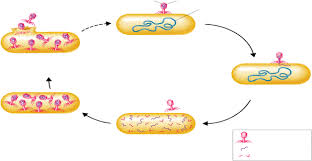
Which viral life cycle kills its host cell by lysing (bursting)?
Lysogenic Cycle
Lytic Cycle
Binary Fission
Conjugation

