Wayground logo

Free Printable Worksheets

Font size

S
M
L
XL
Worksheets

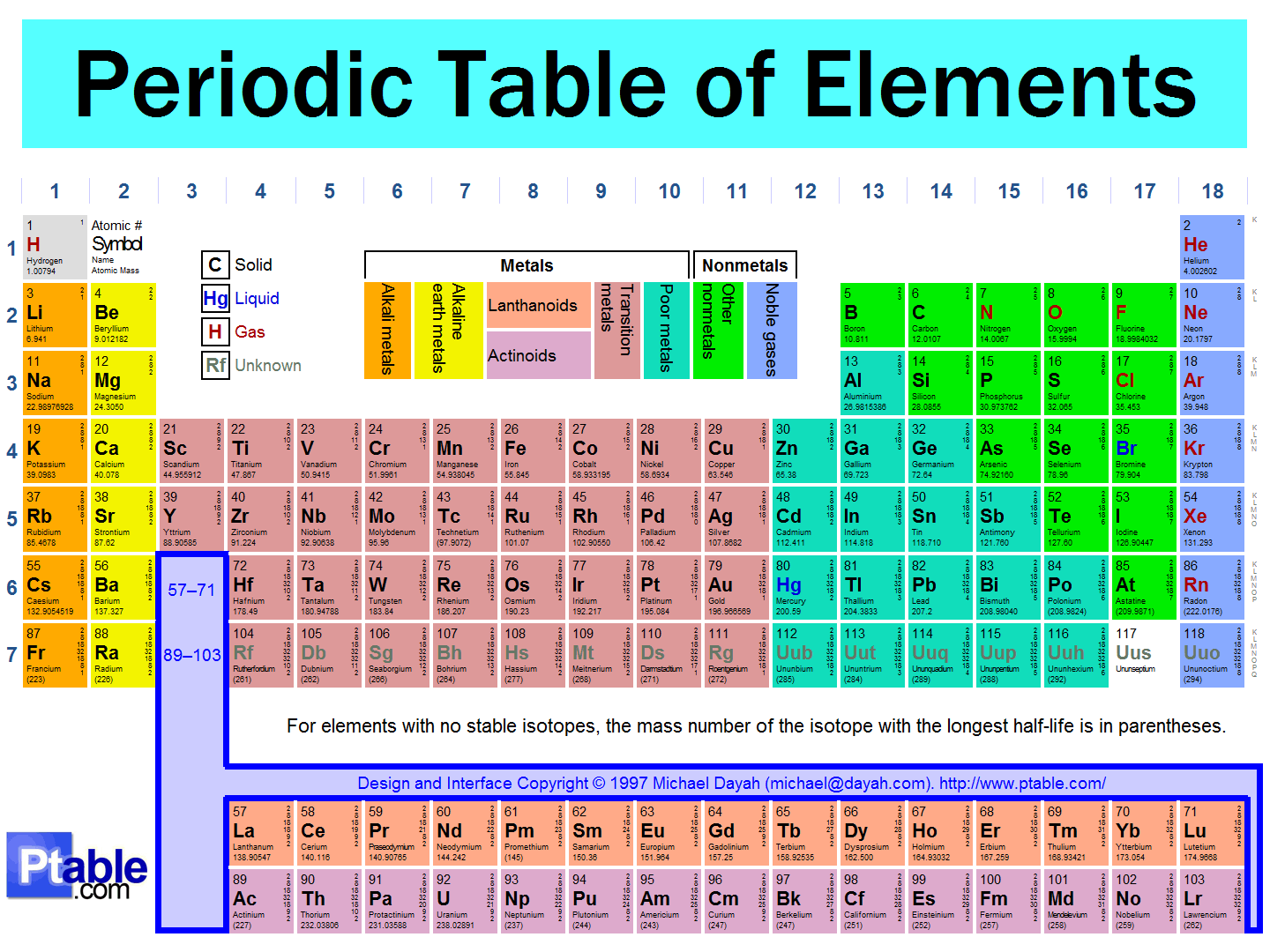
PERIODIC TABLE

Total questions: 70

Worksheet time: 35mins
Name
Class
Date
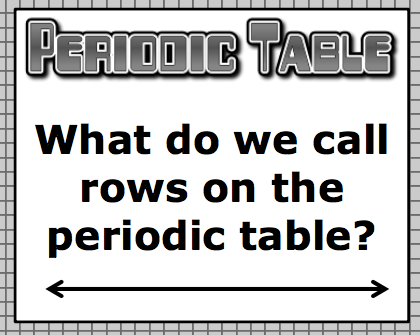
1.
a)
Periods
b)
Groups
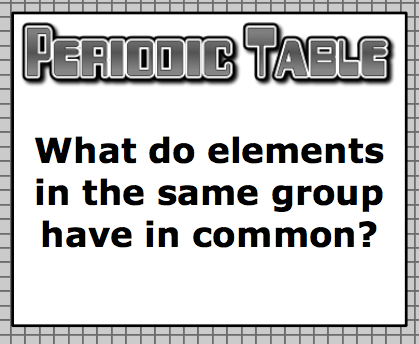
2.
a)
Periods
b)
Groups
3.
a)
energy levels
b)
valence electrons
c)
protons
d)
neutrons
4.
a)
energy levels
b)
valence electrons
c)
protons
d)
neutrons
5.
a)
Same group
b)
Same period
6.
The horizontal row on the periodic table is called a
a)
group
b)
family
c)
period
d)
atomic number
7.
A vertical column is called...
a)
group
b)
tower
c)
period
d)
crew
8.
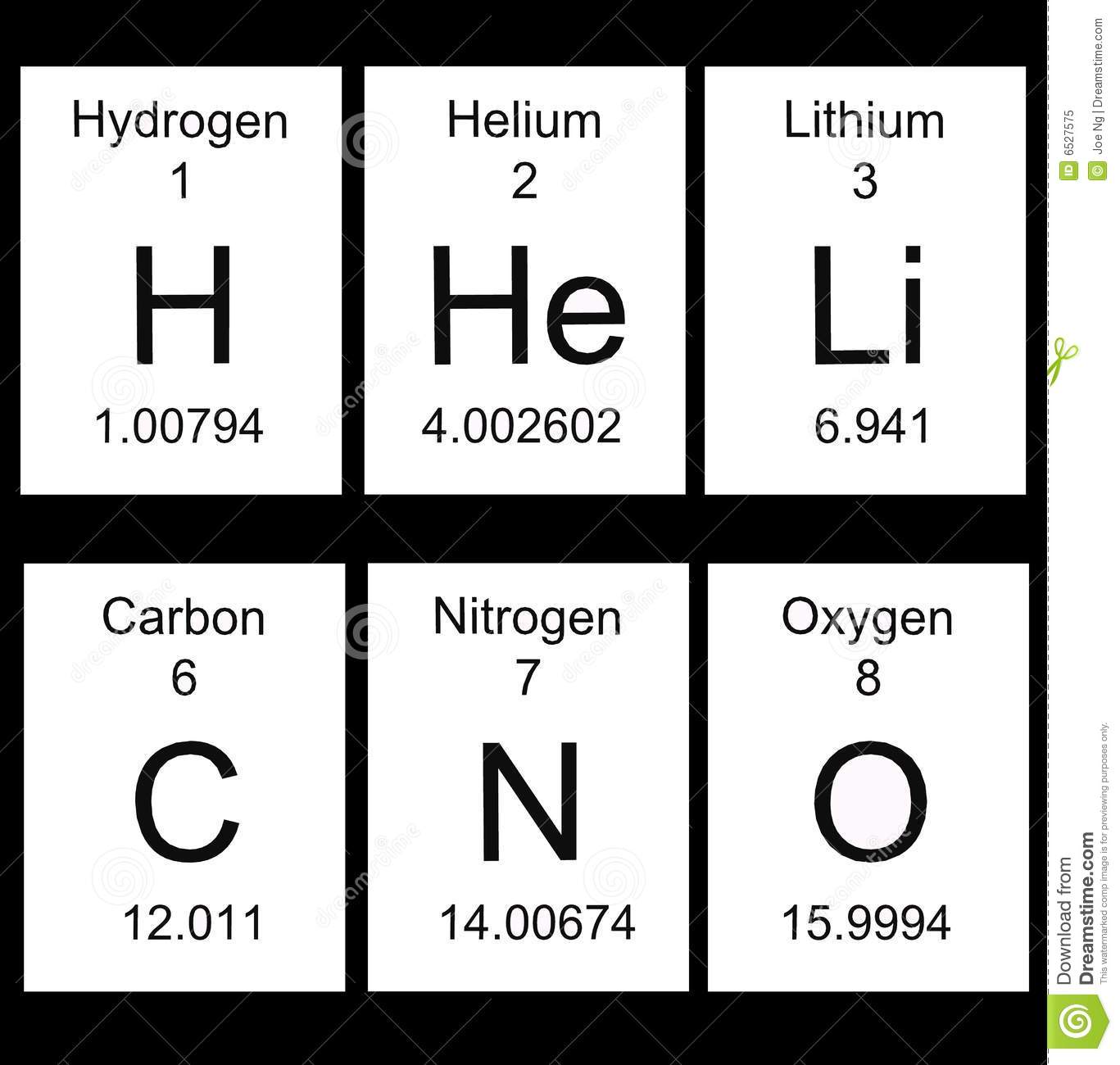
The number at the bottom of each square on the periodic table is the ...
a)
atomic number
b)
atomic mass
c)
chemical symbol
d)
element name
9.
The number at the top of each square on the periodic table is the ...
a)
atomic number
b)
atomic mass
c)
Chemical Symbol
d)
Element Name
10.
What is the chemical symbol for Lithium?
a)
H
b)
He
c)
Li
d)
N
11.
Pure forms of these elements are stored in oil so they won't react with oxygen and water in the air.
a)
Alkali Metals
b)
Alkaline-earth metals
c)
Halogens
d)
Noble Gases
12.
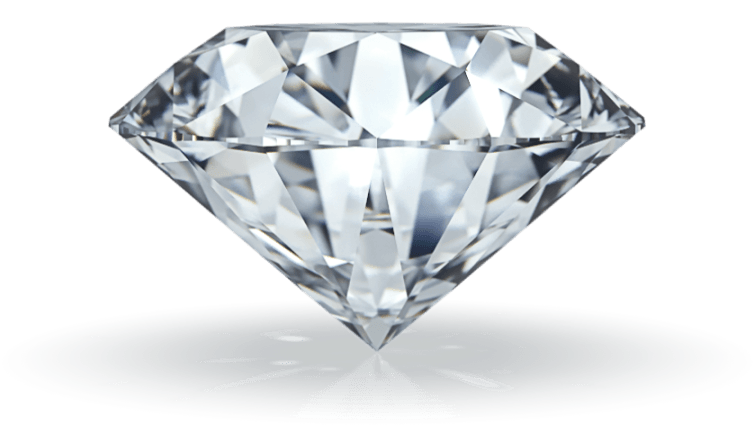
Diamonds are a pure form of what element?
a)
Carbon
b)
Oxygen
c)
Silicon
d)
Silver
13.

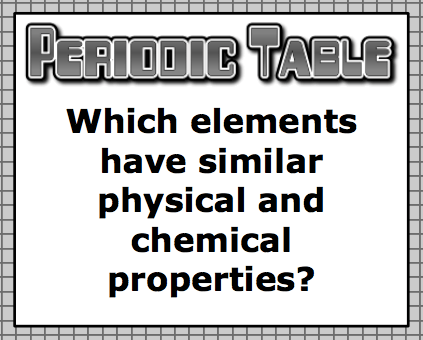
Elements in the same group have __________

a)

Similar Properties

b)

Same number of shells

c)

Similar Mass

14.

What do all elements in the same period have?

a)

same number of shells

b)

same number of electrons

c)

belong in the same family

15.
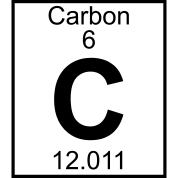
What does the C represent?
a)
atomic mass
b)
atomic number
c)
element name
d)
chemical symbol 
16.

the basic structural unit of matter

a)

atom

b)

matter

c)

element

d)

nucleus

17.
These are found on the Periodic Table.
a)
Compounds
b)
Elements
c)
Mixtures
18.

a collection of atoms of one type that cannot be broken down into simpler substances by ordinary chemical or physical means

a)

element

b)

subatomic particle

c)

electron

d)

matter

19.

a subatomic particle, contained in the nucleus of an atom, having the same mass as a proton but no electrical charge

a)

proton

b)

neutron

c)

electron

d)

matter

20.

the positively charged subatomic particle contained in the nucleus of an atom

a)

proton

b)

neutron

c)

electron

d)

matter

21.

a negatively charged subatomic particle that orbits the nucleus of an atom

a)

proton

b)

neutron

c)

electron

d)

matter

22.

a unique number for each element that equals the number of protons in an atom of that element

a)

element name

b)

element symbol

c)

atomic number

d)

atomic mass

23.

the mass of an atom, calculated by adding the number of protons and neutrons in the nucleus of the atom

a)

element name

b)

element symbol

c)

atomic number

d)

atomic mass

24.
The atomic number of this pictured element is
a)
28
b)
58.6934
c)
Ni
d)
Nickel
25.
What is the atomic mass of Neon?
a)
10
b)
30
c)
10.18
d)
20.18
26.

period

a)

Elements that occur in vertical columns on the periodic table.

b)

A horizontal row of elements in the periodic table

c)

Found in group two of the periodic table; highly reactive

d)

A subatomic particle that has a negative charge

27.
What is the symbol for CALCIUM?
a)
C
b)
Cl
c)
Ca
d)
Cm
28.
What is the symbol for SODIUM?
a)
Na
b)
S
c)
So
d)
Sd
29.
H is the symbol for ...
a)
helium
b)
hydrogen
c)
holmium
d)
mercury
30.
S is the symbol for the element ...
a)
silver
b)
sodium
c)
sulfur
d)
silicon
31.
What is the symbol for BORON?
a)
Bn
b)
Br
c)
Bo
d)
B
32.
Be is the symbol for the element ...
a)
barium
b)
bromine
c)
boron
d)
beryllium
33.
The symbol for the element POTASSIUM is ...
a)
K
b)
P
c)
Po
d)
Pt
34.
The symbol for FLUORINE is ...
a)
Fn
b)
Fu
c)
Fl
d)
F
35.
Ar is the symbol for the element ...
a)
archaeopteryx
b)
argentium
c)
argon
d)
arsenic
36.
The symbol for SILICON is ...
a)
Sc
b)
Sl
c)
S
d)
Si
37.

The 19th element regulates fluid balance, muscle contractions and nerve signals. You can get it from bananas!

a)

Potassium

b)

Calcium

c)

Flouride

d)

Helium

38.

What is the symbol of Sodium?

(a)  

39.

Element # 12 is

a)

Sodium

b)

Magnesium

c)

Oxygen

d)

Hydrogen

40.

Periodic law states that the elements are arranged according to their atomic ________ so that elements with similar chemical properties are in the same ________ and properties repeat periodically.

a)

numbers, rows

b)

masses, rows

c)

masses, column

d)

numbers, column

41.

What are the three main groups of the periodic table?

a)

groups

b)

metal

c)

nonmetals

d)

metalloids

e)

periods

42.

What are the vertical columns on the periodic called?

a)

groups

b)

periods

c)

nonmetals

d)

metals

e)

metalloids

43.

What do the vertical columns on the periodic table tell us?

a)

The number of orbitals

b)

The number of valence electrons (electrons on the outer most shell)

44.

What are the horizontal rows on the periodic table called?

a)

periods

b)

groups

c)

metals

d)

nonmetals

e)

metalloids

45.

What do the horizontal rows on the periodic table tell us?

a)

The number of orbitals

b)

The number of valence electrons (the electrons on the outer most shell)

46.

What does the number of proton tell us?

a)

electrons

b)

atomic number

c)

atomic mass

d)

neutrons

47.

How do you calculate the number of neutrons? *

a)

Mass = Atomic number - Neutrons

b)

Mass - Atomic number = Neutrons

c)

Atomic number = Neutrons

48.

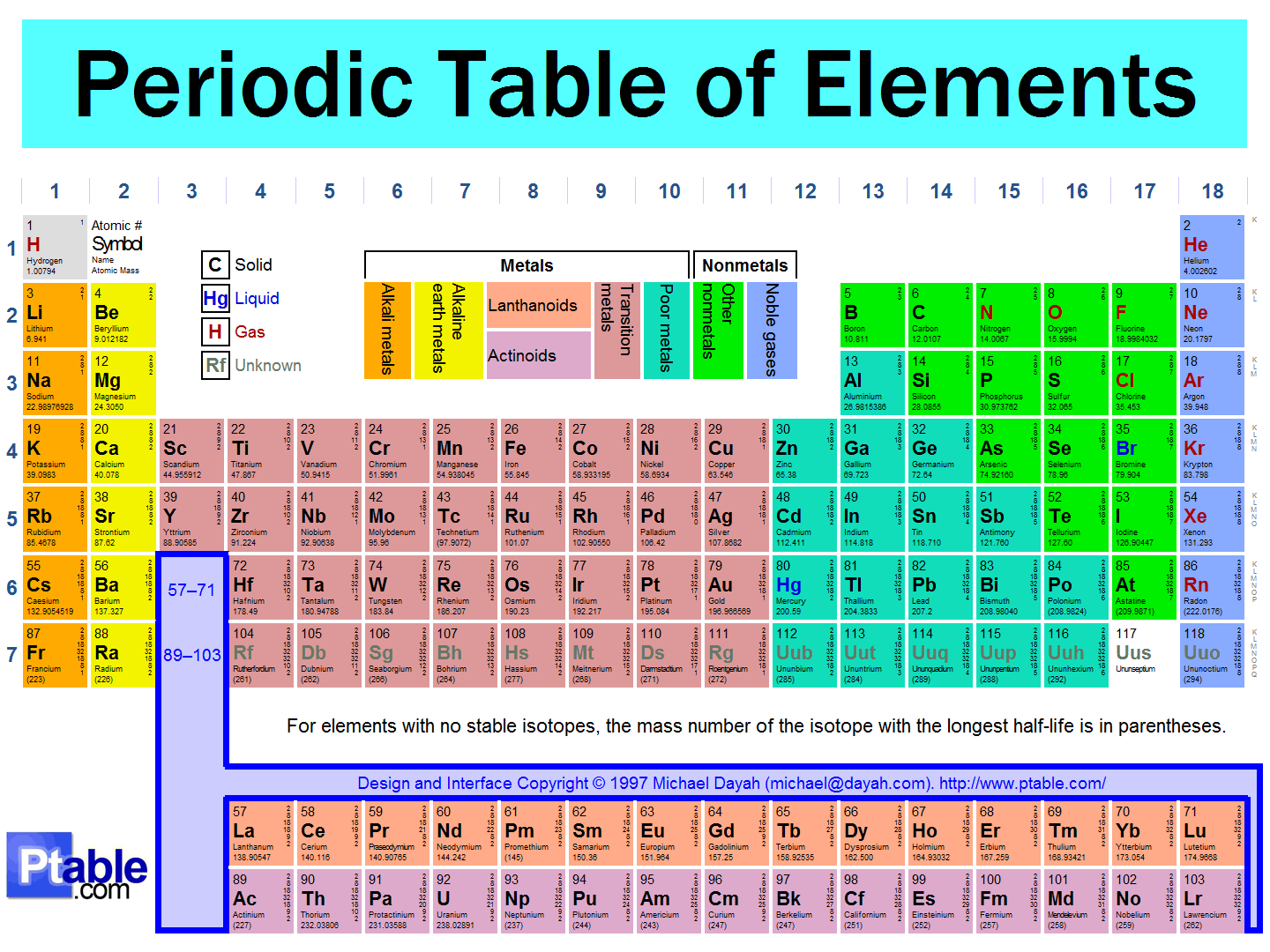
What is the name of the element? (Periodic table will be needed)

a)

sodium

b)

magnesium

c)

vanadium

49.

What group and period does this element belong in? *

a)

period 1 and group 3

b)

period 3 and group 1

c)

period 2 and group 3

d)

period 3 and group 2

50.

How many valence electrons does the element have?

a)

1

b)

2

c)

3

d)

4

51.

How many protons and electrons does nickel have?

a)

28

b)

58.69

52.

What is the atomic mass?

a)

58.693

b)

28

53.

How many orbitals does Nickel have?

a)

3

b)

4

c)

5

d)

10

54.

Who discovered the nucleus?

a)

Rutherford

b)

Bohr

c)

Thomson

d)

Dalton

55.

Who proposed a model with electrons moving in specific layers?

a)

Rutherford

b)

Bohr

c)

Thomson

d)

Dalton

56.

This element has two valence electrons and two energy levels?

a)

Beryllium (Be)

b)

Lithium (Li)

c)

Zinc (Zn)

57.

How many valence electrons and energy levels does (Pb) lead have?

a)

4 valence electrons and 6 energy levels (orbitals)

b)

6 valence electrons and 4 energy levels (orbitals)

c)

5 valence electrons and 5 energy levels (orbitals)

d)

5 valence electrons and 10 energy levels (orbitals)

58.
In the modern periodic table elements are arranged by:
a)
atomic mass
b)
atomic number
c)
valence electrons
d)
number of isotopes
59.
Beryllium is in group number______.
a)
Group 2
b)
Group 3
c)
Group 4
d)
Group 7
60.
The period for Bromine is ___________.
a)
3
b)
2
c)
4
61.
What is the name of the group that never reacts--ever ever they are stable with a full outermost ring!!!
a)
noble gases
b)
transition
c)
halogens
d)
borons
62.
The horizontal row on the periodic table is called a
a)
group
b)
family
c)
period
d)
atomic number
63.
Which element is found in group 16 period 3?
a)
Sulfur (S)
b)
Selenium (Se)
c)
Chlorine (Cl)
d)
Carbon (C)
64.
Which element is found  in group 17 period 3?
a)
Chlorine
b)
Flourine
c)
Oxygen
d)
Phosphorous
65.
Which element is found in period 3 group 2?
a)
Sodium (Na)
b)
Magnesium (Mg)
c)
Yttrium (Y)
d)
Boron (B)
66.
Which element is found in group 18 period 4?
a)
Neon (Ne)
b)
Chlorine (Cl)
c)
Krypton (Kr)
d)
Xenon (Xe)
67.
Which element is found in group 1 period 2
a)
Lithium
b)
Magnesium
c)
Beryllium
d)
Potassium
68.
Which element is found in group 2 period 7?
a)
Radium (Ra) 
b)
Radon (Rn)
c)
Stontium (Sr)
d)
Lutetium (Lu)
69.
Which element is found in group 18 period 1?
a)
Neon (Ne)
b)
Helium (He)
c)
Chlorine (Cl)
d)
Krypton (Kr)
70.
Which element is found in group 2 period 4?
a)
Strontium (Sr)
b)
Barium (Ba)
c)
Calcium (Ca)
d)
Beryllium (Be)