
 Worksheets
YEAR7-CHEMISTRY-REVISION-TERM 3 EXAM
Total questions: 65
Worksheet time: 45mins
When the matter is being cooled, the particles will move _____________
faster
static
slower
randomly

This is arrangement for particles in ______________
Gas
Solid
Liquid

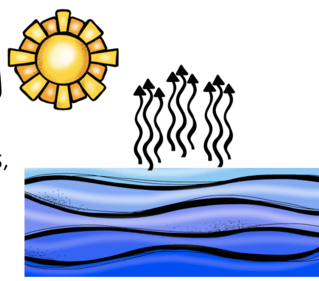
Choose the process happened when wet clothes hanging under the sunlight.
melting
evaporation
boiling
sublimation

Dry ice at room temperature is examples for process ______________
melting
sublimation
freezing
condensation
solid
liquid
gas
Which image shows particles in a liquid?


When an object changes shape when struck by a hammer.
luster
malleable
brittleness
ductile
The list which contains only metals is .......
aluminium, copper, nitrogen
iron, oxygen, hydrogen
iron, silver, aluminium
iron, sulphur, copper
All metals are solids except
Sodium
Calcium
Mercury
Hydrogen.
Metals are sonorous in nature. What is sonorous?
Making into powder
Drawn into wires
Make sound on beating
None of these
Able to be drawn into wire is
malleable
insulator
lustre
ductile

Which is the hardest material present on earth
iron
boron
diamond
grsphite
Which one of the following is a good conductor of electricity?
wood
plastic
Iron
glass
Which non-metal is essential for our life?
Hydrogen
Oxygen
Nitrogen
Carbon
What substance turns into gas and burns?
wax vapor
wick
solid wax
hydrogen in the air
Is it acid or alkali when the pH is 4 pH
Acid
Alkali
Neutral
Lemon contains acid or alkali or neutral
Acid
Alkali
Neutral
What is an example of neutral
Vinegar
Water
Milk
Drain cleaner
When you get a bee sting, what will you use to make you feel better ?
Water
Baking soda
Milk
Toothpaste

What is the meaning of the above hazard warning symbol?
Corrosive
Explosive
Toxic
Radioactive
Acid in soft drink:
Hydrochloric acid
Sulfuric acid
Acetic acid
Carbonic acid
Reaction between acid and alkali producing salt and water:
Combustion
Neutralization
Precipitation
Decomposition
What colour does red litmus paper turn when added to an alkali?
Blue
Red
Green
Colourless

What kind of acid is present in your stomach?
Sulfuric acid
Hydrochloric acid
Citric acid
Nitric acid
Which of the following indicator will show different colour in acid, neutral and alkali?
Phenolphtalein
Universal indicator
Methyl orange
Litmus paper
Nitric acid + __________ → Sodium nitrate + Water
Aluminium oxide
Magnesium hydroxide
Sodium hydroxide


Chlorofluorocarbons is represented by the abbreviation _________________.
CFC
ChFC
Chl
hydrocarbons
The most common source of carbon monoxide comes from _____________________________.
vehicles
swamp gases
industrial sources
none of these
Which of the following is an adverse health effect from air pollution?
allergic reactions
bronchial inflammation
eye and lung irritants
All of these are correct
When a metal is shiny, we say it is ___________.
lustrous
malleable
ductile
conductive
When a metal can be made into thin wires, we say it is ___________.
lustrous
malleable
ductile
conductive

The property of metals that allows them to be pulled into thin wires is called ..
conductivity
malleability
ductility
luster

An alloy is harder than its pure metal because the foreign atoms in the alloy
increase the bond strength between the atoms.
increase the empty spaces between the atoms.
react with the pure metal atoms to form a compound.
reduce the ability of the atoms to slide across each other.

Is gold metal?
Bronze contain copper and
Zinc
Tin
Magnesium
Antimony
Where is the largest amount of water on Earth located?
glaciers
oceans
lakes
streams
What is a sewage treatment plant?
The place where water is cleaned, filtered and tested before re-entering the water cycle.
The place where water is cleaned, filtered and tested before going to our houses.
The network of pipes that carry sewage (dirty water) from our houses.
The place where water is bottled for drinking.
What is the first step in the water treatment process?
coagulation
filtration and removal of debris, sand, grit, etc.
flocs
concentation
Process used in water treatment process where water is pushed through screens, sand, gravel and coal to remove organisms and trash
filtration
chlorination
coagulation
bioreactors
Which one of the following solids is insoluble in water?
sugar
copper sulfate
sand
salt

What does chlorination do to the water?
Removes microorganisms
Removes suspended particles
Removes dissolved substances
What is Climate Change?
long-term heating of Earth’s surface
long-term sustainability in the average weather patterns
long-term change in the average weather patterns
Climate change and global warming are the same thing
What is Global Warming?
long-term heating of Earth’s surface
long-term cooling of Earth’s surface
long-term change in the average weather patterns
global warming and climate change are the same thing
What is the most abundant (most) greenhouse gas in the atmosphere?
Fluorinated gases
Nitrous oxide
Methane
Carbon Dioxide
Which of the following activities does NOT produce greenhouse gases?
Gas powered transportation
Burning of propane gas logs
Solar Energy
Coal used to generate electricity
What is the atmosphere?
layer of dirt below the ground
layer of water at the bottom of the ocean
layer of air around the Earth
layer of air inside a greenhouse

