
Font size
 Worksheets
Circulatory System
Total questions: 100
Worksheet time: 8hrs 20mins
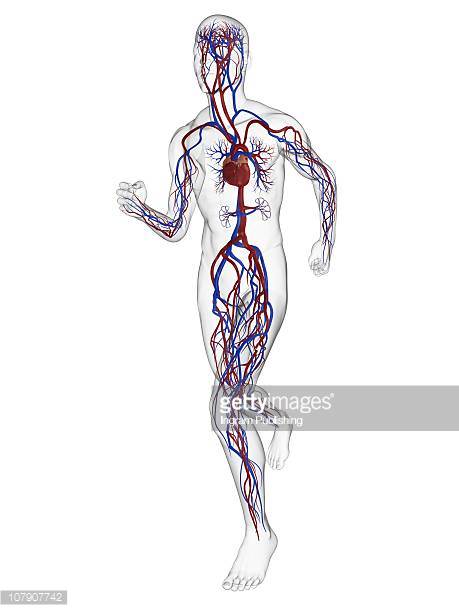
What is the main organ of the circulatory system?
small intestine
bone
lungs
heart
Arteries carry oxygen rich blood away from the heart.
True
False
The job of the heart is to . . .
pump blood around the body.
send food to the small intestines.
break down food.
give energy to the body.


Blood vessels that carry blood away from the heart.
Veins
Capillaries
Arteries
These blood vessels help fight infection and other diseases.
Red Blood Cells
White Blood Cells
Platelets
Plasma
Blood vessels that carry blood to the heart.
Veins
Arteries
Capillaries
The upper part of the heart is made up of two chambers called what?
Ventricles
Atria
The bottom part of the heart is divided into two chambers called what?
Ventricles
Atria
The smallest blood vessels that ensure oxygen and nutrients are delivered to the body's cells.
Capillaries
Arteries
Veins
This occurs when blood flow to part of the heart is blocked.
Heart attack
Stroke
Arrhythmia
Type of circulation that refers to blood flow from the heart to the lungs and back to the heart again?
Systemic circulation
Renal circulation
Portal circulation
Pulmonary circulation
Type of circulation that refers to the blood flowing through the entire body?
Systemic circulation
Renal circulation
Portal circulation
Pulmonary circulation
The contraction/emptying phase of the cardiac cycle?
Systole
Diastole
The relaxing/filling stage of the cardiac cycle?
Systole
Diastole
The type of blood vessel that normally carries de-oxygenated blood back to the heart from body cells?
arteries
capillaries
veins
The type of blood vessel that normally carries oxygenated blood from the heart to the body cells?
arteries
capillaries
veins
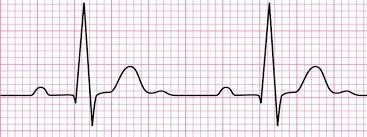
Type of device that measures the electrical currents created by the SA and AV nodes?
AED
MRI
ECG
CAT Scan

The main vein(s) that brings blood to the right atrium?
Aorta
Pulmonary veins
Superior and Inferior vena cava
Jugular vein
The sac that surrounds and protects the heart?
endocardium
epicardium
myocardium
pericardium

Instrument used to measure blood pressure?
AED
ECG
Sphygmomanometer
ultrasound
The heart is about the size and shape of your . . .
head
fist
hand
foot
The FREQUENCY of heart contractions is...
heart rate
blood pressure
respiratory rate
voluntary muscle contraction
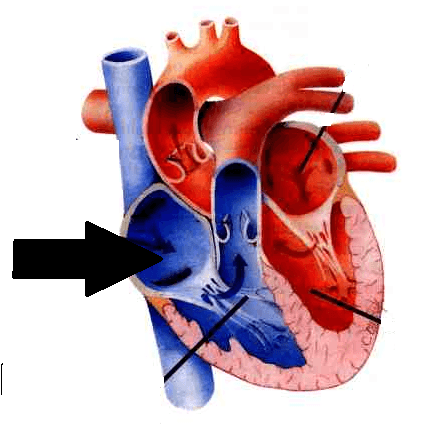
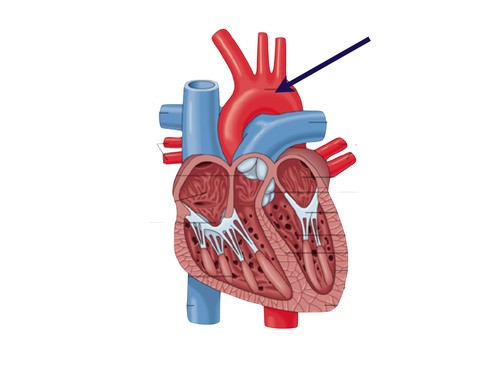
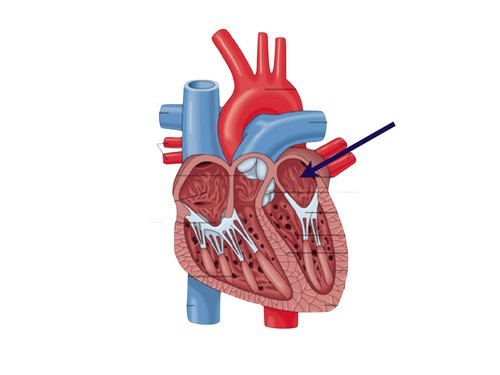
This chamber of the heart RECEIVES oxygen rich blood back from the lungs
Right Atrium
Left Atrium
Right Ventricle
Left Ventricle
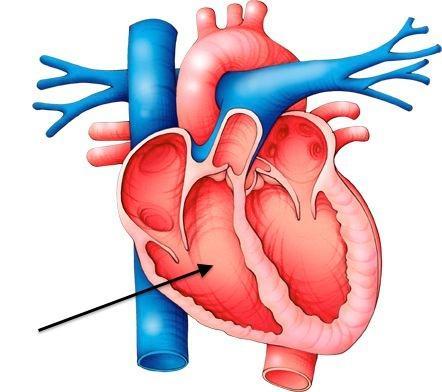
This chamber of the heart pumps the blood from the heart to the lungs through the pulmonary artery
Right Atrium
Left Atrium
Right Ventricle
Left Ventricle
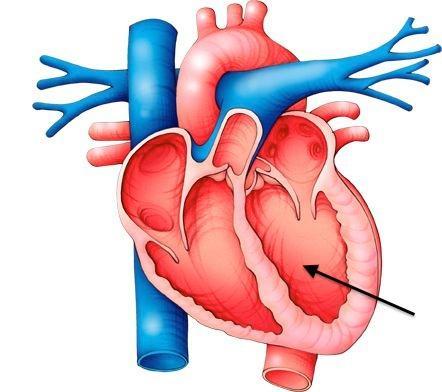
This chamber of the heart pumps the blood back out to the body cells through the Aorta
Right Atrium
Left Atrium
Right Ventricle
Left Ventricle
All of the following are functions of blood except:
Transportation of oxygen and carbon dioxide.
Regulation of body temperature.
Synthesis of vitamins.
Defense against infection.
What protects the body against blood loss?
Clots formed by clusters of leukocytes.
Clots formed by platelets and blood proteins.
Masses of erythrocytes and erythrocyte fragments.
Constriction of capillaries in the damaged area.
The two primary components of whole blood are:
Serum and cells.
Plasma and cells.
Cells and dissolved proteins.
Blood cells and cell fragments.
The most abundant compound in blood plasma, accounting
for about 92% of the total volume, is:
Oxygen
Gamma-globulin
Sodium chloride
Water
What ensures the unidirectional flow of blood through the
heart?
Constant pressure generated by the heart contractions.
Valves within the heart that prevent backflow of blood.
Squeezing action of smooth muscle tissue in arterial walls.
Continuous osmotic outflow of plasma from capillaries.
The ____________ carries blood throughout the body;
the ____________ carries blood only to and from the
lungs.
systemic circuit; pulmonary circuit
pulmonary circuit; systemic circuit
venous circulation; arterial circulation
arterial circulation; venous circulation
Blood from the systemic circuit returns directly into which
heart chamber?
left atrium.
Right auricle.
Left auricle.
Right atrium.
Oxygenated blood returning from the lungs enters the left
atrium through:
The pulmonary arteries.
The pulmonary veins.
The coronary sinus.
All of the above.
Regardless of the heart chamber, contraction is called ____________ and relaxation, ____________.
Diastole, systole.
Systole, diastole.
Fibrillation, defibrillation.
Defibrillation, fibrillation.
Valves in veins serve to:
Release excessive pressure to protect these thin-walled vessels.
Counteract the crushing force of surrounding skeletal muscles.
Prevent backflow of blood in the absence of high blood pressure.
Adjust blood pressure by compartmentalizing the venae cavae.
Compared with those of the systemic circulation, arteries of the pulmonary circulation:
Have lower blood pressure.
Have less elastic tissue.
Carry blood that contains less oxygen.
All of them.
Oxygenated means the blood has a lot of....
Oxygen
Carbon Dioxide

Veins are blood vessels containing blood going to the heart
True
False

Arteries are blood vessels with blood flowing from the heart
True
False

The blood obtains the oxygen from which organ?
Brain
Lungs
Heart
Stomach

The first stop of the blood in the heart is the...
Left Ventricle
Left Atrium
Right Atrium
Right Ventricle

After the blood leaves the right atrium, it goes to the...
Right Ventricle
Right Atrium
Left Ventricle
Left Atrium

After the right ventricle, the blood goes through the pulmonary artery to...
Lungs
Heart

In the lungs, the blood gets rid of...
Oxygen
Carbon Dioxide

After the blood gets oxygen from the lungs, it goes through the pulmonary veins to the heart's....
Right Atrium
Left Ventricle
Right Ventricle
Left Atrium

Lastly, the oxygenated blood goes through the ___________ to the rest of the body.
Aorta
Vena Cava
The systolic pressure - - - - refers hypotension
a 120 mm Hg
b 150 mm Hg

liquid portion of blood, typically yellow, where nutrients are dissolved.
Blood
Plasma
Lymph
Mucus

protein in every red blood cell that carries oxygen.
Saliva
Mucus
Hemoglobin
Goblin

What is the name for the circulatory system that moves blood to and from the lungs?
Pulmonary
Systemic
Hemolymph
Cardiovascular
Humans have a(n)
open circulatory system
closed circulatory system
A cancerous or malignant conditions in which there is a great increase in the number of white blood cells
Leukemia
Angina Pectoris
Polycythemia
Arrhythmia
A hereditary disease in which the blood clots slowly or abnormally. This causes prolonged bleeding with even minor cuts and bumps
Anemia
Hemophilia
Embolism
Atherosclerosis
High blood pressure
Heart Failure
Atherosclerosis
Myocardial Infarction
Hypertension
A-25- years old medical student came to you with Blood Report that shows Hb 7% MCV 70. The probably cause of this aneamia is;
A.Aplastic anemia
B.Iron deficiency
C.Thalassemia
D.Anemia of chronic disease
The process whereby a person receives blood is called blood ...
transgression
diffusion
transmission
transfusion
A biker of blood type O was in a serious accident; he lost a lot of blood and needed a blood transfusion. Which blood type should he have been given?
A
B
O
AB
Which of the following blood groups is that of the ‘Universal donor’?
A
O
AB
B
Which one of the following is NOT a blood group?
A
O
AA
AB
Which of the following blood groups is known as a universal recipient?
A
B
AB
O

Which blood type contains only A antigens?
AB
A
B
O
Which blood type has A and B antigens?
Blood Type O
Blood Type A
Blood Type B
Blood Type AB
Which blood type has no antigens?
Blood type A
Blood type B
Blood type AB
Blood type O

An Austrian scientist who discovered the four different blood groups that characterize human populations?
Karl Marx
Karl Landowner
Karl Landsteiner
Karl Landry

If a patient has type A blood, he could receive blood from which of the following donors?
Type B
Type O
Type AB

If a patient has type AB+ blood, he could receive blood from which of the following blood donor?
Type AB
Type A
Type O
Al blood types

Blood type is determined by the antigen present in the plasma membrane of RBC's?
True
False

The Rh factor determines what part of the blood type?
The number of antibodies
+ or -
The number of antigens
Agglutination
CAN RH-POSITIVE DONOR MIXES BLOOD WITH BLOOD OF RH-NEGATIVE RECIPIENT?
YES
NO
What would happen if you gave a person with AB blood a type A blood transfusion?
the person would die
they would also need B blood
nothing, they can accept A blood
it would need to be mixed with O blood
all of the above
How many antigens does O- blood type have?
3
2
1
6
0
Why are there 2 sides to the end of a stethoscope?
For listening to different pitched sounds
To prevent the spread of infection
To prevent other sounds interfering
If one side gets broken or wears out, there is a back up.

Please answer the question. "Tell me, what is this?
A stethoscope.
A sthethoscope.
A stetoscope.
A stethoschope.

