
 Worksheets
NVSVP123
Total questions: 69
Worksheet time: 57mins
What do seedless vascular plants use for reproduction?
Rhyzoids
Spores
Pollen
Which two characteristics are shared by seedless vascular and nonvascular plants?
They both have xylem and phloem tissue to transport nutrients and water.
They both have true stems, leaves, and roots.
They both live in moist environments and use spores to reproduce.
Which of the following do moss an ferns use to reproduce?
pollen
seeds
spores
True or False: Non vascular plants have roots, stems and leaves.
True
False
Only non vascular plants have roots stems and leaves
How do plants use rhizoids?
Rhizoids are used to attach plants to the growing medium
Rhizoids are used to transport water and minerals throughout the plant
Rhizoids are used by plants to produce sporangia and spores.
What is a sporophyte?
The stage that produces sperm cells and egg cells
The stage that produces spores.
The stage that produces rhizomes.
What is gametophyte?
The stage that produces sperm cells and egg cells.
The stage that produces spores.
The stage that produces rhizomes.
What do we call the process of alternating between asexual and sexual reproduction?
Alternation of gametophytes
Alternation of sporophytes
Alternation of generations
What term do we use for plants lacking xylem and phloem?
vascular plants
nonvascular plants
tracheid plants
What type of plant uses xylem and phloem tissue?
nonvascular
vascular
sporangia
Which of the following has true leaves, stems, and roots?
mosses
bryophytes
ferns
Why do seedless vascular plants need moist surroundings to survive?
seedless vascular plants transport materials very slowly.
seedless vascular plants reproduce by spores.
Which of the following plants are seedless?
Ferns, Club Mosses, and Horsetails
Grass, Ferns, and Trees
Sunflowers
Pine Tree
List the different types of bryophytes
(a)
Which plant does not belong with the others?
Club moss
horsetail
liverwort
fern
All of these are bryophytes except:
ferns
mosses
liverworts
hornworts
This part of the bryophte is the female structure and contains the egg:
antheridia
archegonia
Why do bryophytes have to be around water part of the year?
So they are able to stay wet
So they can anchor in the soil better
So the sperm can swim to the egg.
So they can tolerate low temperatures
What is phloem's function in a plant?
Carries nutrients
Carries water upward from the roots
Carries oxygen to the plant
Carries carbon dioxide away from the plant
What is xylem's function in a plant?
carries nutrients
carries water upward from the roots
carries oxygen to the plant
carries carbon dioxide away from the plant
What is found on the underside of a fern's leaf?
rhizomes
fronds
spores
stems

This plant is classified under
Bryophytes
Pteridophytes
Gymnoperms
Angiosperms

Identify the image.
Life cycle of Fern
Life cycle of Moss
Life cycle of a flowering plant
What is gametophyte?
The stage that produces sperm cells and egg cells.
The stage that produces spores.
The stage that produces rhizomes.
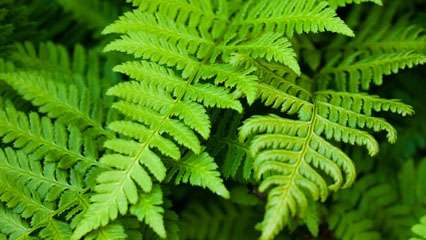
This is a...
fern
liverwort
hornwort
club moss
horsetail

This is a...
fern
liverwort
moss
club moss
horsetail

Identify the spore-throwing structure I am indicating in this picture.
sorus
annulus
indusium
pollen
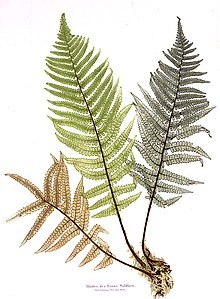
How many fronds can you see on the image?
1
2
3
4

Which correctly describes this picture?
sporophyte in Phylum Bryophyta
sporophyte in Phylum Pteridophyta
sporophyte in Phylum Lycophyta
gametpphyte in Phylum Pteridophyta
gametophyte in Phylum Bryophyta

This is a ...
Nonvascular plant
Vascular plant
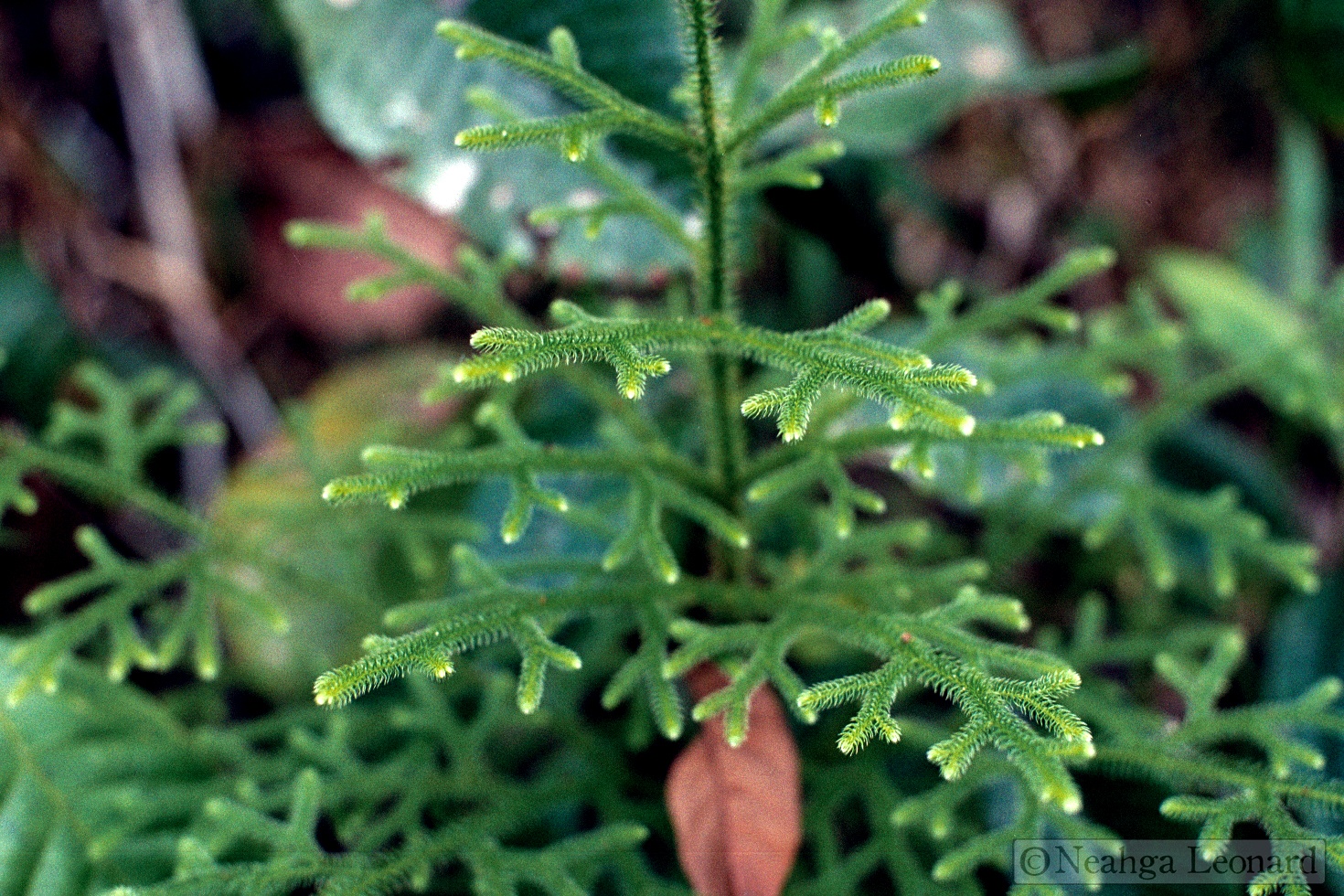
This is a...
fern
liverwort
hornwort
club moss
horsetail
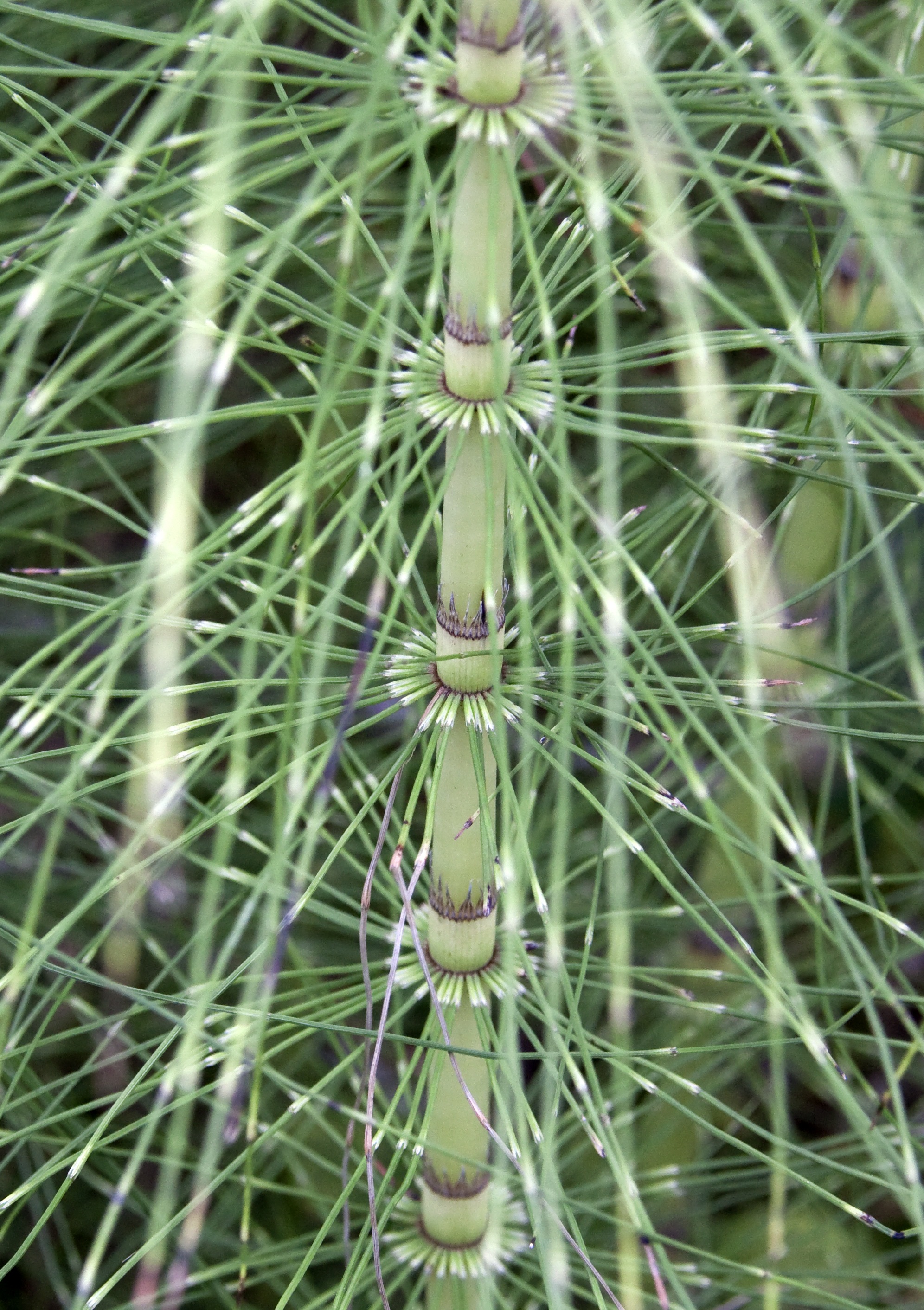
This is a...
fern
liverwort
hornwort
club moss
horsetail
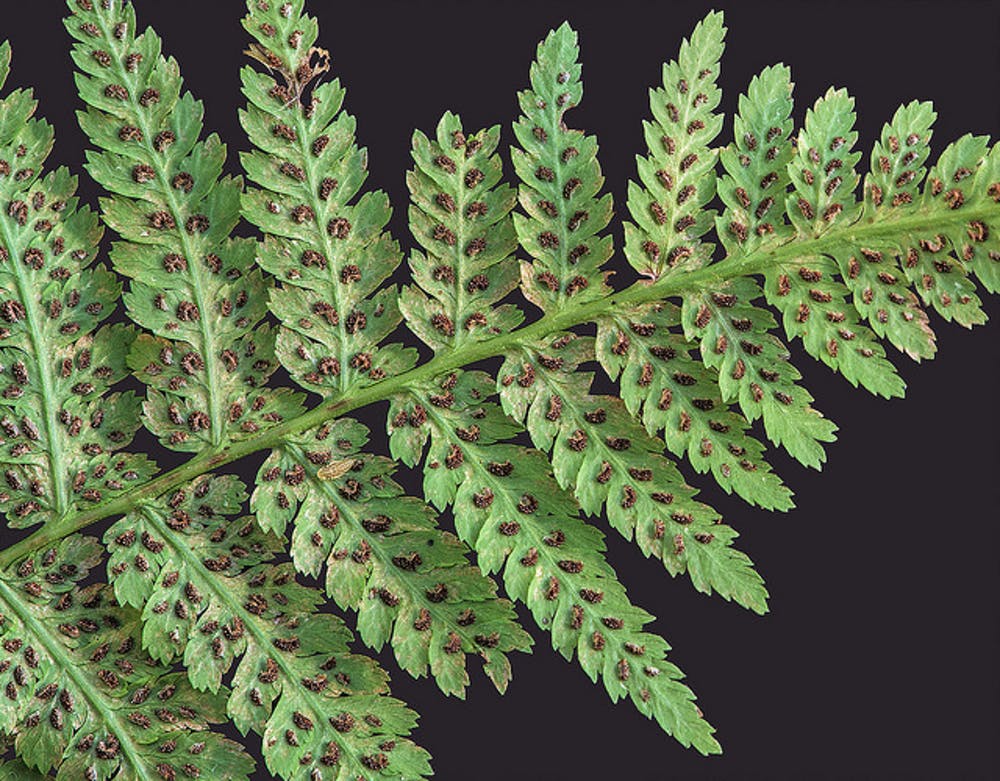
How do we call the brown spots you can see on the fern plant?
Spore seeds
Spore cases
Seed cases
Pollen cases


In a non-vascular plant how does water move?
through the roots
from cell to cell
through the xylem and phloem
from the roots to the flower

Non-vascular plants do not have roots, stems, or leaves. Which is a non-vascular plant?
fern
moss
ivy vine
tree
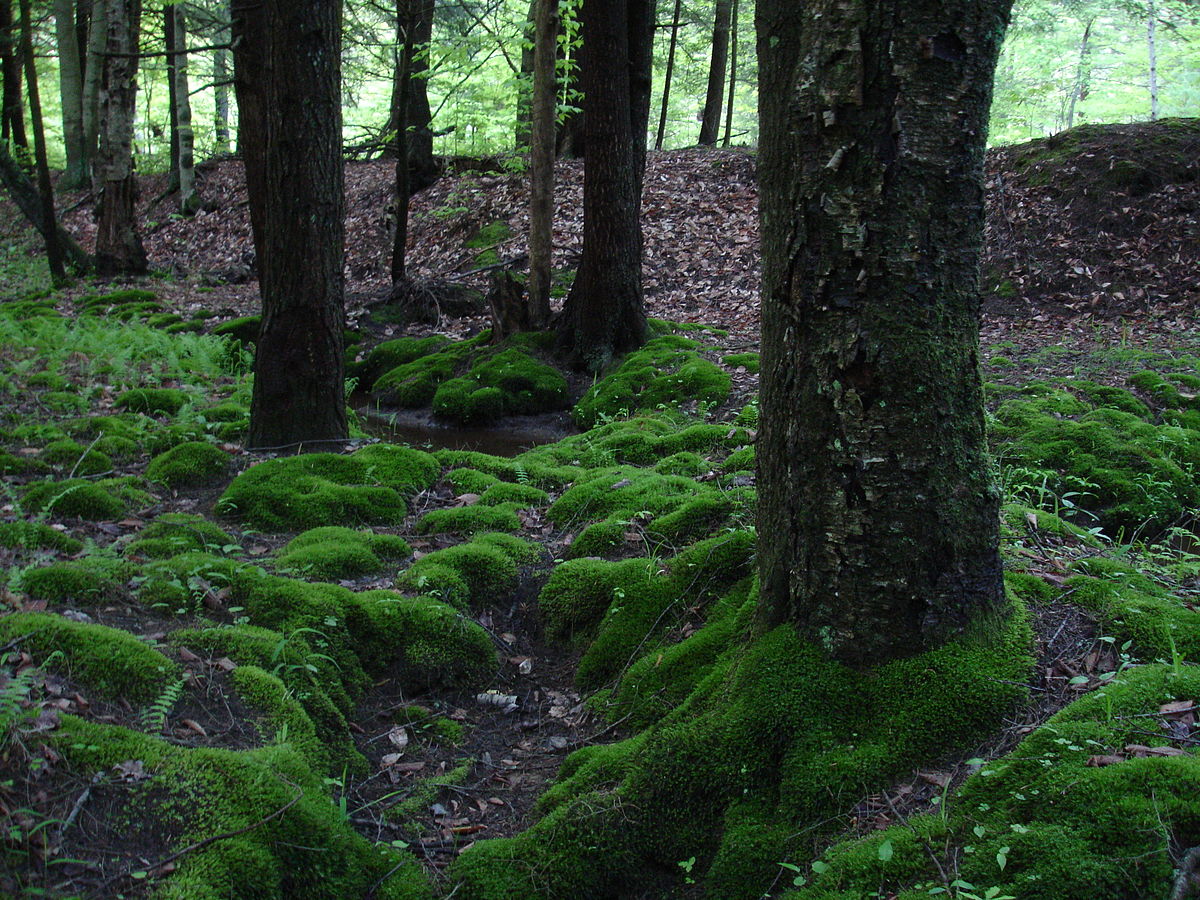
Which of the following is an example of a seedless non-vascular plant?
pine tree
moss
fern
apple tree

hornwort
vascular
nonvascular

nonvascular
vascular
Which of the following is the unique characteristics for Kingdom Plantae
cell wall consist of peptidoplycan
carbohydrate storage is glycogen
has alternation of generation
motile
Which of the following is NOT a characteristic of pteridophytes?
Sporophyte generation is dominant
Gametophyte generation is dominant
Produce spores
Has true roots, stems and leaves
In a fern life cycle, the ____________ is the dominant generation.
haploid gametophyte
haploid sporophyte
diploid gametophyte
diploid sporophyte
Dominant generation is gametophyte generation. This statement is TRUE for...
pteridophytes
bryophytes
angiosperms
gymnosperms
The sporophyte produces spores.
TRUE
FALSE
The gametophyte produces eggs and sperm
TRUE
FALSE
Eggs and sperm cells are:
haploid
diploid
After the egg cell is fertilized by a sperm cell the resulting zygote cell grows into the sporophyte.
TRUE
FALSE
Algae, and all plants reproduce using:
The alternation of generations
Only asexual reproduction
Only sexual reproduction
Diploid gametes
Spores are:
haploid
diploid
Gametophytes are:
haploid
diploid
Sporophytes are:
haploid
diploid
Antheridia are found on the :
gametophyte
sporophyte
Archegonia are found on the :
gametophyte
sporophyte
Archegonia produce :
eggs
sperm
Antheridia produce :
eggs
sperm
Spore Mother Cells or Sporocytes are found on the:
gametophyte
sporophyte
Sporangia contain ___________ which in turn produce______________ by the process of _____________
antheridia, sperm, mitosis
spore mother cells or sporocytes, spores, meiosis
archegonia, eggs, mitosis
gametophytes, spores, meiosis
Eggs and sperm cells are:
spores
gametes
A haploid, multicellular life-cycle stage that gives rise to gametes cells by mitosis is called a ________.
sporophyte
gametophyte
spore
gamete
Diploid means:
having two copies of the entire genome
having one copy of the entire genome
haploid means:
having two copies of the entire genome
having one copy of the entire genome

