
 Worksheets
Human Body Systems
Total questions: 60
Worksheet time: 45mins
What is the function of the digestive system?
Breakdown food
Absorb nutrients
Eliminate waste
All 3
The tiny little structures that line the small intestine are called
Fingers
bile
Acid
Villi

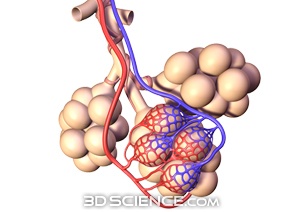
tiny sacs of lung tissue specialized for the movement of gases between air and blood.
lungs
bronchi
alveoli
diaphragm
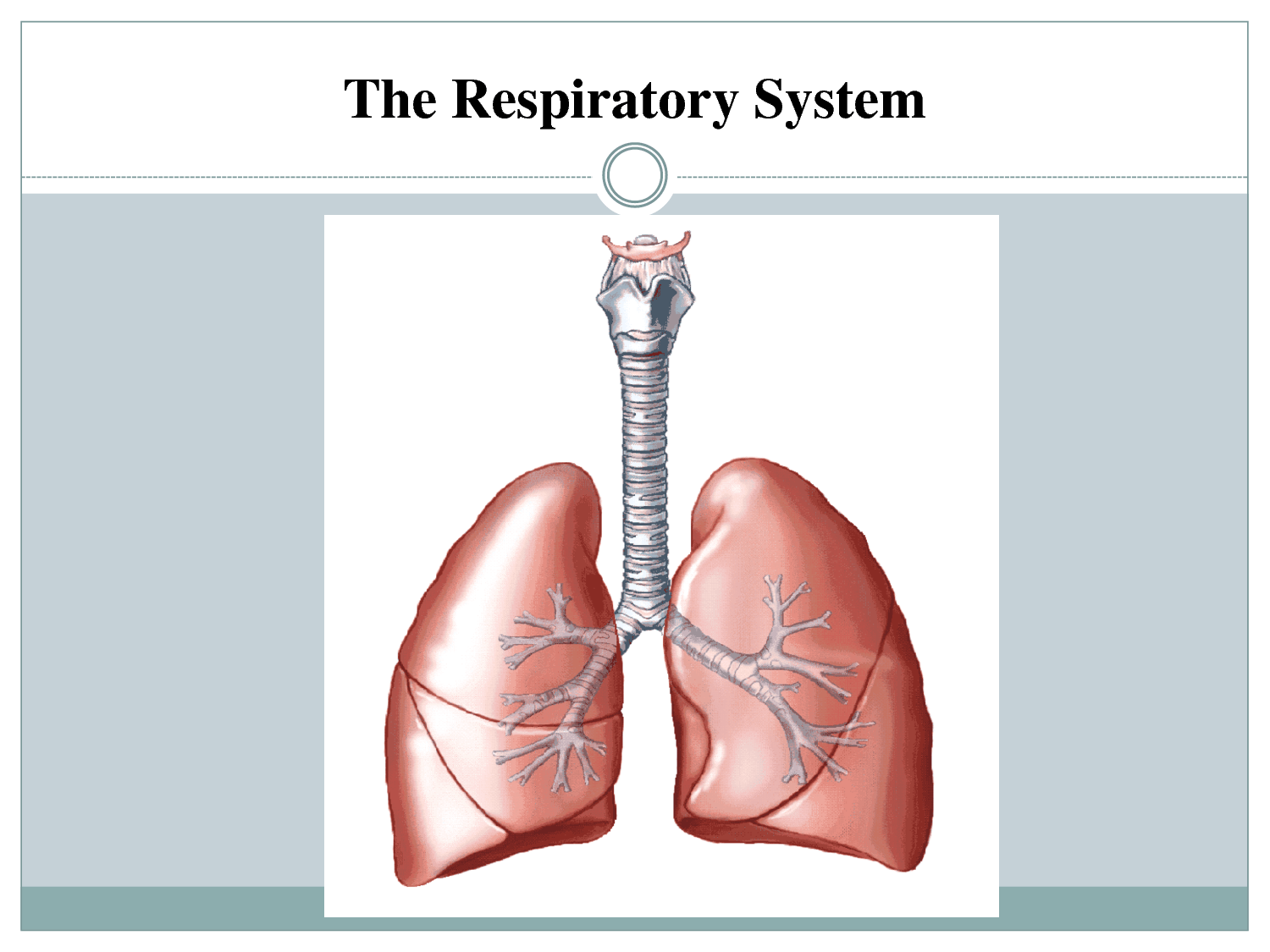
What is the main function of the respiratory system?
to provide oxygen and remove carbon dioxide from the body
o break down food and absorb nutrients
to remove oxygen from the body and deliver carbon dioxide
What are the main organs of the respiratory system that allow us to breathe and for gas exchange to happen?
diapragm
lungs
trachea
Your lungs have as much surface area as a ___________
tennis court
soccer field
classroom desk
kitchen table
Which of the following is NOT part of the circulatory system?
heart
blood
bones
arteries
Which of the following is NOT a function of the circulatory system?
circulate blood
regulate calcium production
carry nutrients and hormones through blood stream
deliver oxygen to tissues
The heart is made up of what kind of muscle?
smooth
cardiac
skeletal
voluntary

Select all of the organs of the nervous system:
Brain
Heart
Spinal Cord
Nerves
Stomach
Which of the following is the nervous system?


What controls the nervous system and all decision-making?
Brain
Spinal Cord
Nerves
Neurons

Which system is responsible for the overall control of all the internal processes that occur in the body?
muscular system
nervous system
digestive system
skeletal system

Which is not a function of the skeletal system?
shape and support
movement
protection
gas exchange
The skeletal system works with the ______________ to help your body move.
digestive system
circulatory system
respiratory system
muscular system
The skull protects which organ?
heart
lungs
brain
stomach
What is the longest, strongest, and heaviest bone in the human body?
Humerus
Femur
Radius
Tibia
Produces the hormone insulin and glucagon, which controls the level of glucose in the blood.
Thyroid Gland
Pancreas
Thymus Gland
Pituitary Gland
Which of the following uses voluntary muscles?
Digestion
Heart breathing
Raising your hand
Sneezing
Muscles that you have no control over are called ___________ muscles.
Involuntary
Voluntary
Evolutionary
Revolutionary
Muscles that you can control are called ___________ muscles.
Involuntary
Voluntary
Evolutionary
Revolutionary
Voluntary muscles are attached to
Cardiac muscles
Smooth muscles
Skeletal muscles
All of the above
Homeostasis in the body maintains _____ in the body systems.
an imbalance
a relationship
a cure for diseases
a balance
What are the three types of muscle tissues?
Skeletal, Red, White
Cardiac, Smooth, Skeletal
Red, White, Blue
Cardiac, Skeletal, Red
a group of similar cells performing a specific function
tissue
organ
joints
ligaments
a group of organs working together as a team to perform a function
organ system
tissue
joints
organ
composed of several kinds of tissue that work together to perform a specific job
tissue
organ
joints
ligaments
What are the functions of the skeletal system?
Select ALL that apply.
provides shape and support for your muscles
protects internal organs
makes red blood cells in the bone marrow
stores calcium and other minerals
What are the functions of the integumentary system?
Select ALL that apply.
protects the body from the outside world
helps to maintain body temperature
helps to gather information for the nervous system
produces vitamin D
What are the functions of the muscular system?
Select ALL that apply.
provides movement for the skeleton
works with the skeleton to support your body
movement of food through digestive system
provides shape and support for muscles
How do the muscular and skeletal system work together to help the body?
They provide blood to the body.
They provide nutrients to the body.
They provide structure and movement to the body.
They provide oxygen and carbon dioxide to the body.

Which of the following are chemicals that travel in the blood and cause changes in different parts of the body?
Hormones
Glands
Parathyroid
Adrenal Gland

The purpose of the endocrine system is to
maintain homeostasis by reacting quickly to stimuli
produce substances that protect the body from bacteria
maintain metabolism, growth and development in homeostasis
transport molecules throughout the body

What is the function of the reproductive system?
To make clones
To make a new organism

