Font size
 Worksheets
DRSABCD Action Plan
Total questions: 25
Worksheet time: 8mins
What is the purpose of DRSABCD?
A really catchy acronym
Help qualified individuals deliver first aid
Delivering first aid during an emergency
Tell others how to deliver first aid
What does the "S" stand for in DRSABCD?
Support
Send for help
Send for others
Start CPR
You need to perform CPR on a casualty, what is the correct procedure?
1 breath: 5 compressions
30 breaths: 2 compressions
30 Compressions: 2 breaths
30 compressions: 1 breath
When giving rescue breaths, how do you know you are breathing enough air into the casualty?
Watch for their skin to change colour
Just blow as hard as you can
Breathe until their chest rises
Check for an increased pulse rate
Which statement is FALSE regarding when it is ok to stop performing CPR on a casualty?
When qualified help arrives and takes over
When somebody tells you to
The casualty starts breathing normally
You become physically unable to continue
What does CPR actually stand for?
Cardio-pulse resusitation
Cardiopulmonary research
Can perform resuscitation
Cardiopulmonary resuscitation
What is the saying used to help check if a person is breathing?
Look, Listen, Feel
Listen, Look, Feel
Check, Squeeze, Ask
Look, Listen, Touch
How far would you compress the chest of an adult during CPR?
1/4 of chest depth
1/2 of chest depth
1/3 of chest depth
3/4 of chest depth
How long would you check for breathing on an unconscious casualty?
5 seconds
10 seconds
15 seconds
20 seconds
A defibrillator is used when you find a casualty in which of the following condition/s?
Not breathing, not moving, responding
Breathing, moving, not responding
Not moving, not breathing, not responding
Responding, breathing, not moving
The guideline for performing C.P.R. with an available Defibrillator/AED is?
2 minutes CPR before turning on AED
1 shock followed by observation of casualty for 2 minutes
2 rescue breaths follwed by 1 min CPR, then apply AED pads
Turn on the Defibrillator/AED ASAP and follow voice prompts
When unable to perform CPR due to physical fatigue, what should you do?
Leave the patient unattended and search for help.
Stop performing CPR, regain energy and continue.
Stop performing CPR altogether.
What is the rate of compression when performing CPR?
100-120 per minute
100-120 per hour
100-130 per minute
100-128 per minute
Why is CPR important?
Increase chances of casualty's survival
Can help 'buy time' while waiting for paramedics to arrive
Casualty's survival depends greatly on bystander's reaction
All of the above
Where do you position your hand on casualty's body before performing compression?
Breastbone
Radius
Ulna
Pelvis
What is the sequence when opening up the casualty's airway?
Pinch nose, Tilt Head backwards by lifting the chin
Cover nose, Tilt Head Sideways by pushing the cheek
Pinch Chin, Tilt head forwards, lifting the nose
Pinch Nose, Tilt head backwards by lifting the ears
What does A stand for in DRABCD acronym?
Ankle
Anatomy
Airway
Air
What does DRSABCD stand for ?
Danger, Response, Sensors, Airway, Breaths, CPR, Dangers
Defib, Recreation, Send for help, airway, breathing, compass, dangerous bleed
Danger, Response, Sensors, Air, Breaths, CPR, deadly bleed
Danger, Response, Send for Help, Airway, Breathing, Compressions/CPR, Defibrillation
What number do you call for emergency services in Australia
911
123
000
101
COWS (can you hear me, open your eyes, what is your name, squeeze my hand) is used to check
Airway
Breathing
Response
Danger
When arriving at a first aid scene, who is the most important person?
Casualty
Yourself
Bystanders
What do you do if you find a blockage in their mouth?
Keep them on their back and put your fingers in to get it
Put them in recovery position and use scooping motion
Leave it in there till emergency services come
Lift them up and squeeze them
What happens to the tongue when someone is unconscious?
It falls out
It stays normal
It stiffens and blocks throat
It goes floppy, falls to back of throat and prevent air
You should perform CPR when a person is not
B_ _ _ _ _ _ _ _ normally
Baking
Breathing
Standing
Benching
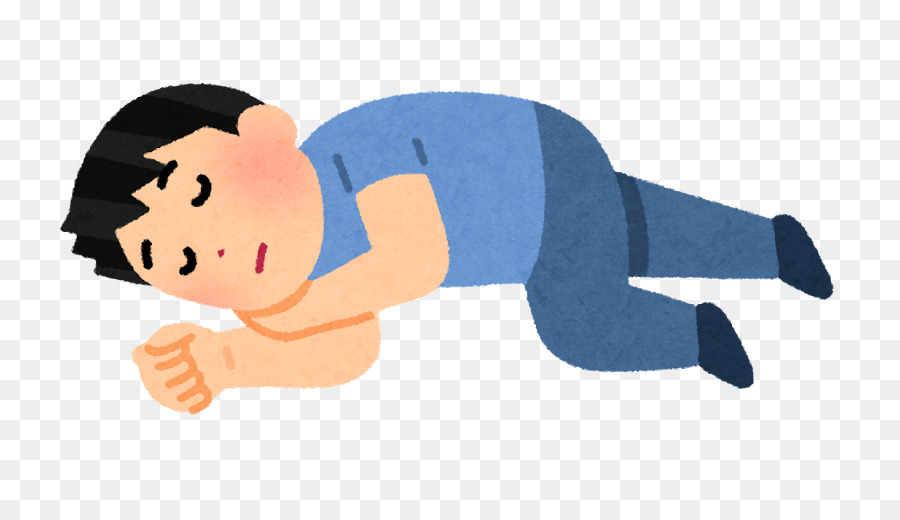
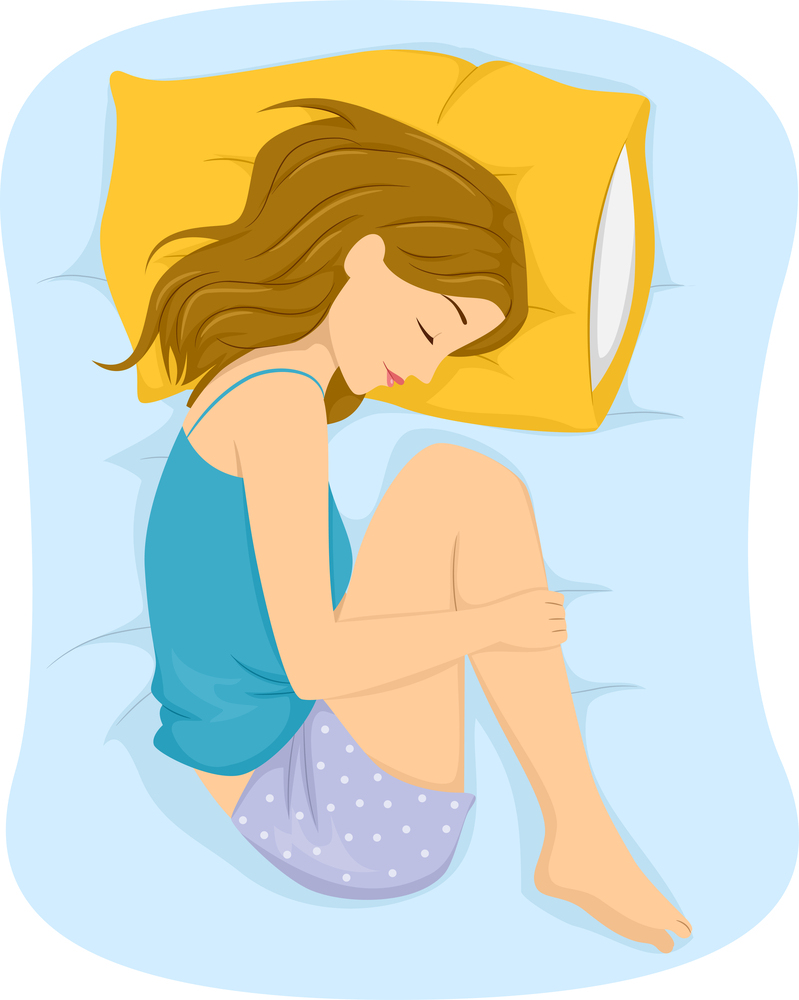
Which of the following is the correct recovery position?