wayground logo

Free Printable Worksheets

Font size

S
M
L
XL
Worksheets

Honors Unit 3 Review: Electrons, Periodic Table, and Trends

Total questions: 125

Worksheet time: 4hrs 31mins

Name
Class
Date
1.
Electronegativity is...
a)
how good an atom is at attracting electrons
b)
the ability of an atom to lose electrons
c)
the energy required to remove an electron from a specific atom
d)
how easy it is to make friends. 
2.
Ionization energy is...
a)
the energy required to add an electron to a specific atom
b)
how much energy it takes to remove an electron from an atom
c)
the energy required to shield the outer electrons from the nucleus
d)
a measure of the ability of an atom to attract electrons
3.
Atomic radius generally increases as we move __________.  
a)
down a group and from right to left across a period 
b)
up a group and from left to right across a period 
c)
down a group and from left to right across a period 
d)
up a group and from right to left across a period 
4.
Which atom has the largest atomic radius?
a)
potassium
b)
rubidium 
c)
francium
d)
cesium
5.

As you move from left to right on the periodic table, the number of valence electrons.......

a)

Increases

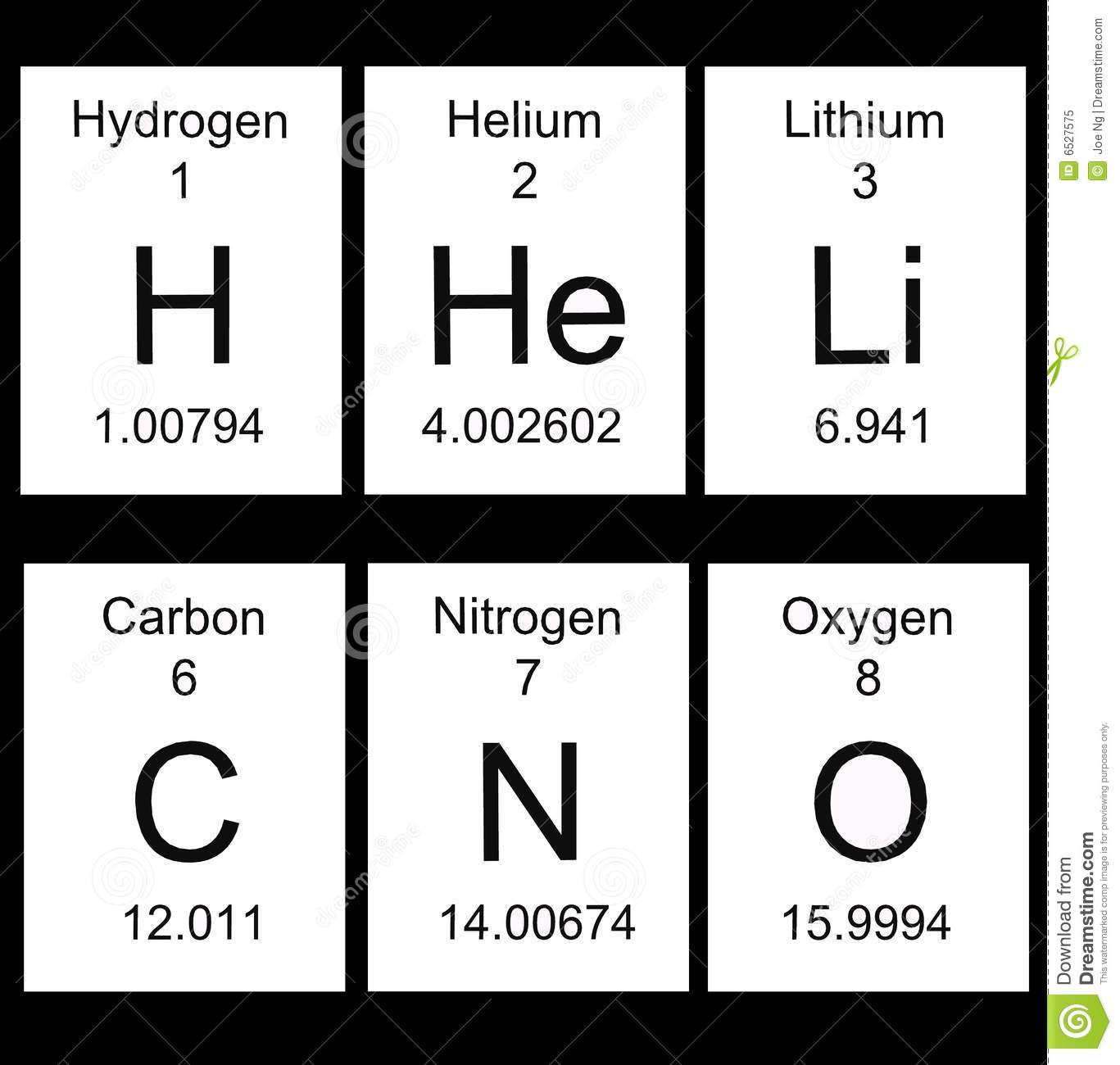
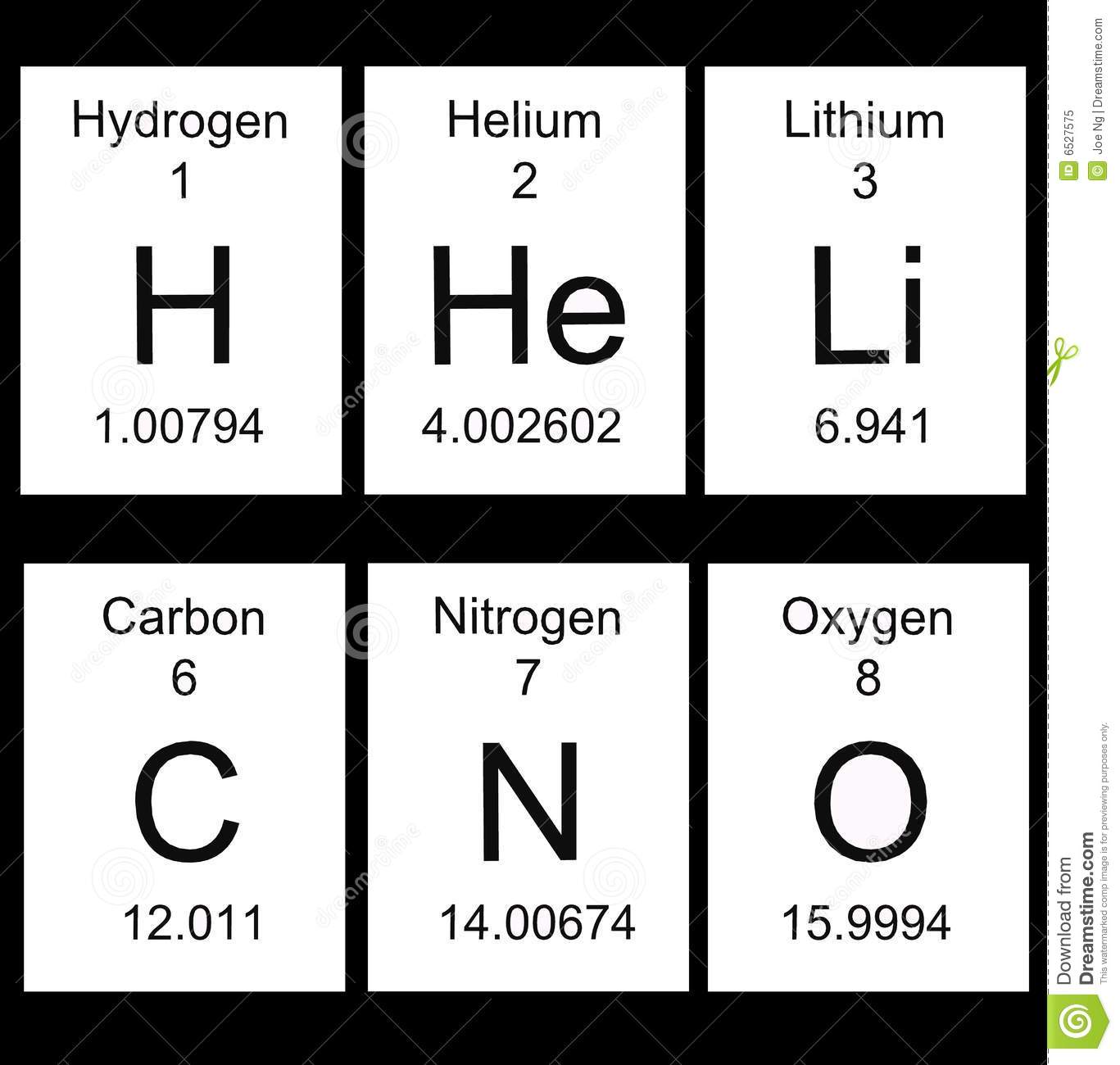
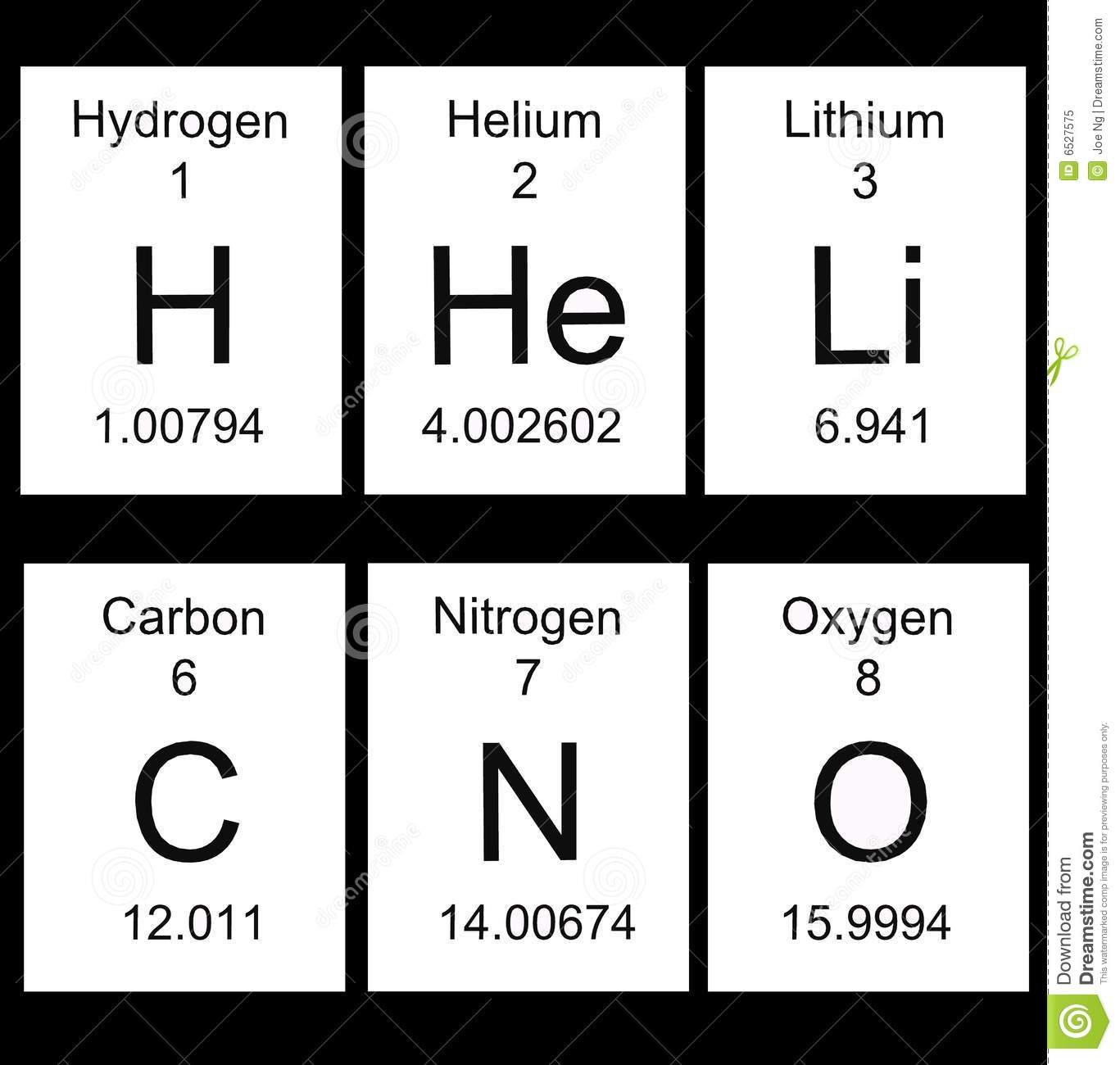
b)

Decreases

c)

Remains the same

6.

As you move down a group on the periodic table, the number of valence electrons....

a)

Increases

b)

Decreases

c)

Remains the same

7.

The common charge on an atom in group 17 would be....

a)

+1

b)

+7

c)

-7

d)

-1

e)

17

8.

Which of the following reasons explains why there is a decimal for most atomic masses?

a)

The mass of one atom can have a fraction.

b)

Since electrons are very small mass they only add a little bit, usually only a decimals worth.

c)

It is the average mass of all the potential isotopes of an atom.

d)

Neutrons have a mass of 1.1 meaning that fractions are common.

9.

The vertical (up and down) columns in the Periodic Table are called

a)

groups

b)

towers

c)

periods

d)

atomic numbers

10.
The Modern Periodic Table of Elements is arranged by
a)
atomic mass
b)
atomic number
c)
valence electrons
d)
number of isotopes
11.
Which group of the periodic table is composed of inert (not reactive)  gases?
a)
alkali metals
b)
alkaline earth metals
c)
halogens
d)
noble gases
12.
The atoms along the staircase are called 
a)
metals
b)
nonmetals
c)
metalloids
d)
noble gases
13.
Which is an alkali metal?
a)
Magnesium
b)
Iron
c)
Sodium
d)
Europium
14.
Which is a halogen?
a)
Helium
b)
Chlorine
c)
Oxygen
d)
Neptune
15.
Elements in a ..................have similar chemical properties.  
a)
period
b)
group
c)
row
16.
Which of the following will have a larger radius than Zinc?
a)
Gallium
b)
Aluminum
c)
Magnesium
d)
Strontium
17.
As you move down a group, atomic radius increases because - 
a)
you add more and more neutrons
b)
you add more and more protons
c)
you add more and more shells (energy levels)
d)
you add more atomic mass
18.
Francium (Fr) has the lowest ionization energy in Group 1 because - 
a)
it has the smallest number of valence electrons
b)
it has the greatest atomic mass
c)
it has the greatest number of protons, so it attracts its electrons the strongest
d)
its 1 valence electron is very far from the nucleus, so little energy is needed to remove it
19.
Which of the following will have a lower ionization energy than Scandium (Sc)?
a)
Helium (He)
b)
Titanium (Ti)
c)
Calcium (Ca)
d)
Magnesium (Mg)
20.
Which has the greater Electronegativity: 
N or C?
a)
C
b)
N
21.
As atoms of elements in group 16 are considered in order from top to bottom, the electronegativity of each successive element....
a)
decreases
b)
increases
c)
remains the same
d)
none of the above
22.
As you move across the periodic table atoms tend to get smaller because, ______________.
a)
the atoms have more mass.
b)
the atoms have less mass
c)
the atoms have more protons.
d)
the atoms have less electrons.
23.
Elements in the same column of the periodic table always have the same # of _______ as one another.
a)
Protons
b)
Neutrons
c)
Electrons
d)
Valence Electrons
24.
a)
2
b)
3
c)
5
25.
How many valence electrons are in an atom of Ar?
a)
2
b)
8
c)
4
d)
1
26.
The symbols W, X, Y, and Z represent four elements shown on the outline of a periodic table.
Which element has the highest electronegativity?

a)
W
b)
X
c)
Y
d)
Z
27.
Which element could be lustrous and brittle?
a)
A
b)
B
c)
G
d)
L
28.
Which element has a full valence shell?
a)
F
b)
D
c)
C
d)
E
29.

Which element has 3 valence electrons?

a)

A

b)

B

c)

E

d)

C

30.
Is silicon a metal, nonmetal or metalloid?
a)
Metal
b)
NonMetal
c)
Metalloid
31.
Is this a metal, nonmetal or metalloid?
a)
Metal
b)
Nonmetal
c)
Metalloid
32.

To which group does this atom belong?

a)

1

b)

3

c)

13

d)

11

33.
How many energy levels does an atom of Chlorine have?
a)
2
b)
3
c)
4
d)
7
34.
Sodium (Na) and potassium (K) are in the same group on the periodic table. Based on their locations, which statement about sodium and potassium is true?
a)
Sodium is less electronegative than potassium. 
b)
Sodium has fewer energy levels than potassium. 
c)
Sodium has a larger ionic radius than potassium. 
d)
Sodium has lower ionization energy than potassium. 
35.
The ionization potential of an element is the amount of energy required to remove an electron from an isolated atom or molecule. According to the periodic table, which of the following indicates the correct decreasing order of ionization energy?
a)
Li > Na > K > Cs
b)
Na > K > Li > Cs
c)
Li > K > Na > Cs 
d)
Cs > K > Na > Li 
36.
All elements found on the left side of the Periodic Table of the Elements have what properties in common?
a)
They conduct heat and electricity 
b)
They are all gases 
c)
They are brittle and dull
d)
They are radioactive
37.
According to the Periodic Table of the Elements, which set of elements has similar properties?
a)
H, C, I
b)
He, H, Al
c)
He, Ne, Ar
d)
Na, Ca, Al
38.
Which element has 2 valence electrons? 
a)
cesium (Cs) 
b)
magnesium (Mg)
c)
boron (B)
d)
argon (Ar) 
39.
What are the two structures found in the atom's nucleus?
a)
Electrons and Neutrons
b)
Protons and Electrons
c)
Protons and Neutrons
d)
Neutrons and Electrons
40.
What does the atomic number tell you?
a)
Number of Protons
b)
Number of Neutrons
c)
Sum of protons and neutrons
41.
What subatomic particle is found outside of the nucleus?
a)
Isotope
b)
Electron
c)
Neutron
d)
Mass
42.

Use your periodic table to find which element has 5 protons.

a)

Lithium

b)

Calcium

c)

Boron

d)

Neon

43.

The neutron has a ________________ charge.

a)

negative

b)

neutral

c)

positive

d)

low

44.

What subatomic particle has a positive charge?

a)

electron

b)

neutron

c)

proton

d)

nucleus

45.

who discovered the first scientific and systematic periodic table

a)

Henry Mosley

b)

Dmitri Mendeleev

c)

John Dalton

d)

sir Isaac Newton

46.

alkali metals are kept in ........

a)

IIA

b)

IIIA

c)

IA

d)

0

47.

D block elements are known as .............

a)

Actinides

b)

Transition elements

c)

Lanthanides

d)

Noble gases

48.

In which block, does the element Iron stand?

a)

d block

b)

p block

c)

s block

d)

f block

49.

how many electrons can d orbital accommodate? (keep)

a)

2

b)

6

c)

10

d)

14

50.

which group has the strong electronegative character

a)

alkali metal

b)

lanthanides

c)

inert gases

d)

halogens

51.

Electronic configuration of phosphorus is ........

a)

1s22s22p53s23p4

b)

1s22s22p53s23p3

c)

1s22s22p63s23p3

d)

1s22s22p63s23p4

52.

Which element has following electronic configuration. 1s22s22p63s23p5

a)

Sulphur

b)

Chlorine

c)

Argon

d)

Potassium

53.
All matter is made of .....
a)
energy 
b)
atoms 
c)
air
d)
chemistry
54.
An element's identity is determined by the number of
a)
electrons.
b)
protons.
c)
neutrons.
d)
valence.
55.
Which subatomic particle has a negative charge in the atom?
a)
proton
b)
neutron
c)
electron
d)
quark
56.

The first energy shell can hold ______ electrons.

a)

2

b)

8

c)

18

57.

Mendeleev's genius was his ability to

a)

predict elements that were not discovered yet

b)

organize elements by their mass

c)

had an element named after himself

d)

organize elements by properties

58.
What is the chemical symbol for Lithium?
a)
H
b)
He
c)
Li
d)
N
59.
The number at the bottom of each square on the periodic table is the ...
a)
atomic number
b)
atomic mass
c)
chemical symbol
d)
element name
60.
The number at the top of each square on the periodic table is the ...
a)
atomic number
b)
atomic mass
c)
Chemical Symbol
d)
Element Name
61.
What was Dmitri Mendeleev's greatest contribution to the history of the periodic table?
a)
He arranged all of the known elements by their atomic number
b)
He realised that there was a pattern of reactivity which repeated every 8 elements
c)
He predicted the existence (and properties) of new elements
d)
He identified the "law of triads" which became the groups
62.
Moseley discovered that the ________ was the most fundamental property needed for organization.                                                 
a)
atomic mass
b)
mass number
c)
atomic number
d)
number of protons
63.

In the modern periodic table elements are arranged by:

a)

atomic mass

b)

atomic number

c)

valence electrons

d)

number of isotopes

64.

I am a British scientist who came up with today's periodic table of elements that is based on ATOMIC NUMBER. Who am i?

a)

Henry G.J Mosely

b)

J.J Thomson

c)

Erwin Schrodinger

d)

John Dalton

65.
What atom matches this electron configuration?
1s2s2p3s2
a)
Neon
b)
Magnesium
c)
Aluminum
d)
Potassium
66.
Which is the electron configuration for an oxygen atom?
a)
1s22s22p63s23p64s2
b)
1s22s22p4
c)
1s22s22p6
d)
1s22s22p63s23p6
67.
What is the maximum number of electrons that an orbital can have?
a)
1 electron
b)
2 electrons
c)
3 electrons
d)
4 electrons
68.
How many p orbitals are there in a sublevel?
a)
2
b)
1
c)
4
d)
3
69.
What is this element? 
1s22s22p63s23p6
4s23d104p6
a)
Argon
b)
Krypton
c)
Selenium
d)
Bromide
70.
What atom matches this electron configuration?
[Xe] 6s2 4f14 5d9
a)
Mercury
b)
Gold
c)
Platinum
d)
Thallium
71.
What is the shorthand electron configuration for Sulfur atom?
a)
[Ar] 3p4
b)
[He] 3s23p4
c)
[Ne] 3s23p4
d)
[Na] 3s23p3
72.
How many electrons can the first energy level hold?
a)
1
b)
2
c)
8
d)
0
73.
Which element is pictured?
a)
neon
b)
fluorine
c)
magnesium
d)
argon
74.
Identify the element in Period 5 that has 1 valence electron?
a)
Rb
b)
Nb
c)
Ag
d)
Sb
75.
What element in Period 4 has 5 valence electrons?
a)
Zr
b)
As
c)
V
d)
Sb
76.
Which of the following is a p block element?
a)
Ca
b)
Ar
c)
Re
d)
Au
77.
Electron arrangement that uses arrows
a)
Electron configuration
b)
Shorthand configuration
c)
Lewis dot structure
d)
Orbital diagram
78.
What do you start electron configuration with?
a)
1s2
b)
1d10
c)
1f14
d)
1p6
79.
There are 4 different types of subshells s,p,d,f
a)
true
b)
false
80.
What does Pauli exclusion principle state ?
a)
states that each electron occupies the lowest energy orbital available
b)
states that a maximum of two electrons can occupy a single atomic orbital, but if only if the electros have opposite spins
c)
states that single electrons electrons with the same spin must occupy each-energy orbital before additional electrons with opposite spins can occupy the same orbitals
81.
What does Hund's rule states ?
a)
states that single electrons electrons with the same spin must occupy each-energy orbital before additional electrons with opposite spins can occupy the same orbitals
b)
states that each electron occupies the lowest energy orbital available
c)
states that a maximum of two electrons can occupy a single atomic orbital, but if only if the electros have opposite spins
82.
Electrons occupy orbitals of lowest energy first is part of what electron configuration rule?
a)
Hund’s Rule
b)
Aufbau Principle
c)
Pauli Exclusion Principle
83.

What is the maximum number of electrons that an S orbital can have?

a)

1 electron

b)

2 electrons

c)

3 electrons

d)

4 electrons

84.
Which electron configuration belongs to Copper (Cu)?
a)
1s2 2s2 2p6 3s2 3p6 4s2 3d8
b)
1s2 2s2 2p6 3s2 3p6 4s2 3d9
c)
1s2 2s2 2p6 3s2 3p6 4s2 3d10
85.
Anions are _______ that form ____________ ions and __________ electrons.
a)
nonmetals, positive, lose
b)
nonmetals, negative, gain
c)
metals, positive, gain
d)
metals, positive, lose
86.
How many electron can be found in a p orbital?
a)
2
b)
3
c)
4
d)
6
87.
Which element is pictured?
a)
neon
b)
fluorine
c)
magnesium
d)
argon
88.
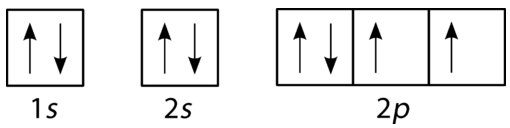
This orbital diagram represents:  
a)
C
b)
B
c)
N
d)
O
89.
This orbital diagram represents:  
a)
C
b)
B
c)
N
d)
O
90.
What is incorrect about this orbital diagram?
a)
Both arrows in the 2p box should be pointing up
b)
There is nothing incorrect with this diagram
c)
In the 2p box there should only be 1 electron in the first 2p box and one in the 2nd 2p box
d)
All the arrows should be pointing up.
91.
Which orbital shows a violation of Hund's Rule?
a)
A
b)
B
c)
C
d)
D
92.
Which orbital shows a violation of the Aufbau Principle?
a)
A
b)
B
c)
C
d)
D
93.
Which orbital shows a violation of the Pauli Exclusion Principle?
a)
A
b)
B
c)
C
d)
D
94.
The maximum number of electrons that can be placed in an f orbital.  
a)
2
b)
6
c)
10
d)
14
95.
In an orbital diagram,  an arrow represents: 
a)
an electron
b)
an orbital
c)
an element
96.
According to the octet rule most elements need _______ valence electrons.
a)
2
b)
8
c)
6
d)
18
97.
What is the shape of a p orbital?
a)
sphere
b)
it's just too complex to thing about it
c)
dumbbell
d)
pyramidal
98.

What atom matches this electron configuration?

1s22s22p63s23p64s23d10

a)

Zinc

b)

Copper

c)

Nickel

d)

Germanium

99.
 The diagram above represents two electrons with 
a)
a. opposite spins.
b)
 b. the same spin.
c)
c. different energies.
d)
d. different energy levels.
100.
Which guideline, Hund’s rule or the Pauli exclusion principle, is violated in the following orbital diagrams?
a)
Aufbau's
b)
Hund's
c)
Pauli exclusive
101.

This shape is that of a/n:

a)

s orbital

b)

p orbital

c)

d orbital

d)

f orbital

102.

Which color has the highest frequency?

a)

red

b)

orange

c)

green

d)

blue

103.
The blue section of the wave is measuring _________________.
a)
wavelength
b)
crest
c)
trough
d)
amplitude 
104.

How many orbitals does an f sublevel have?

a)

1

b)

3

c)

5

d)

7

105.

How many orbitals does a d sublevel have?

a)

1

b)

3

c)

5

d)

7

106.

How many orbitals does an s sublevel have?

a)

1

b)

3

c)

5

d)

7

107.

Electrons fill energy levels and sublevels _____ in energy first.

a)

lower

b)

higher

108.

The maximum number of electrons that can fit into the 2nd energy level is

a)

2

b)

8

c)

18

d)

32

109.
What is the shape of s orbitals?
a)
Dumbbell shaped
b)
Peanut shaped
c)
Spherical shaped
d)
Hybrid structure
110.

Which of the following is NOT a sublevel?

a)

s

b)

p

c)

d

d)

b

111.

Electrons that have not been excited are said to be at:

a)

high level

b)

base line

c)

set state

d)

ground state

112.

The principle quantum number, n, represents the:

a)

spin value

b)

suborbital value

c)

energy level

d)

magnetic value

113.

Orbital sublevels, or L, represents:

a)

orbital color

b)

orbital shape

c)

electron spin

d)

energy level

114.

What electromagnetic wave . has . the shortest wavelengths and the highest frequencies?

a)

Gamma Rays

b)

Ultraviolet Rays

c)

Radio Waves

d)

X Rays

115.

What happens to wavelength as the frequency of a wave increases?

a)

increase

b)

stays the same

c)

decreases

d)

becomes faster

116.

What electromagnetic wave has the longest wavelengths and lowest frequencies?

a)

Microwaves

b)

Ultraviolet Rays

c)

Infrared Waves

d)

Radio Waves

117.

The human eye is only capable of seeing which electromagnetic wave?

a)

Infrared Light

b)

Ultraviolet Light

c)

Visible Light

d)

All of the above

118.

Which of the following is correct in order from lowest to highest energy?

a)

X Rays, Visible Light, Microwave

b)

Ultraviolet, Visible Light, Gamma-Rays

c)

Microwave, Visible Light, Gamma Rays

119.

Radio waves, visible light, and x rays are examples of electromagnetic waves that always differ from each other in

a)

amplitude

b)

intensity

c)

temperature

d)

wavelength

120.

Which of the following has the least amount of energy?

a)

UV rays

b)

The color yellow

c)

infrared

d)

Gamma rays

121.

Which of the following has the highest frequency?

a)

TV

b)

Microwaves

c)

the color indigo

d)

ultraviolet rays

122.
A wave with a large wavelength will have a ______ frequency and _____ energy
a)
high, low
b)
high, high
c)
low, high
d)
low, low
123.
This contains most of the mass of an atom
a)
Electron Cloud
b)
Nucleus
c)
Electron
124.
The first person to ever talk about an atom was
a)
Democritus
b)
Rutherford
c)
Dalton
125.
Who came up with this model of an atom?
a)
J.J. Thompson
b)
Ernest Rutherford
c)
Neils Bohr
d)
James Chadwick