
NEW
Font size
 Worksheets
CBA 1.3 - Review
Total questions: 57
Worksheet time: 1hrs 24mins

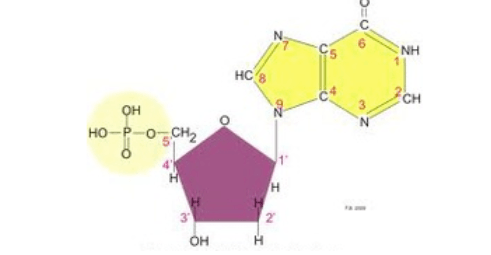
The following monomer has a phosphate group (orange), pentose sugar (blue), and nitrogen base (green). What molecule is this?
nucleic acid (DNA)
monosaccharide
amino acid
nucleotide
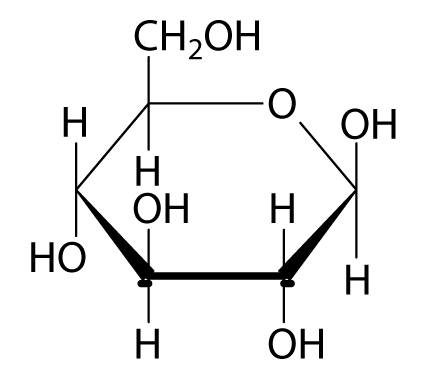

Polymer's split apart to form ________, by __________.
monomers, hydrolysis
monomers, dehydration synthesis
amino acids, hydrolysis
amino acids, dehydration synthesis
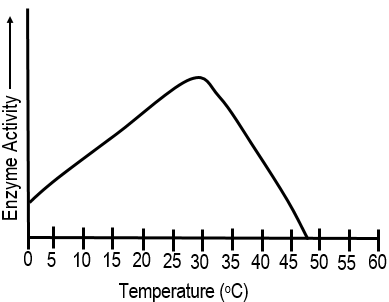
Can a change in pH alter the active site of an enzyme
yes
no

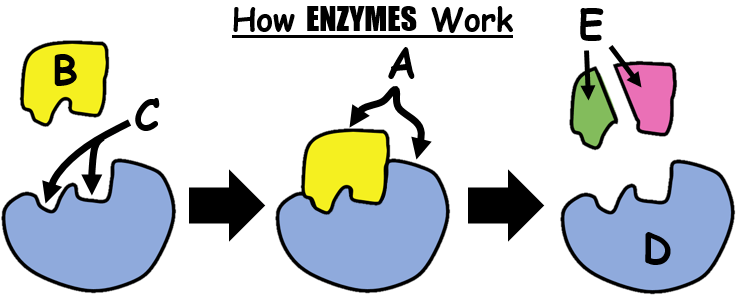
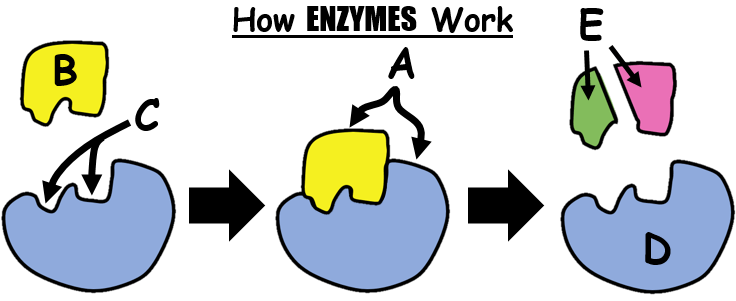
What is indicated by letter C?
enzyme
product
substrate
active site
What is indicated by letter B?
enzyme
product
substrate
active site
Can a change in pH alter the active site of an enzyme?
Yes
No
The differences between two molecules include the type of sugar that forms a section of the molecules and the identity of one of the four nitrogenous bases that make up another section of the molecules. These two molecules are —
proteins
lipids
nucleic acids
complex carbohydrates
An advertisement for a health supplement for dogs claims to build lean muscle and strengthen tendons and ligaments, as well as provide energy. Which two biomolecules must the supplement contain to provide these benefits?
Carbohydrates and lipids
Proteins and carbohydrates
Nucleic acids and carbohydrates
Lipids and nucleic acids
Macromolecules which are both hydrophobic and hydrophilic and are a major component of cell membranes are –
polysaccharides
proteins
phospholipids
inorganic
Many plants have waxy coatings on some surfaces. This coating reduces water loss because it is not water-permeable. This waxy coating is which of the following types of organic molecule?
carbohydrate
lipid
nucleic acid
protein
The enzymes that catalyze cellular reactions are macromolecules made of organic compounds composed of carbon, hydrogen, oxygen, and nitrogen. These types of macromolecules are known as
starches
sugars
proteins
fats

A table of four types of carbohydrates is shown. Which list correctly matches the functions to the types of carbohydrates?
Energy: glycogen and starch
Structure: cellulose and chitin
Energy: cellulose and chitin
Structure: glycogen and starch
Energy: chitin and glycogen
Structure: cellulose and starch
Energy: cellulose and starch
Structure: chitin and glycogen

Transmembrane proteins span the width of cell membranes. Four types of transmembrane proteins are shown in the section of cell membrane. Although these proteins have different specific functions, they all -
stop chemical reactions within the cell
synthesize molecules that signal other cells
help the cell interact with its external environment
remove large waste particles from the cytosplasm of the cell

Two biomolecules are shown. Which of the following best describes these biomolecules?
molecule X and molecule Y are both carbohydrates
molecule X is a nucleic acid, and molecule Y is a carbohydrate
molecule X and molecule Y are both nucleic acids
molecule X is a carbohydrate, and molecule Y is a nucleic acid

Proteins and carbohydrates have many functions in the body of an organism. Specific proteins and carbohydrates perform specific tasks. Information about a protein and a carbohydrate is given below. How are Ferritin and Glycogen similar in their primary functions for an organism?
both store materials needed by the organism
both store energy used by the organism
both support the structure of the organism
both store information for the organism

The complex carbohydrates pictured below are made by linking molecules of glucose. In all three complex carbohydrates, the subunits of glucose are bonded together differently. Because they have different structures, they most likely -
contain different chemical elements
form different proteins
carry different nucleotides
perform different functions
A student preparing for a hike wants to pack a snack that has biomolceules that provide quickly available energy but few excess calories. Which nutrition label lists the best combination of biomolecules that provide quickly available energy while providing the fewest calories from other types of biomolecules?


Carbohydrates are more easily metabolized than lipids. However, on a gram-for-gram basis lipids provide cells with more -
nitrogen
proteins
structure
energy
Proteins and polysaccharides are polymers. These polymers are formed by dehydration synthesis. Which statement correctly identifies a difference in the structure of proteins and polysaccharides?
only polysaccharides are comprised of repeating units of cytosine, adenine, guanine, and thymine
only proteins are formed from amino acids joined by peptide bonds
only polysaccharides can be folded and twisted to very specific shapes
only proteins can be large molecules with thousands of subunits
Which of these best represents a fatty-acid molecule?


What is the function of proteins?
provides quick energy
stores energy
helps with growth and repair of tissues
stores genetic information
A _________ reaction removes a molecule of water to bond molecules together to create a polymer.
hydrolysis
water
dehydration synthesis
magical

How many monomers are in this polymer?
1
5
116
90

Which type of reaction will join monomers together (creating a polymer)?
dehydration synthesis
hydrolysis



