wayground logo

Free Printable Worksheets

Font size

S
M
L
XL
Worksheets

Year 9 Science Sem 2 Revision

Total questions: 71

Worksheet time: 43mins

Name
Class
Date
1.

What is light?

a)

What we see with our eyes

b)

A form of energy that travels in waves

c)

A form of work that reflects

d)

Light is colours

2.

The colours that make up white light are called what?

a)

Prism

b)

Visible spectrum

c)

Energy waves

d)

Colours

3.

What does a lens do?

a)

Refracts light

b)

Magnifies light

c)

Takes pictures

d)

It doesn't do anything

4.

The image shows an example of

a)

Refraction

b)

Reflection

c)

Penumbra

d)

A broken straw

5.
Smooth surfaces _______ a lot of light.
a)
reflect
b)
bend
c)
absorb
d)
twist
6.

If light hits something transparent , it will...

a)

make a shadow

b)

pass through

c)

stop

7.

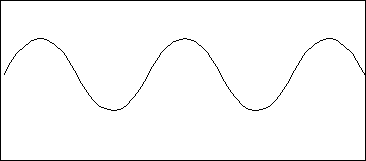
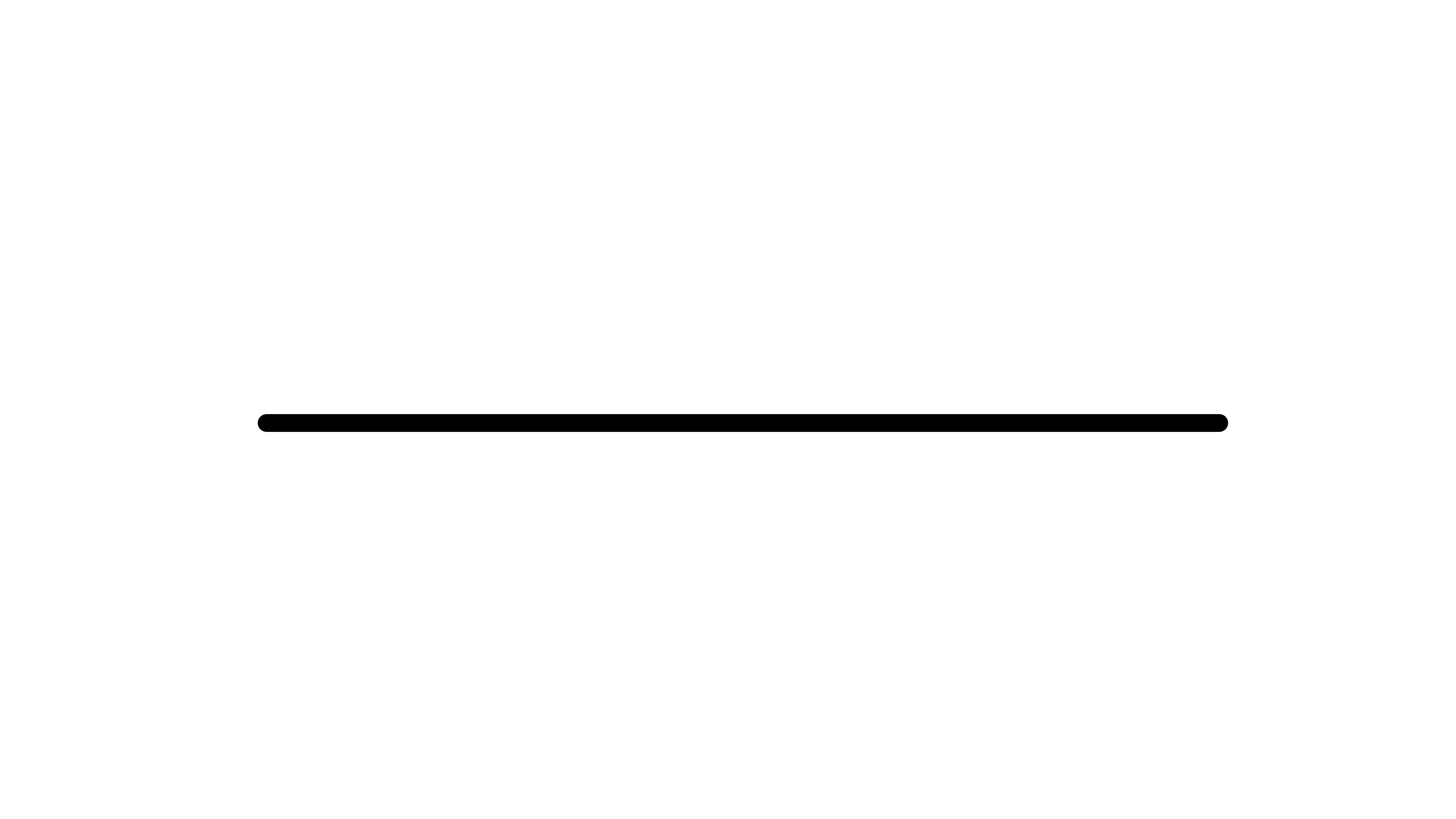
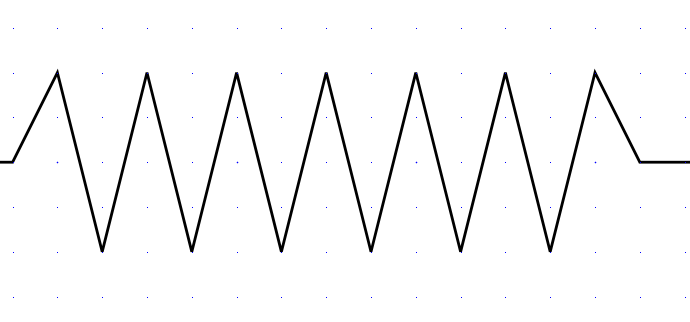
Light travels as a ________ .

a)
b)
c)
8.

Which object allows you to see your reflection?

a)

rock

b)

mirror

c)

paper

9.
The three primary colors of light are
a)
Red, Blue, Yellow
b)
Pink, Green, Blue
c)
Violet, Green, Red
d)
Blue, Green, Red
10.
Why does an apple appear red?
a)
All colors are absorbed & none are reflected
b)
All colors are absorbed except for blue, which is reflected
c)
All colors are reflected and none are absorbed
d)
All colors are absorbed except for red, which is reflected
11.
Which color reflects the least light?
a)
Black
b)
White 
c)
Blue
d)
Red
12.
Sunlight is
a)
not light at all
b)
red light
c)
yellow light
d)
white light
13.
Objects that reflect ALL colors will appear _____?
a)
Black
b)
White
c)
Gray
d)
Multi-colored
14.

Why do elements bond?

a)

To be friends

b)

To create a new element

c)

To become stable

d)

To get bigger

15.
What is a valence electron?
a)
The sum of neutrons and protons.
b)
The # of electrons in the last shell.
c)
A type of bond.
d)
A popular compound.
16.
Ionic bonds are between...
a)
nonmetals and nonmetals
b)
carbon and oxygen
c)
metals and nonmentals
d)
hydrogen and chlorine
17.
Covalent bonds are between...
a)
two or more nonmetals
b)
sodium and chlorine
c)
metals and metals
d)
metals and nonmetals
18.
What is the name for an ion with a positive charge?
a)
cation
b)
anion
c)
onion
d)
union
19.
What is the name for an ion with a negative charge?
a)
cation
b)
anion
c)
onion
d)
union
20.
What kind of bond forms when atoms exchange electrons?
a)
ionic
b)
covalent
c)
artificial
d)
univalent
21.
If an atom loses two electrons what charge will it have?
a)
-2
b)
-1
c)
+1
d)
+2
22.
If an atom gains two electrons what charge will it have?
a)
-2
b)
-1
c)
+1
d)
+2
23.

Which of the following describes covalent bonds?

a)

Bonds form because of opposite charges

b)

electrons are shared to fill outer electron shells

c)

Electrons are transferred between atoms

d)

Covalent bonds are magical

24.

The octet rules states that most elements want to have _____ valence electrons.

a)

2

b)

4

c)

6

d)

8

25.
What is the basis of a metallic bond?
a)
the attraction of neutral metal atoms.
b)
the attraction between protons and neutrons.
c)
the attraction between positive metal ions and interlocking electrons.
d)
the attraction between positive metal ions and free floating electrons.
26.
Predict the bond that will form between Be and F.
a)
Ionic
b)
Covalent
27.
Predict the bond that will form between Se and Cl.
a)
Ionic
b)
Covalent
28.
Predict the bond that will form between Sr and S.
a)
Ionic
b)
Covalent
29.

Chemical bond is ...

a)

the physical mixing of two different atoms.

b)

the force that holds two atoms together

c)

the energy used up when two atoms combined.

d)

the temperature that changes the phase of matter.

30.

Which of the following atoms is most likely to bond with another atom?

a)
b)
c)
d)
31.

How many valence electrons does Oxygen (O) have?

a)

6

b)

8

c)

15

d)

16

32.

What does this dot diagram represent?

a)

SHSH

b)

S2HS_2H

c)

H2SH_2S

33.

What element does this dot diagram represent?

a)

Phosphorus

b)

Potassuim

c)

Platinum

d)

Polonium

34.

Disease causing agents such as bacteria and viruses are called _______________.

a)

pathogens

b)

antibodies

c)

villians

d)

particles

35.

Bacteria are ______________ than plant and animal cells.

a)

smaller

b)

larger

36.

All bacteria cause illness and disease.

a)

TRUE

b)

FALSE

37.

Bacteria can harm your body and cause disease by...

a)

destroying cells and capturing toxins

b)

damaging tissue and releasing toxins

c)

damaging organs and ingesting cells

d)

causing fungus and viruses to grow

38.

Most bacterial diseases can be treated with _______________.

a)

antibiotics

b)

carcinogens

c)

pathogens

d)

microbes

39.

Bacteria are smaller than viruses.

a)

TRUE

b)

FALSE

40.

Viruses are not living.

a)

TRUE

b)

FALSE

41.

Viruses include... (select all that apply)

a)

flu

b)

common cold

c)

measles

d)

chicken pox

e)

food poisoning

42.

Which of the following causes diseases?

a)

Pathogens

b)

Poor Environment

c)

Genetics

d)

All of the above

43.

This term is used when a disease affects a large proportion of the people over a large area.

a)

Epidemic

b)

Pandemic

c)

Disease

d)

Pathogens

44.

What is significant about an infectious disease?

a)

It can be passed from person to person

b)

It cannot be passed from one person to another

45.

Which pathogen is a single-celled, prokaryotic organism.

a)

bacteria

b)

virus

c)

fungi

d)

parasite

46.

Illness or sickness caused by genes, infection, toxicity, nutritional imbalance, etc.

a)

Disease

b)

Hygiene

c)

Epidemic

d)

Protozoa

47.
Viruses multiply: 
a)
By conjungation
b)
By taking over a cell's functions
c)
By binary fission
d)
Both sexually and asexually
48.
Which of the following characteristics describes all protists?
a)
They are unable to move on their own
b)
They can be seen with the unaided eye
c)
a.  Their cells have nuclei
d)
They are Unicellular
49.
Which pathogen is not alive?
a)
Virus
b)
Bacteria
c)
Protist
d)
Fungi
50.
Which pathogen can be cured by antibiotics?
a)
Virus
b)
Bacteria
c)
Protist
d)
Fungi
51.
Examples of diseases caused by this pathogen are Malaria, Hiking Sickness, and Sleeping Sickness. 
a)
Virus
b)
Bacteria
c)
Protist
d)
Fungi
52.
An example of a noninfectious disease is: 
a)
Influenza
b)
Small Pox
c)
Diabetes
d)
Typhoid
53.
White blood cells that fight pathogens are called: 
a)
Phagocytes
b)
Antigens
c)
Platelets
d)
Ninjas
54.
What causes antibiotic resistance to occur?
a)
taking antibiotics too often
b)
taking your parents antibiotics
c)
not finishing your antibiotic prescription (saving some of them for next time you are sick)
d)
all of the above
55.
Which of the following is trait that a virus shares with a living organism?
a)
They use oxygen
b)
They have genetic material
c)
They grow
d)
They digest food
56.
What is ring worm?
a)
Virus
b)
Bacteria
c)
Fungi
d)
Parasite
57.
Athlete's foot is which type?
a)
Virus
b)
Bacteria
c)
Fungi
d)
Protist
58.

Bacteria can damage human cells or produce

a)

toxins

b)

viruses

c)

platelets

d)

blood clots

59.

Fungi grow best in these environments.

a)

warm, moist

b)

cool, dry

c)

cold,humid

d)

warm, dry

60.

Which of the following does NOT contain pathogen killing chemicals?

a)

lymph nodes

b)

sweat glands

c)

oil glands

d)

saliva

61.

Most pathogens never enter the body because of your

a)

skin

b)

muscles

c)

skeleton

d)

connective tissues

62.

Which term best describes inflammation?

a)

red and swollen

b)

engulfs pathogens

c)

cold and clammy

d)

solid barrier

63.

Raising the body's internal temperature in an attempt to kill pathogens.

a)

fever

b)

immune response

c)

peristalsis

d)

infection

64.

A dead or weakened pathogen that triggers the immune response.

a)

vaccine

b)

antibiotic

c)

bacterium

d)

lymph

65.

what statement is UNTRUE about the difference between regular and diffuse reflections?

a)

difference in image created.

b)

due to surface differences altered image created

c)

one produces a clear image, the other does not

d)

one is not reflection

66.

this image is an example of...

a)

reflection

b)

refraction

67.

reflection could be summarised as when the light bends as it travels through an object/ substance.

a)

true

b)

false

68.

what is an example of refraction in action (he he that rhymes!)

a)

spear fishing

b)

watching the sunset

c)

shooting a goal looking into the sun

d)

stirring your tea

69.

angle of incidence is

a)

the angle incoming ray makes with normal

b)

angle between refracted ray and normal

70.

what type of reflection is this?

a)

diffuse reflection

b)

regular reflection

71.

Refractive index measures how easily light travels through a substance. The higher the refractive index, the more the light bends when it enters the substance.

a)

true

b)

false