
 Worksheets
vetmed zoo chapter 3 pt. 1
Total questions: 111
Worksheet time: 2hrs 54mins
This type of tissue lines the internal organs and covers the outside of the body as skin
connective
epithelial
muscular
nervous
This type of tissue includes ligaments, tendons, and cartilage
epithelial
muscular
connective
nervous
Muscles present in the heart are...
Striated muscles
Cardiac muscles
Non striated muscles
All the above

Identify the tissue present in this figure..
Nerve tissue
Adipose tissue
Cuboidal epithelial tissue
Areolar tissue
The connective tissue that connects bones at the joints is...
Cartilage
Bone
Ligament
Both cartilage and bone
The connective tissue that keeps organs in place is....
Squamous epithelium
Skin
Areolar tissue
Bhuvan
Fat is stored in this tissue...
Adipose tissue
Blood
Cartilage
None of these

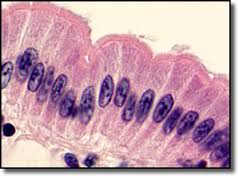
Name the tissue
Pseudostratified
Simple columnar
Transitional
Stratified Squamous
A group of similar cells to perform a specific function form
organ
organ system
organism
tissue
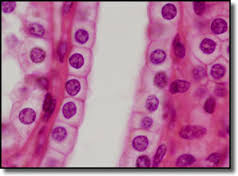
Name the tissue
Pseudostratified
Simple columnar
Transitional
Stratified Squamous
A group of similar cells to perform a specific function form
organ
organ system
organism
tissue
This type of tissue lines the internal organs and covers the outside of the body as skin
connective
epithelial
muscular
nervous





Epithelial tissue regenerate really quickly
True
False
gives rise to other
layer of the skin and to tissues of
the nervous system.
(a)
gives rise to tissues
of the muscles, skeleton,
circulatory system, inner layer of
skin, kidney, and reproductive
tract.
(a)
gives rise to the
lining of the gut and to the major
organs derived from it.
(a)
It lines the outer and inner surfaces of the body. In most types of epithelial tissue,
the cells are compactly arranged and rest on a basement membrane.
(a)


Which type of fiber is the thickest and has the highest tensile strength?
collagen
elastin
reticular
Which type of fiber is long and thin and allows for stretch and recoil?
collagen
elastin
reticular
Which type of cell is found in bone tissue?
fibroblast
chondrocyte
fat cell
osteocyte
Which type of tissue is the most widely distributed, supports and binds other tissues, the universal packing material?
adipose
bone
reticular
areolar
Which type of tissue provides insulation and a storage of fuel?
areolar
elastic connective
adipose
hyaline cartilage
Which type of tissue is found in tendons and ligaments?
dense fibrous
areolar
reticular
blood
Which type of cartilage is found in your ear and epiglottis?
elastic cartilage
hyaline cartilage
fibrocartilage
Which type of cartilage is found in between vertebrate and knees, provides cushion?
elastic cartilage
hyaline cartilage
fibrocartilage
Which type of tissue supports and protects body structures as well as contains inorganic calcium salts?
areolar
hyaline cartilage
bone
dense irregular
Which of the following is NOT a function of connective tissue?
protects
supports
binds
covers & lines
Which of the following are the 2 main elements of the extracellular matrix?
ground substance, fibers
ground substance, cells
fibers, cells
Connective tissue has varied levels of vascularity (some have blood vessels, some do not).
True
False
unspecialized embryonic tissue; cells are called
mesenchymal cells provided with branching processes and supported by a
fluid matrix.
(a)
specialized connective tissue which transports substances;
(a)
is specialized for contraction.
(a)
What is the function of the nerve cells?
They are responsable of your defense mechanism.
They transmit signals or messages to other neurons, organs or glands.
They transmit substances to your endocrine system to produce hormones.

Dendrite - branched projections of the neuron cell body that _______________________ from other neurons
receive messages
get energy
receive nutrients
All the muscle within the body has a relationship with the ______ system to produce movement and contraction.
Cardiovascular
Skeletal
Nervous
Respiration

__________ connect muscles to bones
tendons
collagen
joints
cartilage
__________ protects bones from rubbing against each other.
joints
cartilage
sutures
tendons
Your shoulder joint is an example of __________.
a hinge joint
a saddle joint
a pivot joint
a ball-and-socket joint
Which is NOT a kind of muscle in the human body?
exoskeletal
smooth
skeletal
cardiac
What best describes your heart?
smooth muscle
skeletal muscle
cardiac muscle
memory muscle
Muscles are working in your body even when you are asleep and still.
True
False
Muscles are attached to bones by __________ .
ligaments
fibers
joints
tendons
I am a muscle attached to a bone. I am a voluntary muscle. I appear striped under the microscope. What kind of muscle am I?
skeletal
smooth
cardiac
memory
What kind of muscle is in the heart?
skeletal
cardiac
smooth
memory
What kind of muscle is found in the stomach wall?
cardiac
smooth
skeletal
memory
What is thick connective tissue that holds bone to bone?
tendon
ligament
cartilage
joint
What is muscle tissue that work together without thought or action?
involuntary muscle
voluntary muscle
memory muscle
contraction
What is muscle tissue that moves under our control?
involuntary muscle
voluntary muscle
contraction
memory muscle
What is the change in a muscle by which it becomes thicker and shorter?
striated
smooth
cardiac
contraction

What is the purpose of nervous tissue?
send electrical signals
strengthen muscle
make blood cells
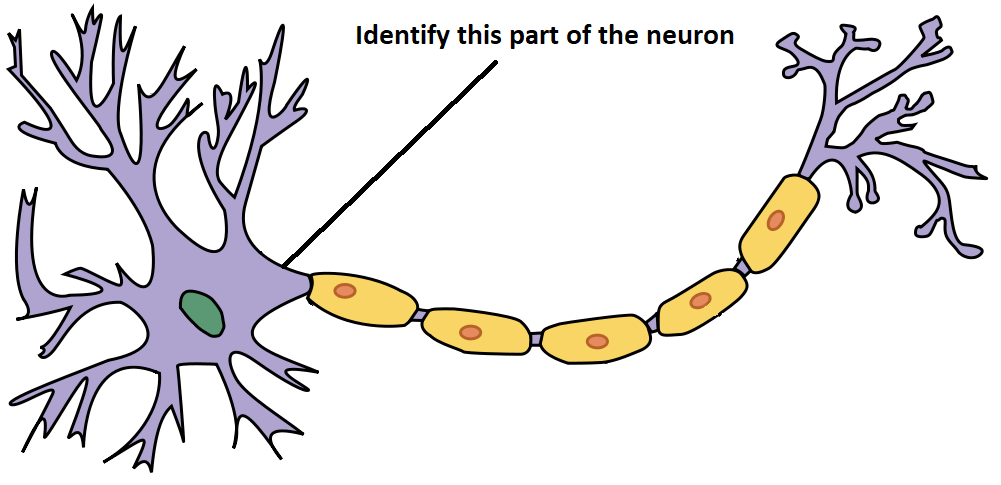
Nucleus
Cell Body
Axon
Node of Ranvier
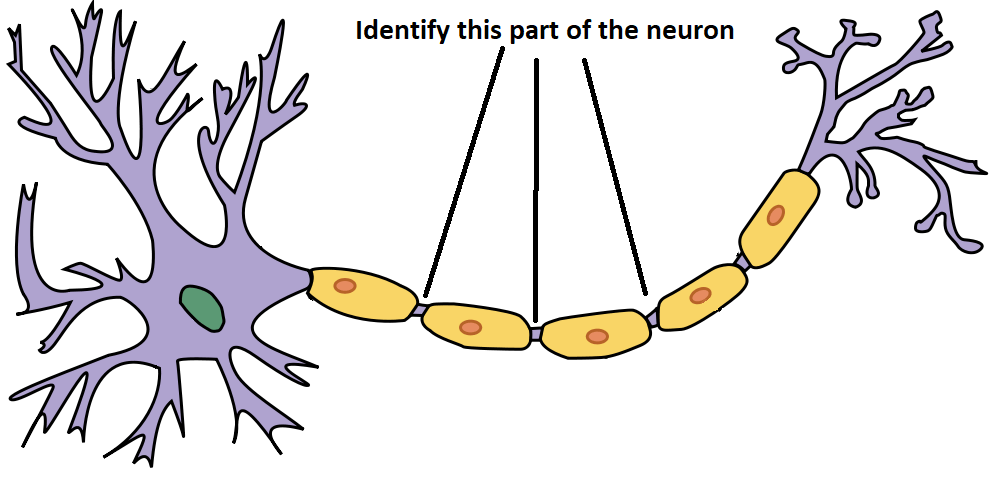
Nucleus
Cell Body
Axon
Node of Ranvier
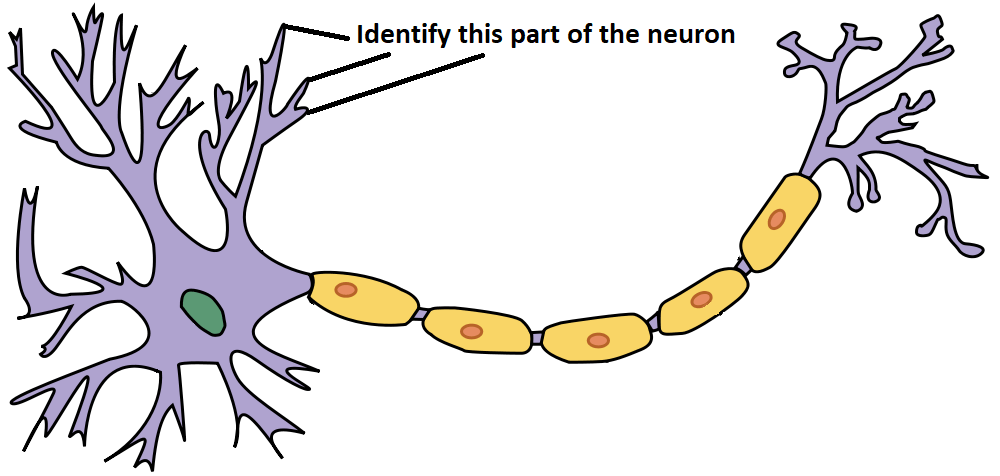
Dendrites
Axon Terminals
Myelin Sheath
Schwann Cells
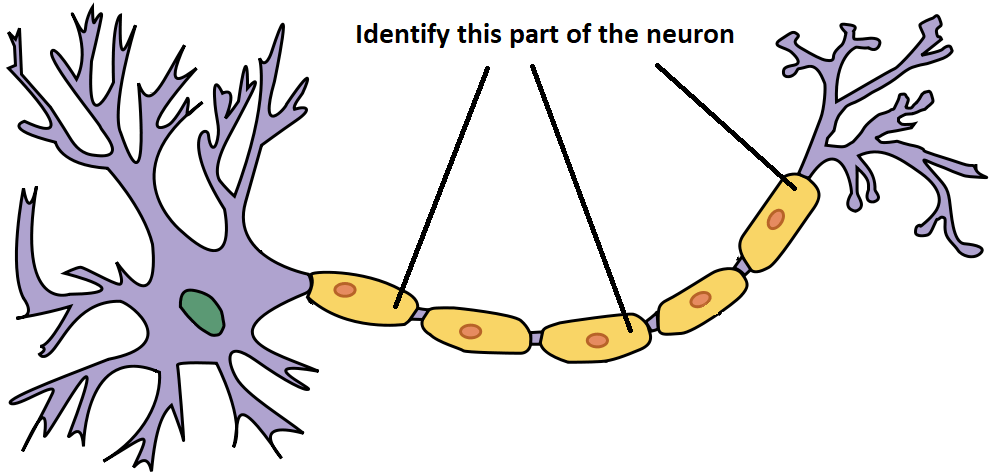
Dendrites
Axon Terminals
Myelin Sheath
Schwann Cells
What is the function of the nerve cells?
They are responsable of your defense mechanism.
They transmit signals or messages to other neurons, organs or glands.
They transmit substances to your endocrine system to produce hormones.
The protective fatty tissue that speeds up the transmission of messages is:
Myelin Sheaths
Axon
Dendrites
Soma
Type of neuron that perceive information about your environment.
Motor Neuron
Interneuron
Sensory Neuron
Type of neuron located only in the brain and spinal cord that pass impulses from one neuron to another.
Motor Neuron
Interneuron
Sensory Neuron
Neuroglial cells that form the fatty myelin sheath on neurons in the CNS are ___________ in the PNS are ________________?
ganglia and oligodendroglia
astrocytes and schwann cells
schwann cells and oligodendroglia
oligodendroglia and schwann cells
containing the nucleus
(a)
dendrites – transmit impulses towards the soma
true
false
transmits impulses from soma to synapse.
(a)
specialized intercellular junction where the
axon ends.
(a)
with one process which branches into an axon
and a dendrite beyond the perikaryon.
Source: dorsal root ganglion of the spinal cord
(a)
with one axon and one dendrite.
Source: retina
(a)
with one axon and several dendrites.
Source: gray matter of the ventral horn of the spinal cord
(a)
transmits impulses towards the central nervous
system.
Source: neuron associated with sense organs
(a)
transmits impulses away from the central nervous
system.
Source: neuron associated with muscles and glands
(a)
sheath of cells (Schwann cells) forming an envelope around
axons and some dendrites; responsible for effective regeneration of a nerve
fiber after injury; forms the myelin sheath.
(a)
conveys impulses towards the central nervous system
such as the optic, olfactory and auditory nerves.
(a)
convey impulses away from the central nervous such as
the oculomotor, trochlear, and trigeminal nerves.
(a)
convey impulses towards and away from the central
nervous system such as the spinal nerves.
(a)

