wayground logo

Free Printable Worksheets

Font size

S
M
L
XL
Worksheets

Skeletal System Review

Total questions: 115

Worksheet time: 1hrs 26mins

Name
Class
Date
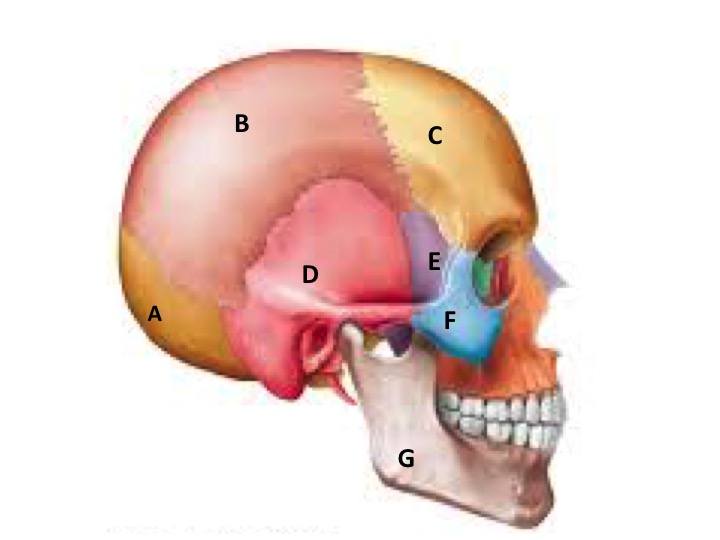
1.

Identify bone "F"

a)

Temporal

b)

Parietal

c)

Sphenoid

d)

Zygomatic

2.

Identify Bone "B"

a)

Lacrimal

b)

Ethmoid

c)

Sphenoid

d)

Nasal

3.

Identify Bone "E"

a)

Temporal

b)

Parietal

c)

Sphenoid

d)

Occipital

4.

Identify Bone "H"

a)

Zygomatic

b)

Maxilla

c)

Sphenoid

d)

Lacrimal

5.

identify Bone "G"

a)

Maxilla

b)

Mandible

c)

Zygomatic

d)

Vomer

6.

Identify Bone "F"

a)

mandible

b)

maxilla

c)

zygomatic

d)

vomer

7.
a)
Occipital
b)
Parietal
c)
Temporal
d)
Sphenoid
8.
a)
Maxilla
b)
Frontal
c)
Mandible
d)
Sphenoid
9.
a)
Zygomatic
b)
Frontal
c)
Parietal
d)
Lacrimal
10.
a)
Zygomatic
b)
Temporal
c)
Parietal
d)
Lacrimal
11.
a)
Zygomatic
b)
Vomer
c)
Ethmoid
d)
Lacrimal
12.
How many cervical vertebrae are there?
a)
5
b)
7
c)
12
13.
How many thoracic vertebrae are there?
a)
5
b)
7
c)
12
14.
How many lumbar vertebrae are there?
a)
5
b)
7
c)
12
15.
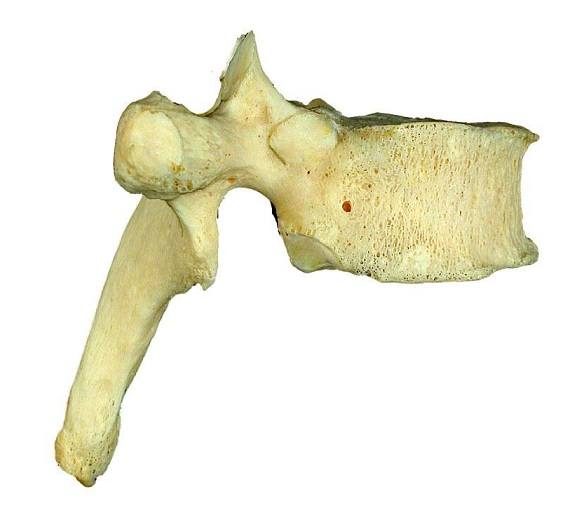
This vertebrae is __________.
a)
thoracic
b)
lumbar
16.
This vertebrae is the ____________.
a)
thoracic
b)
lumbar
17.
How many true ribs are there?
a)
2
b)
3
c)
7
18.
How many false ribs are there?
a)
2
b)
3
c)
7
19.
What bone is the name of the bone that is colored?
a)
manubrium
b)
sternum
c)
xiphoid process
20.
What is the name of the part in green?
a)
manubrium
b)
sternum
c)
xiphoid process
d)
body
21.
What is the name of the section in purple?
a)
manubrium
b)
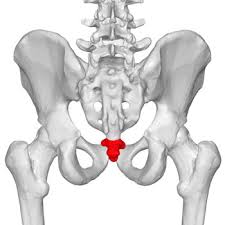
sternum
c)
xiphoid process
d)
body
22.
What bone are the arrows pointing to?
a)
coccyx
b)
sacrum
23.
How many floating ribs are there?
a)
2
b)
3
c)
7
24.
What bone is #1 pointing to? 
a)
atlas 
b)
axis 
c)
thoracic
d)
lumbar
25.
What bone is #2 pointing to? 
a)
atlas
b)
axis
c)
lumbar
d)
thoracic 
26.
What is # 6 pointing to? 
a)
cervical
b)
thoracic
c)
coccyx
d)
sacrum 
27.
How many fused vertebrae make up the sacrum?
a)
3
b)
4
c)
5
d)
12
28.
How many fused vertebrae make up the coccyx?
a)
5
b)
4
c)
7
d)
2
29.

What spine condition does this image show?

a)

kyphosis

b)

lordosis

c)

scoliosis

d)

Spondylolisthesis

30.
What function does the intervertebral disks have?
(what do they do?)
a)
Send sensory information the brain and the spinal nerve
b)
Attaches muscles to the spine to the spine that help hold shape.
c)
Provide mobility to the legs and back
d)
Works as a cushion or shock absorber between vertebrae
31.
What is the name of the first Cervical Vertebrae?
a)
Compass
b)
Telamon
c)
Atlas
d)
Axis
32.
Your tailbone is called your
a)
Coccyx
b)
Cervix
c)
Sacrum
d)
Hyoid
33.
What part of the spine is indicated in yellow?
a)
Cervical
b)
Thoracic
c)
Lumbar
d)
Coccyx
34.
What part of the spine is shown in green?
a)
Lumbar
b)
Thoracic
c)
Cervical
d)
Coccyx
35.
What part of the spine is shown in orange?
a)
Cervical
b)
Thoracic
c)
Lumbar
d)
saccral
36.
What are the first two cervical spine vertebrae called?
a)
atlas and axis
b)
Sacrum and coccyx
c)
Clavicle and humerus
d)
C3 and c4
37.
The pink represents
a)
transverse process
b)
spinous process
c)
body 
d)
foramen 
38.
The brown represents 
a)
transverse process
b)
spinous process
c)
foramen 
d)
body 
39.
The triangular hole within the vertebrae represents 
a)
spinous process
b)
transverse process
c)
body 
d)
foramen 
40.
This cervical vertebrae known as C1 is called
a)
axis
b)
atlas
c)
zygomatic vertebrae
d)
styloid process
41.

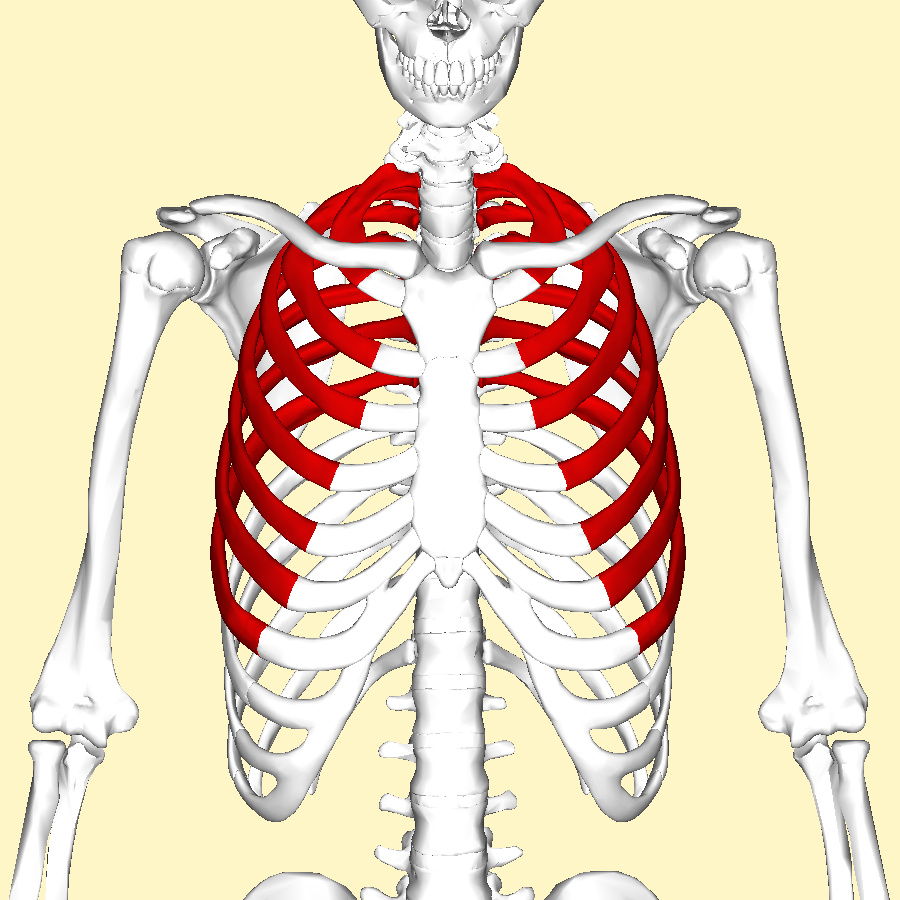
Which ribs are highlighted

a)

true ribs

b)

false ribs

c)

floating ribs

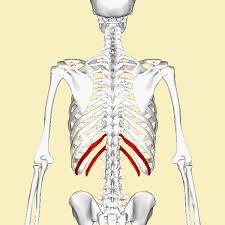
42.

Which ribs are highlighted

a)

true ribs

b)

false ribs

c)

floating ribs

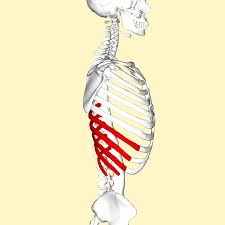
43.

Which section of the rib cage is highlighted

a)

true ribs

b)

false ribs

c)

floating ribs

44.

Which section of the vertebral column is highlighted

a)

lumbar

b)

sacrum

c)

coccyx

d)

cervical

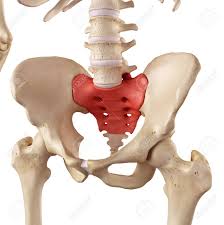
45.

Which section of the vertebral column is highlighted

a)

lumbar

b)

cervical

c)

coccyx

d)

sacrum

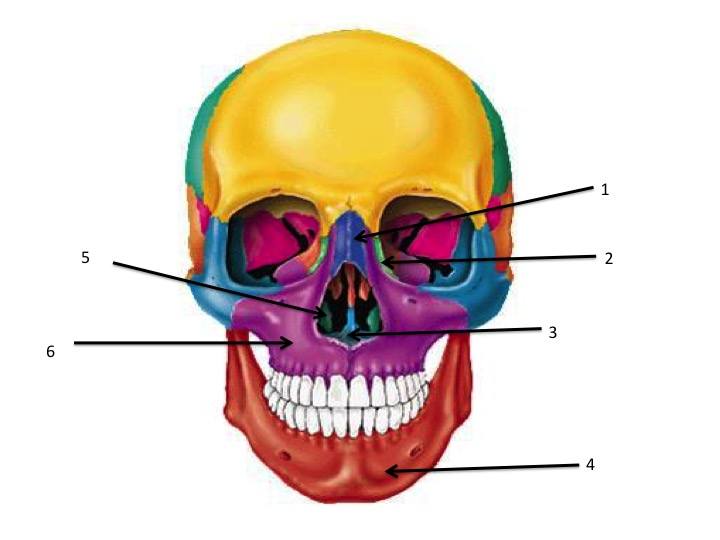
46.

Which is bone 6

a)

mandible

b)

maxilla

c)

sphenoid

d)

nasal

47.

Which bone is labeled E

a)

temporal

b)

sphenoid

c)

frontal

d)

zygomatic

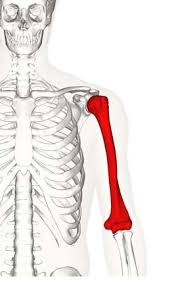
48.

Which bone is highlighted

a)

humerus

b)

fibula

c)

radius

d)

ulna

e)

tibia

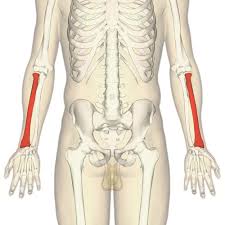
49.

Which bone is highlighted

a)

humerus

b)

radius

c)

ulna

d)

femur

e)

fibula

50.

Which bone is highlighted

a)

ilium

b)

ischium

c)

pubis

d)

coccyx

e)

sacrum

51.

Which bone is highlighted

a)

ilium

b)

ischium

c)

pubis

d)

sacrum

e)

coxal bone

52.

Which bone is highlighted

a)

ilium

b)

ischium

c)

pubic

d)

sacrum

53.

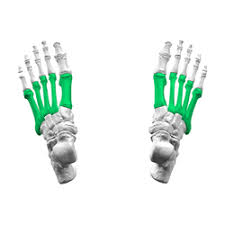
Which bones are highlighted

a)

phalanges

b)

carpals

c)

metatarsals

d)

metacarpals

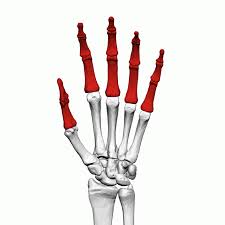
54.

Which bones are highlighted

a)

metacarpals

b)

metatarsals

c)

carpals

d)

tarsals

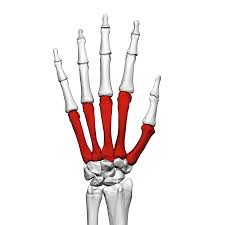
55.

Which bones are highlighted

a)

metatarsals

b)

metacarpals

c)

tarsals

d)

carpals

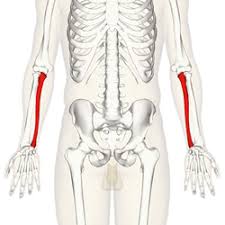
56.

Which bone is highlighted

a)

femur

b)

radius

c)

tibia

d)

fibula

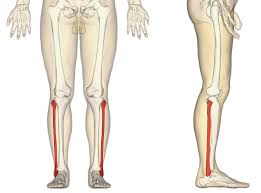
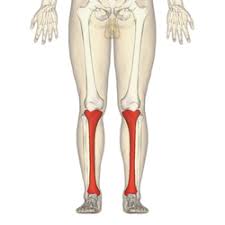
57.

Which bone is highlighted

a)

fibula

b)

tibia

c)

ulna

d)

radius

58.

Which bone is highlighted

a)

humerus

b)

femur

c)

tibia

d)

fibula

59.

Which bones are highlighted

a)

humerus

b)

radius

c)

ulna

d)

fibula

60.

Which bones are highlighted

a)

carpals

b)

tarsals

c)

metacarpals

d)

metatarsals

61.

Which bones are highlighted

a)

carpals

b)

tarsals

c)

metacarpals

d)

metatarsals

62.

The two bones that are in the antebrachial region

a)

radius

b)

tibia

c)

fibula

d)

humerus

e)

ulna

63.

The foot, composed of...

a)

metatarsals

b)

carpals

c)

metacarpals

d)

tarsals

e)

phalanges

64.

The bones of the fingers and toes are called ___.

a)

carpals

b)

phalanges

c)

tarsals

d)

metacarpals

65.

The bones in the palm area of the hands are called ___.

a)

carpals

b)

phalanges

c)

tarsals

d)

metacarpals

66.
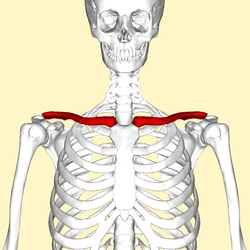
What bones are these?
a)
Sternums
b)
Scapulae
c)
Clavicles
d)
Hyoids
67.

Ilium + Ischium + Pubis = ________

a)

Coxal Bone

b)

Pelvic Girdle

c)

Bony Pelvis

d)

Sacrum

68.

The bone that makes up the upper arm is the...

a)

Tibia

b)

Radius

c)

Ulna

d)

Humerus

69.
The two bones that make up the forearm are the....
a)
Vertebrae and skull
b)
Ulna and radius
c)
Tibia and fibula 
d)
Clavicle and scapula 
70.
What bones make up the shoulder girdle? 
a)
Scapula and Clavicle 
b)
Tibia and Fibula 
c)
Carpal and Metacarpal
d)
Deltoid and Scapula 
71.
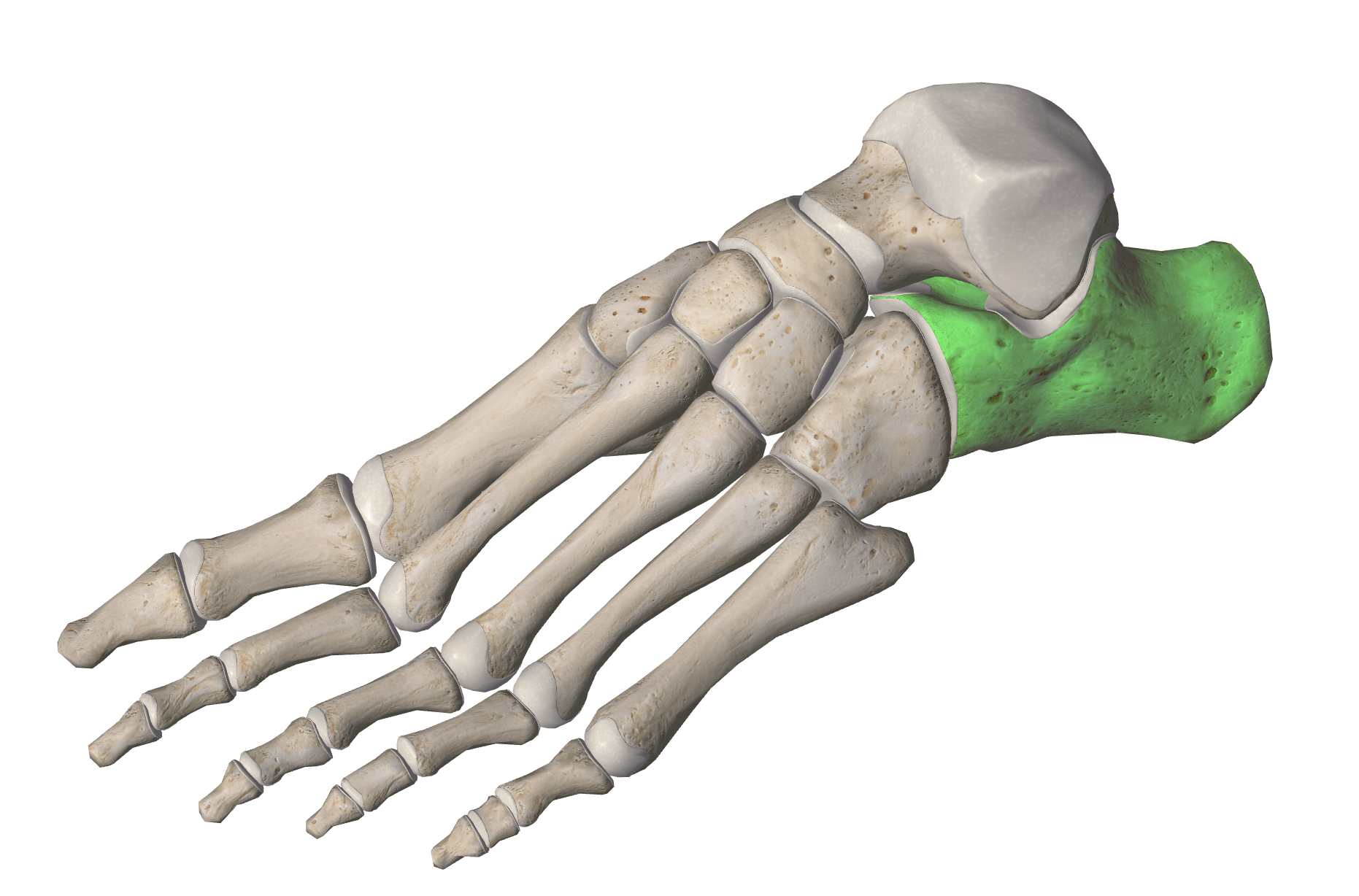
Name the bone shown in green.
a)
Femur
b)
Calcanous
c)
Patella 
d)
Fibula
72.
Identify the 5 functions of the skeleton?
a)
Protection of vital organs, Muscle Attachment, Joints for Movement, Storing calcium and phosphorus, Red and white blood cell production
b)
Muscle Attachment, Joints for Movement, Storing calcium and phosphorus, Red and white blood cell production, Standing
c)
Muscle Attachment, Joints for Movement, Stability, Growth and development, Red and white blood cell production
73.

Which girdle is weight-bearing?

a)

Pectoral

b)

Pelvic

74.

Forearm bone that is thumb side.

a)

Radius

b)

Ulna

c)

Humerus

d)

Metacarpal

75.

Forearm bone that is pinky side.

a)

Radius

b)

Ulna

c)

Humerus

d)

Scapula

76.

Thin, flattened, and usually curved

a)

Long Bone

b)

Short Bone

c)

Irregular Bone

d)

Flat Bone

77.

Made of two thin layers of compact bone sandwiching a layer of spongy bone between them

a)

Long Bone

b)

Short Bone

c)

Irregular Bone

d)

Flat Bone

78.

Examples: Most bones of the skull, Ribs, Sternum, Scapula

a)

Long Bone

b)

Short Bone

c)

Irregular Bone

d)

Flat Bone

79.

Contain mostly spongy bone with an outer layer of compact bone

a)

Long Bone

b)

Short Bone

c)

Irregular Bone

d)

Flat Bone

80.

Examples: Carpals (wrist bones) Tarsals (ankle bones), Patella

a)

Long Bone

b)

Short Bone

c)

Irregular Bone

d)

Flat Bone

81.

Odd shaped

a)

Long Bone

b)

Short Bone

c)

Irregular Bone

d)

Flat Bone

82.
Red bone marrow is found in
a)
Spongy bone
b)
Compact bone
c)
Both
d)
Neither
83.
The epiphysis is 
a)
The shaft of a bone
b)
a bone cell
c)
the end of a long bone
d)
the covering of a bone
84.
Periosteum
a)
the membrane lining the bone cavity
b)
the tough membrane covering the shaft of the bone
c)
the shiny, articulating cartilage on the ends of a bone
d)
the blood vessels inside a bone
85.
Where are blood cells made? 
a)
Yellow marrow 
b)
Red marrow
c)
Spongy Bone 
d)
Periosteum
86.
What type of bone makes up the diaphysis?
a)
spongy bone
b)
compact bone
c)
rigid bone
d)
soft bone
87.
The shaft of the bone is also called the
a)
epiphysis
b)
diaphysis
c)
endosteum
d)
periosteum
88.
The hardest, most dense part of the bone tissue is the
a)
periosteum
b)
spongy bone
c)
osteoblast
d)
compact bone
89.

The process of blood cell production is known as

a)

erythrocytosis

b)

hematopoesis

c)

osteogenesis

d)

ossification

90.
Which of the following is filled with yellow marrrow? 
a)
medulary cavity
b)
spongy bone
c)
periosteum
d)
compact bone
91.
If cartilage remains in this "specific" area, then growth is still occurring; it is located at the end of long bone
a)
Epipyseal plate
b)
 Medulary Cavity 
c)
Diaphysis 
d)
Endosteum 
92.

E

a)

Compact Bone

b)

Spongy Bone

c)

Diaphysis

d)

Articular Cartilage

e)

Epiphyseal Line / Plate

93.

F

a)

Compact Bone

b)

Spongy Bone

c)

Epiphysis

d)

Articular Cartilage

e)

Epiphyseal Line / Plate

94.

G

a)

Endosteum

b)

Periosteum

c)

Epiphysis

d)

Articular Cartilage

e)

Epiphyseal Line / Plate

95.

H

a)

Endosteum

b)

Periosteum

c)

Compact Bone

d)

Medullary Cavity

e)

Spongy Bone

96.
The functional unit that makes up compact bone is called the
a)
Osteon
b)
Trabeculae
c)
Central Canal
d)
Osteocyte
97.
what are the rings around the haversian canal called?
a)
lacunae
b)
lamella
c)
osteocyte
d)
volkmann's canal
98.
Canaliculi are for 
a)
providing protection 
b)
housing osteocytes
c)
providing nourishment
d)
holding bone together
99.

What type of bone is the patella?

a)

Sesamoid

b)

Irregular

100.

How many types of synovial joints are there?

a)

4

b)

5

c)

3

d)

6

101.
Bone regions united by fibrous connective tissue
a)
fibrous/suture
b)
cartilaginous/amphiarthrotic
c)
fibrous/symphysis
102.
Often contains a fluid-filled cushion
a)
fibrous
b)
cartilaginous
c)
synovial
103.
Which of the following is a place in your body where you have a BALL-AND-SOCKET joint?
a)
ankle
b)
vertebrae
c)
elbow
d)
shoulder
104.
Hip and shoulder have examples of this type of joint...
a)
ball and socket
b)
condyloid
c)
hinge
d)
gliding
105.
Joints are also called...
a)
annotations
b)
articulations
c)
affectations
d)
affiliations
106.
Which type of joint is this? 
a)
Ball and Socket
b)
Pivot
c)
Hinge
d)
Saddle 
107.
Name this joint
a)
gliding
b)
saddle
c)
condyloid
d)
pivot
108.
Joints between skull bones
a)
diarthrotic/synovial
b)
fibrous/suture
c)
amphiarthrotic/epiphyseal disk
109.
What part of an osteon is number 6pointing to?
a)
Lacunae
b)
Central Canal
c)
Osteocyte
d)
Canaliculi
110.
Bone forming cells are called...
a)
osteoblasts
b)
osteocytes
c)
osteoclasts
d)
osteons
111.
Multinucleated cells that break down the calcified matrix of bone.
a)
osteoblasts
b)
osteoclasts
c)
osteons
d)
osteocytes
112.
What is the name for the connector that attaches bone to bone?
a)
ligament
b)
tendon
c)
patella
d)
string
113.
What is the name for the connector that attaches muscle to bone?
a)
ligament
b)
tendon
c)
patella
d)
string
114.
A bone that snaps, cracks or shatters is called:
a)
stress
b)
sprain
c)
strain
d)
fracture
115.
Where is fat stored? 
a)
Yellow marrow 
b)
Red marrow
c)
Spongy Bone 
d)
Periosteum