
Font size
 Worksheets
Mitosis and Meiosis Test Review
Total questions: 82
Worksheet time: 1hrs 7mins
After a cell goes through cytokinesis, it starts mitosis all over again.
Mitosis is a continuous process.


Mitosis is made up of 5 phases.

In which stage of the cell cycle does the cell grow in size?
G1
S
G2
Mitosis
In which stage of the cell cycle is protein and organelle synthesis?
G1
G2
S
Cytokinesis
Which is the longest stage of the cell cycle?
G1
S
Mitosis
Cytokinesis
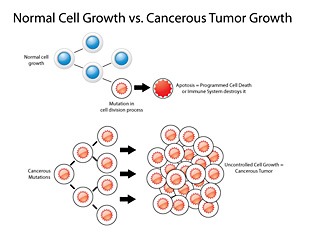
_____ is the uncontrolled growth of cells, often resulting in a tumor or mass of abnormal cells
Cancer
Apoptosis
Radiation
Radiation is often used for cancer therapy because it can trigger __________________.
the immune system
apoptosis
cells to skip the cell cycle
further cell mutation
Apoptosis is
programmed cell death
mysterious cell death
programmed cellular mutation
mysterious cellular mutation
Which best explains why it is dangerous for a cell to become too large?
it may crowd out other cells
its volume exceeds its surface area, making transport difficult
it will be unable to produce enough lipids for its plasma membrane
it will require far less energy than a normal sized cell
Which the best reason why cells are not smaller?
its volume exceeds its surface area, making transport difficult
there would not be enough room to fit all the cellular machinery
osmosis would be inefficient
cells would be unable to communicate

Based on the data, which of these best describes why cells divide when they reach a certain size?
The surface area-to-volume ratio of a cell remains constant during growth.
The surface area of a cell increases more than its volume during growth.
The volume of a cell increases more than its surface area during growth.
The volume of a cell increases as the surface area decreases during growth.




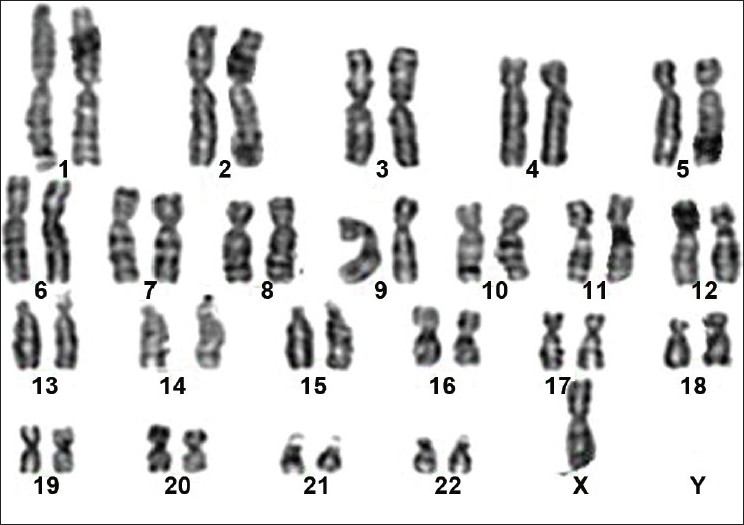
a photograph or picture of chromosomes grouped in ordered pairs is a ______________
pedigree
Punnett Square
Venn Diagram
Karyotype


Based on the karyotype, what is the sex of this baby?
Male
Female




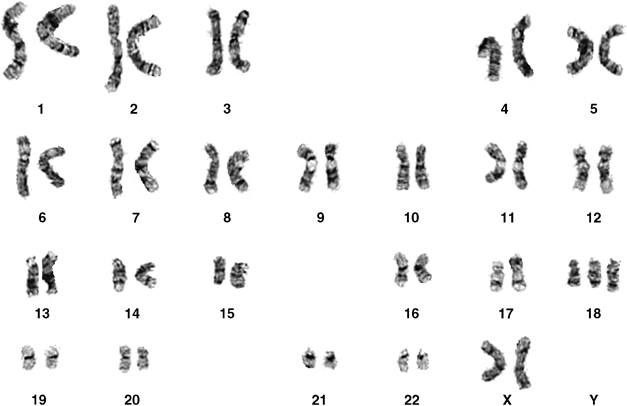
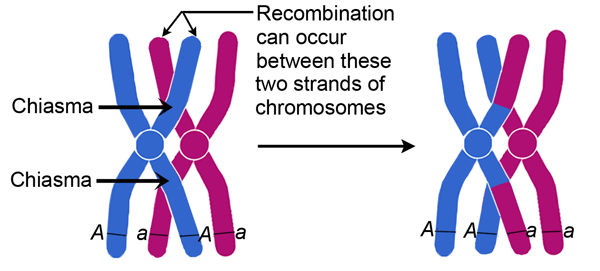
What would you call the failure of one or more pairs of homologous chromosomes or sister chromatids to separate normally during meiosis?
nondisjunction
anaphase I
nondiploidy
karyotype

