Wayground logo

Free Printable Worksheets

Font size

S
M
L
XL
Worksheets

Anatomy - Big Bone Review

Total questions: 82

Worksheet time: 48mins

Name
Class
Date
1.

What bone is highlighted?

a)

Skull (Cranium)

b)

Mandible

c)

Femur

d)

Scapula

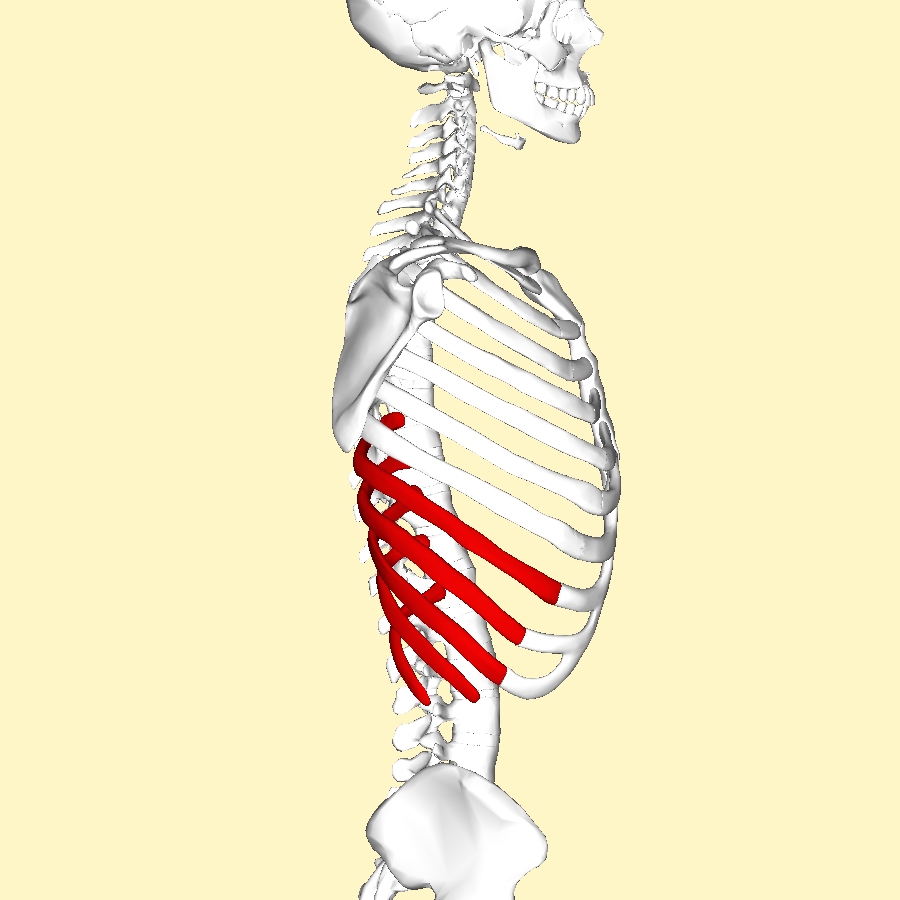
2.

What bone is highlighted?

a)

Femur

b)

Cranium

c)

Ribs

d)

Skull

3.
This is a picture of what? (choose the answer that is most complete)
a)
robot
b)
skeleton
c)
ulna
d)
vertebrate
4.

The bones of the ankle are called

a)

carpals

b)

jewlups

c)

tarsals

d)

calcaneus

5.

T/F: The lumbar spine is made up of 7 vertebrae

a)

True

b)

False

6.
The largest and strongest bone of the face that forms the lower jaw is the maxillae.
a)
True
b)
False
7.
The cranium is made up of eight bones.
a)
True
b)
False
8.
The smaller bone in the forearm on the same side as the thumb is the radius.
a)
True
b)
False
9.
The bone that forms the back of the skull above the nape is the?
a)
temporal
b)
mandible
c)
occipital
d)
frontal
10.
The bone that forms the forehead is the?
a)
parietal
b)
frontal
c)
occipital
d)
hyoid
11.
The bones that form the sides of the head in the ear region are the?
a)
temporal bones
b)
parietal bones
c)
frontal bones
d)
occipital bones
12.
The bone indicated by #1 is the 
a)
parietal bone
b)
temporal bone
c)
ethmoid bone
d)
occipital bone
13.
The bone indicated by #2 is the 
a)
parietal bone
b)
temporal bone
c)
ethmoid bone
d)
occipital bone
14.
The bone indicated by #3 is the 
a)
frontal bone
b)
nasal bone
c)
ethmoid bone
d)
temporal bone
15.
The bone indicated by #4 is the 
a)
frontal bone
b)
nasal bone
c)
ethmoid bone
d)
temporal bone
16.
The bone indicated by #5 is the 
a)
frontal bone
b)
sphenoid bone
c)
ethmoid bone
d)
temporal bone
17.
The structure indicated by #9 is the 
a)
zygomatic process
b)
mastoid process
c)
styloid process
d)
inferior conchae
18.
a)
Occipital
b)
Parietal
c)
Temporal
d)
Sphenoid
19.
a)
Maxilla
b)
Frontal
c)
Mandible
d)
Sphenoid
20.
a)
Mandible
b)
Parietal
c)
Temporal
d)
Sphenoid
21.
a)
Zygomatic
b)
Temporal
c)
Parietal
d)
Lacrimal
22.
a)
Zygomatic
b)
Frontal
c)
Parietal
d)
Lacrimal
23.
a)
Zygomatic
b)
Temporal
c)
Parietal
d)
Lacrimal
24.
a)
Zygomatic
b)
Vomer
c)
Ethmoid
d)
Lacrimal
25.
a)
Zygomatic
b)
Vomer
c)
Ethmoid
d)
Lacrimal
26.
a)
Zygomatic
b)
Vomer
c)
Ethmoid
d)
Lacrimal
27.
a)
Zygomatic process
b)
Styloid process
c)
Parietal
d)
Mastoid process
28.
What process is labeled C?
a)
Zygomatic process
b)
Styloid process
c)
Parietal
d)
Mastoid process
29.
What feature is this?
a)
External Aditory Meatus
b)
Superior Orbital Fissure
c)
Optic Canal 
d)
Styloid Process
30.
What feature is this?
a)
Optic Canal
b)
Carotid Canal
c)
Foramen Magnum
d)
Jugular Foramen
31.
The hard palate is made of which bones?
a)
maxilla and palatine
b)
maxilla and mandible
c)
palatine and mandible
d)
vomer and palatine
32.
a)

Tibia

b)

Femus

c)

Sternum

d)

Mandible

33.

Ribs 8-10 that are connected, via cartilage, to rib pair 7, and are thus indirectly connected to the sternum, are known as

a)

true ribs

b)

false ribs

c)

floating ribs

d)

suprasternal ribs

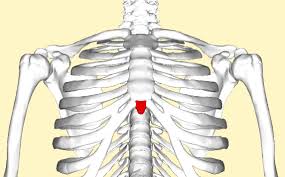
34.

Identify the structure indicated in the image.

a)

manubrium

b)

body of sternum

c)

xiphoid process

d)

rib cage

35.

identify the skeletal bone in the picture that is highlighted green and blue; also known as the breastbone

a)

clavilce

b)

Sternum

c)

Rib Cage

d)

verterbrae

36.
Bones of the thoracic cavity that articulate directly to the sternum and vertebrae
a)
true ribs
b)
false ribs
c)
floating ribs
d)
strong ribs
37.

Identify the structure indicated in the image.

a)

manubrium

b)

body of sternum

c)

xiphoid process

d)

rib cage

e)

sternum

38.

Ribs that are not connected to the sternum are called

a)

true ribs

b)

false ribs

c)

floating ribs

d)

suprasternal ribs

39.

The cartilage that connects ribs to the sternum is known as

a)

fibrocartilage discs

b)

costal cartilage

c)

elastic cartilage

d)

dense regular connective tissue

40.

Ribs _________ are known as false ribs and floating ribs

a)

1-7

b)

8-12

c)

1-12

d)

11-12

41.

What bone is highlighted?

a)

Skull (Mandible)

b)

Clavicle

c)

Mandible

d)

Scapula

42.

What bone is highlighted?

a)

Radius

b)

Ulna

c)

Humerus

d)

Carpals

43.

What bone is highlighted?

a)

Radius

b)

Ulna

c)

Humerus

d)

Carpals

44.

What bone is highlighted?

a)

Radius

b)

Ulna

c)

Humerus

d)

Carpals

45.

What bone is highlighted?

a)

Radius

b)

Ulna

c)

Humerus

d)

Carpals

46.

Which 3 bones make up the shoulder complex?

a)

Tibia, Humerus, Ulna

b)

Humerus, Scapula, Clavicle

c)

Clavicle, Ulna, Humerus

d)

Scapula, Humerus, Sternum

47.

What bone is also known as the shoulder blade or the wing bone?

a)

humerus

b)

clavicle

c)

scapula

d)

sternum

48.

#7

a)

Lunate

b)

Hamate

c)

Triquetrum

d)

Scaphoid

49.

#2

a)

Metacarpals

b)

Carpals

c)

Phalanges

d)

Tarsals

50.

#5

a)

Triquetrum

b)

Pisiform

c)

Trapezium

d)

Scaphoid

51.

Which bones make up the wrist and hand?

a)

Tarsals

b)

Metacarpals

c)

Metatarsals

d)

Carpals

52.

What is the section of the hand highlighted in red?

a)

Phalanges

b)

Meta-Tarsals

c)

Meta-Carpals

d)

Cranium

53.
Which carpal bone can you only see by looking at the anterior surface of the wrist?
a)
capitate
b)
trapezoid
c)
pisiform
54.

What are your phalanges? Check all that apply.

a)

toes

b)

ribs

c)

spine

d)

fingers

55.

What are your wrist bones called?

a)

metacarpals

b)

carpals

c)

tarsals

d)

metatarsals

56.

How many total phalanges (bones) in the hand? (on 1 hand)

a)

4

b)

14

c)

24

d)

12

57.
WHAT IS #6
a)
SCAPHOID
b)
LUNATE
c)
TRIQUETRUM
d)
PISIFORM
58.
WHAT IS #5
a)
SCAPHOID
b)
LUNATE
c)
TRIQUETRUM
d)
PISIFORM
59.
WHAT IS #12
a)
TRAPEZIUM
b)
TRAPEZOID
c)
CAPITATE
d)
HAMATE
60.

What bones make up the 'hip bone'?

a)

right and left coxal bones, sacrum

b)

sacrum, femur

c)

ilium, ischium, pubis

d)

anterior superior iliac spine, tubercle of iliac crest

61.

The function of the acetabulum is to form the articulation between...

a)

the upper limb and pectoral girdle

b)

the lower limb and pelvic girdle

c)

the upper limb and pelvic girdle

d)

the lower limb and pectoral girdle

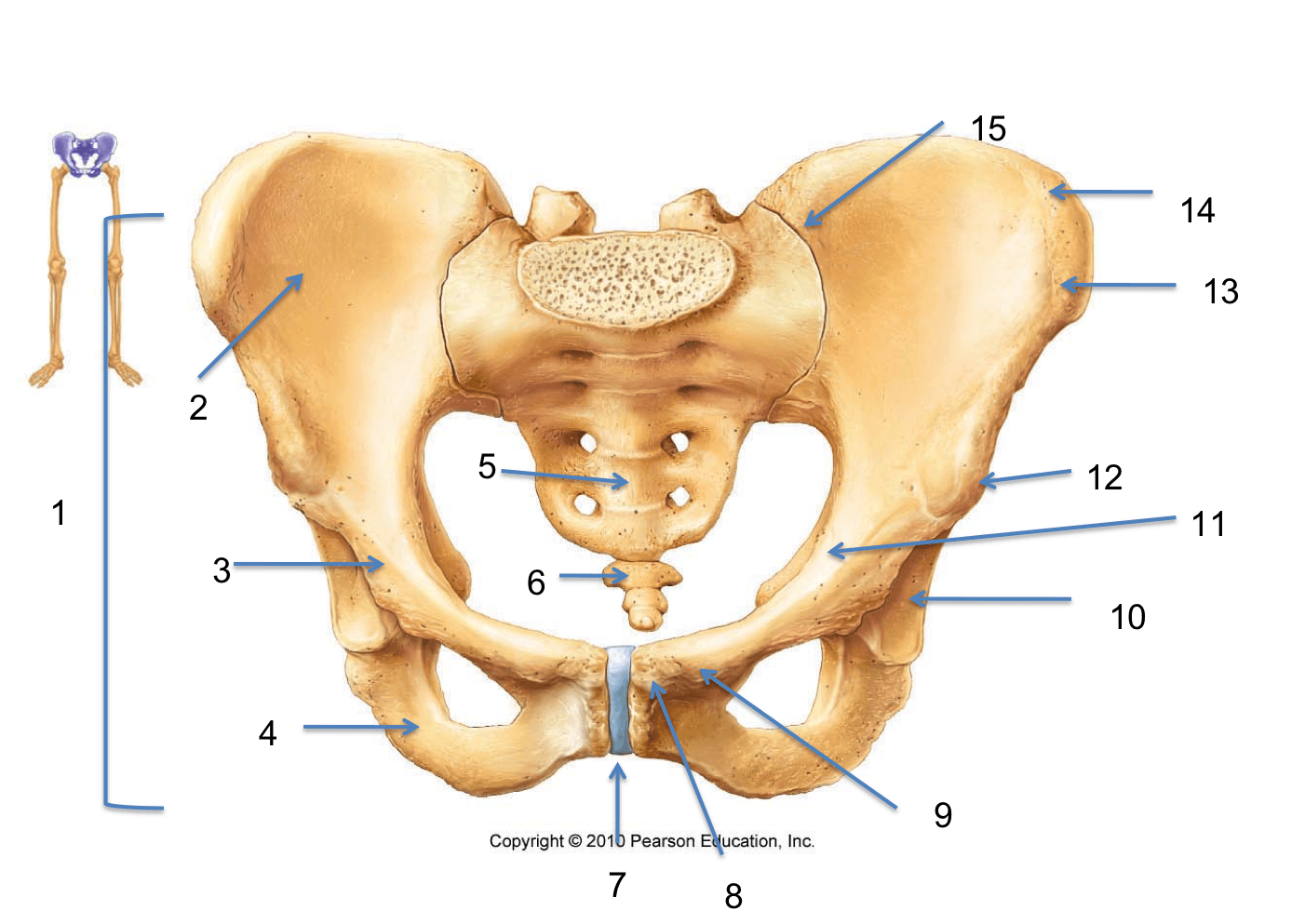
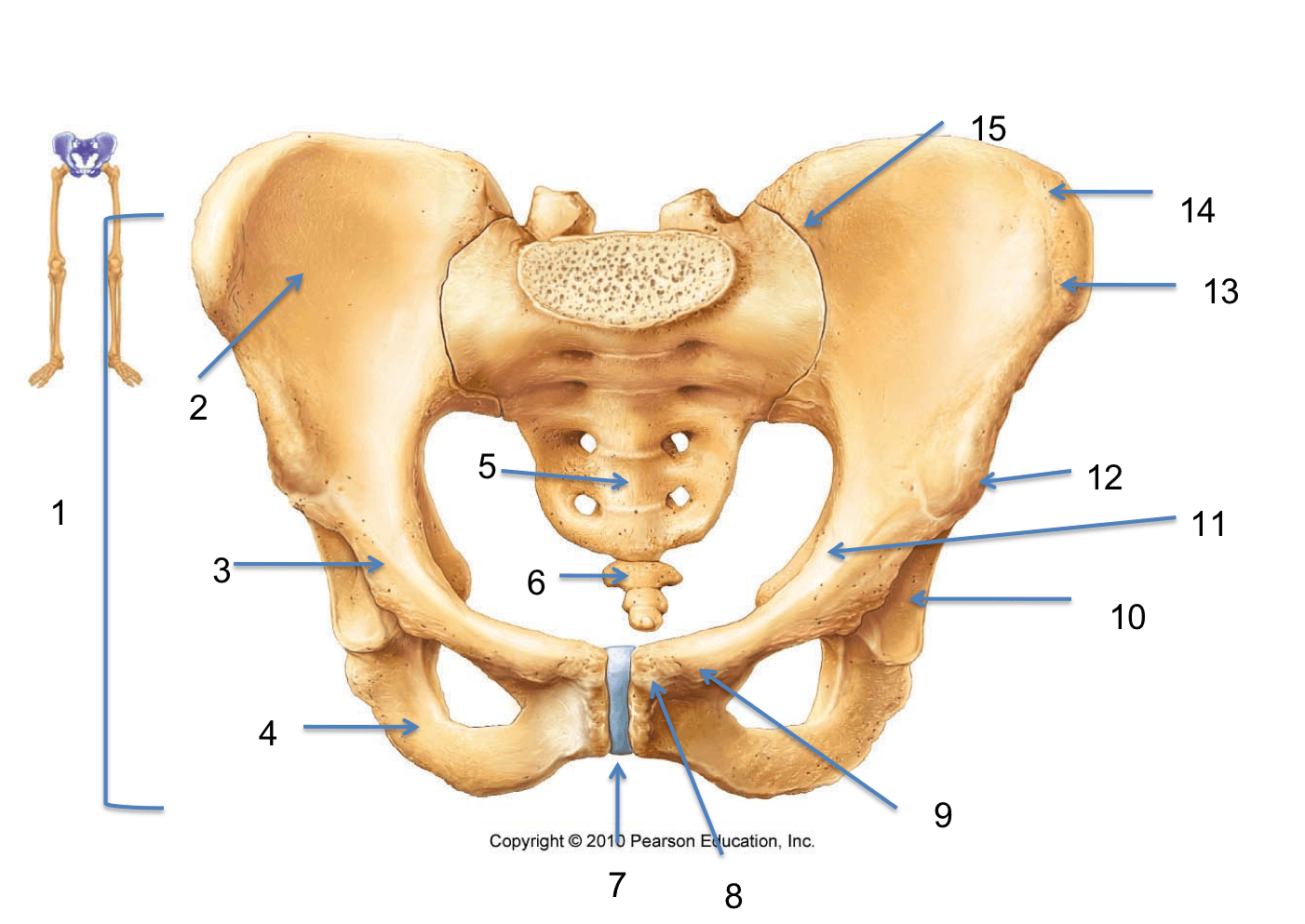
62.

What bone is #2?

a)

ilium

b)

ischium

c)

pubis

d)

pelvis

63.

What is #3?

a)

ilium

b)

ischium

c)

pubis

d)

pelvis

64.

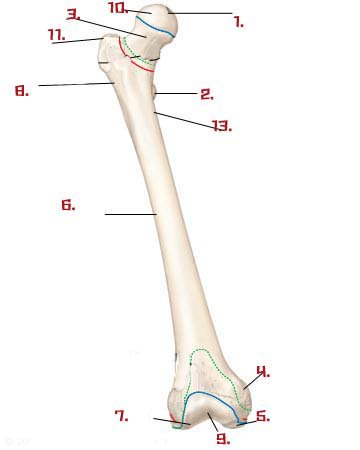
What is #10?

a)

head of femur

b)

neck of femur

c)

medial condyle of femur

d)

greater trochanter

65.

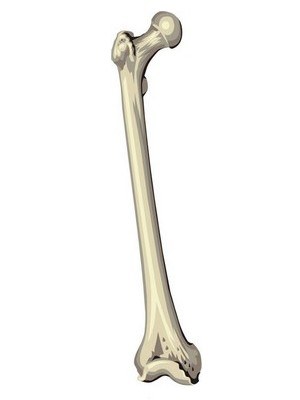
What bone is this?

a)

femur

b)

tibia

c)

fibula

d)

patella

66.

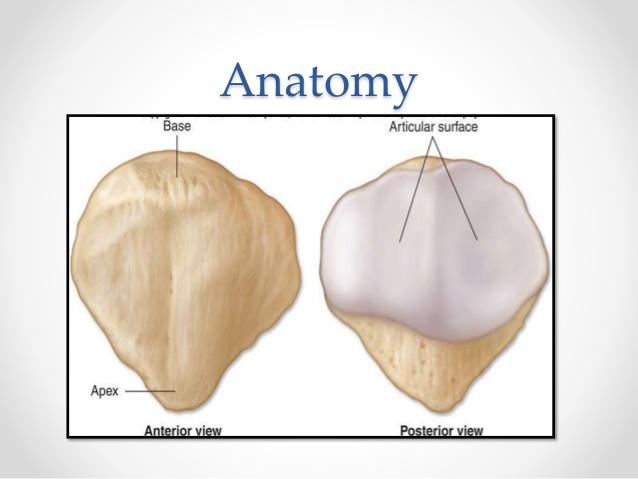
What bone is this?

a)

femur

b)

pelvis

c)

patella

d)

fibula

67.
2
a)
Tarsals
b)
Metatarsals
c)
Carpals
d)
Metacarpals
68.
1
a)
Tarsals
b)
Metatarsals
c)
Carpals
d)
Metacarpals
69.

6

a)

Lateral Cuneiform

b)

Medial Cuneiform

c)

Intermediate Cuneiform

d)

Trouble Cuneiform

70.
10
a)
Calcaneus
b)
Cuboid
c)
Navicular
d)
Cuboid
71.
What is the biggest bone in your body?
a)
fibula
b)
humerus
c)
pelvis
d)
femur
72.
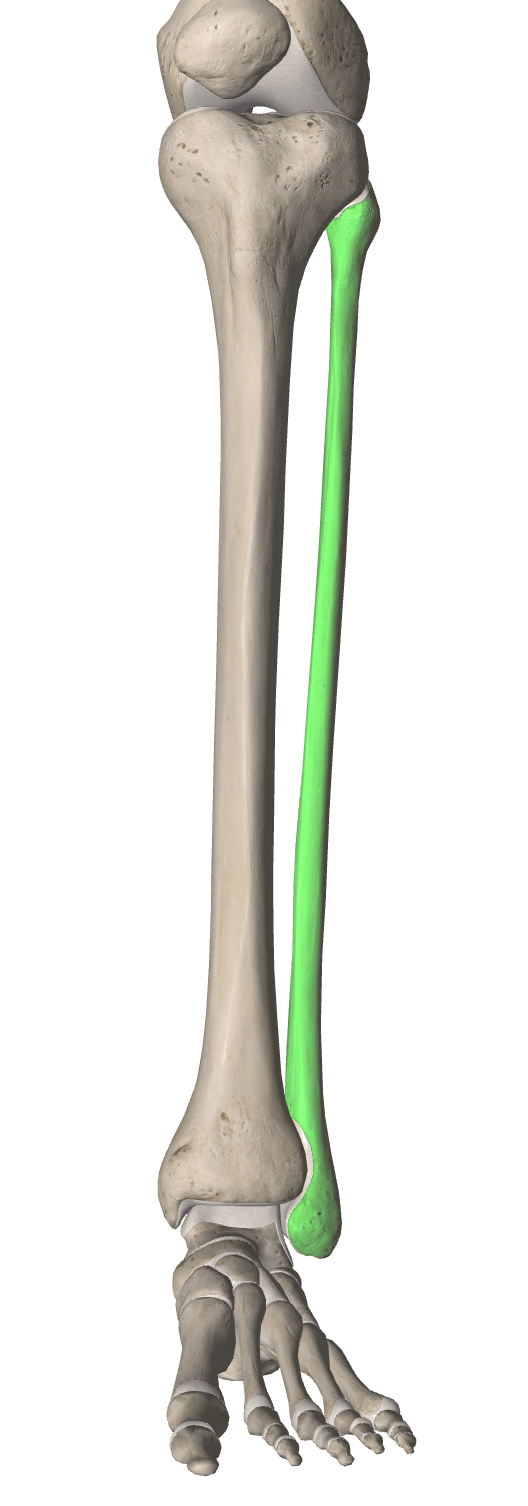
Name the bone shown in green.
a)
Femur
b)
Tibia
c)
Patella 
d)
Fibula
73.

Name the bone shown in green.

a)

Femur

b)

Tibia

c)

Patella

d)

Fibula

74.
What bone is 3?
a)
Navicular
b)
Talus
c)
Calcaneus 
d)
Cuboid
75.
What bone is 7?
a)
Navicular
b)
Calcaneus
c)
Cuboid
d)
Lateral Cuneiform
76.
What bone is 6?
a)
Lateral Cuneiform
b)
Medial Cuneiform
c)
Cuboid
d)
Intermediate Cuneiform
77.
What bone is 6?
a)
Lateral Cuneiform
b)
Medial Cuneiform
c)
Cuboid
d)
Intermediate Cuneiform
78.

Which bone is highlighted?

a)

Clavicle

b)

Sacrum

c)

Tibia

d)

Mandible

79.

Which bone is highlighted?

a)

Clavicle

b)

Sacrum

c)

Tibia

d)

Mandible

80.
Largest and most superior section of the coxal bone; flares forming the prominence of the hip
a)
ilium 
b)
ischium 
c)
pubus
d)
iliac crest 
81.
opening within each coxal bone 
a)
femur
b)
obturator foramen 
c)
patella 
d)
ischium 
82.
Shin bone; medial bone of lower leg; 
a)
tibia 
b)
femur
c)
fibula
d)
patella