wayground logo

Free Printable Worksheets

Font size

S
M
L
XL
Worksheets

Asexual v Sexual

Total questions: 82

Worksheet time: 21hrs 30mins

Name
Class
Date
1.
How many parents does asexual reproduction involve?
a)
one 
b)
two
c)
three
d)
four
2.
The offspring from asexually reproduced organisms are?
a)
Different than their parents
b)
Identical to parents
c)
Like a combination from both parents
d)
A different species
3.
If two organisms reproduce sexually, then their offspring will exhibit a genetic makeup that is -
a)
identical to only one parent
b)
identical to all of its siblings
c)
a unique combination of traits
d)
the recessive traits of each parent
4.
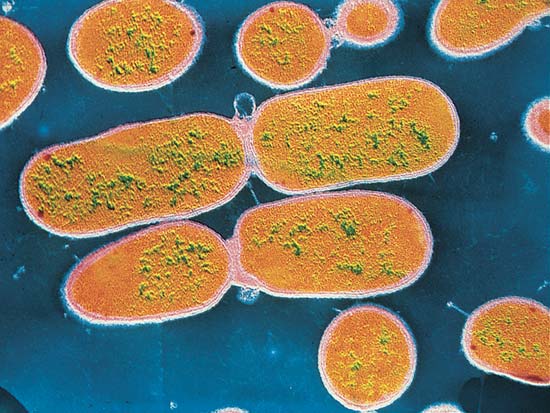
Prokaryotes (bacteria) reproduce asexually via -
a)
spore formation
b)
bud creation
c)
vegetative propagation
d)
binary fission
5.
Provided is a table of organisms and some data on their characteristics. Based on the information in the table, which organism is likely to produce offspring with the greatest genetic diversity?
a)
Black mold
b)
Bell tree dahlia
c)
Spruce
d)
Hydra
6.
All of the offspring of an organism have the same genetic material, which is identical to the parent organism. From this, we can conclude that this organism -
a)
makes its own food
b)
is unicellular
c)
live in a marine habitat
d)
reproduces asexually
7.
When comparing the offspring of sexually and asexually reproducing organisms, we would expect the genetic material (DNA) of the sexually reproducing organism to -
a)
contain fewer mutations
b)
be lesser in quantity
c)
be simpler overall
d)
show more variation
8.
The genetic material of an offspring of sexually reproducing organisms is best described as–
a)
identical to that of the other offspring
b)
a copy of the genetic material of the mother
c)
a copy of the genetic material of the father
d)
genes from both parents, in unique combinations
9.
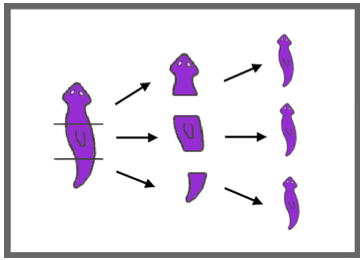
Fishermen work hard to catch and remove all the starfish that get into their “underwater farms” where they raise clams & oysters. In the past, they put the starfish into their boats, cut them up with knives, and then throw the pieces of starfish overboard. They thought this would kill the starfish. What they did not know was that each piece of starfish will grow into a whole new animal. What type of asexual reproduction is taking place?
a)
Regeneration
b)
Vegetative propagation
c)
Budding
d)
Fission
10.
This is when a new organism grows by cell division on the body of its parent. The bud, or offspring is identical to the parent. The bud, when large enough, can break off of the parent and live on its own.  Examples of this include yeast, hydra and potatoes.
 
a)
Regeneration
b)
Vegetative propagation
c)
Fission
d)
Budding
11.
The male typically deposits a spermatophore on the ground or in the water and the female picks this up.  The female salamander then lays its eggs on a stick or rock near water or on land.   There are several different species of salamanders with different colorful patterns.
Which type of reproduction is taking place?
a)
Asexual reproduction with uniform offspring
b)
Sexual reproduction with diverse offspring
c)
Asexual reproduction with diverse offspring
d)
Sexual reproduction with uniform offspring
12.

Asexual reproduction like mitosis produces

a)

Two offspring cells with the same genetic material as the parent cell.

b)

Two offspring cells with half genetic material as the parent cell.

c)

Four offspring cells with the same genetic material as the parent cell.

d)

Four offspring cells with half the genetic material as the parent cell.

13.

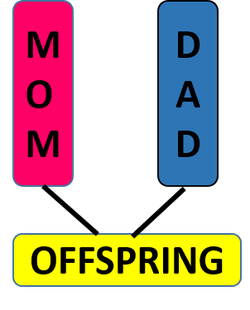
A mode of reproduction in which an organism arises from two organisms and inherits half of its DNA from each parent

a)

Sexual Reproduction

b)

Asexual Reproduction

c)

Cloning

d)

Fragmentation

14.

Requires two parents

a)

sexual

b)

asexual

15.

Requires only one parent

a)

sexual

b)

asexual

16.

In sexual reproduction the male produces ___ cells.

a)

Malex

b)

Quack

c)

Egg

d)

Sperm

17.
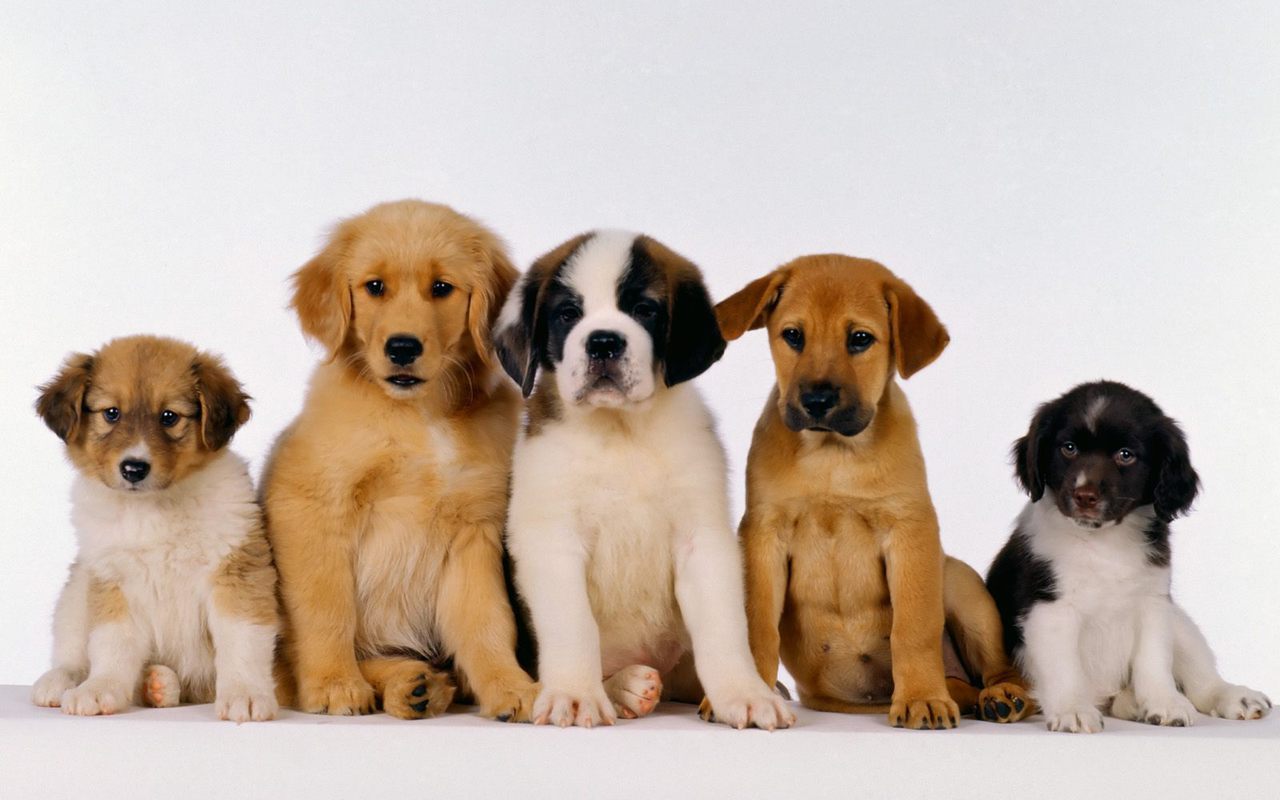
2 dogs reproduce, 2 sex cells join together & form offspring. The resulting offspring is likely
a)
to express only recessive traits
b)
to be identical to ONE parent
c)
to share some traits from BOTH of its parents
18.
Which of the following describes the main advantages of sexual reproduction
a)
requires lots of time/energy
b)
no new gene combos can arise 
c)
diversity
d)
looks identical to the parent
19.
Which reproduction requires a mate?
a)
asexual
b)
sexual
c)
neither
20.
Passes genetic information
onto future generations
a)
sexual reproduction
b)
asexual reproduction
c)
both
21.
In general, asexual reproduction is used by _______ organisms.
a)
simple
b)
extinct
c)
complex
22.

A sperm and an egg join together in a process called

a)

mitosis

b)

meiosis

c)

fertilization

d)

fission

23.

___________ reproduction has the advantage of increasing genetic variation.

a)

Sexual

b)

Asexual

c)

Fission

d)

Budding

24.

Sex cells are produced by _____________.

a)

photosynthesis

b)

zygotes

c)

meiosis

d)

mitosis

25.

The organism produced during reproduction is called a(n) _____________.

a)

child

b)

growth

c)

offspring

d)

baby

26.

Organisms produced by asexual reproduction are genetically different from the parent organism.

a)

False

b)

True

27.

In asexual reproduction, two parents each contribute a sex cell to the new organism.

a)

True

b)

False

28.

An advantage of asexual reproduction is that favorable traits from the parent is passed on to the offspring.

a)

True

b)

False

29.

Sex cells have ____________ of the DNA found in body cells.

a)

all

b)

none

c)

half

d)

a little bit

30.

Budding is a form of sexual reproduction.

a)

False

b)

True

31.
How many parent(s) are needed for asexual reproduction?
a)
4
b)
1
c)
9
d)
100
32.
Which process is considered to be faster? 
a)
Asexual
b)
Sexual 
33.
How are genetic traits passed down from generation to generation?
a)
Chromosomes
b)
Reproduction
c)
DNA
d)
Genes
34.
The passing of physical characteristics from parent to offspring is called:
a)
Heredity
b)
Chromosome
c)
Genetics
d)
Chemistry
35.
Baker’s yeast is a tiny, single-celled fungus that makes bread dough rise and converts sugars in alcohol. This yeast reproduces by budding. As the small bud grows, it receives a copy of the parent’s nucleus. When the bud pinches off, the new cell is smaller than the parent cell but genetically identical  What type of reproduction is this?
a)
Asexual
b)
Sexual
36.
Redwood trees are the tallest and largest trees in the world. Like other conifer trees, the trees bear male and female cones that rely on the wind for pollination. What kind of reproduction is this?
a)
Asexual
b)
Sexual
37.
When comparing the offspring of sexually and asexually reproducing organisms, we would expect the genetic material (DNA) of the sexually reproducing organism to -
a)
contain fewer mutations
b)
be lesser in quantity
c)
be simpler overall
d)
show more variation
38.
What are some of the facts about asexual reproduction?
a)
Takes only one mate to reproduce and takes a longer time to reproduce
b)
Takes a shorter amount of time to reproduce and it takes two mates to reproduce
c)
Reproduces diverse offspring and takes a longer time to reproduce
d)
Takes only one mate to reproduce and takes a shorter time to reproduce
39.
In asexual reproduction, all of the offspring are:
a)
Physically Identical
b)
Genetically Identical
c)
The same age
d)
Not Identical
40.
What is one disadvantage for asexual reproduction?
a)
Happens very quickly
b)
Only needs one parent
c)
Lack of genetic diversity
d)
All offspring are exact copies of parent
41.
The offspring from asexually reproduced organisms are?
a)
Different than their parents
b)
Genetically identical to parent
c)
Like a combination from both parents
d)
A different species
42.
Where is all the genetic material inside a cell?
a)
nucleus
b)
vacuole
c)
cell membrane
d)
ribosome
43.
What is an advantage of sexual reproduction?
a)
Higher chance of adapting or evolving over time
b)
Only needs one parent
c)
Happens very quickly and easily 
d)
Produces many offspring
44.
Which type(s) of reproduction involves NO genetic diversity?
a)
asexual
b)
sexual
c)
both
d)
neither
45.
 A white cat had a litter of kittens that were orange, grey, and black and white spotted. Is this the result of sexual or asexual reproduction? And how would you characterize the offspring listed above?
a)
Sexual reproduction with uniform offspring
b)
Asexual reproduction with diverse offspring
c)
Sexual reproduction with diverse offspring
d)
Asexual reproduction with uniform offspring
46.
Which type of offspring come from two parents?
a)
All offsprings
b)
Uniform offspring
c)
Asexual reproduction
d)
Diverse offspring
47.
What are some of the facts about sexual reproduction?
a)
Takes two mates to reproduce and takes a longer time to reproduce
b)
Takes one mate to reproduce and takes a shorter amount of time to reproduce
c)
Takes two mates to reproduce and takes a shorter amount of time to reproduce
d)
Takes one mate to reproduce and takes a shorter amount of time to reproduce
48.
Asexual reproduction can reproduce which offspring?
a)
Diverse offspring
b)
Both diverse and uniform offspring
c)
Uniform offspring
d)
Asexual offspring
49.
Why does diverse offspring look similar to its parents and uniform looks identical to its parent?
a)
Diverse offspring inherits DNA from one parent, making it look similar to its parents and uniform offspring inherits different parts of DNA, making it look identical to its parents
b)
Diverse offspring inherits different parts of DNA, making it look similar to its parents and uniform offspring gets DNA from one parents making it look identical
c)
Diverse offspring inherits a little amount of DNA, making it look similar to its parents and uniform offspring inherits a lot of DNA, making it look identical to its parent
d)
Diverse offspring inherits a lot of DNA, making it look similar to its parents and uniform offspring inherits a little amount of DNA, making it look identical to its parent
50.
Which of the following is a disadvantage for sexual reproduction?
a)
a lot of time and energy is required for making gametes and finding mates
b)
offspring can be produced more quickly than by asexual means
c)
the genetic diversity makes organisms respond differently to environmental changes
d)
the offspring are genetically different
51.
An asexual offspring needs: 
a)
Fertilization
b)
Some fertilization
c)
Wings to fly
d)
No fertilization 
52.
Is budding an example of asexual or sexual reproduction?
a)
sexual
b)
both
c)
asexual
d)
neither
53.
A type of reproduction in which the genetic materials from two different cells combine, producing an offspring 
a)
Asexual Reproduction
b)
Sexual Reproduction
54.
What is an advantage of sexual reproduction?
a)
Allows genetic variation
b)
Only needs one parent
c)
Happens very quickly
d)
Offspring are exact copies of parent
55.
When a starfish grows a new body off a broken arm, what kind of reproduction is this?
a)
Sexual
b)
Differentiation
c)
Asexual 
d)
Specialization
56.
Sexual reproduction requires _____ parents and asexual reproduction requires ___ parents
a)
1,1
b)
2,2
c)
2,1
d)
1,2 
57.
If an environment suddenly changes, which type of reproduction would be most beneficial? Why?
a)
Asexual, because asexual organisms always have variation within species.
b)
Sexual, because sexual organisms have variation within species.
c)
Both Asexual and Sexual reproduction would be beneficial, because they both have variation within species.
d)
Asexual, because asexual organisms have no variation, so they can adapt to a changing environment.
58.
Organism produces offspring without fertilization 
a)
Sexual Reproduction 
b)
Asexual Reproduction 
59.

Type of reproduction that as the greatest chance of NOT surviving a disaster.

a)

asexual

b)

sexual

c)

monolinguistic

d)

polygenic

60.

Type of reproduction that as the greatest chance of surviving a disaster.

a)

asexual

b)

sexual

c)

monolinguistic

d)

polygenic

61.

Which type of reproduction causes bacteria of a species to have the exact same DNA as each other?

a)

asexual

b)

sexual

c)

monopolistic

d)

linguistic

62.

Which type of reproduction causes members of a species to look different from each other?

a)

asexual

b)

sexual

c)

monopolistic

d)

linguistic

63.

Look closely at the runners coming off of this spider plant. Which type of reproduction are they starting?

a)

Asexual

b)

Sexual

c)

Monopolostic

d)

Polypgenetic

64.

If the runner plants of this spider plant are planted in soil and grow, how close will their DNA be to the parent plant?

a)

The same

b)

Mostly different

c)

A mix of two plants

65.

Which type of reproduction is true for this organism?

a)

Asexual

b)

Sexual

c)

Monochromatic

d)

Polymorphic

66.

Which type of reproduction is true for this organism?

a)

Asexual

b)

Sexual

c)

Monotonic

d)

Polytonic

67.

Which is true about the offspring of asexual reproduction?

a)

They may look the same but are not genetically identical to the parent.

b)

Meiosis occurred.

c)

They are genetically identical to the parent.

d)

They have different genetic information but look identical.

68.

Which of the following is NOT a type of ASEXUAL reproduction?

a)

Budding

b)

Regeneration

c)

Cloning

d)

A flower being pollinated

69.

Which type of reproduction takes the shortest amount of time?

a)

Asexual

b)

Sexual

c)

Monopolistic

d)

Bilingual

70.

Identify the type of asexual reproduction shown in the image.

a)

vegetative propogation

b)

cloning

c)

binary fision

d)

budding

71.

Identify the type of asexual reproduction shown in the image.

a)

vegetative propogation

b)

cloning

c)

binary fision

d)

budding

72.

Amoeba use mitosis and produce two offspring that are identical to the parent. This is an example of...

a)

budding.

b)

binary fission.

c)

regeneration.

d)

parthenogenesis.

73.

What do you call the female sex cell?

a)

egg cell

b)

sperm cell

c)

diploid

d)

haploid

74.
1 parent
a)
Sexual
b)
Asexual
c)
Both
d)
Neither
75.
2 parent
a)
Sexual
b)
Asexual
c)
Both
d)
Neither
76.
Diverse offspring
a)
Sexual
b)
Asexual
c)
Both
d)
Neither
77.
Diverse offspring
a)
Sexual
b)
Asexual
c)
Both
d)
Neither
78.
Hydra uses budding
a)
Sexual
b)
Asexual
c)
Both
d)
Neither
79.
Cannot adapt
a)
Sexual
b)
Asexual
c)
Both
d)
Neither
80.
Type of Reproduction
a)
Sexual
b)
Asexual
c)
Both
d)
Neither
81.
Can adapt
a)
Sexual
b)
Asexual
c)
Both
d)
Neither
82.
Pass on traits from parent to offspring
a)
Sexual
b)
Asexual
c)
Both
d)
Neither