
 Worksheets
IGCSE CHEMISTRY: ORGANIC CHEMISTRY
Total questions: 114
Worksheet time: 1hrs 18mins

What is this process called?
Distillation
Fractional Distillation
Reverse Distillation
Destructive Distillation

This process is based of the fact that all compounds being separated have
A boiling point
Same boiling points
Different boiling points
No boiling points

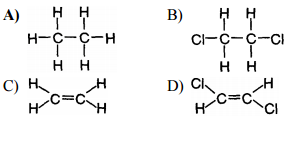

What chemical is this? (C5H10)
Pentene
Pentane
Hexane
Heptene
Complete the equation C16H34 ---> __________ + C2H4
C16H34
C2H30
C10H20
C14H30
When testing for alkenes (unsaturation) bromine water turns from...
orange --> blue/black
colourless --> pink
orange --> colourless
orange --> clear
Alkenes have the general formula:
CnH2n
CnH2n+1
CnH2n+2
CnHn
Alkanes have the general formula:
CnH2n
CnH2n+1
CnH2n+2
CnHn
Compounds that are composed of the same number and type of atoms but have them arranged in different ways are ___________.
isomers
isotopes
polymers
alkanes
Fill in the blank:
What are the Reactants of the combustion reaction?
_______ + _______ --> CO2 + H2O + Energy
Carbon Dioxide (CO2) + Water (H2O)
Fuel (C2H6) + Oxygen (O2)
Carbon Dioxide (CO2) + Oxygen (O2)
Fuel (C2H6) + Water (H2O)

Fuel for ships and lorries
kerosene
petrol
bitumen
fuel oil
For surfacing roads and roofs
petrol
bitumen
fuel oil
kerosene
Oil fraction with the longest molecules
refinery gases
bitumen
oil fuel
diesel
Oil fraction with the shortest molecules
refinery gases
bitumen
oil fuel
diesel
Oil fraction with the highest boiling point
refinery gases
bitumen
oil fuel
diesel
Oil fraction with the lowest boiling point
refinery gases
bitumen
oil fuel
diesel
The most viscous oil fraction
fuel oil
diesel
bitumen
kerosene
The darkest oil fraction
fuel oil
diesel
bitumen
kerosene
Saturated hydrocarbon
no carbon-carbon double bonds
at least one carbon-carbon double bond
You add bromine water to a saturated hydrocarbon. The bromine water:
stays the same (remains orange/brown)
goes colourless
You add bromine water to an unsaturated hydrocarbon. The bromine water:
stays the same (remains orange/brown)
goes colourless
CH4 + 2O2 --> CO2 + 2H2O
complete combustion
incomplete combustion
CH4 + O2 --> CO + 2H2O
complete combustion
incomplete combustion
When plenty of oxygen is available
complete combustion
incomplete combustion
Carbon monoxide is a colourless, odourless toxic gas. It
is poisonous because it reduces the capacity of blood to
transport:
carbon dioxide
nitrogen
oxygen
water vapour
What is a polymer?
a very light material that is highly flammable
a fossil fuel
a large molecule made from many monomers joined together
a molecule made up of only polar bonds
One of the main disadvantages of plastic is
its non-biodegradability
its high availability
that its cheap
that its durable
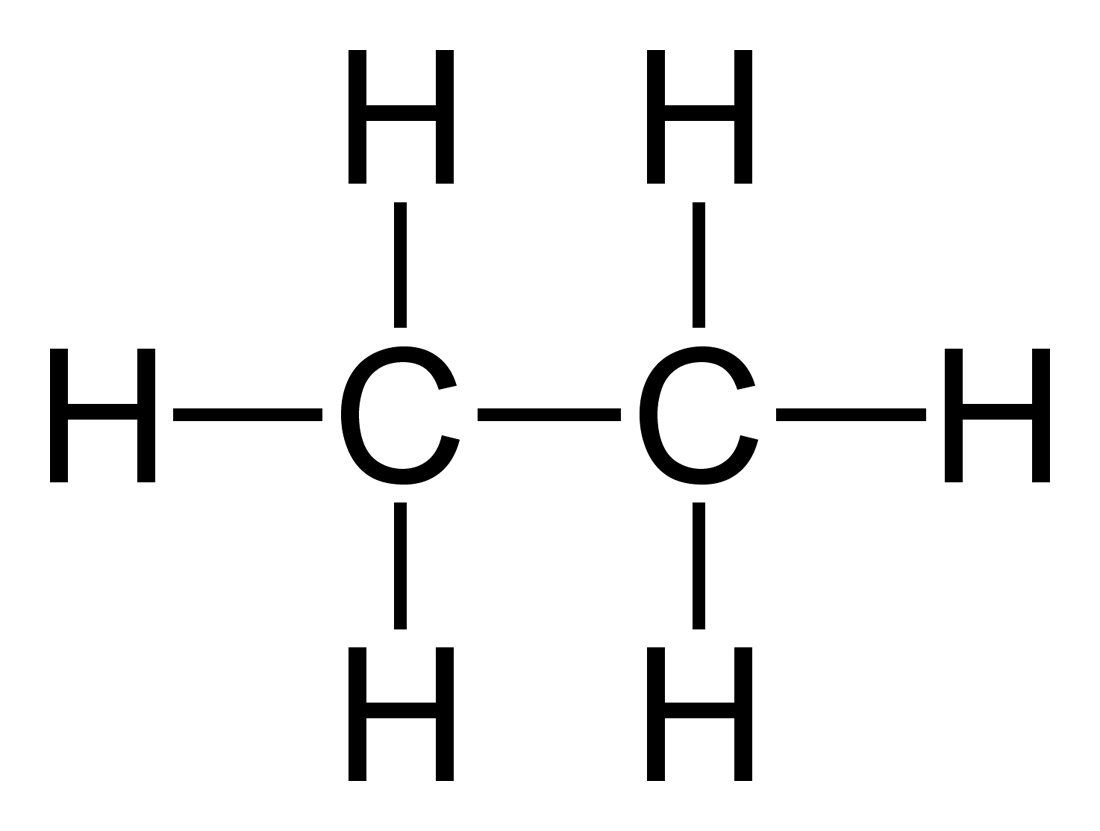
What term describes alkene molecules that contain a C=C double bond?
saturated
unsaturated
Molecules collected at the bottom of the fractionating column tend to be...
more viscous, less flammable and less volatile
less viscous, more flammable and more volatile
more viscous, more flammable and less volatile
less viscous, less flammable and more volatile
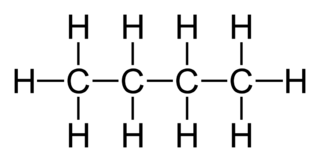
What type of formula is represented in this picture?
molecular formula
displayed formula
structural formula
CH3CH2CH2CH3
molecular formula
displayed formula
structural formula
What is the molecular formula of the hydrocarbon in the picture?
C4H10
CH3CH2CH2CH3
C4H8
What is the structural formula of the hydrocarbon in the picture?
C4H10
CH3CH2CH2CH3
C4H8

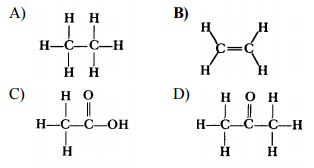
Which letter/letters represent unsaturated hydrocarbons?
A
B
C
E
F
Which letter would turn bromine water colourless?
A
B
C
D
F
Which letter represents propane?
A
B
C
D
F
Which letter represents propene?
A
B
C
D
F

Which number represents polymerisation?
1
2
3
4
Process 4 is called
cracking
fractional distillation
polymerisation
combustion
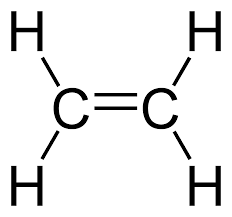
Ethene is an unsaturated hydrocarbon. What is the molecular formula of ethene?
CH4
C2H4
C3H6
C4H8
What is a functional group?
Group of atoms that give specific characteristics to a molecule
Group of molecules that give specific characteristics to an atom
Group of molecules that make up a group of atoms
Group of atoms that give specific characteristics to an element
What functional group is -OH
Hydroxyl
Carboxyl
Amino
Carbonyl Ketone


Classify the compound based on the functional group present.
aldehyde
ketone
alcohol
carboxyl

Identify the functional groups present in this compound.
amine
amide
ether
ester
Large molecules made up of small monomers are called
polymers
monomer
allotrope
functional group
Small molecules that make up larger molecules
polymer
monomer
allotrope
functional group
Which type of polymerisation uses only one monomer?
addition polymerisation
condensation polymerisation
Which type of polymerisation uses two different monomers, both contain a functional group at each end?
addition polymerisation
condensation polymerisation
What is made when a dicarboxylic acid reacts with a diol?
a polyamide
a polyester
an evaporation polymer
a condensation polymer

-COOH is the functional group for...
alcohols
esters
carboxylic acids
amides

-COO is the functional group for...
alcohols
esters
carboxylic acids
amides

-OH is the functional group for...
alcohols
esters
carboxylic acids
amides
An alcohol can be __________________ to form a carboxylic acid
oxidised
reduced
polymerised
broken down
Acidified potassium dichromate is an example of...
an alkali
a reducing agent
a fuel
an oxidising agent

Name this carboxylic acid
ethanoic acid
prpoanoic acid
butyl butanoate
butanoic acid

Name this ester
ethyl ethanoate
propyl ethanoate
methyl ethanoate
ethyl methanoate
What catalyst is used in making esters?
sodium hydroxide
iron
sulfuric acid
lithium oxide
alkene + ? --> alcohol
hydrogen
oxygen
water
carbon dioixde
alcohol + ? --> carboxylic acid
hydrogen
oxygen (oxidising agent)
water
carbon dioixde
carboxylic acid + ? --> ester
water
alkene
alcohol
alkane

Name the polymer formed from this monomer
chloroethene
chloroethane
dichloroethene
dichloroethane

Name the monomer that forms this polymer
ethane
ethanol
ethene
methene

True or false? A catalyst is required for the hydration of ethene.
True
False
C3H8

Hydrocarbons burning is an example of what type of chemical reaction ?
neutralisation
endothermic
addition
exothermic
C5H12 + Br2 --> C5H11Br + HBr
This reaction is called____________________.
Substitution
Addition
Cracking
Combustion
What is the general formula for an alcohol?
CnH2nOH
CnH2n+1OH
CnH2n+2OH
Which is the correct structural formula for ethanol?

C2H5OH
CH3CH2OH
C2H6O
Which diagram shows the displayed formula for propanol?


CH3CH2CH2OH
C3H7OH
Select the best conditions for fermentation of glucose:
20oC with yeast, in an open flask
20oC with yeast, in a flask with a valve attached
30oC with yeast, in an open flask
30oC with yeast, in a flask with a valve attached
What is made when ethanoic acid reacts with sodium hydroxide?
sodium chloride and water
sodium ethanoate
sodium ethanoate and carbon dioxide
sodium ethanoate and water
What is the name of the ester formed when methanoic acid reacts with propanol?
Methyl propanoate
Propyl methanoate
Methanoic propylate
Not enough information to answer the question
An ester that smells of pineapple is ethyl hexanoate. What is the name of the alcohol is needed to make this ester?
Ethanol
Hexanol
Not enough information to answer the question.
Give the IUPAC name of this molecular formula C6H14
Hexane
Hexanol
Hexanoic Acid
Hexanal
When the HBr is added to propene the product/ products formed is/are
2-bromopropane
Propanamine
1- bromopropane
2-bromopropane and 1- bromopropane
Reagent needed to change an alcohol to an alkene
concentrated H2SO4
KOH (alc)
water/dilute H2SO4
Cr2O72-/H+
Which of the following prefixes represents "7"?
prop-
but-
hept-
pent-
Carbon has an atomic number of ____, with _____, valence electrons.
16; 4
4; 2
6; 4
12; 2
molecule with the same molecular structure but different structural formula
fats
lipids
fossil fuels
isomers
the name of this compaund C4H10
METHANE
HEXENE
BUTANOIC ACID
BUTANE
The group made up of alcohols and acids
esters
carbocilic acids
ethers
alkynes

