
 Worksheets
CPA Q3 Exam Review
Total questions: 112
Worksheet time: 3hrs 58mins
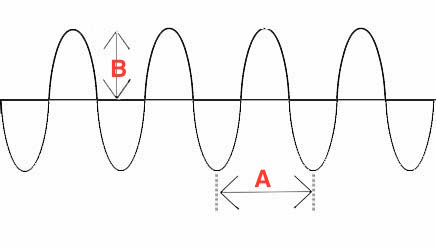
What property of this wave is represented by the letter "A"
amplitude
crest
trough
wavelength
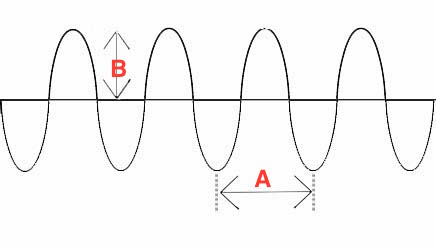
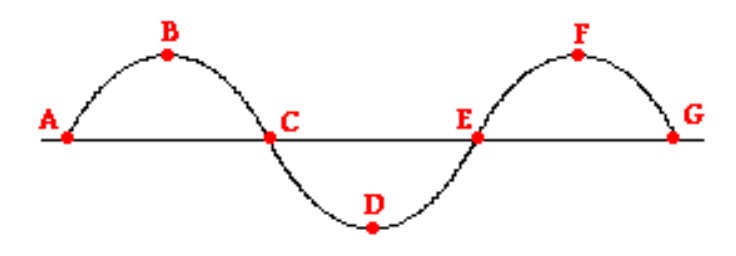
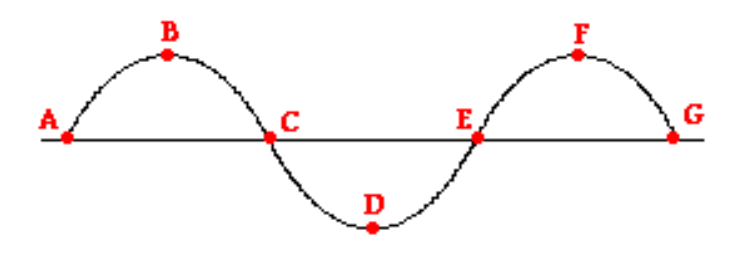
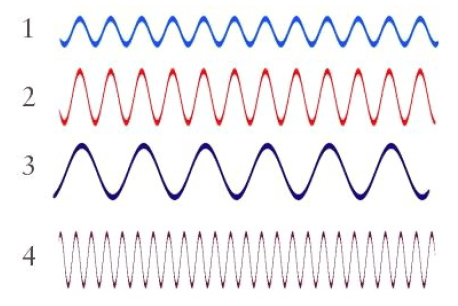
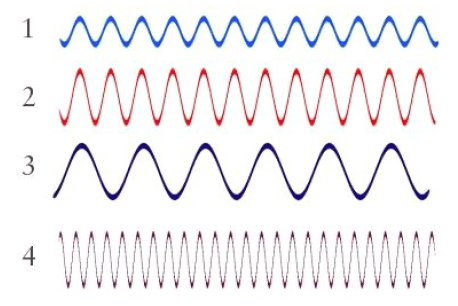
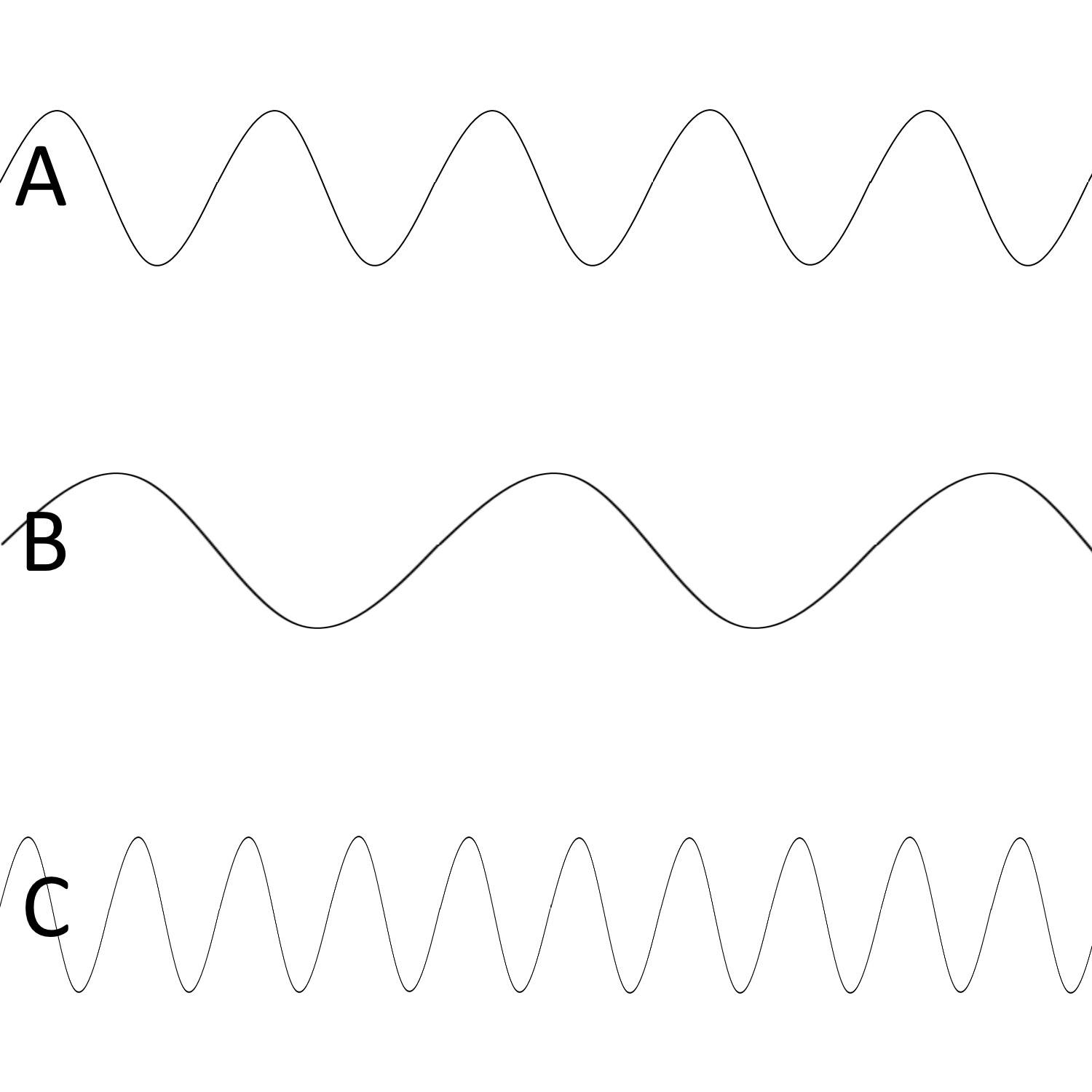
Which wave has the longest wavelength?
A
B
C
None (same wavelength)

What is the relationship between frequency and wavelength?
high frequency --> short wavelength
high frequency --> long wavelength
low frequency --> short wavelength
there is no relationship


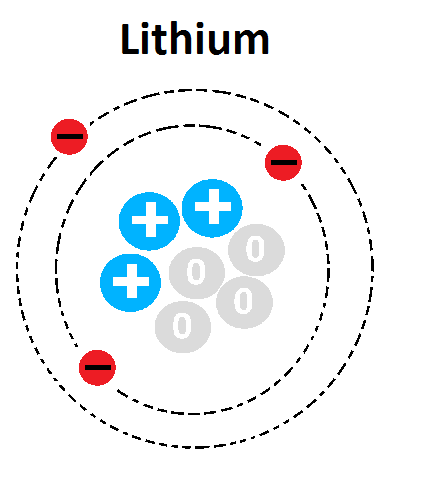
Which is a possible excited state electron configuration for Si?
2-8-4
1-9-4
2-8-8
2-8-3-1
What is the ground state electron configuration of Na?
2-8
2-8-2
2-8-1
11
Which of the following shows an excited state electron configuration?
2-7-1
2-4
2-8-4
2-8-1
What is the maximum number of electrons allowed in the second shell?
1
2
8
3



How is the periodic table organized?
Periods are horizontal and groups are vertical
Periods and groups are horizontal
Periods are vertical and groups are horizontal
Periods and groups are vertical
Which elements have the most similar chemical properties?
K and Na
K and Ca
K and Cl
K and S
In a modern periodic table, elements are arranged in order of?
atomic mass
number of isotopes
atomic number
number of neutrons
How many periods does the periodic table have?
18
7
9
5
Which elements are in the same group or family?
Na and Mg
Na and H
Li and Be
K and Ca
Which elements are in the same period?
F and Cl
N and P
O and S
N and O
Most elements on the periodic table are
gases
metals
liquids
nonmetals
A material is said to be ductile if it
can be shaped
can be pulled into wire
conducts heat
is a mixture of metals and nonmetals
Most nonmetals are
ductile
mallable
lusturous
dull
Elements have similar properties are in the same
group
row
period
none of these
Which group of nonmetals are the LEAST reactive?
group 1
group 17
group 18
group 4
Elements to the right of the zigzag line are most likely
metals
nonmetals
metalloids
quarks
Each period in the periodic table corresponds to __.
a principal energy level
an orbital
an energy sublevel
a suborbital
To what category of elements does an element belong if it is a poor conductor of electricity?
transition elements
nonmetals
metalloids
Metals
How does atomic radius change from left to right across a period in the periodic table?
It tends to decrease.
It first increases, then decreases.
It tends to increase.
It first decreases, then increases.
What element in the second period has the largest atomic radius?
carbon
neon
lithium
potassium
What is the charge of a cation?
a positive charge
no charge
a negative charge
The charge depends on the size of the nucleus

The __________ are touching or bordering the zig-zag 'staircase' on the Periodic Table.
metals
non-metals
metalloids

If an element is in group number 18 you know it is ______. (will not bond because it has a full valence shell of electrons)
reactive
very reactive
stable

The most reactive group of non-metals is group ____.
1
2
17
18

What are these elements called?
Transition metals
Noble gases
Alkali metals
Alkaline metals
Which statement correctly and completely identifies a trend?
Atomic radius decreases across a period and increases down a group.
Atomic radius increases across a period and increases down a group
Ionization energy increases across a period and increases down a group
Ionization energy decreases across a period and decreases down a group
Atomic radius generally increases as we move __________.
down a group and from right to left across a period
up a group and from left to right across a period
down a group and from left to right across a period
up a group and from right to left across a period
What is the trend for reactivity of the alkali metals as one moves down a group?
Reactivity increases
Reactivity decreases
Reactivity is relatively the same for the whole group
Alkali metals are generally unreactive
The reactivity decreases then increases
Which family of elements have 7 valence electrons?
the alkali metal family
the boron group
the nitrogen group
the halogen family

What is the name of the family that is highlighted?
Alkali Metal Family
Halogen Family
Noble Gas Family
Transition Metal Family
Which family of elements is characterized by having 2 valence electrons?
Alkali metals
Alkaline earth metals
Halogens
Noble gases
Which family of elements is known for forming salts when combined with metals?
Noble gases
Halogens
Alkali metals
Alkaline earth metals
N or C?
Define electronegativity.
The ability of an electron to attract atom to itself.
The ability of a molecule to attract electrons to itself.
The ability of an atom to attract electrons to itself.
The ability of an ion to attract electrons to itself.
The trend of electronegativity ________ across the period and _________down the group?
increases... increases
decreases... decreases
decreases... increases
increases... decreases
Which of the following ordered pairs of elements has the highest difference in electronegativity?
Li and Be
Li and F
O and F
F and F
How does electronegativity affect the type of bond formed between two atoms?
A large difference in electronegativity leads to a metallic bond
A small difference in electronegativity leads to an ionic bond
A large difference in electronegativity leads to an ionic bond
Electronegativity has no effect on the type of bond formed
Which of the following elements has the lowest electronegativity?
Fluorine
Francium
Oxygen
Nitrogen
What is the molar mass of CO2?
12 g/mol
16 g/mol
32 g/mol
44 g/mol
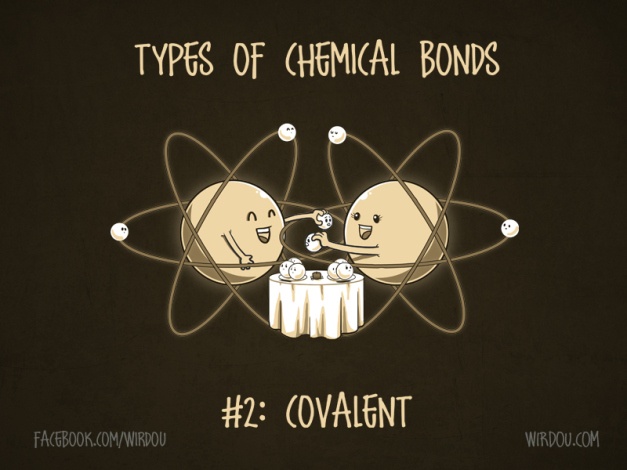
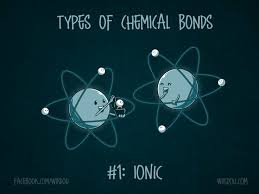
______ compounds conduct electricity best when dissolved in water, while ______ compounds conduct electricity best as solids.
covalent, ionic
ionic, metallic
metallic, ionic
ionic, covalent
A compound dissolves in water, has a high melting point, and doesn't conduct electricity as a solid. What is it?
Ionic
Covalent
Metallic
A mystery
A compound does not dissolve water, has a low melting point, and conducts electricity as a solid. What is it?
Ionic
Covalent
Metallic
A mystery
A compound dissolves in water, has a medium melting point, and doesn't conduct electricity as a solid. What is it?
Ionic
Covalent
Metallic
A mystery


This is a correct dot diagram for nitrogen (N)
true
false

This is a correct dot diagram for neon (Ne)
true
false
What is the correct Lewis structure for NH3?


Which is the correct molecular structure for carbon dioxide?


Is this the correct structure for CH2O?
Yes
No


What is the formal charge on the bromine atom in this Lewis dot structure?
-1
+1
-2
+2

