
 Worksheets
Cell Cycle, Mitosis, Stem Cells, Meiosis and Karyotypes
Total questions: 58
Worksheet time: 48mins
In which stage of the cell cycle does the DNA replicate?
G1
S
G2
Mitosis
The following describes_________________________ during mitosis. The chromatin condenses and spindle fibers form at each side of the cell. The chromosomes begin to form and nuclear membrane disappears.
prophase
anaphase
metaphase
telophase
The following describes_________________________ during mitosis. The chromosomes line up along the middle of the cell and the spindle fibers attach to each chromosome at the centromere.
prophase
metaphase
anaphase
telophase
Human somatic cells contain 46 chromosomes; during meiosis, haploid SEX CELLS are formed with ________ chromosomes each.
46
23
92
54
How many chromosomes do human somatic cells (body cells) have?
23
48
46
92
When you start with 1 cell, at the end of mitosis, how many identical cells will you have?
1
2
3
4
After mitosis is complete, the new cells:
are all identical
are half identical and half different
are all different
are all stretched out


What is cancer?
A polypeptide
Regular cell growth
Controlled cell division
Unregulated cell growth and division
If a regular body cell has 50 chromosome, how many would a Haploid cell from Meiosis would have?
100
5
50
25
In mitosis, if the parent cell is 2n, what are the daughter cells going to be?
2n
4n
n
6n
In meiosis, if the regular cell is 2n, what are the gametes going to be?
2n
4n
n
10n
What is the purpose of Mitosis?
To produce gametes
Sexual Reproduction
To cause mutations
To heal, grow and replace cells.
What is the purpose of Meiosis?
To heal, grow and replace cells
To produce two identical daughter cells
To produce cancer
To produce gametes for sexual reproduction
What are STEM cells?
Cells that only cause cancer
Cells that can specialize into any other cell
Cells that divide uncontrollably and always cause tumors
Cells that take cellfies
What is "crossing over"?
The exchange of genes between chromosomes during meiosis that results in genetic diversity.
Programmed cell death (cell suicide) to prevent the spread of mutated/cancerous cells.
A type of cell division that creates gametes (sperm and egg cells).
A type of cell division that results in two daughter cells each having the same number of chromosomes as the parent cell.
Which of the following cells undergo Meiosis ?
Liver Cells
Sperm Cells
Brain Cells
Bacteria Cells
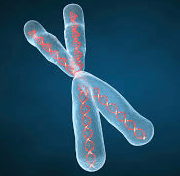


A picture or image of a person's chromosomes taken through a microscope
pedigree
centromere
karyotype
none are correct
Body cells are also known as
prokaryotic cells
somatic cells
gametes
sperm or egg

Select the correct characteristic of the karyotype shown.
Trisomy 18
Monosomy 18
Monosomy (of sex chromosomes)
Trisomy 21

Select the two correct characteristics of the karyotype shown.
Male
Female
No chromosomal abnormalities
Trisomy 18

Select the two correct characteristics of the karyotype shown.
Male
Female
No chromosomal abnormalities
Trisomy 21
Cytokinesis is division of the ___.
nucleus
DNA
cytoplasm
centromeres
Bacteria reproduce asexually by a process called
replication
meiosis
mitosis
binary fission
The cell formed after fertilization is called
gamete
sperm
zygote
egg

Part of a chromosome is repeated
Gene Mutation
Point Mutation
Deletion Mutation
Duplication Mutation

Part of a chromosome is reversed.
Inversion Mutation
Deletion Mutation
Translocation
Point Mutation

Part of one chromosome is transported and attached
to a non-homologous chromosome
Inversion Mutation
Translocation Mutation
Duplication Mutation
Point Mutation

Failure of homologous chromosomes
to separate during meiosis.
Results in gametes with either one extra or one missing chromosome.
Translocation
Nondisjunction
Replication
Transcription
What is the purpose the the cell cycle checkpoints?
To repair damaged cells before they enter cell division
To duplicate DNA in cells before they enter mitosis
To allow stem cells to differentiate
There are no checkpoints in the cell cycle

Which process is shown in the image?
crossing over
independent assortment
segregation
mutation
What is fertilization?
When you put food on the plants
The joining of the egg and sperm
A part of mitosis
The last step of meiosis
Meiosis creates...
2 genetically identical daughter cells that are diploid
2 genetically identical daughter cells that are haploid
4 genetically different daughter cells that are haploid
4 genetically different daughter cells that are diploid
What type of cells are NOT created through meiosis?
Gametes
Somatic Cells
Sperm Cells
Egg Cells
One way meiosis differs from mitosis is that...
It creates 2 daughter cells
It creates genetically identical daughter cells
It is used for growth and healing
It increases genetic variation
How does meiosis ensure that offspring made through sexual reproduction will have the correct number of chromosomes?
It creates a back-up copy of every chromosome.
It forms haploid gametes that will combine to make a diploid zygote
It creates clones of the parent cell
It forms diploid gametes that will then delete half their chromosomes after fertilization
How does independent assortment increase genetic variation?
It exchanges DNA between homologous chromosomes
It creates different combinations of chromosomes in gametes
It makes identical copies of every chromosome
It combines the DNA of two parents


