
 Worksheets
Environmental Science Benchmark 3 Review
Total questions: 70
Worksheet time: 51mins
What is the direct cause of rising sea levels?
Melting Sea Ice
Melting Land Ice
Climate Change

Which of the following have been changed or altered due to climate change ?
droughts
flooding
melting of polar ice caps
all of the above
The main human activity that releases greenhouse gases is
riding bicycles
burning fossil fuels
texting on cellphones
eating meat
How does an increase in carbon dioxide affect global temperature?
decreases
increases
does not affect temperature
temperature stays the same
How is climate change affecting biodiversity?
decreasing
increasing
it is not affecting it
What are some effects of global warming?
increase in ice caps and lower sea levels
increase in tree growth and melting of ice caps
Flooding and melting of ice caps
Which of the following gasses are major contributors to climate change? (Select all that apply)
Methane
Carbon Dioxide
Nitrous Oxide
Xenon

Which type of organism will have issues reproducing due to rising temperatures in the ocean? Use the provided graph for information.
Marine life by coastal areas
terrestrial life
Human being
wookies
Biodiversity, aka biological diversity, usually refers to
the number of people on Earth
the variety of species on Earth
the number of animal species in a specific area
the number of plant species in a specific area
species that are native to and found only within a limited area
endemic
exotic
endangered
extinct
Which of the following would be most effective in slowing the loss of biodiversity?
creating large parks/preserves in biodiversity hotspots
requiring every country to maintain a seed bank
In what part of the world are the greatest number of extinctions occurring?
in deserts
in the Arctic
in tropical rain forests
Why is biodiversity important to ecosystems?
It helps populations adapt to ecological changes.
It increases at each level of the food chain.
Which of the following terms describes any major changes that may occur to an ecosystem?
Distubance
Resiliency
Adaptations
Biodiversity
Define genetic diversity
variation of genes within a species or population in a given area
variety of ecosystems in a given area
system made up of all the living and nonliving things in a given area
disturbance in the environment conditions that cause genetic changes to occur in organisms
Define ecosystem diversity
variety of ecosystems in a given area
variation of genes within a species or population in a given area
variety of life in Earth's land, freshwater, and marine ecosystems
changes to an ecosystem that affect how the parts of it interact
What is an example of a human disturbance?
Deforestation
Drought
Tsunami
Changing Seasons
The LESS genetically diverse a population is, the better it can respond to environmental stressors
True
False
Genetic diversity plays an important role in the survival or extinction of small, isolated populations
True
False
A keystone species is a species whose presence
Is the main reason a community exists
Provides food for all other species in a community
Is an indicator of environmental health
Influences the population size of many other species in its community
Is always at the top of the trophic levels as a top predator
What does the term Biodiversity mean?
a wide variety of plants and animals in an ecosystem
an ecosystem composed mostly of plants
only a few types of plants and animals in an ecosystem
an ecosystem composed mostly of animals
High biodiversity is a sign of a healthy ecosystem.
True
False
What are some ways we can help in maintaining biodiversity?
Get involved with ecological restoration in your area.
Prevent invasive species from overpopulating.
Don't use chemical pesticides on crops.
All of the above
Chan has an ambition to use biodiversity as a tool to prevent particular diseases in humans. How can Chan use biodiversity in his work?
He can isolate species from their ideal ecosystems.
He can interbreed species to create the perfect hybrid.
He can utilize different organisms and plants for research.
He can study the historical significance relating to species extinction.
William wanted to create a report on a geographical location with the greatest species diversity. Which ecosystem can consider for his report?
the ocean
a desert
a tropical rain forest
a coral reef


Which correctly describes the term demographic transition?
The transition from low birth rates and death rates to high birth rates and death rates as a country develops.
The transition from high birth rates and death rates to low birth rates and death rates as a country develops.
The transition from high birth rates to low death rates as a country develops.
The transition from low birth rates to high death rates as a country develops.

The average number of children a woman of childbearing years would have in her lifetime, if she had children at the current rate for her country.
fertility rate
replacement fertility rate
growth rate
death rate
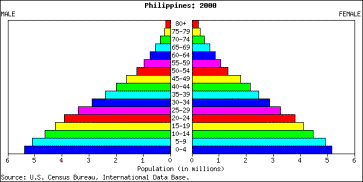

Which of the following leads to a decrease in birthrates among women?
Higher Education
High Infant Mortality Rate
No Prenatal Care
No contraceptives


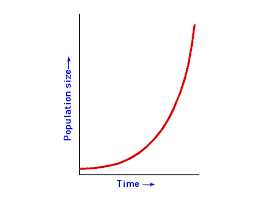
According to this graph, Which stage of the demographic transition has the highest level of population growth (exponential growth)?
pre-industrial
Early and Late transitional
industrial
post-industrial

The human population is now about
300 million
1.3 billion
7.8 billion
12 billion
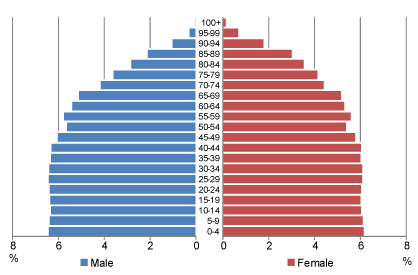
In the 1800s, human population growth
Suddenly fell because of an outbreak of bubonic plague.
Began to level off for several decades.
Increased because of a decline in death rates.
Increased because of an increase in birth rates.
The study of human population is
survivorship
demography
age structure
migration
Percentage of members of a group who are likely to survive to a given age.
survivorship
life expectancy
age structure
migration
Movement of individuals into or out of a population.
demographic transition
infrastructure
urbanization
migration
The basic facilities and services that support a country or region, such as roads, bridges, and sewers.
arable land
demographic transition
infrastructure
urbanization

The size of the human population began to increase exponentially after the
bubonic plague
development of plowing and irrigation
Industrial Revolution
development of the first cities.
A measure of how quickly a population is growing or declining solely by the difference between birth and death rates in a region.
Survivorship
Migration
Rate of Natural Increase (RNI)
Fertility Rate
A summary measure of the average achievement in key areas of human development: a long and healthy life, knowledge, and acceptable standard of living.
Demography
Urbanization
Mortality Rate
Human Development Index (HDI)
An increase in the ratio or density of people living in urban areas, rather than rural areas.
Urbanization
Demography
Survivorship
Human Development Index (HDI)
The average length of time an individual is expected to live.
Fertility Rate
Mortality Rate
Life Expectancy
Rate of Natural Increase (RNI)
The number of deaths per year, typically reported as deaths per 100,000 in a population.
Life Expectancy
Fertility Rate
Rate of Natural Increase (RNI)
Mortality Rate
Which is a primary energy source used by power plants to generate electricity?
coal
wood
petroleum/gasoline
batteries
natural gas
The main human activity that releases greenhouse gases is
buying bottled water
burning fossil fuels
current agricultural practices
eating red meat
Global temperatures have been increasing drastically?
since the Jurassic Era (time of dinosaurs) 65 million yr ago
since the advent of human kind.
since the industrial revolution.
Climate change is not real and there is not scientific evidence of temperature change.
The most effective thing you can do to help decrease global warming is?
Stop using bottled water, use a reusable cup/bottle.
Eat less red meat. Eat more plan based protein.
Car pool to school with your friends
Turn off your lights when you’re not using them.
Buy energy efficient appliances
The layer closest to the Earth, where all our weather occurs is called the
thermosphere
stratosphere
troposphere
mesosphere
Pick the most accurate statement from the list below.
Greenhouse gasses, even in the smallest amounts, are dangerous for our planet.
There is no correlation between temperature change and the concentration of Carbon dioxide on Earth.
A certain amount of Carbon Dioxide is naturally occurring and Earth needs CO2 in the atmosphere to make our planet livable.
Ice core studies have shown that Carbon Dioxide levels have remained relatively constant over the history of our Earth.

The largest store of Carbon Dioxide on our planet is found in which of the following?
In the atmosphere
In our Oceans
Barried in the ground
In living organisms

