
 Worksheets
Biology Unit 2: Review
Total questions: 96
Worksheet time: 2hrs 36mins

“Steady state” maintaining the balance of life.
Concentration of the solutes outside the cell are the same as inside the cell.
Concentration of water molecules and lower solutes than the solution inside the cell.
Concentration of water molecules and higher solutes than the solution inside the cell.

“Steady state” maintaining the balance of life.
Concentration of the solutes outside the cell are the same as inside the cell.
Concentration of water molecules and lower solutes than the solution inside the cell.
Concentration of water molecules and higher solutes than the solution inside the cell.

“Steady state” maintaining the balance of life.
Concentration of the solutes outside the cell are the same as inside the cell.
Concentration of water molecules and lower solutes than the solution inside the cell.
Concentration of water molecules and higher solutes than the solution inside the cell.

The model shows the one-way flow of energy through a series of trophic levels in the food chain. Which mathematical relationship best describes the trends shown in the model?
energy at lower trophic level = 0.1 × energy at next trophic level
energy at lower trophic level = 0.15 × energy at next trophic level
energy at lower trophic level = 10 × energy at next trophic level
Mark all of the following activities that would add carbon to the atmosphere.
a dead tree decomposing
a factory burning fossil fuels
a bush undergoing photosynthesis
a caterpillar undergoing respiration
Mark all of the following activities that would remove carbon from the atmosphere.
a dead tree decomposing
a factory burning fossil fuels
a bush undergoing photosynthesis
a caterpillar undergoing respiration
The inputs of cellular respiration are glucose and (a) , and bonds in these molecules are broken.
The outputs of cellular respiration are (a) and water, and new bonds are formed in these molecules.
The energy stored in one molecule of glucose leads to many molecules of (a) .


Birds eat insects off the skin of cows. If the relationship is a type of mutualism, then the organisms that will benefit are
only the cattle
neither the birds or the cattle
both the birds and the cattle
only the birds


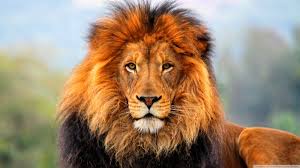


Which of the following would be the most likely effect, if there were a sudden increase in the cricket population?
There would be a decrease in the small bird population.
There would be a decrease in the grass/flowers population.
There would be a decrease in the mice population.
There would be an increase in the grass/flowers population.
1. What are renewable resources?
. Resources that are used faster than they form
resources that can replenish themselves over time
resources that formed over millions of years
resources that exist only in rural areas
1. What would Earth be like without the greenhouse effect?
The same temperature
a little cooler than it is now
. Too cold to live
a little warmer than it is now

According to the graph, what material’s recycling would reduce the largest portion of America’s trash?
Metals
paper
plastics
Yard trimmings
1. Which biome has the highest biodiversity and is the most threatened?
Temperate forests
grasslands
tropical rain forests
deserts
1. Why is firewood considered to be a renewable resource?
It can be replenished over time.
It is used up faster than it can form.
It is made from coal.
It can be made synthetically.
1. Why has Earth's human carrying capacity increased greatly?
Other organisms have been displaced by agriculture, so there is more space for humans.
Humans have modified their environment due to technological advances.
Humans can live closer together than other animals
Humans are now eating fewer plants than they used to.
1. Which of the following is not a renewable resource?
coal
wind energy
solar energy
water
1. What factor does not determine the size of an individual's ecological footprint?
amount and efficiency of resource use
amount of waste produced
size of population
toxicity of waste produced
What is global warming
the normal temperature fluctuations of Earth's climate cycle
the melting of the polar ice caps
the trend of increasing temperatures on Earth
the changes in Earth's biosphere that affect the atmosphere

What is the carrying capacity of the graph?
1000
8000
800
600

What happens if a population grows past its carrying capacity?
The population keeps growing
The population starts to die off
The entire species will go extinct
The carrying capacity just increases
This may cause a population to increase
increase of food supply
removal of predators
removal of disease
all of these

The largest number of individuals that an environment can support long term is...
carrying capacity
emigration
immigration
population density

Something that regulates the size of a population is called...
a limiting measure
a limiting factor
carrying capacity
biodiversity
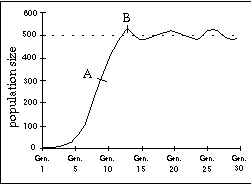
What is the carrying capacity of the graph?
around 500
more than 800
less than 300
around 700
When death rate is equal to birth rate...
population increases
population decreases
population stays the same.
population rapidly increases then becomes stable
When the death rate rises and the birth rate lowers...
population increases
population decreases
population stays the same
all of these
When birth rate is high and death rate is low...
population increases
population decreases
population stays the same
all of these
This may cause a population to increase
increase of food supply
removal of predators
removal of disease
all of these


If the carrying capacity of a predator decreases, what will happen to the carrying capacity of the prey?
Will Increase
Will Decrease
Will stay the same
A scientist was studying a population of fish in a pond over a period of 10 years. He observed that
the population increased each year for 3 years, and then remained nearly constant for the rest of
the study. The best explanation for this observation is that the population had
stopped reproducing
reached carrying capacity
mutated into a different species
run out of food and all died
What are factors that affect carrying capacity?
Biotic only
Biotic and abiotic
Depends on the ecosystem
Abiotic only
Chemical process that animals and plants use to obtain energy.
Transpiration
Respiration
Photosynthesis
Percolation
Denitrification
One of the nutrient cycles moves from an atmospheric gaseous form to the soil through both abiotic and biotic processes, moves through the food web, then is returned to the soil or to the atmosphere. Which cycle fits this description?
Nitrogen
Carbon
Phosphorus
Water

Which cycle is shown in this diagram?
Nitrogen
Carbon
Phosphorus
Water
Oxygen

Which cycle is shown in this diagram?
Nitrogen
Carbon
Phosphorus
Water
Oxygen

Which cycle is shown in this diagram?
Nitrogen
Carbon
Phosphorus
Water
Oxygen
Process by which liquid water turns into a vapor and is deposited into the atmosphere.
Transpiration
Respiration
Photosynthesis
Percolation
Evaporation
The slow settling of water through rocks and minerals in the soil.
Transpiration
Respiration
Photosynthesis
Percolation
Evaporation
Chemical process by which plants use sunlight to obtain sugars.
Transpiration
Respiration
Photosynthesis
Percolation
Evaporation
Process by which water is pulled through the xylem of plants.
Transpiration
Respiration
Photosynthesis
Percolation
Evaporation
Process by which water leaves the clouds and is deposited onto the ground by way of rain or snow.
Weathering
Run-Off
Combustion
Nitrogen-fixing
Precipitation
The burning of fossil fuels.
Weathering
Run-Off
Combustion
Nitrogen-fixing
Precipitation
Process by which water runs down the side of land or soil and is deposited into a body of water.
Weathering
Run-Off
Combustion
Nitrogen-fixing
Precipitation
Occurs when precipitation runs down rocks and mountains causing them to leech out minerals.
Weathering
Run-Off
Combustion
Nitrogen-fixing
Precipitation
Type of bacteria that will put Nitrogen back into the soil or transform it into a usable form.
Weathering
Run-Off
Combustion
Nitrogen-fixing
Precipitation
The process by which a substance moves from an area of high concentration to an area of low concentration.
Diffusion
Decomposers
Detrivores
Fossil fuels
Denitrification
Types of organisms that serve to break down inorganic waste and deposit into the soil.
Diffusion
Decomposers
Detrivores
Fossil fuels
Denitrification
Organic material (like coal and oil) that are the remnants of dead/decayed matter from millions of years ago.
Diffusion
Decomposers
Detrivores
Fossil fuels
Denitrification
Process by which nitrogen is extracted from the soil.
Diffusion
Decomposers
Detrivores
Fossil fuels
Denitrification

This is the equation for
cellular respiration
photosynthesis

Photosynthesis
Cellular Respiration
Deforestation means
burning coal
planting trees
cutting down trees
creating solar energy
The reason why deforestation adds to the CO2 problem is that
Trees use up CO2
Trees release CO2
Trees make energy
Trees create sugar
The burning of fossil fuels equations most closely resembles
the photosynthesis equation
the cellular respiration equation
Matter cycles through food webs and biogeochemical cycles.
True
False
Matter can recycle through the biosphere because
matter is passed out of the body as waste
matter is assembled into chemical compounds
biological systems do not use up matter, they transform it.
biological systems use only carbon, oxygen, hydrogen, and nitrogen.
Which of the following best describes the importance of biogeochemical cycles?
They show how certain elements and compounds move through the environment and are continually used and recycled.
They explain how energy moves through trophic levels of an ecosystem.
They describe how the adaptations of organisms change based on environmental pressures.
They chart how biotic changes destroy unstable ecosystems.
The repeated movement of water between Earth’s surface and the atmosphere is called
the water cycle
the condensation cycle
precipitation
evaporation

