
 Worksheets
Biology STAAR RC 4: Biological Processes and Systems
Total questions: 113
Worksheet time: 2hrs 49mins
Gibberellins are hormones produced in the root tips of plants. The plant uses these hormones to stimulate the growth of shoots.
How are gibberellins able to affect other parts of the plant?
Gibberellins are absorbed through the stomata and attach to chloroplasts.
Gibberellins are transported through vascular tissues to other parts of the plant.
Gibberellins become concentrated within the tissues of the plant during mitosis.
Gibberellins become modified once they infect healthy cells and are later released to infect other cells.

The fuzzy millipede, Polyxenus fasciculatus, is found in Texas and is preyed upon by most species of ants. To protect itself against the ants, it ejects fibers from a tuft located at the tail end of its body. The tufts have hooks at the tips and barbs along their length that lock and interlink with the ant’s setae, small hairs that cover the body of the ant. When an ant attacks, the millipede flexes its back end toward the ant and wipes the tufts against it. As the ant attempts to remove the tufts, it entangles itself more, becoming immobilized.
Muscular and integumentary
Immune and muscular
Integumentary and endocrine
Endocrine and immune

A chart of some plant systems and functions is shown.
Option 1
Option 2
Option 3
Option 4

A feedback mechanism in the human body is shown.
The nervous and reproductive systems work together to stimulate the production of insulin.
The circulatory and endocrine systems work together to keep blood sugar levels constant.
The excretory and nervous systems work together to convert glycogen into glucose.
The immune and circulatory systems work together to circulate blood through the pancreas.

A table of four types of carbohydrates is shown.
Energy: glycogen and starch Structure: cellulose and chitin
Energy: cellulose and chitin Structure: glycogen and starch
Energy: chitin and glycogen Structure: cellulose and starch
Energy: cellulose and starch Structure: chitin and glycogen

Transmembrane proteins span the width of cell membranes. Four types of transmembrane proteins are shown in a section of cell membrane.
stop chemical reactions within the cell
synthesize molecules that signal other cells
help the cell interact with its external environment
remove large waste particles from the cytoplasm of the cell
Which biomolecule helps form muscles?
Nucleic Acid
Carbohydrate
Protein
Lipids

Which of these functions would be most immediately affected by a reduction in water uptake by roots?

Based on this information, the student can conclude that boron is absorbed by plant roots from soil and then —

Which statement best explains why the grass tips of the experimental group bent toward the light?

Which of these phrases could be placed in the position marked with an X?

This feedback loop is likely to be activated when —

Which body systems are directly responsible for regulating these nodes and protecting the body from harmful materials in tissue fluid?

Which table correctly identifies the function of each structure or group of structures in the reproduction of the plant?
Y Pollen transfer
Z Production of eggs
Y Production of male sex cells
Z Egg production and embryo development
Y Supply nourishment to embryo
Z Place of embryonic development
Y Production of cells that protect internal organs
Z Production of egg and sperm

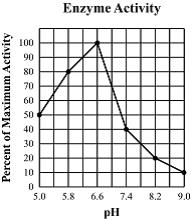
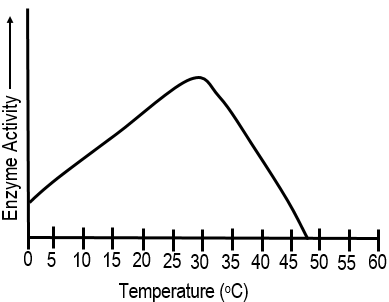
Which statement explains the pattern in the graph?

Based on this information, what functions do the specialized leaves of sundews perform?


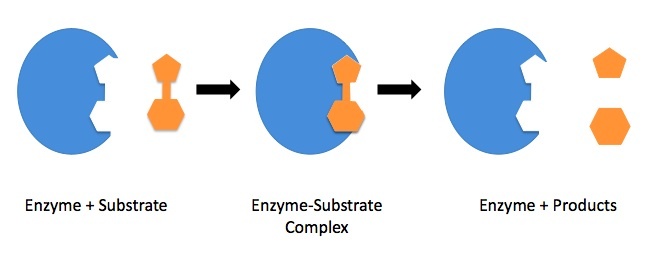
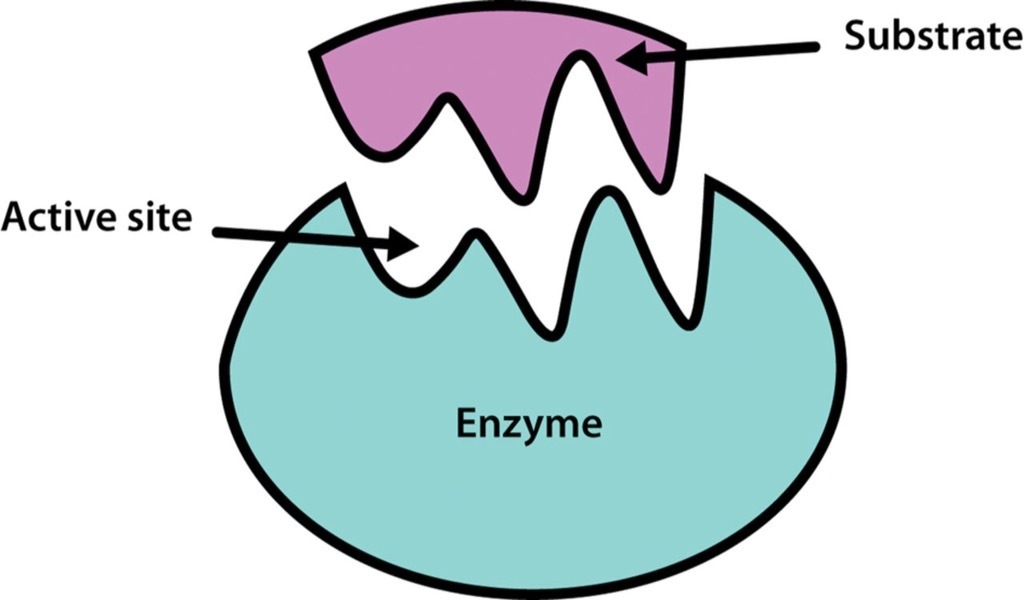
How do enzymes speed up chemical reaction?
Increasing activation energy
Decreasing activation energy
Increasing deactivation energy
Decreasing deactivation energy
How does most of the water needed by the plant get into its leaves?
It enters through the stomata
The roots absorb it and then it travels up the xylem
It's made during a chemical reaction in the stem
The flowers capture water and deliver it to the leaves

Plant roots have extensions called root hairs. These root hairs are important in the homeostasis of the plant.
Root hairs convert minerals into glucose for immediate use by cells.
Root hairs decrease the need for osmosis and diffusion in vascular tissue.
Root hairs prevent water loss in leaves through transpiration and gas exchange.
Root hairs increase the surface area of the roots for nutrient and water absorption.

A corn plant produces both male and female flowers. The male flower forms the tassel and the female flower forms the ear of corn. The silks that emerge from the ear are the stigma of the female flower. Each silk leads to an ovule that can become a corn seed.
More tassels than silks need to be present on the same plant.
Pollen grains must fall from tassels and land on the silks of the ear.
Pollen must be transported from the tassel to the silk through the phloem.
The tassels must come into direct contact with the silks of the ear.
Fruits grown in hot climates are usually less sweet than those grown in cooler temperatures. The high temperatures increase the rate of respiration in the plants, thus reducing the sugar content in some fruits.
Why does increased respiration in the leaves and stems reduce the sugar content in the fruits of a plant?
Chloroplasts move from the fruits to the leaves and stems to provide energy for respiration.
The flow of nutrients shifts from the phloem to the xylem, moving nutrients away from the fruits.
Sugars are moved from the fruits to the roots for storage.
Sugars produced in the leaves are used as an energy source instead of being stored in fruits.
Why is blood considered a tissue?
cells working together for a specific purpose
tissues are always red
blood moves through the entire body
blood makes up an organ system

Plants called sundews have rounded green leaves with many hair-like structures. The ends of these structures contain enzymes in a sticky liquid that looks like nectar or moisture, as shown in the picture. The hairs do not react to dust or nonliving material but will bend inward when insects get caught in the sticky liquid. Sundews digest trapped insects over a period of a few days. Based on this information, what functions do the specialized leaves of sundews perform?
Provide water to the plant and perform photosynthesis
Respond to stimuli and anchor the plant
Provide nutrients to the plant and respond to stimuli
Release pollen to insects and perform photosynthesis

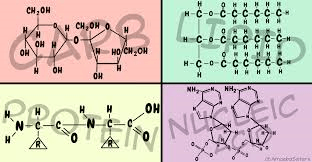
The complex carbohydrates pictured below are made by linking molecules of glucose. In all three complex carbohydrates, the subunits of glucose are bonded together differently. Because they have different structures, they most likely —
contain different chemical elements
form different proteins
carry different nucleotides
perform different functions

Several structures work together to allow flowering plants to reproduce. The diagram shows a typical flower. Which table correctly identifies the function of each structure or group of structures in the reproduction of the plant?


Kidneys are part of the excretory system in a human body. They purify the impure blood and send it back to the rest of the body. Which system is mainly responsible for the transport of plasma to the kidneys?
Respiratory system
Circulatory system
Muscular system
Nervous system
In the early 1980s scientists were able to produce two biomolecules by splicing a human gene into the bacterium E. coli to make recombinant human insulin and growth hormone. Which statement best explains why this experiment was successful?
Human cells are eukaryotic, and E. coli cells are prokaryotic.
All living organisms share the same genome.
The genes for all organisms are composed of the same building blocks.
The human body contains many types of bacteria, including E. coli.

Health professionals sometimes recommend nutritional supplements that contain a variety of species of bacteria to promote good digestive health. The product label for one of these supplements is shown. Why does this type of bacteria-filled supplement benefit human health instead of causing illness?
Stomach acids and digestive enzymes kill the bacteria in this type of supplement, protecting the person against future infections by live organisms.
The human digestive system contains billions of beneficial bacteria that enhance digestion and nutrient absorption, synthesize vitamins, and help limit the growth of harmful bacteria
These species of bacteria remove all other species of microorganisms living in the human digestive system and ensure that no microorganisms survive to contaminate the body.
These bacteria are able to deactivate viruses that may inhabit the human digestive system and are used to protect against further viral infections.
Which statement best describes the relationship between the products of photosynthesis and the reactants in cellular respiration?
The products of photosynthesis serve as the reactants in cellular respiration to provide chemical energy.
The products of photosynthesis combine with the reactants in cellular respiration to remove ATP from cells.
The products of photosynthesis inhibit the reactants in cellular respiration in the presence of light.
The products of photosynthesis change the structure of the reactants in cellular respiration in the presence of light.
In the early 1900s a scientist hypothesized a link between DNA and the production of protein in the cytoplasm. However, the fact that DNA could not be found outside the nucleus led scientists to believe that another substance was also involved in the synthesis of protein in the cytoplasm. In the 1940s scientists performed an experiment that ultimately identified the site of protein synthesis. They also identified the molecule responsible for transporting information from the nucleus to the site of protein synthesis. What was the newly identified molecule?
a gene
mRNA
ATP
thymine
During the final stages of human gestation, receptors for the hormone oxytocin increase on the smooth muscle cells of the uterus. The release of oxytocin during labor stimulates the smooth muscle tissue in the wall of the uterus. The vigorous contraction of the uterine smooth muscle helps push the baby through the birth canal so that delivery can occur. This process involves the interaction of which organ systems?
Endocrine and muscular only
Endocrine and reproductive only
Endocrine, muscular, and reproductive
Endocrine, reproductive, and excretory

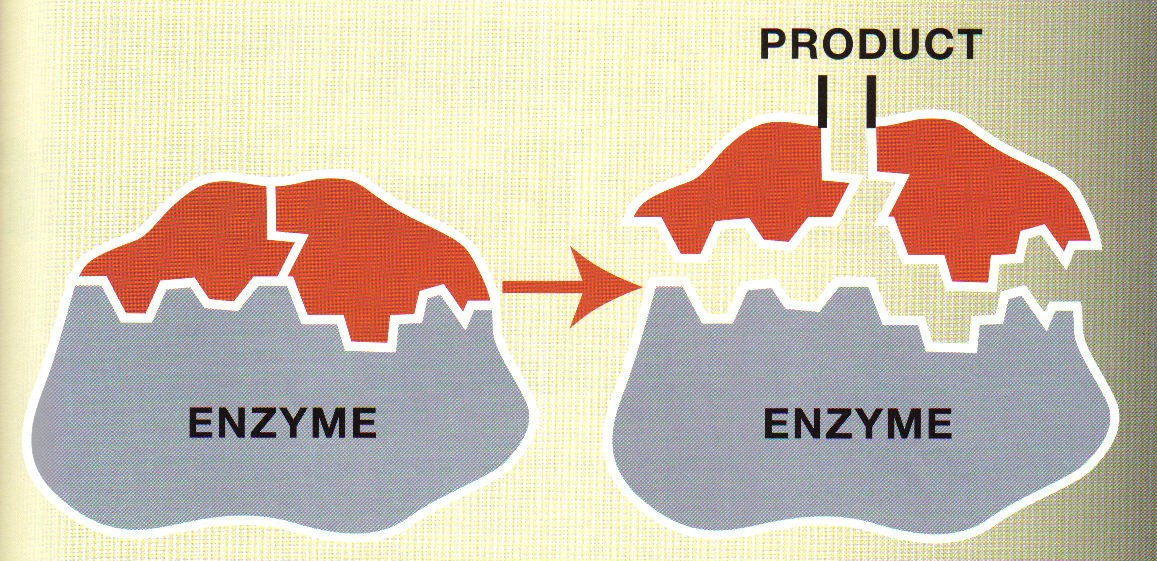
The diagram represents one way an enzyme can be inhibited. Which statement explains the effect of an inhibitor on an enzyme?
A substrate will be able to bond with the enzyme.
The enzyme will likely be attacked by immune cells
The enzyme will be unable to produce more enzymes.
A substrate will be unable to attach to the enzyme.
The 1918 influenza epidemic killed between 50 million and 100 million people worldwide. THis epidemic happened near the end of World War I. More people died from the influenza epidemic than were killed in the war. Which of the following explains why this virus was so deadly worldwide?
Infected soldiers returning from the war spread the virus when they coughed.
Food was scarce because of the war, so people were undernourished, and their immune systems were weakened.
Medical personnel often became ill as a result of exposure to airborne virus particles.
All of the above
process by which green plants and some other organisms make sugars and release oxygen using light energy, carbon dioxide, and water
photosynthesis
aerobic cellular respiration
homeostasis
evolution
energy-releasing process that occurs in the mitochondria of eukaryotic cells and requires oxygen
aerobic cellular respiration
photosynthesis
homeostasis
evolution

This image summarizes the process of....
photosynthesis
aerobic cellular respiration

This image summarizes the process of .....
aerobic cellular respiration
photosynthesis
Energy is produced during cellular respiration in the form of.....
ATP
ADP
AMP
None of these
Where does photosynthesis occur?
chloroplasts
chlorophyll
cytoplasm
mitochondria
Enzymes are....
proteins
lipids
carbohydrates
nucleic acids
Enzymes slow down chemical reactions.
yep
nope
Does an enzyme change during a chemical reaction?
yes
no
The names of enzymes often end in....
-ase
-ose
-tion
-are

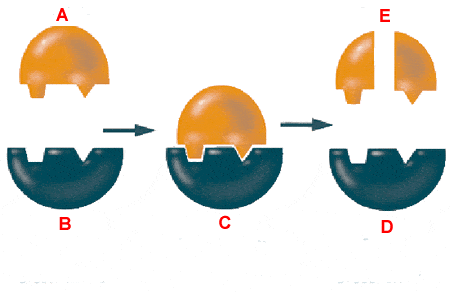
Label the products
A
B
C
D

Label the substrate.
A
B
C
C

Label the active site.
A
B
C
D

Label the enzyme.
A
B
C
D
The products of photosynthesis are the reactants in aerobic cellular respiration.
yep
nope
Cells are made of tissues.
True
False
makes certain hormones and involved with regulation
endocrine system
muscular system
respiratory system
nervous system
Carries materials (oxygen, hormones, etc) all over the body
circulatory system
digestive system
reproductive system
skeletal system
Mechanically breaks down food in stomach
muscular system
endocrine system
immune system
circulatory system
Chemically breaks down food with water, acid, & enzymes
digestive system
muscular system
skeletal system
excretory system
helps your body fight against pathogens (bacteria, viruses, etc)
immune system
reproductive system
endocrine system
lymphatic system

Which system?
circulatory system
excretory system
nervous system
integumentary system

Which system?
digestive
skeletal
integumentary
muscular

Which system?
endocrine
lymphatic
excretory
digestive

Which system?
excretory
respiratory
nervous
lymphatic
What transports water to the leaves in the shoot system of plants?
xylem
phloem
pistil
stamen
What transports sugars and nutrients throughout a plant?
phloem
xylem
stamen
root system
female reproductive organ in a flower
pistil
stamen
root system
shoot system
male reproductive organ in a flower
stamen
pistil
xylem
phloem
regulation of conditions within an organism or system which allows for stable, "normal" internal equilibrium
homeostasis
natural selection
catalysis
protein synthesis
This internal feedback mechanism decreases the effect of a stimulus.
negative feedback
positive feedback
This internal feedback mechanism increases the effect of a stimulus.
positive feedback
negative feedback

