
 Worksheets
Physical Science Unit 8- Energy
Total questions: 110
Worksheet time: 2hrs 18mins

What type of energy is in basketball passing through the hoop?
Potential
Kinetic

What type of energy is in a waving hand?
Potential
Kinetic

What energy is the arrow pulled back?
kinetic energy
potential energy


What form of energy is in this picture?
Gravitational
Elastic
Chemical
Sound
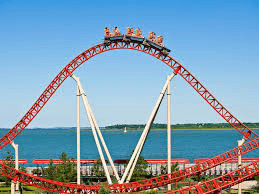
When a roller coaster is at the top of a hill it has
more potential than kinetic energy
more kinetic than potential energy
no kinetic or potential energy
equal amounts of kinetic and potential energy

Kinetic energy depends on
mass and height
height and speed
mass and speed
mass and force

Potential energy depends on
mass and height
height and speed
mass and speed
height and force

Energy is measured in
kilograms
meters
Joules
m/s

I am holding a balloon that is full of air, the balloon has
kinetic energy
potential energy
The formula for Kinetic energy.
KE= .5 x M x V2
KE= M x G X H
KE= M X C x Change in T


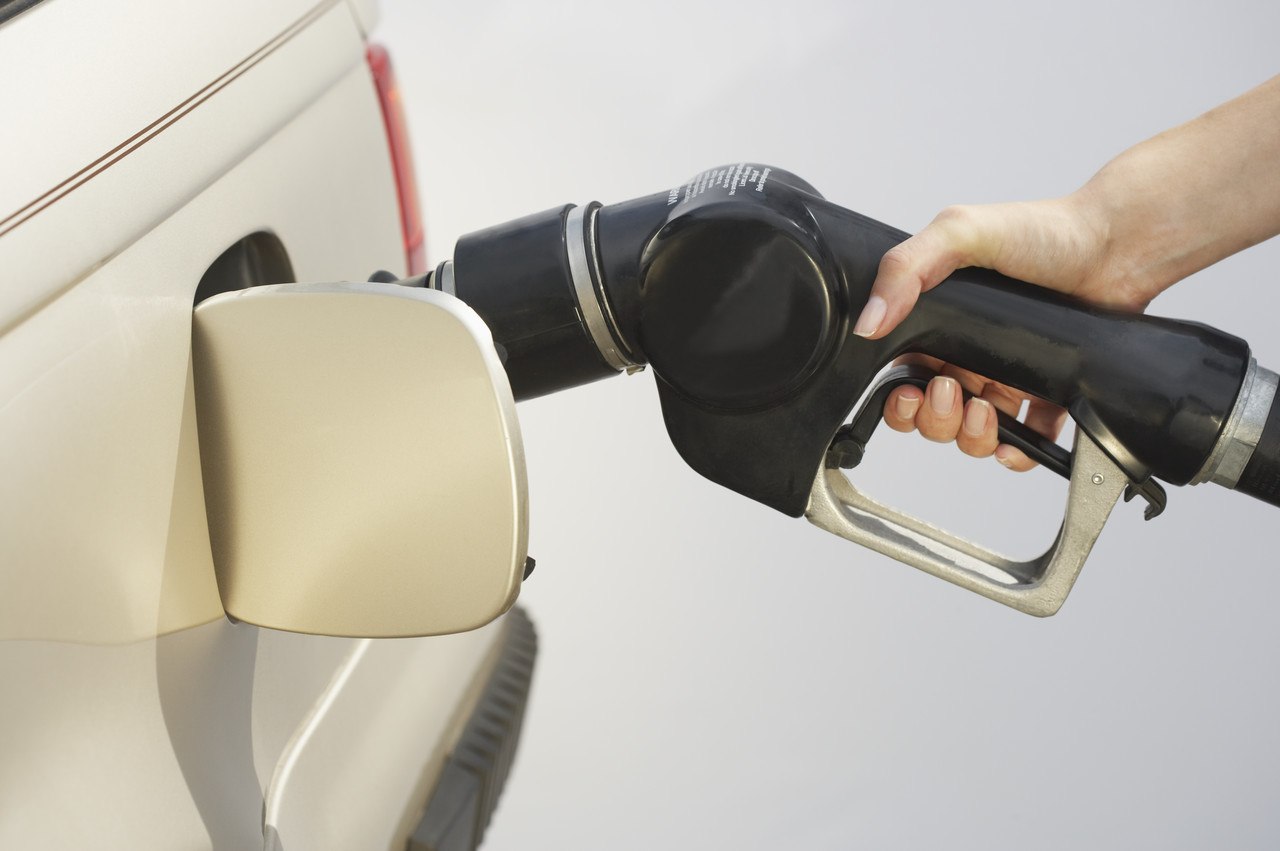
thermal -> electrical
motion -> electrical
chemical -> motion
motion -> electromagnetic

electrical
chemical
thermal
motion


solar
radiant
thermal
motion

The purpose of the panels is to change radiant energy into ____________.
elastic energy
electrical energy
chemical energy
motion energy
Which items would have this energy transformation: chemical energy -> electrical, radiant and thermal energy?
turning on a flashlight
nuclear power plant
digesting an apple
tanning bed

Motion to radiant to chemical
Chemical to motion to thermal
Thermal to chemical to radiant
Chemical to thermal to motion
The picture showing the energy conversion
Chemical → thermal
is:


The picture showing the energy conversion
Radiant → chemical
is:

The picture showing the energy conversion
Chemical → radiant & heat
is:

Which of the following is an example of a change of motion energy into gravitational energy?
a person parachuting out of a plane
a car racing around an oval track
a person skiing down a hill
a person walking up a hill


To what kinds of energy does electrical energy change when she uses the hair dryer?
thermal and radiant
thermal and motion
motion and sound
thermal, motion, and sound
A washing machine turns electrical energy into
Radiant energy
Chemical energy
Motion energy
Nuclear energy
Electrical -> Motion -> Sound
A triple beam balance measuring an object’s mass
A pencil sharpener plugged into a wall outlet
A projector displaying a diagram on the screen
A working flashlight used to light up a dark corner

What thermal energy transfer is shown here?
Conduction
Convection
Radiation
What is the Law of Conservation of Energy?
Energy is always created and never destroyed, it just transfers.
Energy can neither be destroyed or changed, it can just be created.
Energy can neither be created nor destroyed, it just changes form.

What thermal energy transfer is shown here?
Conduction
Convection
Radiation
Thermal energy transfer that can travel through empty space.
Conduction
Convection
Radiation

What thermal energy transfer is shown here?
Conduction
Convection
Radiation
Thermal energy transfer through touch.
Conduction
Convection
Radiation
Transfer of thermal energy through "flow" of liquids and gases
conduction
convection
radiation

Lilly's cat ran through your yard. The cat has a mass of 5 kg. He is running at a speed of 3 m/s. What is the kinetic energy of the cat as he runs?
8.5 J
45 J
7.5 J
22.5 J

Calculate the potential energy of a car with a mass of 2,500 kg that is on a hill 100 meters above sea level.
250,000 J
2,450,000 J
2,451,663 J
248 J
If the 1.2 kg basketball rolls at 3 m/s, what is it's kinetic energy?
2.7
5.4
3.6
9
The specific heat of aluminum is 0.9025 J/g°C. How much heat(Q) is released when a 10.0 g piece of aluminum foil is taken out of the oven and cools from 100.0° to 50.0°?
451 J
45.1 J
400 J
20.0 g of water. specific heat of water is 4.184 J/g°C. temperature changes from 25.0° C to 20.0° C, how much heat energy (Q) moves from the water to the surroundings?
418 Joules
209 J
83 J
4.18 J
An explosion of gas from a Hawaiian volcano blows a rock into the sky. The rock has 2000J of kinetic energy. What was its mass if the rock had a velocity of 20m/s?
200Kg
20,000Kg
10Kg
200Kg

Which point has the most kinetic energy?
A
B
C
A and C
Choose the answer that has the most GRAVITATIONAL POTENTIAL energy.
a 500 kg boulder on a 5 meter hill
a 500 kg boulder on a 10 meter hill
a 500 kg boulder on a 20 meter hill
What causes your skin to feel warm when it is in the sun on a summer day?
Particles in the atmosphere reflect energy from the Sun downward
The Sun radiates energy that passes through space & the atmosphere to your skin.
Hot particles from the Sun still carry some heat when they reach your skin.
The solar wind carries heated air from the Sun’s atmosphere to Earth’s surface.
Which best describes the flow of heat?
A. From a larger object to a smaller object
From a cooler object to a warmer object
From a warmer object to a cooler object
From a warmer object to a warmer object
People sitting around a campfire are able to feel the heat from the fire.
How are the people able to feel the heat form the fire without touching the fire?
A. The heat from the fire travels through the ground & heats the ground around the people.
B. The heat from the fire is conducted through air molecules to the people.
C. The heat from the fire rises in the air and then settles around the people.
D. The heat from the fire radiates from the fire to the people.
You hold a bowl of hot soup that warms your hands; this is
A. Radiation
B. Conduction
C. Convection
D. Conviction
Steam from a hot bowl of soup warms your face as you lean over it; this is
A. Radiation
B. Conduction
C. Convection
D. Conviction
Why is it better to have a cooking pot with a plastic handle instead of a metal handle?
A. Plastic looks better than metal.
B. . Plastic is not a good conductor of heat
C. Plastic washes easier than metal.
D. Plastic is a good conductor of heat
Jim wakes up early in the morning and walks from his carpeted bedroom to the tiled kitchen. Which BEST describes why, despite being the same temperature, the tile floor feels cooler to his feet than the carpet?
A. Tile is a better conductor of heat and transfers heat away from his skin.
B. Carpet is a bad conductor of heat and transfers heat to his skin.
C. Tile is a poor conductor of heat and transfers heat to his skin.
D. The tile and carpet are the same temperature
Raegan wants to determine the best material to make a new type of cookware. What type of material should she choose?
material that conducts heat evenly
material that can be easily bent into shape
material that does not transmit electricity
material that will remain cool to the touch
Serenity wants to keep drinks cold during an afternoon sports game. Which container would MOST LIKELY keep her drinks cold for several hours?
Plastic, because it will conduct heat.
Metal, because it will conduct heat.
Plastic, because it will insulate from heat.
Metal, because it will insulate from heat.
What is another name for Heat energy?
Conductor
Radiation
Convection
Thermal

Heating food in a microwave oven.
Conduction
Convection
Radiation

The butter on top of the pancake melted.
Conduction
Convection
Radiation

Air conditioner cooling the hot room.
Conduction
Convection
Radiation

Adding hot water to your cold bath water.
Conduction
Convection
Radiation

Ironing a wrinkled shirt.
Conduction
Convection
Radiation

Laying under the sun to get tan.
Conduction
Convection
Radiation

An ice cube melts when you hold it in your hand.
Conduction
Convection
Radiation

You feel hot after reading for a long time under a lamp.
Conduction
Convection
Radiation

Hair gets hot when a hair straightener is used on it.
Conduction
Convection
Radiation

Which of the following best explains why the sand at the beach is hotter than the water?
Sand has a higher specific heat than water.
Sand has a lower specific heat than water.
Sand has a greater mass than water.
Water has a greater mass than sand.

Rank the materials in order of slowest to heat up to fastest to heat up.
water
1
lead
2
granite
3
iron
4
Object A, it has a lower specific heat
Object B, it has a lower specific heat
Object A, it has a higher specific heat
Object B, it has a higher specific heat
Which one will have the SMALLEST change in temperature?
The specific heat of platinum is 0.133 J/g°C. How much heat(Q) is released when a 10 g piece of platinum cools from 100°C to 50°C?
66.5 J
665 J
0.0266 J
0.665 J
If Q=mcΔT , what is ΔT
ΔT=mcQ
ΔT=Qmc
ΔT=Qmc
ΔT=Qcm
c=mΔTQ

A bowl of soup cools.
Conduction
Convection
Radiation
A sample of potassium goes through a temperature change of -24.33 °C while releasing 1708.8 joules of heat. The specific heat capacity of potassium is 0.754 J/(g·°C). What is the mass of this sample?
Round to the hundredths and include units.
(a)
A sample of manganese goes through a temperature change of -1024.78 °C while releasing 389540 joules of heat. The specific heat capacity of manganese is 0.4773 J/(g·°C). What is the mass of this sample?
Round to the hundredths and include units.
(a)
A 110.5 g sample of gold goes through a temperature change of +661.49 °C while absorbing 9429.2 joules of heat. What is the specific heat capacity of gold?
Round to the thousandths place!
(a)
A 64.3 g sample of bismuth releases 384.45 joules of heat. The specific heat capacity of bismuth is 0.123 J/(g·°C). By how much did the temperature of this sample change, in degrees Celsius?
PUT THE NUMBER ONLY ROUNDED TO THE HUNDREDTHS.
(a)
A 70.1 g sample of tin is subjected to a temperature change of -32.15 °C. The specific heat capacity of tin is 0.227 J/(g·°C). How many joules of heat were transferred by the sample?
Round to the hundredths and include units.
(a)
A 743.2 g sample of nitrogen undergoes a temperature change of +484.05 °C. The specific heat capacity of nitrogen is 1.04 J/(g·°C). How many joules of heat were transferred by the sample?
Round to the hundredths and include units!
(a)
A 543.6 g sample of lithium absorbs 211750 joules of heat. The specific heat capacity of lithiumis 3.58 J/(g·°C). By how much did the temperature of this sample change, in degrees Celsius?
Round to the hundredths and do NOT include units.
(a)
A 844.6 g sample of zinc absorbs 49045 joules of heat. The specific heat capacity of zinc is0.387 J/(g·°C). By how much did the temperature of this sample change, in degrees Celsius?
Round your answer to the nearest whole number and do NOT include units.
(a)
A sample of neon is subjected to a temperature change of +849.34 K while absorbing 793630joules of heat. The specific heat capacity of neon is 1.0301 J/(g·K). What is the mass of this sample?
Round your answer to the hundredths place and include units!
(a)

