
 Worksheets
Unit 3 Earth Sun Moon System Study Game
Total questions: 77
Worksheet time: 5hrs 52mins


Which season is taking place in the Northern Hemisphere in Position 3?
Winter
Spring
Summer
Fall

The diagrams represent the position of the noon Sun along its apparent daily path as seen by an observer on the first day of three consecutive months (X, Y, and Z). The observer was located in Utica, New York.
Which dates are represented by months X, Y, and Z?
X-February 1
Y-March 1
Z-April 1
X-May 1
Y-June 1
Z-July 1
X-August 1
Y-September 1
Z-October 1
X-November 1
Y-December 1
Z-January 1

The diagram represents the apparent path of the Sun through the sky as viewed by an observer in the Northern Hemisphere. Points A,B,C, and D represent four positions of the Sun.
The observer has the longest shadow when the Sun is at position
A
B
C
D

This apparent path of the Sun through the sky is caused by
Earth's revolution around the Sun
Earth's rotation on its axis
the Sun's revolution around Earth
the Sun's rotation on its axis

The diagram represents the apparent path of the Sun as observed at four locations, A through D, on Earth's surface on the same date. The present positions of the Sun represent the same time of day at each location. The zenith (the position directly overhead) is shown for an observer at each location. [Diagrams are not drawn to scale.]
During the course of the day, which location had the greatest intensity of insolation at solar noon?
A
B
C
D

The model below represents the apparent path of the Sun across the sky on March 21 as seen by an observer on Earth.
At which latitude is the observer located?
90° N
42° N
23.5° N
0°

The model below shows the apparent path of the Sun as seen by an observer in New York State on the first day of one of the four seasons.
This apparent path of the Sun was observed on the first day of
Spring
Summer
Fall
Winter

The diagram represents the Sun's apparent paths and the solar noon positions for an observer at 42° N latitude on December 21, September 23, and June 21.
In which direction will sunrise occur on June 21?
north of due west
north of due east
south of due west
south of due east

The diagram below represents the apparent path of the Sun as seen by an observer on June 21 at a location in New York State.
Which diagram best represents the apparent path of the Sun at this same location on December 21?


Which location on Earth receives a 90 degree Angle of Insolation on the Equinox?
Tropic of Cancer
Equator
Tropic of Capricorn
South Pole
What is the Duration of Insolation for New York State on the Summer Solstice?
9 hours
12 hours
15 hours
24 hours
What is the Duration of Insolation for New York State on the Winter Solstice?
0 hours
9 hours
12 hours
15 hours
What is the Duration of Insolation for the North Pole on the Summer Solstice?
0 hours
12 hours
15 hours
24 hours
What is the Duration of Insolation for the Equator on the Equinox?
9 hours
12 hours
15 hours
24 hours
4. Incoming solar radiation that is intercepted by the Earth is known as __________________.
Solar Constant
Terrestrial radiation
Insolation
What is at the middle of a Heliocentric system?
Mars
Moon
Sun
Earth
Who supported the Geocentric system?
Ptolemy
Aristotle
Copernicus
Galileo
What does the Geocentric system look like?
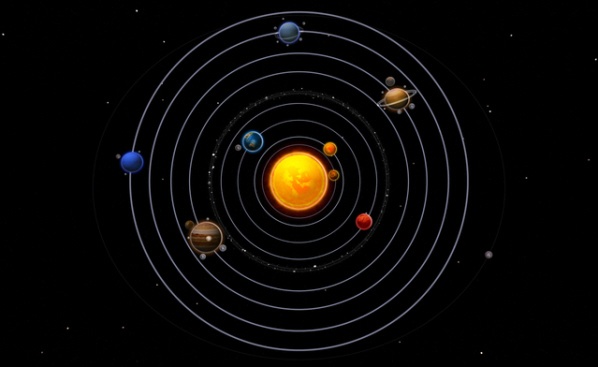
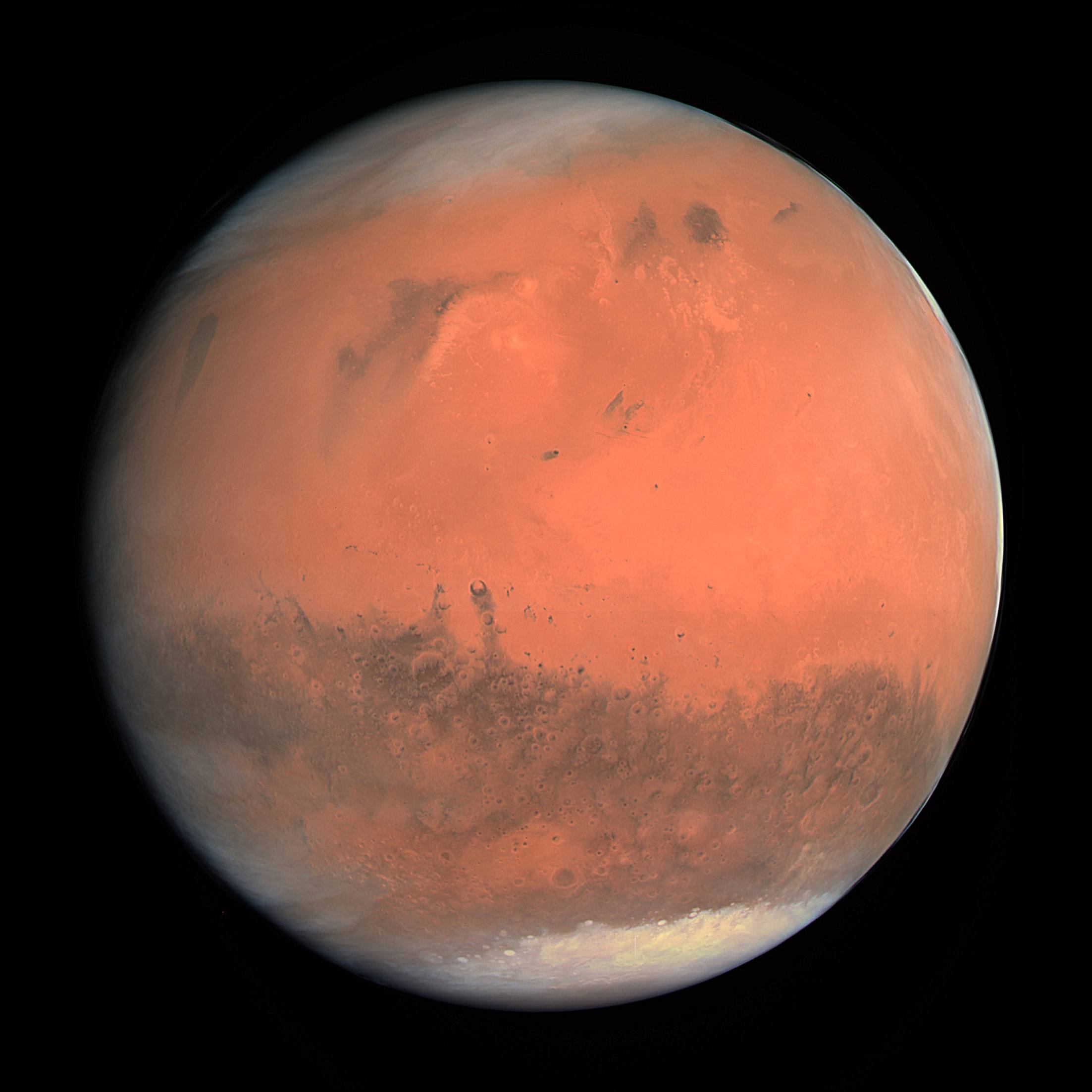
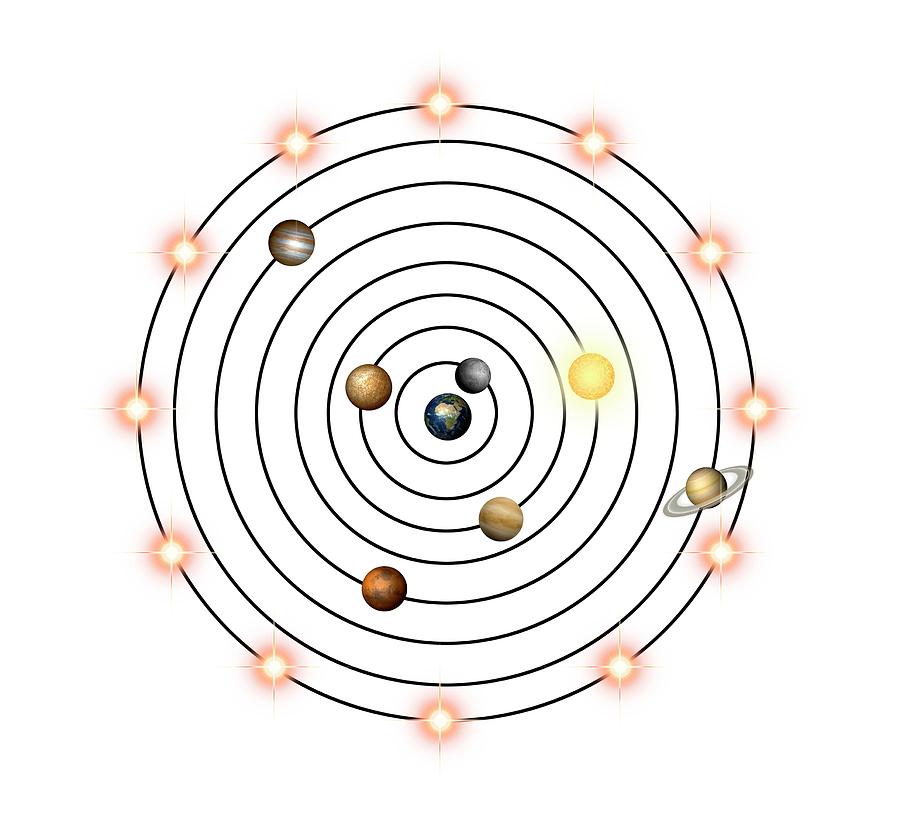
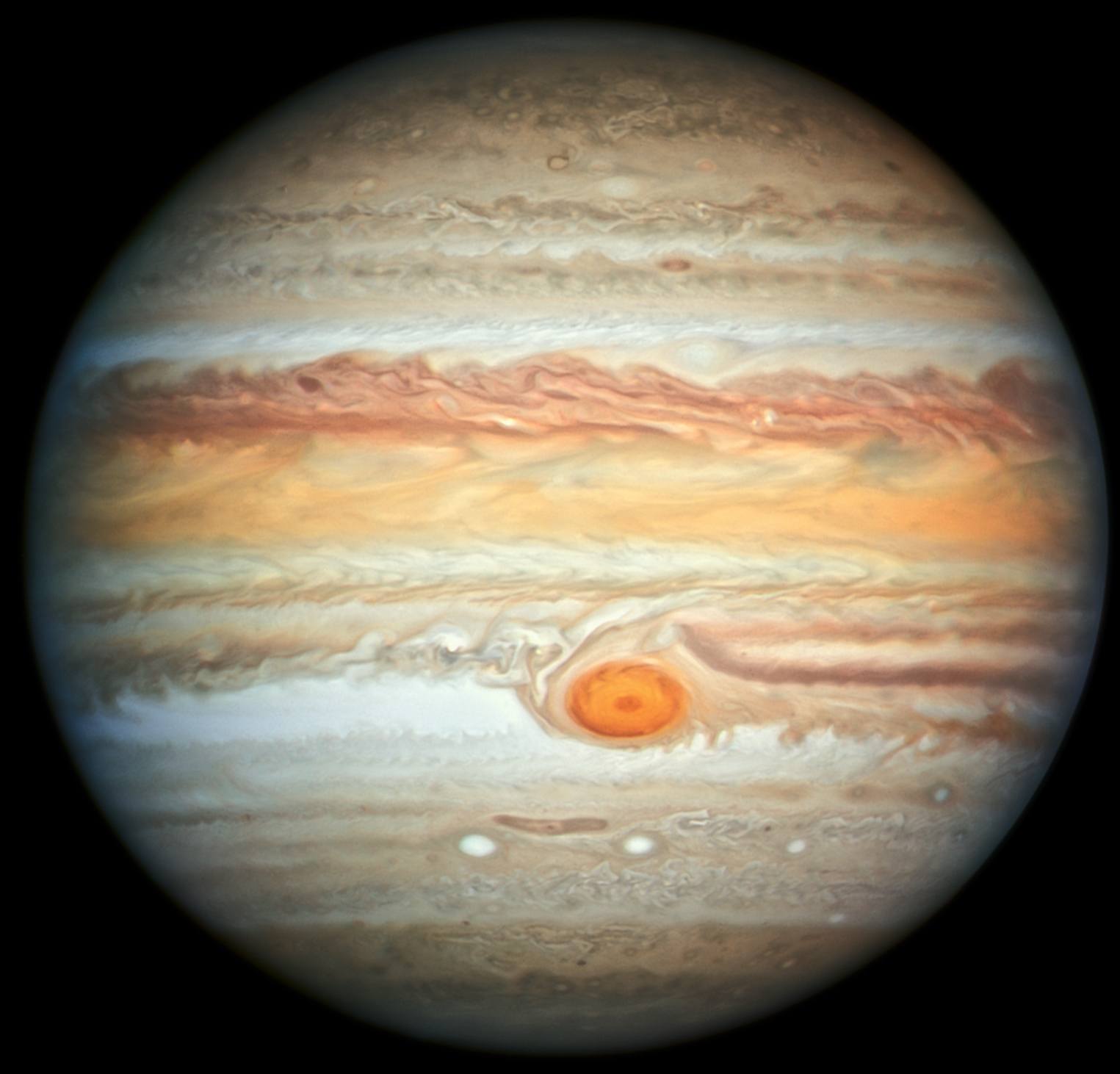
What does the Heliocentric system look like?


What is the biggest difference between the Geocentric Model and the Heliocentric Model?
the shape of the planets' orbits
the movement of the moon
the center of the solar system
Kepler's first law states that the orbits of the planets are in the shape of a/an...
perfect circle
ellipse
spiral

Who came up with this model?
Copernicus
Kepler
Galileo Galilee
Ptolemy
What is at the middle of a Geocentric system?
Sun
Neptune
Earth
The Universe

Which of these cycles is a direct result of Earth's rotation?
Day and Night
Moon Phases
Rainfall and evaporation
Seasons
On which side of a house in Texas should a window be placed so that the people inside the house can see the sunrise each day through the window?
North
South
East
West

Shadow casts by objects change throughout the day. The picture below shows the shadow cast by a tree at 3:00 p.m. Which picture shows how the tree's shadow most likely looked at 9:00 a.m. ?


A student draws a model showing the movements on Earth, the moon, and the sun. Which arrow shows the movement that caused day and night on Earth?
Arrow 1, because it shows the rotation of the sun
Arrow 2, because it shows the orbit of Earth around the sun
Arrow 3, because it shows the orbit of the moon around Earth
Arrow 4, because it shows the rotation of the Earth

The best evidence that Earth rotates on its axis is the changing
apparent path of a Foucault pendulum
altitude of the noontime Sun from day to day
phases of the Moon
velocity of Earth in its orbit

Earth's rotation causes winds to be deflected to the
left in the Northern Hemisphere and right in the Southern Hemisphere
left in both the Northern and Southern Hemispheres
right in the Northern Hemisphere and left in the Southern Hemisphere
right in both the Northern and Southern Hemispheres
Earth's rate of rotation is approximately A) B) y C) D)
360 degrees per day
15 degrees per day
1 degrees per day
180 degrees per day
The curving of the planetary winds to the right in the Northern Hemisphere is evidence of
high-and low-pressure belts
the tilt of Earth's axis
the Coriolis effect
Earth's revolution
As viewed from Earth, most stars including the Sun appear to move across the sky each night because
stars orbit around Earth
Earth rotates on its axis
stars revolve around the center of the galaxy
Earth revolves around the Sun
Which photograph of star trails was taken by an observer facing directly north in New York State?


Polaris is called the North Star because...
It is a cold star.
It is the brightest in the sky.
It is located above the Earth's North Pole.
It is only seen in the winter.

At which location will an observer see the greatest altitude of Polaris?
A
B
C
D

How does Earth rotate?
Clockwise at 90 degrees per hour
Counterclockwise at 10 degrees per hour
Clockwise at 45 degrees per hour
Counterclockwise at 15 degrees per hour

The constellations as viewed from Earth at different times of the year are evidence of
Earth's Revolution
Earth's Rotation
Star's Rotation
Star's Revolution

If this star trail image has an angle of 30 degrees, how long was the camera's shutter open?
One hour
Two hours
Three hours
Four hours

How many degrees is the Earth tilted on its axis?
0 °
23.5 °
66.5 °
90 °

During which season in the Northern Hemisphere is Earth closest to the Sun?
winter
spring
summer
fall


What statement best represents this relationship?
As the angle increases, the temperature decreases.
As the angle increases, the temperature increases.
As the angle decreases, the temperature increases.
There is no relationship.

What season is represented by this diagram (North Hemisphere)?
Spring
Fall
Summer
Winter

Which motion causes the constellation Leo to no longer be visible to an observer at 40º N in October?

At a location in the Northern Hemisphere, a camera was placed outside at night with the lens pointing straight up. The shutter was left open for four hours, resulting in the star trails shown below.
How many degrees did each star travel?
1°N
30° N
60°N
90°N


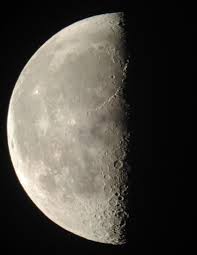

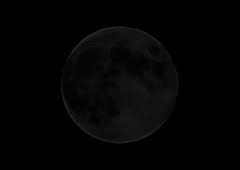

If we are experiencing a new moon on March 6 what will the moon look like on 15?


Tides are caused by _________________
the gravitational pull of the moon only.
large storms over the ocean.
the action of Earth's tectonic plates.
the combined gravitational forces of the sun and moon.

How would the moon appear from point B?


Wha type of tide would this arrangement of earth-moon-sun create?
full moon tide
new moon tide
neap tide
spring tide


According to the pattern shown on the graph, the next high tide will occur on the following day at approximately

