
 Worksheets
Science 2nd Quarter Revision- Gr.10
Total questions: 131
Worksheet time: 4hrs 58mins
Which of the following is not an ecosystem?
Vacant lot
Coral reef
Oak forest
Swimming pool
The energy in most ecosystems comes from
Green plants
The sun
Wind
All of them
The organisms most likely to belong to the same species are
people at a football game.
birds in a forest
bacteria inside a person’s body.
a. organisms in a pond.
Which of the following statements about an organism’s habitat is not true?
An organism’s habitat is the place where it lives.
A habitat has specific characteristics that an organism needs in order to live there.
Most organisms can survive if they are taken away from their habitat.
A habitat contains biotic and abiotic factors.
The community of a pond is made up of all the ___________________
abiotic factors in the water.
resources organisms need.
habitats in and around the water.
populations of fish, insects, and other living organisms.
Organisms can adapt _________________
a. to their physical surroundings.
b. to other organisms.
c. Both (a) and (b)
d. Neither (a) nor (b)
An organism is resistant to a chemical if it ______________
a. has a gene that enables it to break down the chemical.
b. has been exposed to a small amount of the chemical over time
c. did not eat anything with the chemical on it.
d. All of them
In order for evolution to occur in a population, individuals with a trait that is “naturally selected for” must __________
live a long time.
leave the area.
reproduce.
coevolve
Most scientists classify organisms into ____________________
five kingdoms and two domains.
three kingdoms and four domains.
four kingdoms and three domains.
two kingdoms and four domains.
Which of the following animals is successful because it moves quickly, reproduces rapidly, and has a waterproof external skeleton
ants
birds
lizards
bears
Which of the following can convert nitrogen in the air into a form plants can use?
fungi
bacteria
protists
animals
Which of the following is not an algae that uses energy from the sun to make food?
phytoplankton
seaweed
angiosperm
giant kelp
Which of the following describes soil and temperature in an ecosystem?
biotic factors
abiotic factors
unnecessary factors
evolved factors
Which of the following best describes a population?
a. members of the same species living in the same place at the same time
b. all the red birds in an area
c. all types of organisms living in the same place
d. all members of the same species
One way that bacteria and fungi are important to the environment is that they _____________
a. produce oxygen.
b. use the sun’s energy to make their own food.
c. are a major food source in many ecosystems.
d. break down dead organisms.
Which of the following statements is not correct?
a. Plants and other producers get their energy directly from the sun.
b. Animals get their energy from the sun indirectly.
c. Bacteria that live deep in the ocean get their energy from hydrogen sulfide in hot water.
d. Consumers get their energy directly from the sun.
Which kind of organism obtains energy only from producers?
decomposers
omnivores
herbivores
All of them
If an insect eats a plant and a bird eats the insect, about how much energy from the plant is stored in the insect for the bird to use?
90%
50%
10%
1%
Which of the following does not contain carbon from the bodies of plants and animals that died millions of years ago?
Coal
Oil
Natural gas
Phosphate salt
Which gas makes up 78 percent of our atmosphere but can be used by plants only when transformed by bacteria first?
Hydrogen
Oxygen
Helium
Nitrogen
Which of the following plants is likely to be a pioneer species?
a. lichen
b. grass
c. shrub
d. trees
What kind of natural disaster helps some forest communities by allowing some trees to release their seeds, by clearing away deadwood, and by encouraging new growth?
a. windstorm
b. flood
c. drought
d. fire
Which statement describes how humans are affecting the balance of carbon in the atmosphere?
Fewer agricultural crops are planted, reducing the amount of carbon dioxide released into the atmosphere.
Burning fossil fuels in great quantities has increased the amount of carbon dioxide in the atmosphere.
Overgrazing of grasslands has reduced the amount of carbon dioxide in the atmosphere.
Severe drought in large areas of the world has decreased the amount of carbon dioxide that is released into the atmosphere.
Which of the following are photosynthetic organisms?
fungal decomposers
freshwater algae
intestinal bacteria
deeply buried soil bacteria
Consumers are organisms that _______________________
eat only other animal species.
get their energy by eating other organisms.
are also known as self-feeders.
occupy an ecosystem’s lowest energy level.
Plants play a crucial role in the carbon cycle because they _________
a. do not release carbon dioxide during cellular respiration.
b. allow carbon to enter an ecosystem through photosynthesis.
c. have special bacteria that live in their root systems.
d. are chemically converted into fossil fuels when burned.
The bacteria that live within the roots of a soybean plant are a critical part of the nitrogen cycle because they ____________________
a. provide the plant with sugars needed for growth.
b. transform nitrates into nitrogen gas for release.
c. change atmospheric nitrogen into a usable form for other organisms.
d. release nitrogen by decomposing dead plant parts.
Succession is possible because _________________
climates change over time.
it is a rapid and chaotic process that is very difficult to control
existing plants reproduce quickly.
ecosystems are disrupted by natural or human-caused events.
Which of the following is an example of secondary succession?
a. breaking down of bare rock by fungi and mosses
b. pioneer plants begin to grow after glacial melting
c. growth of plants after a forest is destroyed by fire
d. appearance of weeds in cracks in a concrete surface
Which of the following is not a likely component of soil formed during primary succession?
a. cast-off parts of shrubs and trees
b. decayed lichens and bacteria
c. dust particles from the air
broken bits of stone and rock
d. dust particles from the air
Which organism is likely to be in the bottom trophic level of a food chain?
algae
krill whale
fish
leopard seal
What term is used to refer to the many feeding relationships that are possible in an ecosystem?
energy transfer
energy pyramid
food chain
food web
Which of the following is responsible for making nitrogen in the atmosphere usable by living organisms?
absorption of nitrogen in rain
conversion of nitrogen into carbohydrates by photosynthesis
nitrogen-fixing bacteria
decomposing bacteria
Which item is a carbon sink and not part of the carbon cycle?
a. carbon in the atmosphere in the form of carbon dioxide
b. consumers breaking down carbohydrates into carbon dioxide during respiration
c. carbon found within limestone rocks
d. carbon dioxide being converted into carbohydrates during photosynthesis
What type of vegetation would you expect to find on an abandoned farm that has remained undisturbed for 150 years?
a. short grasses
b. shrubs
c. young pine trees
d. tall, mature oak trees
What type of succession occurs after a natural process such as a flood?
a. primary succession
b. secondary succession
c. old-field succession
d. climax community
Which of the following is one of the largest carbon reservoirs on Earth?
a. limestone
b. fossil fuels
c. Amazon rain forest
d. Atlantic Ocean
A process in which energy from the sun is used to make sugar molecules is called (a)
A process within the cell of an organism that uses glucose and oxygen to produce carbon dioxide, water, and energy is called (a)
Some natural disasters, such as (a) , help some forest communities by allowing some trees to release their seeds, by clearing away deadwood, and by encouraging new growth.
On new islands formed by volcanic activity, you will most likely find (a) succession.
The first organisms to colonize any newly available area are known as (a)
Excessive use of (a) on lawns and gardens can affect the nitrogen and phosphorus cycles in nearby lakes and streams.
During succession, a final and stable community is referred to as a(n) (a)
A gradual process of change and replacement of the types of species in a community is called (a) succession.
A common type of succession that occurs on a surface where an ecosystem has previously existed is known as (a)
Underground carbon sources composed of plants and animals that died millions of years ago are known as (a)
Explain: Only about 10 percent of the energy is passed from one trophic level to the next. Explain where the other 90 percent of the available energy goes.
Compare and contrast primary and secondary successions.
All herbivores are _____.
producers
primary consumers
secondary consumers
tertiary consumers
If an organism uses photosynthesis to make its energy, it is a _____.
tertiary consumers
producer
primary consumer
secondary consumer
All the living things in an ecosystem are the _______ of an ecosystem.
ecosystem
abiotic factors
biotic factors
plants
Many populations of animals and plants living together in a forest is an example of a _________.
producer
population
abiotic factors
community
A _________ is a diagram of all of the food chains in a single ecosystem.
food web
food chain
energy pyramid
primary consumer
The sun, water, oxygen, and climate are all examples of _____.
biotic factors
abiotic factors
plants
producers


Organisms that produce their own food mostly through photosynthesis (producers). Examples are plants and algae.
Ominvore
Detritivore
Heterotroph
Autotroph

Organisms that get their energy and nutrition from other organisms (consumers).
Heterotroph
Autotroph
Decomposer
Detritivore

Heterotrophs that get energy and nutrition from dead or decaying organisms or their waste products and recycle nutrients back to the ecosystem.
Producer
Trophic
Decomposer
Autotrooph

The level in an Ecological pyramid that includes all the organisms that share the same place in a food chain.
Trophic Levels
Toxic Levels
KeKe Levels
Environmental Systems
Which of these shows a possible food chain for an ecosystem?
shark--> fish --> plankton -->sun
sun --> plankton --> fish --> shark
plankton --> sun --> fish --> shark
plankton --> fish --> shark --> sun

A collection of organisms that make up a community as well as all of the nonliving components of the environment.
Population
Community
Habitat
Ecosystem
The role or job of a species in a community.
habitat
diet
niche
ecosystem
Two organisms that are so similar they can interbreed in nature and produce fertile offspring.
biotic factor
herbivore
ecosystem
species
Ecological Succession
a common type of succession that occurs on a surface where an ecosystem has previously existed
the first organisms to colonize any newly available area and begin the process of ecological succession
a final and stable community
a type of succession that occurs on a surface where no ecosystem existed before
a gradual process of change and replacements of the types of species in a community
Climax Community
a common type of succession that occurs on a surface where an ecosystem has previously existed
the first organisms to colonize any newly available area and begin the process of ecological succession
a final and stable community
a type of succession that occurs on a surface where no ecosystem existed before
a gradual process of change and replacements of the types of species in a community
What type of vegetation would you expect to find on newly formed volcanic islands
lichens
short grasses
shrubs
young trees
Which of the following is an example of secondary succession?
breaking down of bare rock by fungi and mosses
pioneer plants begin to grow after glacial melting
growth of plants after a forest is destroyed by fire
appearance of weeds in cracks in a concrete surface
Green plants and algae make their own food through photosynthesis. What is photosynthesis?
a cell process that uses energy from sunlight to convert water and oxygen into food
a cell process that uses energy from sunlight to convert water and glucose into food
a cell process that uses energy from sunlight to convert water and chlorophyll into food
a cell process that uses energy from sunlight to convert water and carbon dioxide into food
Can organisms absorb nitrogen gas directly out of the atmosphere?
Yes
No
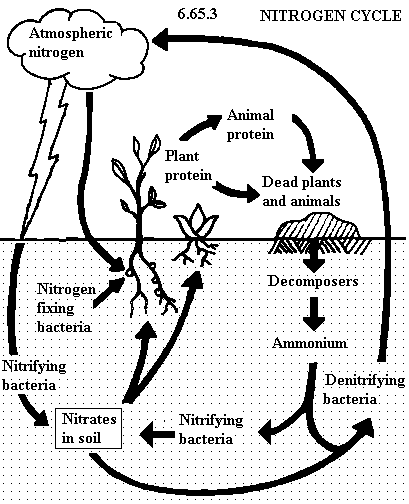
How do animals obtain nitrogen stored in plants?
Denitrifying bacteria
Nitrogen fixing bacteria
Directly from the atmosphere
They eat the plants
Where can you find carbon?
Only in the Earth's atmosphere
Inside all water molecules
Inside the sun
Inside every living thing on Earth
Carbon moves from fossil fuels to the atmosphere when fuels are burned.
True
False

The process in which water vapor is released into the air through the stoma on the leaves of plants is called __________.
Evaporation
Transpiration
Precipitation
Condensation

Which of the following cycles lacks a gas phase? This means that the element does not exist in a gas phase.
carbon
nitrogen
phosphorous
none of the above
ground

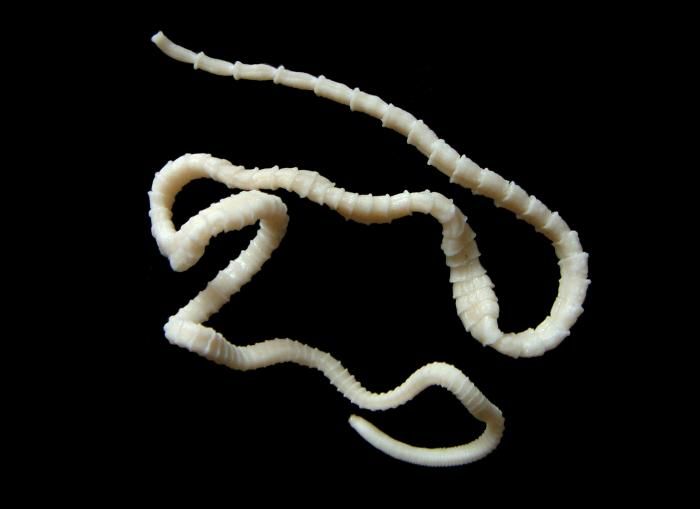
A tapeworm lives in the intestine of a cat absorbing nutrients through its skin. A tapeworm and a cat have this type of relationship.
mutualism
parasitism
commensalism
competition
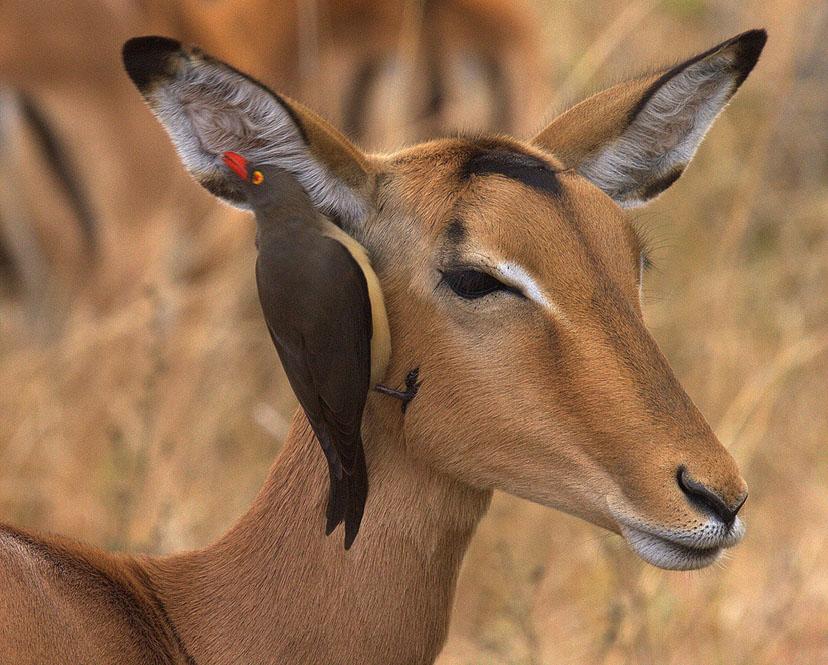
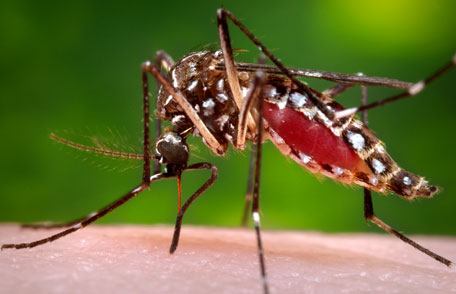

Aphids are tiny insects that live on and eat the leaves of plants, removing vital nutrients from the plants.
Predation
Parasitism
Commensalism
Mutualism

Clown fish live among anemones, acting as a lure for the sea anemone's prey. The clown fish get protection and shelter from the anemone. This is an example of which type of symbiosis?
Commensalism
Mutualism
Parasitism

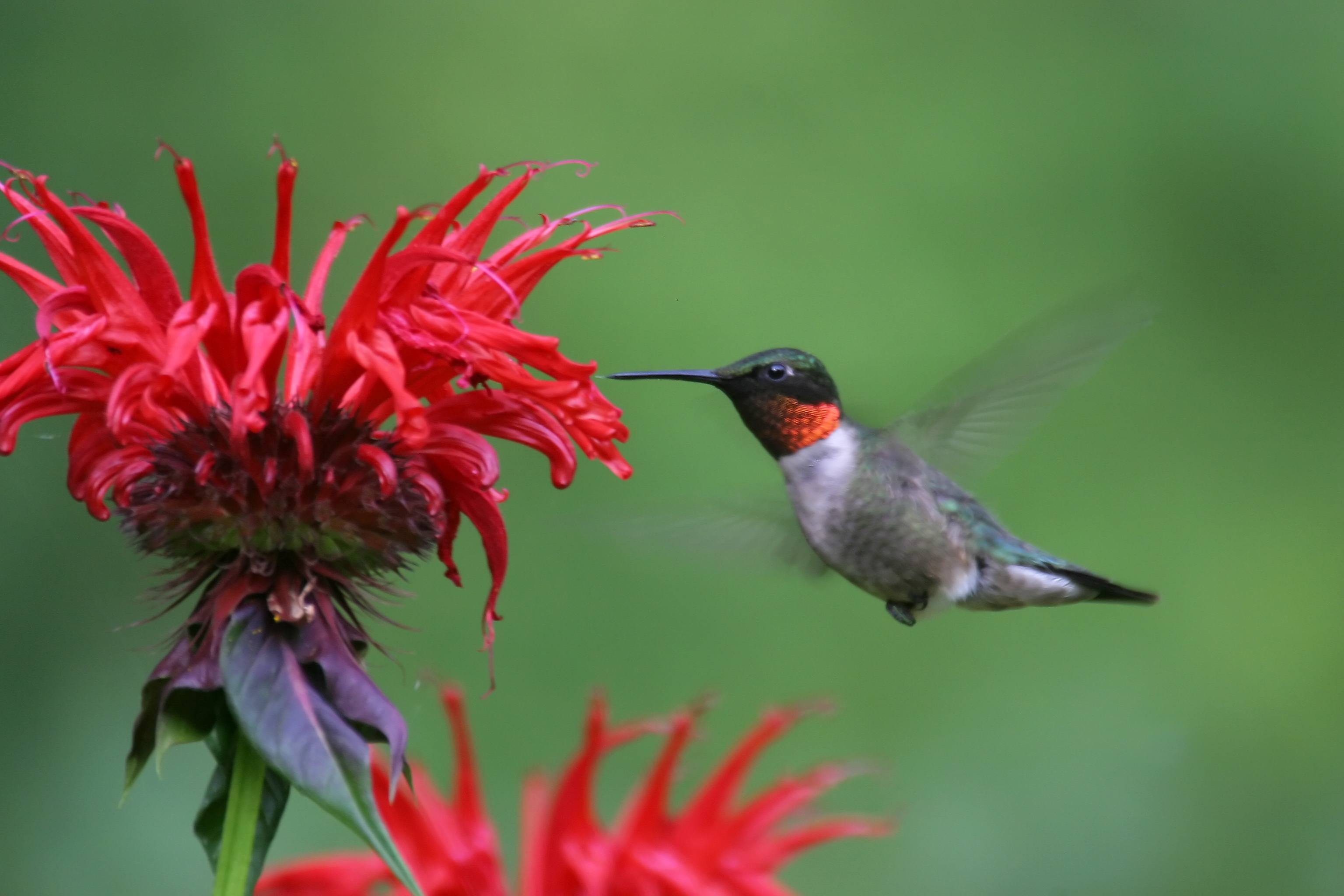
A bee and a flower work together to benefit each other. This is an example of a ______. The bee helps the flower by pollinating it and the flower helps the bee by providing it with nectar.
commensalistic relationship
parasitic relationship
mutualistic relationship

Lichens are close associations of fungi and algae. The fungi hold the water supply and the algae perform photosynthesis to manufacture carbohydrates for both organisms.
mutualism
commensalism
parasitism


An organism’s habitat provides _____________________.
food, water, shelter, and space.
food, water, and clothes.
only food.
video games, ninjas, and baked beans.



